The commissioners of Laramie County, Wyoming, unanimously voted to build a data center campus that will be designed to scale to 10 gigawatts.
U.S. electricity consumption is growing for the first time in a decade due to AI, so why are we stunting renewable energy development?
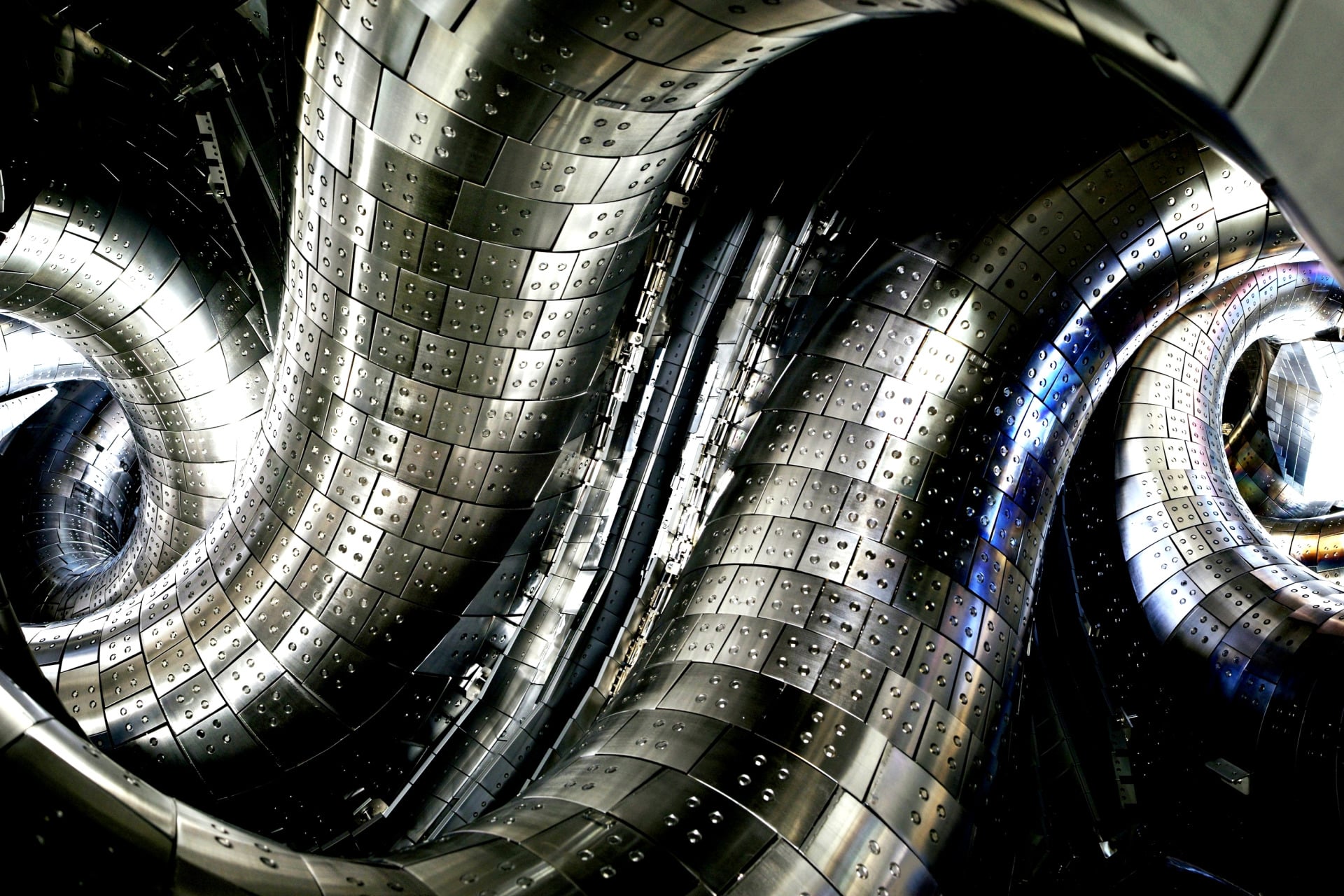
For plasma in fusion reactors, turbulence might be more than a pesky thing to control, a new study suggests.
Here’s to another year of waiting for fusion to come ten years later.
The tech giant aims to offset its carbon emissions by bringing back a nuclear reactor in Pennsylvania.
The startup’s achievement is impressive but underscores the quiet chaos of the nuclear industry following a series of sweeping executive orders in May.
This engine won't be fueling interstellar missions, but still finds an unexpected way to use deep space energy to generate power.
The project cements Tennessee’s role in the current administration’s “Manhattan Project 2.0,” officials say.
Last week, the administration nixed more than $7.5 billion in clean energy project funding. New reports suggest that’s just the tip of the iceberg.
The end goal is to create an "advanced fuel center" in Tennessee, which will recycle used nuclear fuel for a host of purposes.
Sweden’s coasts are facing a UFO problem—reports of "unidentified floating objects"—and they're creating unexpected issues at sea.
Self-cooling fast reactors are now one step closer to reality.
The Japanese city of Fukuoka is the second in the world to harness the power of osmosis to generate electricity for surrounding areas.
There’s enough lithium in one year of U.S. mine waste to power 10 million electric vehicles.
Tapping into discarded nuclear waste could help generate a self-sufficient source of a key ingredient for nuclear fusion, a new plan proposes.
A new report of the global lithium market argues we should be trying harder to recover supplies of unused, pure lithium lying inside discarded lithium batteries.
Researchers at the National Ignition Facility achieved nuclear fusion ignition with the help of an AI program that essentially told them they were on the right track.
An engineering breakthrough involving lasers, black metal, and aluminum could boost solar power to 15 times what’s currently possible.
Denver International Airport believes a small modular reactor could help it meet its emissions goals, but getting the community on board presents a major hurdle.
A new type of hydrogen fuel cell operates at much lower temperatures than what’s typically required for existing fuel cells, bringing them closer to widespread implementation.