
Students for Sensible Drug Policy advocates for campus policies which center student health, safety, and education rather than punitive enforcement of laws and campus regulations which deny students access to education and needlessly expose young to the dangers of the carceral system, law enforcement practices such as the use of confidential informants, and overdose.
Every weekend across the U.S., 21 million college students make choices about how they are going to party. Will it be a sober night, or will they choose to consume alcohol or another drug of unknown origin, potency, or composition regardless of rules or prohibitions against doing so? Based on government data about drug use, we can conservatively estimate that, each month, 12 million students choose to consume alcohol, 4 million choose to use marijuana, and another 4 million will choose another drug.
Colleges and universities are obligated to protect the lives of students in loco parentis and must acknowledge the plain fact that students will use — and sometimes misuse — drugs and alcohol despite decades of efforts to eliminate such behaviors. Drug policies based in harm reduction ensure the millions of students who will inevitably choose to use alcohol or other drugs have a better chance of safely making it to graduation.
Throughout the nation, colleges have been embracing practices that focus on safeguarding, rather than punishing, students who abuse alcohol or illicit drugs, often at the suggestion of students themselves. Such institutions stress that their intent is not to be permissive, and that their rules against underage drinking and illicit-drug possession remain in effect. Nevertheless, faced with the persistent risk of alcohol-related student deaths, a national upsurge in opioid overdoses, and nationwide spates of medical emergencies among consumers of “club drugs,” the colleges have been showing a willingness to suspend enforcement of their rules if necessary to keep students from being harmed. – Schmidt, Peter (2016, September 13). Colleges Embrace Streetwise Tactics to Prevent Substance-Abuse Deaths. The Chronicle of Higher Education. http://www.chronicle.com/article/Colleges-Embrace-Streetwise/237763
Students for Sensible Drug Policy publishes the U.S. Campus Drug Policy Gradebook as a resource for students, administrators, and other members of campus communities who seek to ground their approach to drugs in health, safety, and education.

FERPA and parental notification
Under the Family Educational Rights and Privacy Act (FERPA), schools are permitted to contact a student’s parents or guardians without the student’s consent when he or she has violated laws or institutional policies regarding the use of alcohol or drugs. As such, even if “parental notification” is not a listed sanction for a particular school, such notification is still possible. We acknowledge parents or guardians can provide an important support for students struggling with alcohol or other drugs. However, parental notification assumes parents are equipped to handle a complex health problem, the student-parent relationship is characterized by healthy communication, and the relationship with the parent or guardian is not a contributing factor to drug misuse. Additionally, such laws violate the privacy of legal adults, undermine the relationship of trust between students and their school, and discourage students from seeking help from campus health resources.
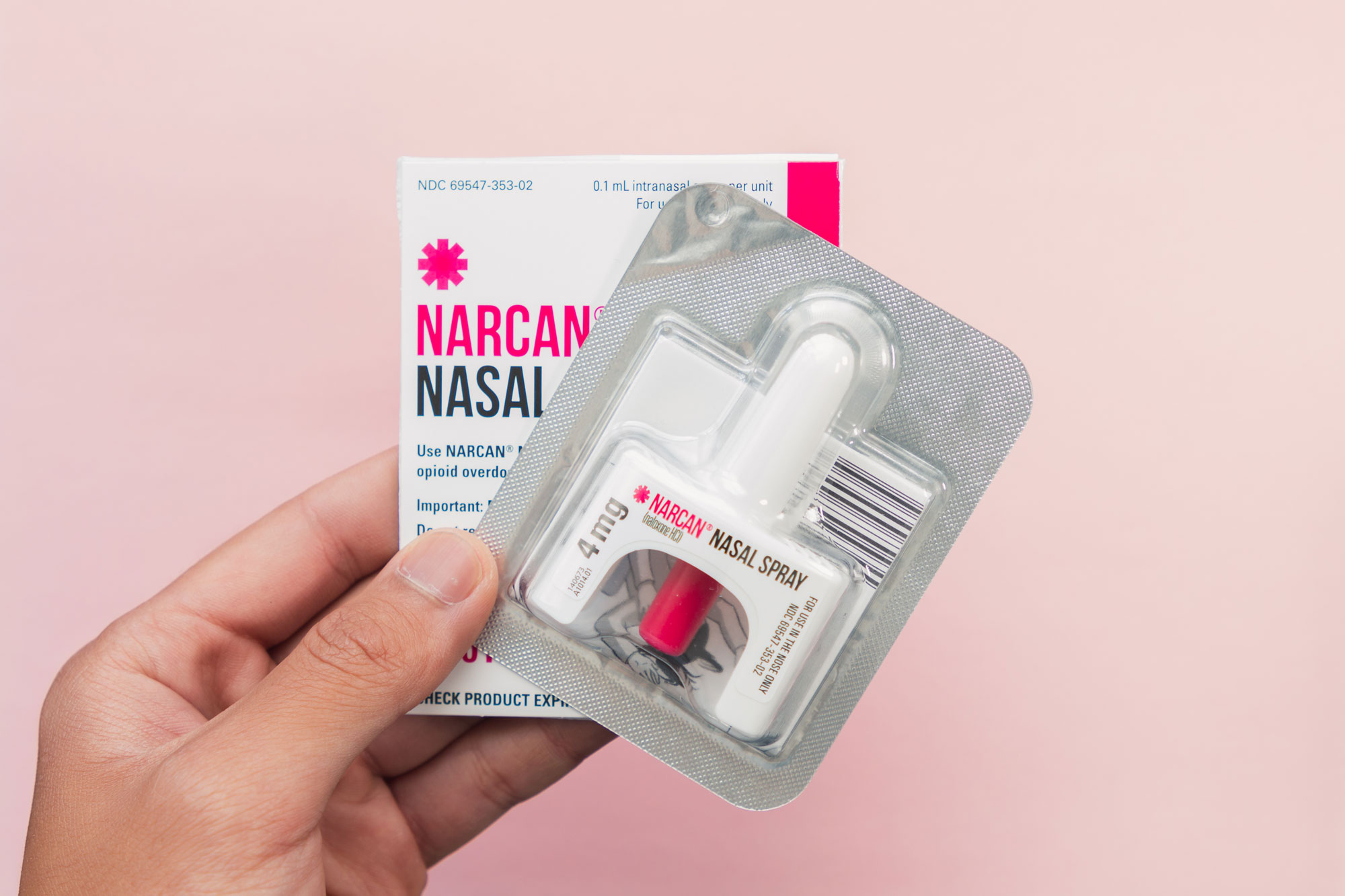



Additional criteria
- 5 points: The student government is able to pass resolutions changing or requesting changes to campus policy
- 4 points: The campus offers a complimentary safe rides program
- 1 point: The campus does not have an absolute smoking ban
A note on federal funding, compliance with law, and drug policies
It is commonly believed that colleges and universities must maintain and enforce punitive drug and alcohol policies to maintain funding. In order to receive federal funding and comply with the Higher Education Act, schools are required to state their policies regarding drugs and alcohol. Many colleges also list the possible legal penalties for alcohol and drug violations. As these statements are required to receive funding, the statements are not interpreted to be relevant to the relative stringency of campus drug and alcohol policies.
View the U.S. Campus Policy Gradebook here or use the window below.
Start a chapter of SSDP and join the youth movement to end drug prohibition.