
Explore the Night Sky
Hubble is famous for its detailed images of distant wonders, but with the benefit of a dark, clear sky, anyone with a telescope, binoculars, or sometimes even the unaided eye can see some of the same objects Hubble observes. These catalogs of backyard-friendly cosmic targets provide information about each object and help you locate it in the night sky. Break out your telescope or binoculars and compare your observations with those of Hubble.
Quick Facts
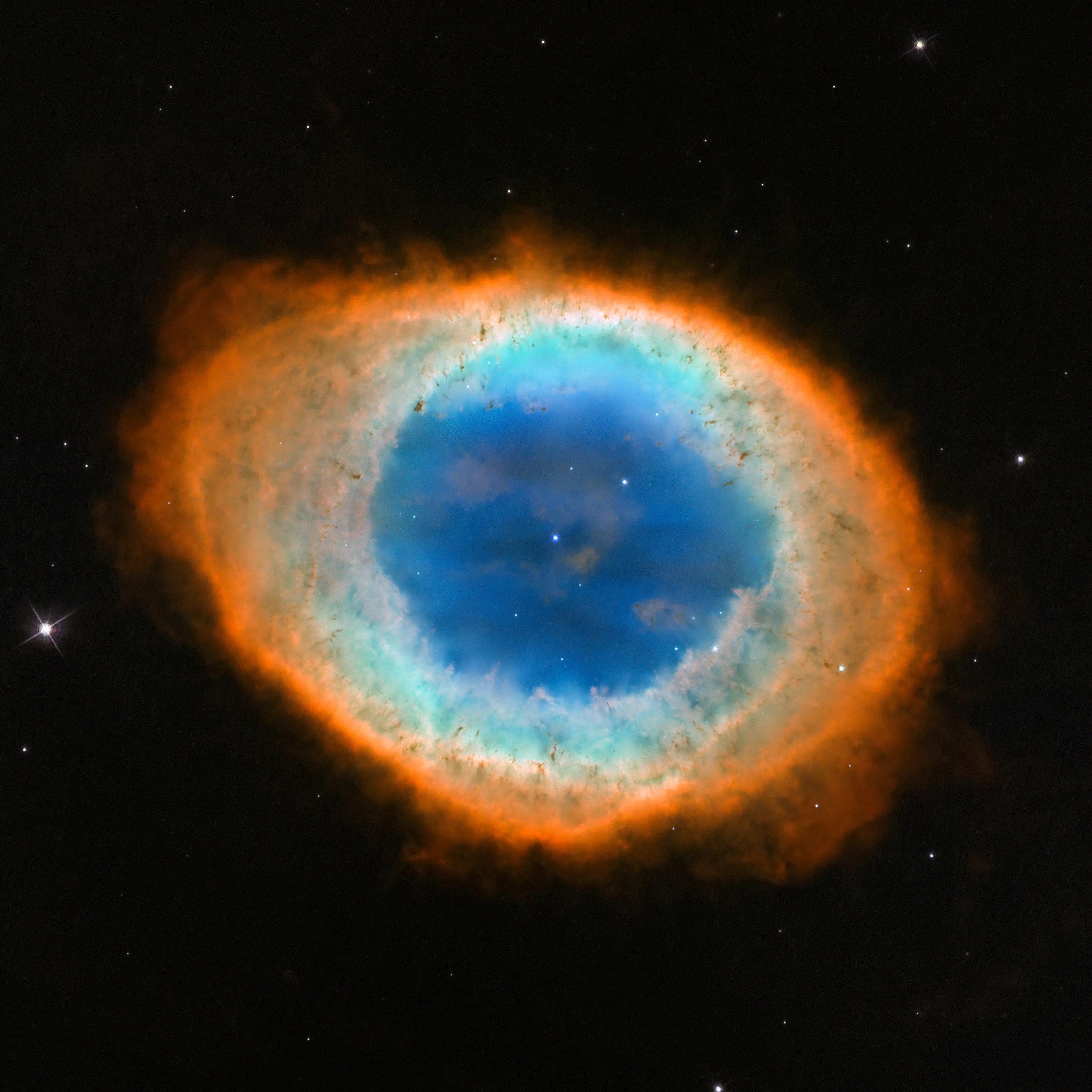
The Ring Nebula, also called Messier 57, is a well-known planetary nebula in the constellation Lyra.
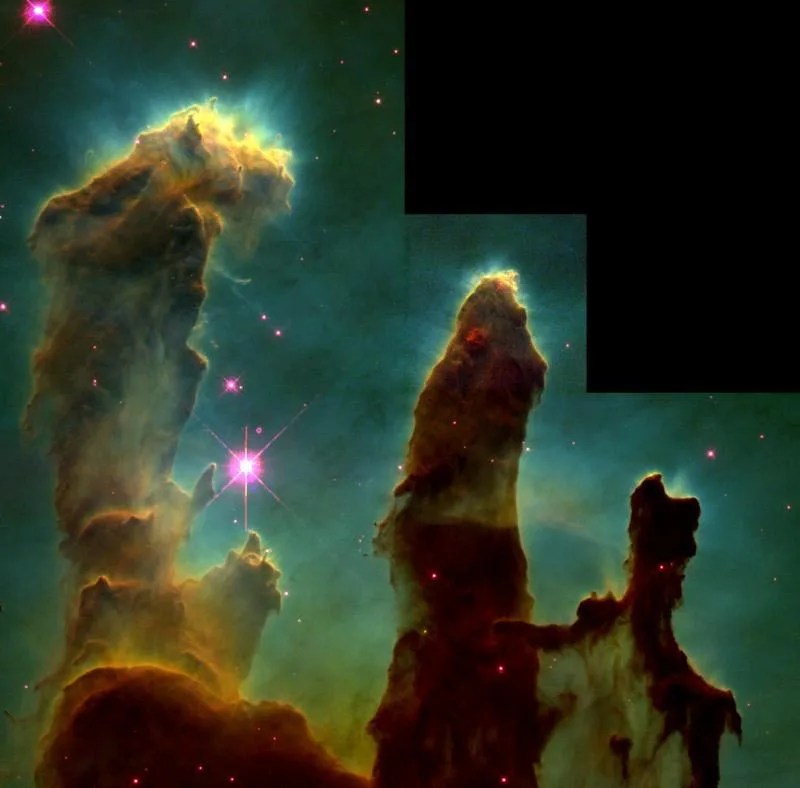
Messier 16, the Eagle Nebula, provided Hubble with one of its most iconic images.
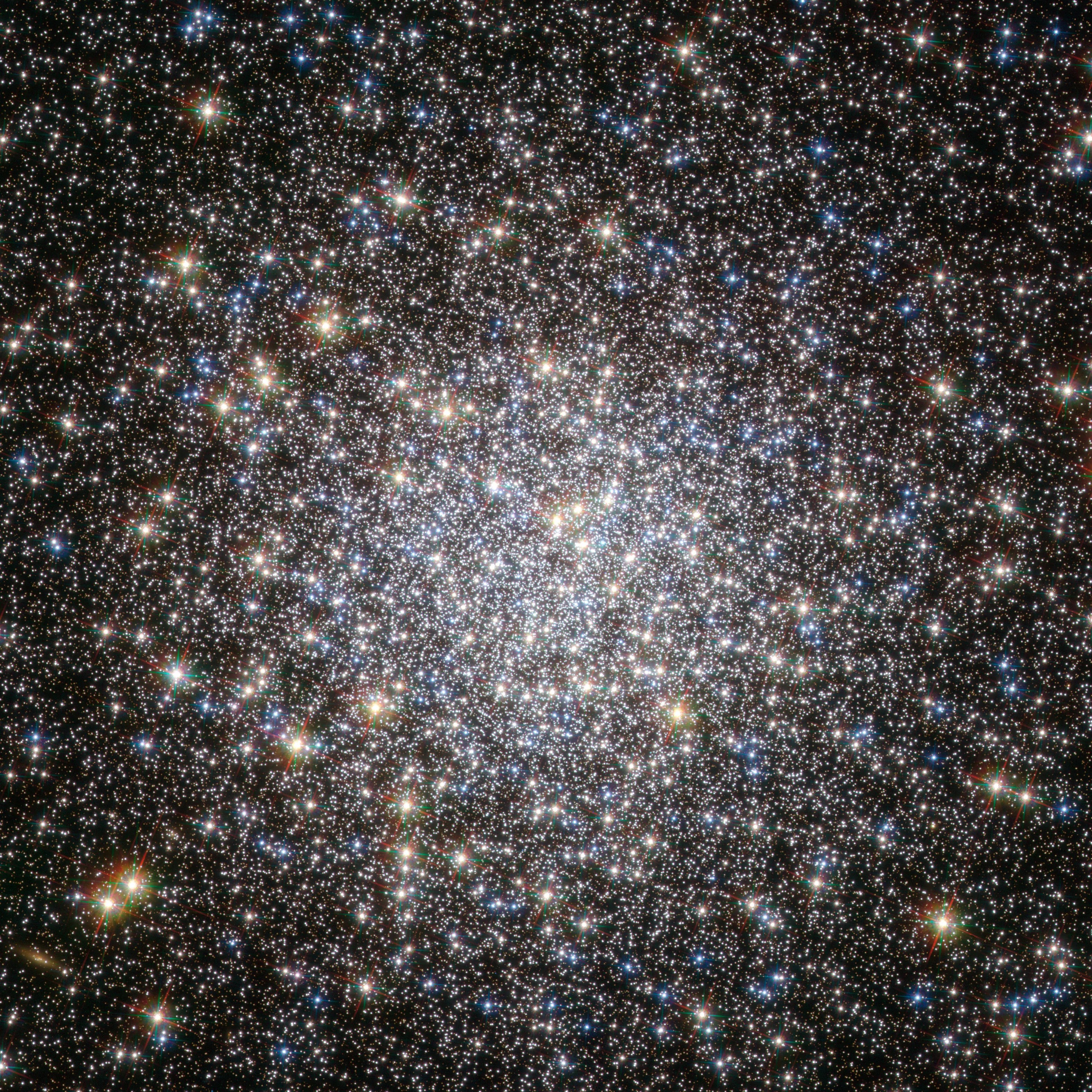
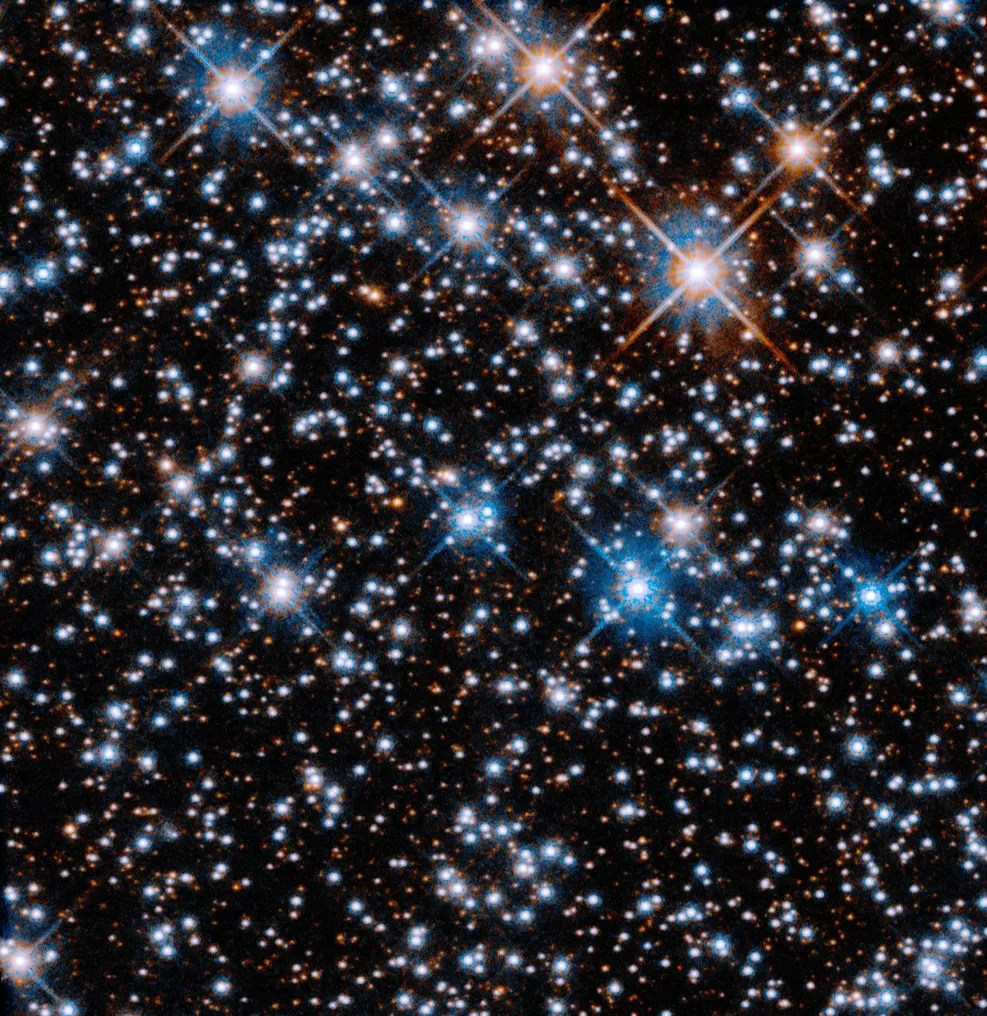
Caldwell 104 is just one of about 150 globular clusters in the Milky Way galaxy.

The Whirlpool Galaxy, also called Messier 51, is 31 million light-years from Earth.

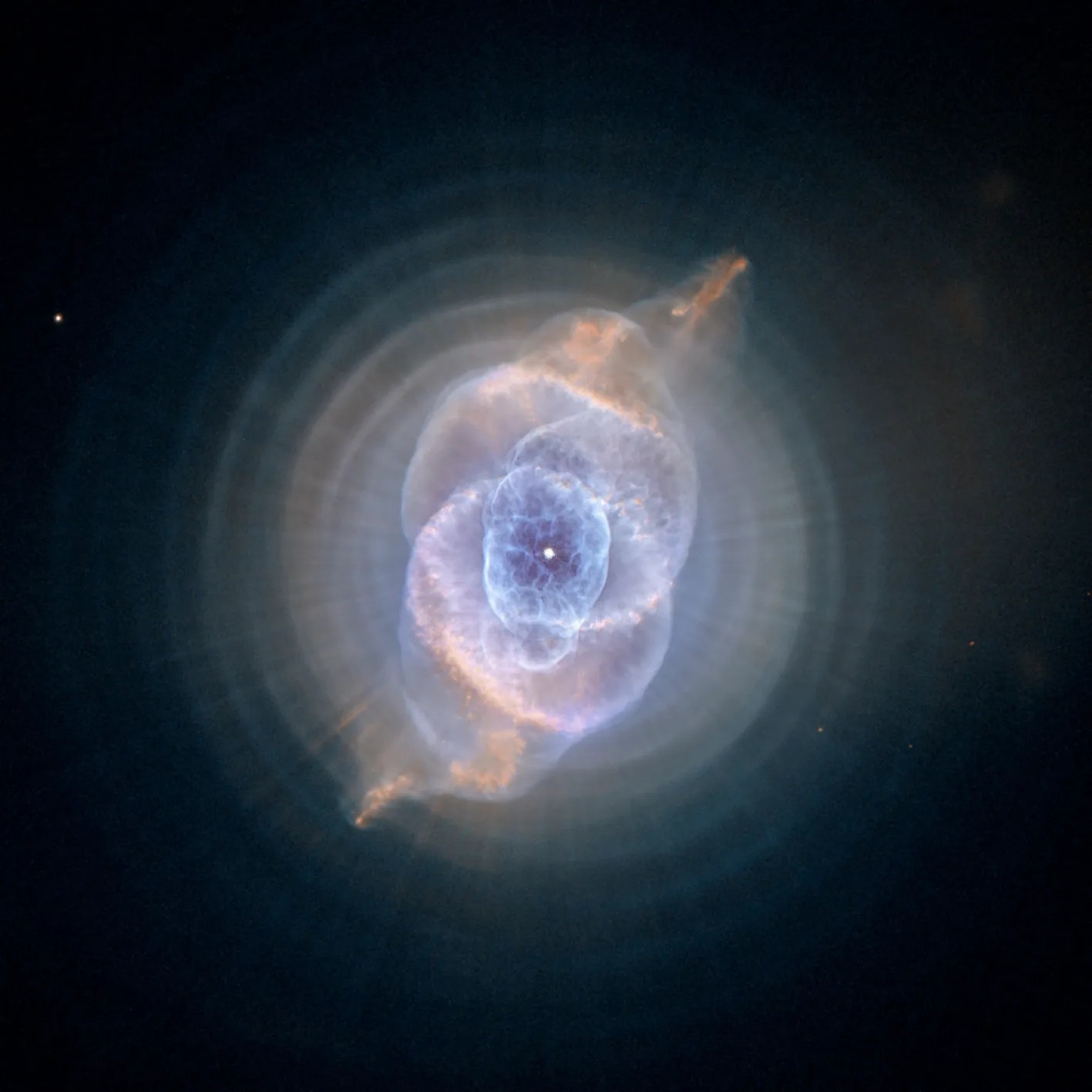
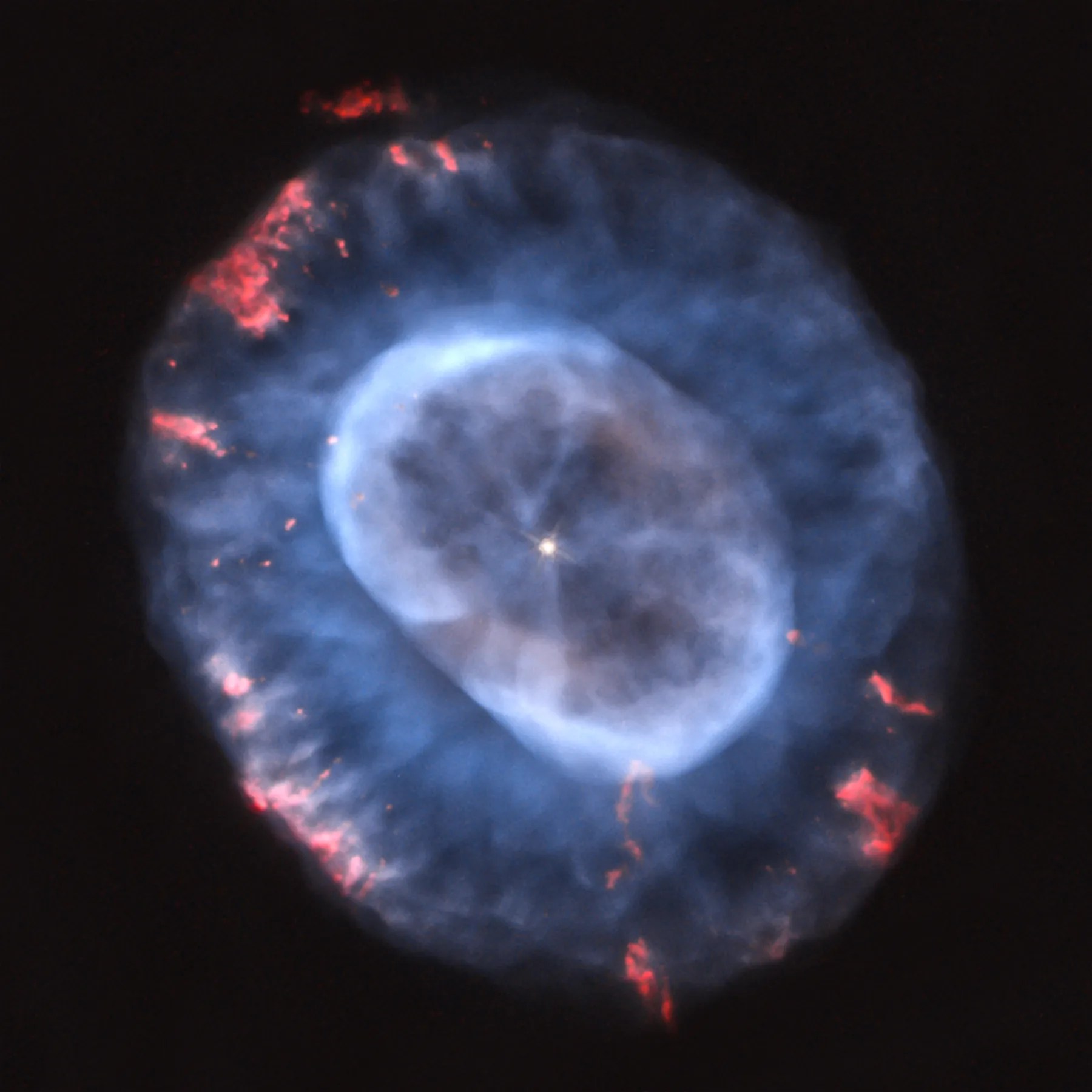
Hubble's image of Caldwell 6, better known as the Cat’s Eye Nebula, reveals intricate shells of gas and dust.
Compare Your View to Hubble's
Hubble's Night Sky Observing Challenge
These monthly target lists offer backyard astronomers the sky charts and information they need to find and see some of the same objects that Hubble has observed.
Start Stargazing about Hubble's Night Sky Observing Challenge
Hubble's Messier Catalog
Charles Messier’s catalog offers backyard astronomers targets they can observe with a pair of binoculars or a small telescope and a relatively dark sky.
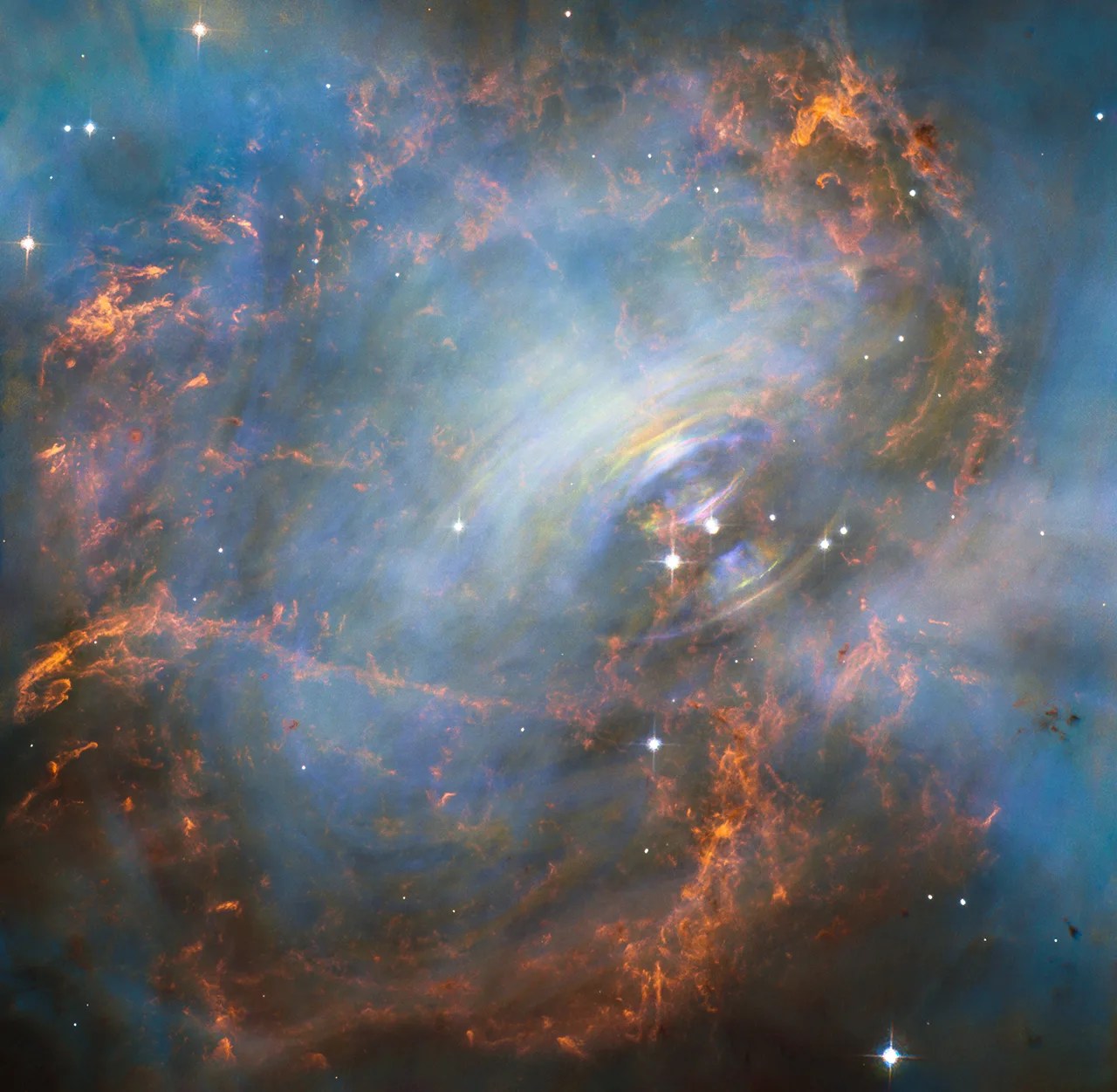
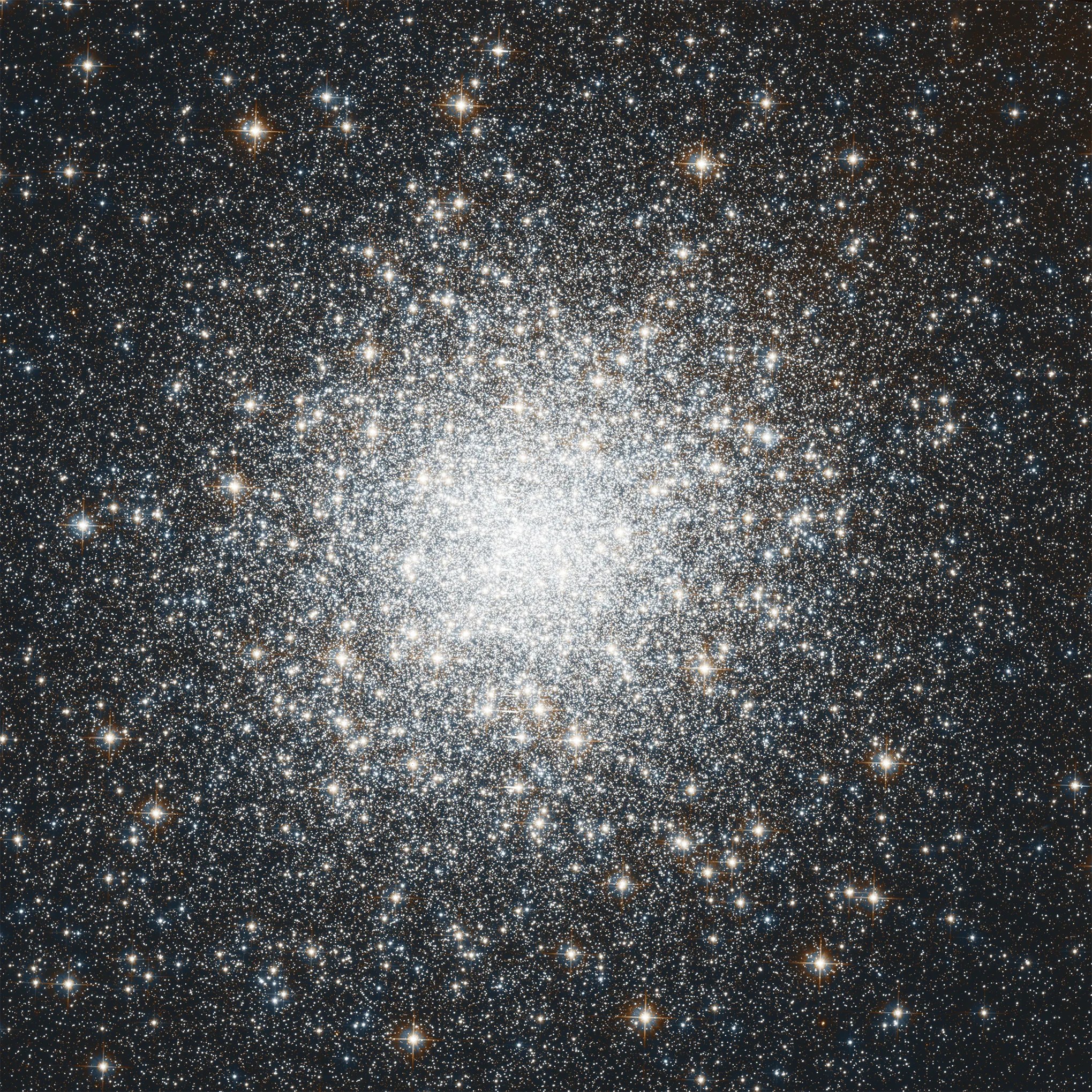
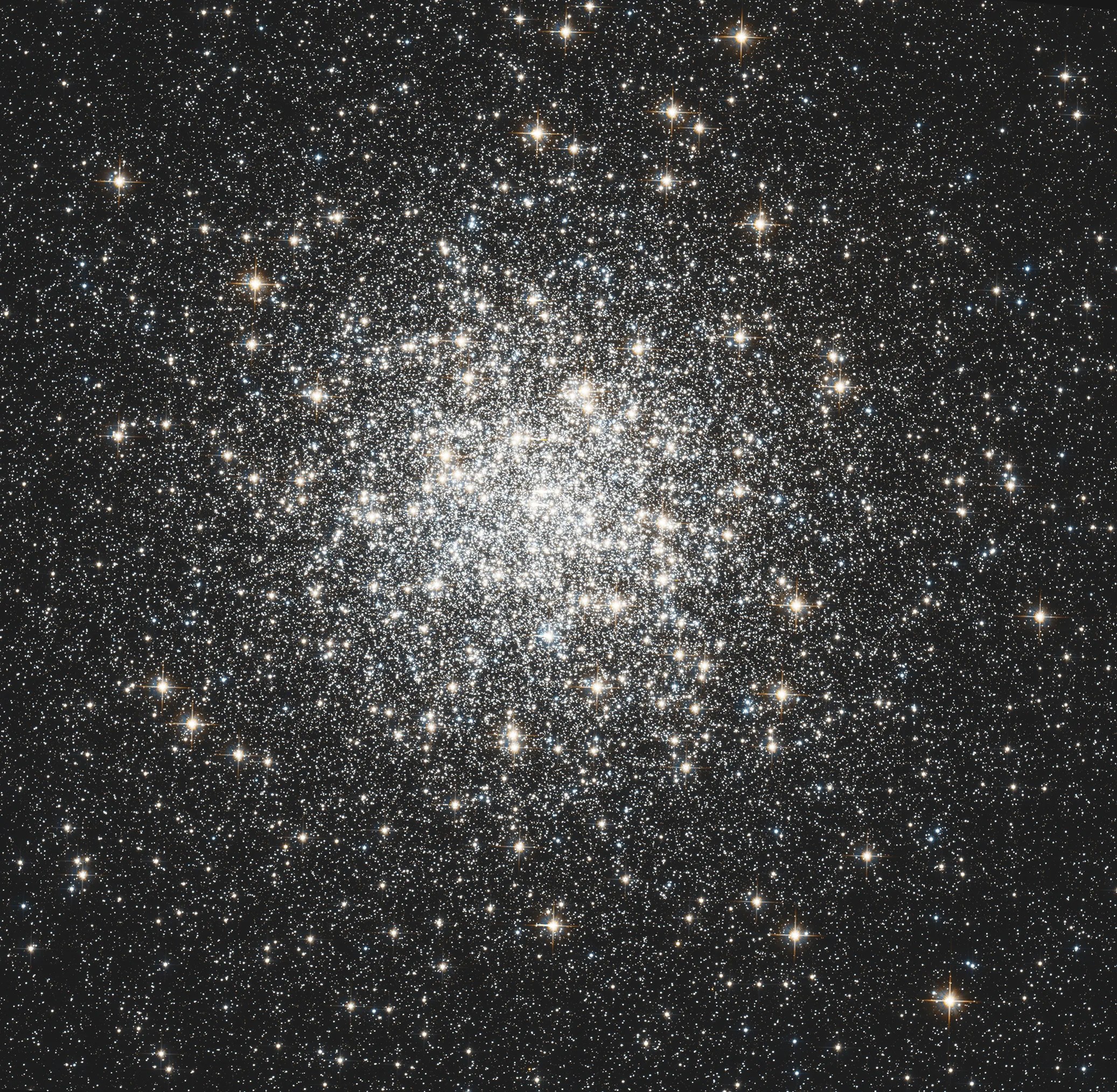
The Messier Catalog, compiled by astronomer Charles Messier in the 18th Century and revised over the years, includes some of the most familiar astronomical objects that we can see from Earth’s Northern Hemisphere.
Explore the Messier Catalog about Hubble's Messier Catalog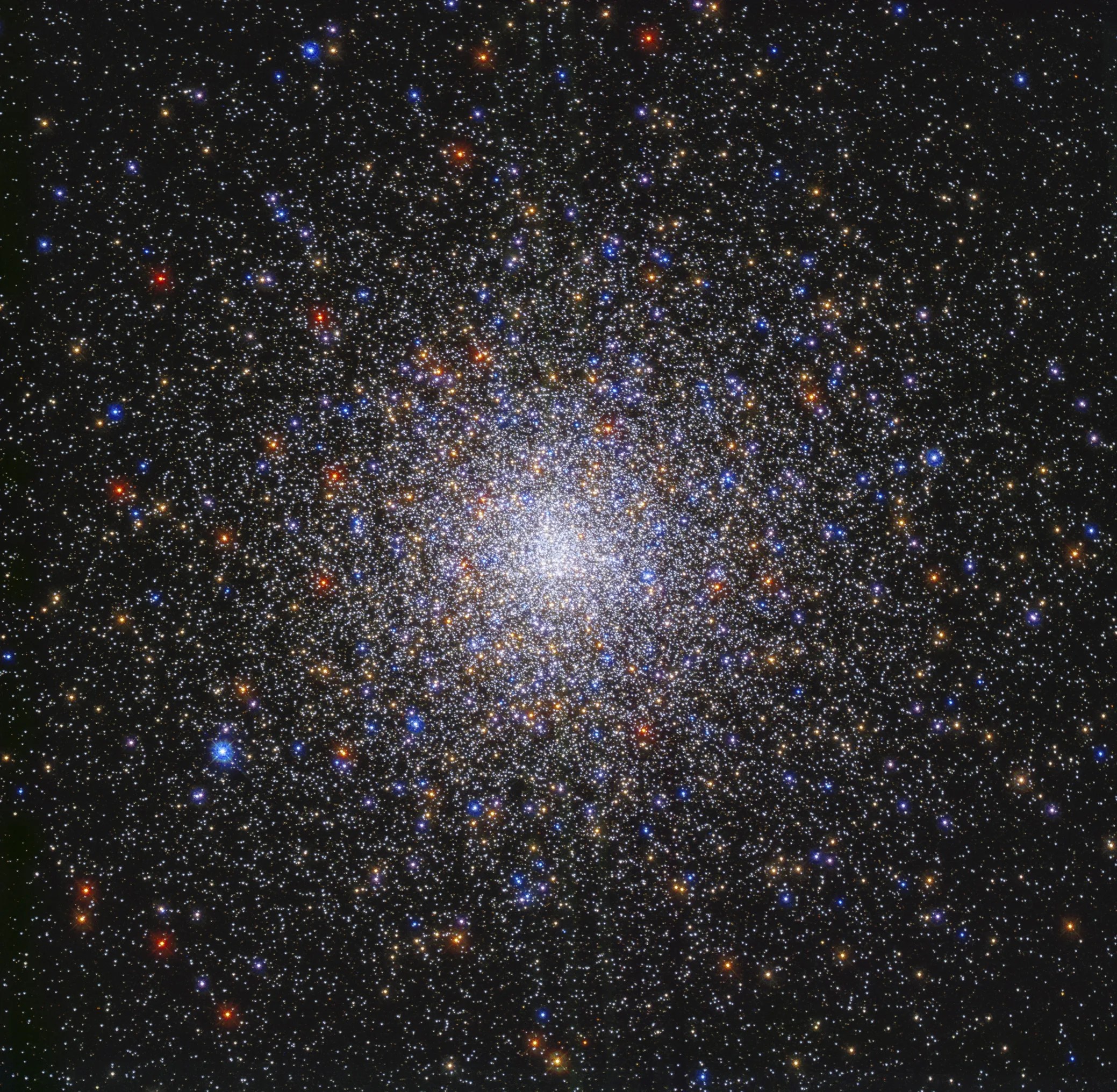
Hubble’s Messier Catalog




Hubble's Caldwell Catalog
The Caldwell Catalog goes beyond the work of Charles Messier, offering backyard astronomers more cosmic wonders to explore.
In the 1980s, Sir Patrick Moore compiled an additional list of night sky objects for backyard astronomers. Unlike Messier's catalog, which only features objects visible from Charles Messier’s viewing location in Europe, Moore’s Caldwell catalog includes celestial bodies found in both the northern and southern skies.
Explore the Caldwell Catalog about Hubble's Caldwell Catalog
Hubble’s Caldwell Catalog





Observing the Night Sky
What's Up
Your monthly video guide to the night sky from NASA
Each month, NASA's skywatching video series shares highlights to help you prepare for your stargazing adventures and feel more connected to the real places NASA explores.
Learn More about What's Up