According to 35U.S.C. § 119 (e), the application requires U.S. Provisional Application number 61/499, and 930(2011 submitted to June 22) priority, its content whole is incorporated herein by reference.
The specific embodiment
Definition
In order more easily to understand the present invention, first by as follows some term definition; Those of ordinary skills will be understood that and understand use and the scopes of following defined and/or these terms of otherwise using in this article.
Activator: term as used herein " activator " refers to compared with the level and/or activity of target entity (target entity) when activator does not exist under comparable conditions, has improved level and/or the active reagent of target entity.For example, when under comparable conditions, activator does not exist compared with the level and/or activity of target entity, activator can be by the level of target entity and/or active raising at least about 5%, comprises at least about 10%, at least about 15%, at least about 20%, at least about 30%, at least about 40%, at least about 50%, at least about 60%, at least about 70%, at least about 80%, at least about 90%, at least about 95% or more.In some embodiments, activator is by the level of its target entity and/or the active point in scope that pre-determines that is increased to reference levels and/or activity.In some embodiments, reference levels and/or activity are level and/or the activity that target entity is observed by the wild type version under its natural surroundings.In some embodiments, activator is directly bonded to its target.In some embodiments, activator indirectly in conjunction with (that is, by with the physics that is bonded to described target independently (physically distinct) entity be combined).In some embodiments, no matter be direct or indirectly, activator and its target, all without Physical interaction, (for example, are bonded to the regulatory site in the nucleic acid that increases target expression but pass through other effect; Activation or suppress to modify target and change its active enzyme etc.) improved level and/or the activity of target.In some embodiments, the half-life (half-life) that activator is stablized and/or improved its target entity.In some embodiments, activator makes its target entity be maintained specific three-dimensional conformation.In some embodiments, activator and inhibitor competition are bonded to its target entity.In some embodiments, activator prevents or reduces the gathering of target entity.In some embodiments, activator is stablized the interaction of its target entity and another entity (for example, substrate protein white matter, RNA or DNA, micromolecule, peptide or carbohydrate).In some embodiments, activator is bonded to target entity, and compared with the interaction of target entity and another entity, has increased described interaction when activator does not exist under comparable conditions.In some embodiments, compared with the level and/or activity of target entity, the target entity of activator mediation and the interactional increase of another entity have improved level and/or the activity of this target entity when under comparable conditions, activator does not exist.In some embodiments, activator is bonded to target entity, and compared with the interaction of target entity and another entity, has reduced described interaction when activator does not exist under comparable conditions.In some embodiments, compared with the level and/or activity of target entity, the target entity of activator mediation and the interactional minimizing of another entity have improved level and/or the activity of this target entity when under comparable conditions, activator does not exist.Under normal circumstances, activator can be the compound (for example, micromolecule, metal, nucleic acid, polypeptide, lipid and/or carbohydrate) of any chemical classes or the compound that can comprise any chemical classes.In some embodiments, activator is antibody or antibody analog (mimic) or comprises antibody or antibody analog.In some embodiments, activator is nucleic acid reagent reagent (for example, antisense oligonucleotide, siRNA, shRNA etc.) or its analogies or comprises nucleic acid reagent or its analogies.In some embodiments, activator is micromolecule or comprises micromolecule.In some embodiments, activator is naturally occurring compound (for example, micromolecule) or comprises naturally occurring compound.In some embodiments, activator has the chemical constitution of artificial generation and/or modification.Under normal circumstances, activator improves level or the activity of one or more target entities that are present in cell or organism and/or generated by cell or organism.In some embodiments, target entity is polypeptide or comprises polypeptide.In some embodiments, target entity is nucleic acid (for example, the nucleic acid of coding or regulation and control [for example,, by changing its expression and/or activity] polypeptide) or comprises nucleic acid.In some embodiments, target entity is carbohydrate or comprises carbohydrate.In some embodiments, target entity is lipid or comprises lipid.In some embodiments, target entity is enzyme or comprises enzyme.In some embodiments, target entity is lysosomal enzyme or comprises lysosomal enzyme.In some embodiments, target entity is participate in the polypeptide of cell transportation or comprise the polypeptide that participates in cell transportation.
Amyloid disease: term as used herein " amyloid disease (amyloidopathy) " or " (amyloidopathic) of amyloid disease " refer to the pathology of the protein that shows amyloid conformation (that is, beta-pleated sheet) of any disease association and gather relevant disease, obstacle and/or disease; Or refer to it is characterized in that any disease association show amyloid conformation (, beta-pleated sheet) the pathology of protein disease, obstacle and/or the disease gathered, described disease, obstacle and/or disease include but not limited to Alzheimer, vascular dementia and cognitive decrease.
Antioxidant: term as used herein " antioxidant " refers to the entity that suppresses the oxidation of another entity, nitrated or nitrosylation, for example, the combination of micromolecule, polypeptide, nucleic acid, saccharide, lipid, inorganic reagent (for example, metal and mineral etc.) or above-mentioned entity.
Beta-galactosidase polypeptides: term as used herein " beta-galactosidase polypeptides (β-galactosidase polypeptide or beta-gal polypeptide) " refers to the polypeptide as beta galactosidase.Those of ordinary skills will be understood that beta galactosidase is the hydrolytic enzyme of β-hydrolysis of glycoside bond of forming between catalysis galactose and organic moiety thereof.Beta galactosidase has different Subcellular Localization, that is, beta galactosidase hypotype 1 is positioned at lysosome, and beta galactosidase hypotype 2 is positioned at region of cytoplasmic core week.The substrate of beta galactosidase comprises ganglioside G
m1, lactose ceramide, lactose and various glycoprotein.Representative known beta-galactosidase polypeptides comprises those materials of listing in the following Table 1.
In some embodiments, beta-galactosidase polypeptides is beta-galactosidase polypeptides homologue (homolog).Term " beta-galactosidase polypeptides homologue " comprises such polypeptide: at least one sequential element that its aminoacid sequence comprises the conserved residues in the polypeptide that contains table 1; In some such embodiments, this sequential element comprises at least 3,4,5,6,7,8,9,10 or more homogeneity (identity) and relative position is retained the residue getting off.In some embodiments, this sequential element comprises at least 3,4,5,6,7,8,9,10 or more (consecutive) residue continuously.Alternately or additionally, in some embodiments, " beta-galactosidase polypeptides homologue " be such polypeptide or comprise such polypeptide: its aminoacid sequence demonstrate with table 1 in one or more polypeptide have at least 50%, 55%, 60%, 65%, 70%, 75%, 80%, 85%, 90%, 95%, 96%, 97%, 98%, 99% or higher overall sequence homogeneity; And/or one or more polypeptide in its aminoacid sequence and table 1 are shared at least one characteristic sequence element.In some embodiments, one or more catalytic residues and/or one or more conserved residues in the polypeptide that this characteristic sequence element comprises table 1.
Calcium channel blocker: term " calcium channel blocker " refers to the reagent of blocking voltage dependent calcium channel.The synonym of term " calcium channel blocker " is that calcium-channel antagonists, ockers and calcium enter blocker (calcium entry blockers), and these terms are used interchangeably in this article.Exemplary calcium channel blocker includes but not limited to amlodipine (amlodipine), felodipine (felodipine), Isradipine (isradipine), lacidipine (lacidipine), nicardipine (nicardipine), nifedipine (nifedipine), niguldipine (niguldipine), niludipine (niludipine), nimodipine (nimodipine), nisoldipine (nisoldipine), nitrendipine (nitrendipine), nilvadipine (nivaldipine), Rui Xiding (ryosidine), anipamil (anipamil), diltiazem
(diltiazem), fendiline (fendiline), flunarizine (flunarizine), Gallopamil (gallopamil), mibefradil (mibefradil), prenylamine (prenylamine), tiapamil (tiapamil), verapamil (verapamil), perhexiline maleate (perhexyline maleate), fendiline, prenylamine, and the derivant of calcium channel blocker arbitrarily in above-mentioned calcium channel blocker.
Characteristic sequence element (characteristic sequence element): term " characteristic sequence element " refers to the distinctive core sequence or the structural detail that are found in polypeptide, micromolecule or all members of nucleic acid family, therefore can be used for defining family member by those of ordinary skills.
Conjoint therapy: term " conjoint therapy " refers to two or more different medicaments are given with overlapping scheme, thereby makes experimenter expose (exposed) in the situation of two or more reagent simultaneously.
Comparable (comparable): term " comparable " is used for describing two groups (or more groups) enough similar conditioned disjunction environment each other in this article, to allow the result to obtaining or the phenomenon of observing to compare.In some embodiments, comparable condition group or set of circumstances are characterised in that to have multiple substantially the same features and one or the different feature of minority.What those skilled in the art will appreciate that is, when condition group is with the essentially identical feature that is characterized as of sufficient amount and type, thereby guarantee that following conclusion is rational: under different condition groups or set of circumstances, not being both by the change of those different features between the result obtaining or the phenomenon of observing is caused or represented by their change, and described condition group is comparable each other.
Dosage regimen: as used herein, " dosage regimen (dosing regimen) " or " therapeutic scheme (therapeutic regimen) " refers to unit dose (conventionally more than one) group that gives separately experimenter, conventionally spaced apart by the time period.In some embodiments, given therapeutic agent has the dosage regimen of recommendation, and described scheme may relate to one or more dosage.In some embodiments, dosage regimen comprises multiple dosage, the time period of each the equal each interval equal length in multiple dosage; In some embodiments, dosage regimen comprises multiple dosage, and single spacing of doses is opened by least two different time periods.In some embodiments, all dosage in dosage regimen are the amount of same unit dosage.In some embodiments, in dosage regimen, various dose is different amount.In some embodiments, the first dosage that dosage regimen comprises the amount in the first dosage, continues with one or more in being different from the extra dose of amount of the second dosage of amount of the first dosage.In some embodiments, the first dosage that dosage regimen comprises the amount in the first dosage, the extra dose of with one or more amount in second dosage identical with the amount of the first dosage of continuing.
Algucerase (enzyme replacement therapy): term as used herein " algucerase " refers to and gives this type of experimenter by enzyme: with by same species (for example, people) the viewed meansigma methods of colony of normal individual compare, described experimenter demonstrated the enzyme activity level of reduction before this gives.
Be equal to dosage (equivalent dosage): term " is equal to dosage " in this article for relatively producing the dosage of different pharmaceutically active agents of identical biological result.According to the present invention, if the dosage of two kinds of different reagent reaches comparable biological result level or degree, the dosage of these two kinds of different reagent is considered to each other " being equal to ".In some embodiments, use external and/or in vivo test to be as described herein identified for the dosage that is equal to according to different medicaments of the present invention.In some embodiments, for one or more lysosome activators according to the present invention, to be equal to reference to the dosage of the dosage of lysosome activator, use; In some these type of embodiments; reference lysosome activator for this object is selected from the group being comprised of following lysosome activator: micromolecule allosteric activator (for example; pyrazoles pyrimidine (pyrazolpyrimidines)), iminosugar (imminosugars) (for example; isofagomine (isofagomine)), antioxidant (for example; N-acetyl-cysteine) and cell transportation regulator (for example, Rab1a polypeptide).
Gain-of-function disease (gain of function diseases): the disease that the relevant proteotoxicity of gathering that term " gain-of-function disease " typically refers to increase is feature.In such disease, assemble and exceeded in cell and/or extracellular removing.Gain-of-function disease with old and feeble relevant, is also referred to as toxicity gain-of-function disease conventionally.Exemplary gain-of-function disease includes but not limited to, the relevant neurodegenerative diseases of gathering that the gathering repeating with poly glumine in protein or other aminoacid (as alanine) repeat, lewy body disease, and other obstacle relevant with alpha-synuclein aggregation, amyotrophic lateral sclerosis, the gathering disease (transthyretin-associated aggregation disease) that transthyretin is relevant, Alzheimer, old and feeble relevant degeneration of macula, inclusion body myositis (inclusion body myositosis) and prion disease.Assemble relevant neurodegenerative diseases to poly glumine and include but not limited to, several forms and the spinal cord bulbar muscular atrophy of Huntington's disease, dentate nucleus-rubrum-pallidum-subthalamic nuclei atrophy (dentatorubral and pallidoluysian atrophy), spinal cord-cerebellar ataxia.Alzheimer is characterised in that the formation of the aggregation of two types: the interior aggregation of cell cell interior and extracellular aggregation and microtubule-associated protein tau of A β peptide.The gathering disease that transthyretin is relevant comprises, for example, senile SA, familial amyloid neuropathy (familial amyloidotic neuropathy), familial amyloid sample cardiomyopathy (familial amyloid cardiomyopathy).Lewy body disease is characterised in that the gathering of alpha-synapse nucleoprotein, comprises, for example, parkinson.Prion disease (also referred to as Transmissible spongiform encephalopathy) is characterised in that the gathering of prion protein.Exemplary people's prion disease is Creutzfeldt-Jakob disease (CJD), anomaly Creutzfeldt-Jakob disease, Gerstmann-Straussler-Scheinker syndrome.Fatal familial insomnia and Kuru disease (Kuru).
Gene therapy: term " gene therapy " refers to and gives experimenter (for example, human experimenter) by the nucleic acid of the coded polypeptide nucleic acid of the nucleic acid for example coming by reverse transcription (or derived from) as used herein.In multiple embodiments, carry out such giving, make after giving in experimenter's cell or by polypeptide described in experimenter's cellular expression.Nucleic acid can be integrated into the genome of cell, or forever be retained in cell as episome (episome) (genetic particle of some cell, described genetic particle can independently be present in Cytoplasm or as a chromosomal part).Gene therapy also comprises not integrating or forever do not remain in sending of nucleic acid in the cell that they send.
Ceramide glucoside enzyme polypeptide: term as used herein " ceramide glucoside enzyme polypeptide " refers to the polypeptide into β-glucocerebrosidase.Those skilled in the art will appreciate that, find that glucocerebrosidase is present in lysosome natively, in lysosome, the β-glycosidic bond of ceramide glucoside enzyme hydrolysis glucosylceramide.This naturally occurring glucocerebrosidase is also referred to as acid β-glucosyl enzym, alglucerase (alglucerase), β-glucocerebrosidase, D-glucityl-N-acyl sphingosine glucose hydrolytic enzyme, GBA1, Glcm_ people, Gluc, glucocerebrosidase β-glucosyl enzym, glucose sphingol glucose hydrolytic enzyme (glucosphingosine glucosylhydrolase), glucosylceramidase, glucosylceramide β-glucosyl enzym, or Imiglucerase (imiglucerase).Representative known ceramide glucoside enzyme polypeptide is included in below listed ceramide glucoside enzyme polypeptide in table 2.
In some embodiments, ceramide glucoside enzyme polypeptide can be the homologue of ceramide glucoside enzyme polypeptide.Term " homologue of ceramide glucoside enzyme polypeptide " comprises such polypeptide: at least one sequential element that its aminoacid sequence comprises the conserved residues in the polypeptide that contains table 2; In some such embodiments, this sequential element comprises at least 3,4,5,6,7,8,9,10 or more homogeneity and relative position is retained the residue getting off.In some embodiments, this sequential element comprises at least 3,4,5,6,7,8,9,10 or more continuous residue.Alternately or additionally, in some embodiments, " homologue of ceramide glucoside enzyme polypeptide " be such polypeptide or comprise such polypeptide: its aminoacid sequence demonstrate with table 2 in one or more polypeptide have at least 50%, 55%, 60%, 65%, 70%, 75%, 80%, 85%, 90%, 95%, 96%, 97%, 98%, 99% or higher overall sequence homogeneity; And/or one or more polypeptide in its aminoacid sequence and table 2 are shared at least one characteristic sequence element.In some embodiments, one or more catalytic residues and/or one or more conserved residues in the polypeptide that this characteristic sequence element comprises table 2.
Glucosylceramide synthase polypeptide: term as used herein " glucosylceramide synthase polypeptide " refers to such polypeptide: described polypeptide is shared at least one characteristic sequence element and/or overall sequence homogeneity with the glucosyltransferase that the glycosyl sphingolipid (glycosphingolipids) participating in based on glucosylceramide is produced, and demonstrates similarly glycosyl transferase activity.In natural situation, glucosylceramide synthase by by glucosylation to ceramide, regulate and be called ganglioside (as G
m3) the production of glycosyl sphingolipid conjugate.Representative known glucosylceramide synthase polypeptide comprises the glucosylceramide synthase polypeptide of listing in the following Table 3.In some embodiments, the such polypeptide of glucosylceramide synthase polypeptide or comprise such polypeptide: at least one element that its aminoacid sequence comprises the conserved residues in the polypeptide that contains table 3.
In some embodiments, glucosylceramide synthase polypeptide can be the homologue of glucosylceramide synthase polypeptide.Term " homologue of glucosylceramide synthase polypeptide " comprises such polypeptide: at least one sequential element that its aminoacid sequence comprises the conserved residues in the polypeptide that contains table 3; In some such embodiments, this sequential element comprises at least 3,4,5,6,7,8,9,10 or more homogeneity and relative position is retained the residue getting off.In some embodiments, this sequential element comprises at least 3,4,5,6,7,8,9,10 or more continuous residue.Alternately or additionally, in some embodiments, " homologue of glucosylceramide synthase polypeptide " be such polypeptide or comprise such polypeptide: its aminoacid sequence demonstrate with table 3 in one or more polypeptide have at least 50%, 55%, 60%, 65%, 70%, 75%, 80%, 85%, 90%, 95%, 96%, 97%, 98%, 99% or higher overall sequence homogeneity; And/or one or more polypeptide in its aminoacid sequence and table 3 are shared at least one characteristic sequence element.In some embodiments, one or more catalytic residues and/or one or more conserved residues in the polypeptide that this characteristic sequence element comprises table 3.
Hexosaminidase polypeptide: term as used herein " hexosaminidase polypeptide " or " Hex polypeptide " refer to the polypeptide into Hex.Those of ordinary skills will be understood that Hex participates in the hydrolysis of the end N-acetyl group-D-aminohexose residue in N-acetyl group-β-D-aminohexose.Hex and cofactor G
m2activated protein catalysis G
m2ganglioside and containing the degraded of other molecule of end N-acetyl-amino hexose.Lysosome Hex is structurally dimer, and by three kinds of active dimer isozymes of combination results of α-subunit and β-subunit (respectively by HEXA and HEXB gene code).Hexosaminidase isozyme A can be hydrolyzed G in vivo
m2ganglioside, and there is the composition of α/β heterodimer subunit.Hexosaminidase isozyme B has the composition of β/β homodimer subunit, and hexosaminidase isozyme S has the composition of α/α homodimer subunit.Representative known hexosaminidase polypeptide comprises the hexosaminidase polypeptide of listing in the following Table 4.
In some embodiments, hexosaminidase polypeptide can be the homologue of hexosaminidase polypeptide.Term " homologue of hexosaminidase polypeptide " comprises such polypeptide: at least one sequential element that its aminoacid sequence comprises the conserved residues in the polypeptide that contains table 4; In some such embodiments, this sequential element comprises at least 3,4,5,6,7,8,9,10 or more homogeneity and relative position is retained the residue getting off.In some embodiments, this sequential element comprises at least 3,4,5,6,7,8,9,10 or more continuous residue.Alternately or additionally, in some embodiments, " homologue of hexosaminidase polypeptide " be such polypeptide or comprise such polypeptide: its aminoacid sequence demonstrate with table 4 in one or more polypeptide have at least 50%, 55%, 60%, 65%, 70%, 75%, 80%, 85%, 90%, 95%, 96%, 97%, 98%, 99% or higher overall sequence homogeneity; And/or one or more polypeptide in its aminoacid sequence and table 4 are shared at least one characteristic sequence element.In some embodiments, one or more catalytic residues and/or one or more conserved residues in the polypeptide that this characteristic sequence element comprises table 4.
Improve, improve or reduce: the term that term as used herein " improvement ", " raising " or " reduction " or grammer are equal to represents the value with respect to reference measurement values.In some embodiments, reference measurement values is to obtain under comparable condition.In some embodiments, reference measurement values is history value (historical value) or comprises history value.In some embodiments, reference measurement values is for example, at different time (, before particular treatment or event start) measured value in same individuality or be included in the measured value of different time in same individuality.In some embodiments, reference measurement values is the measured value in contrast individual (or multiple contrast is individual) or is included in the measured value in contrast individual (or multiple contrast is individual); In some such embodiments, " contrast " individuality is such individuality: a) be not yet exposed to specific treatment or event; And/or b) demonstrate susceptibility (susceptibility) or painful (affliction) of (comparing with test individuality) different to protein sickness, but for example, for example, optionally with individual one or more following characteristics of sharing of test: race, age are (, as approximate within the specific limits), body weight (for example, as approximate within the specific limits), height (for example,, as approximate within the specific limits), disposition, residence (geographic residence), dietary habit, motor habit etc.In some embodiments, reference measurement values is (for example, do not occur or never occur in the arranging of such treatment or event) obtained measured value in different setting (setting).
Afunction disease (loss of function disease): term " afunction disease " typically refers to so that the poor efficiency by protein is folding and causes that the excessive degradation of protein is as the disease of feature.Exemplary afunction disease includes but not limited to, cystic fibrosis, lysosomal storage disease and Von Hippel-Lindau(VHL) disease.In cystic fibrosis, mutant enzyme or defect enzyme are cystic fibrosis transmembrance regulator (CFTR).The modal a kind of sudden change of this albumen is Δ F508, and Δ F508 is the deletion (Δ) of 3 nucleotide, causes on protein the forfeiture of the aminoacid phenylalanine (F) of 508.
Lysosomal enzyme: term as used herein " lysosomal enzyme " refers to the enzyme of bringing into play function in lysosome.The example of some lysosomal enzymes includes but not limited to, alpha-galactosidase A, β-glucosyl enzym, alpha-Glucosidase, Hex A, Hex B, α-L-iduronidase (α-L-iduronidase), beta galactosidase, β-glucuronidase (β-glucuronidase), α-glucuronidase, Alpha-Fucosidase, sulfatase, acid ceramidase, NPC1, ASM, cathepsin (A, D, H, S and Z), H (+)-ATP enzyme, sialidase, beta galactose cerebrosidase, aryl sulfatase, IDS (iduronate-2-sulfatase), heparan N-sulfatase, alpha-N-acetamino glucosidase, alpha-amido glucoside N-acetyltransferase, N-acetyl-glucosamine-6-sulfuric ester sulfatase, N-acetylgalactosamine-6-sulfuric ester sulfatase, ARB, acid alpha-Mannosidase, acid beta-Mannosidase, acid alpha-L-fucosidase, α-N-acetylneuraminic acid enzyme, β-NAG glycosides enzyme, and NAGA.Representative known lysosomal enzyme is included in the lysosomal enzyme of listing in table 5 below.In some embodiments, lysosomal enzyme can be lysosomal enzyme homologue." lysosomal enzyme homologue " is such polypeptide or comprises such polypeptide: at least one sequential element that its aminoacid sequence comprises the conserved residues in the polypeptide that contains table 5; In some such embodiments, this sequential element comprises at least 3,4,5,6,7,8,9,10 or more homogeneity and relative position is retained the residue getting off.In some embodiments, this sequential element comprises at least 3,4,5,6,7,8,9,10 or more continuous residue.Alternately or additionally, in some embodiments, " lysosomal enzyme homologue " be such polypeptide or comprise such polypeptide: its aminoacid sequence demonstrate with table 5 in one or more polypeptide have at least 50%, 55%, 60%, 65%, 70%, 75%, 80%, 85%, 90%, 95%, 96%, 97%, 98%, 99% or higher overall sequence homogeneity; And/or one or more polypeptide in its aminoacid sequence and table 5 are shared at least one characteristic sequence element.In some embodiments, one or more catalytic residues and/or one or more conserved residues in the polypeptide that this characteristic sequence element comprises table 5.
Lysosomal storage disease: term as used herein " lysosomal storage disease " by least one enzyme (for example refers to, acid hydrolase) one group of genetic block (genetic disorders) of causing of defect, in lysosome, need described enzyme that macromole is decomposed into peptide, aminoacid, monosaccharide, nucleic acid and fatty acid.Lysosomal storage disease may be to be caused by the non-lysosomal protein may or may not have with enzymatic activity, for example participate in acid hydrolase to be transported to the shortage of lysosomal protein, for example lysosome AQP-CHIP 2(lysosomal integral membrane protein2, LIMP2); The shortage of for example finding in multiple sulfatase deficiency disease (MSD), participate in the resident albumen of ER of the post translational modification of acid hydrolase; The shortage of finding in Golgi body, participate in acid hydrolase and other lysosomal protein to be transported to the protein in lysosome chamber, for example N-acetyl-glucosamine-1-phosphotransferase of shortage in cell inclusion disease (Inclusion cell disease) (I-cell disease); The shortage of acidic hydrolysis enzyme cofactor, as sphingolipid activator protein (saposin A, B, C, D); The shortage of synexin, for example, cause the shortage of the ceroid lipofuscinosis neuronal protein (CLN1-9) of neuronal ceroid lipofuscinosis (NCL); Participation is transported to lysosome by the substrate of acid hydrolase, or the shortage of the protein that the metabolite of acid hydrolase is transported out by lysosome, the Niemann-Pick C type protein (a kind of cholesterol transport albumen) for example lacking in Niemann-Pick C type (NPC); And the substrate of acid hydrolase is for example sent, into the lysosome receptor of lysosome inner chamber or the shortage of transport protein, the LAMP2A lacking in Dannon disease.Consequently, the individuality of suffering from lysosomal storage disease exists material to gather in lysosome.Representative lysosomal storage disease comprises listed in the following Table 10 lysosomal storage disease.
Mutant: term as used herein " mutant " refers to compared with reference entity, demonstrate there is significant structure homogeneity from reference entity but structurally with reference entity different entity in the existence of one or more chemical parts or level.In multiple embodiments, mutant is also different from its reference entity in function.Under normal circumstances, the degree of the structure homogeneity based on special entity and reference entity, suitably considers whether special entity is " mutant " of reference entity.It will be appreciated by those skilled in the art that any reference biomolecule entity or chemical reference entity have specific feature structure element (characteristic structural elements).Mutant as its name suggests, is the different chemical entities that has one or more such feature structure elements.Only provide some examples, micromolecule (for example can have feature core texture element, macro ring core) and/or one or more feature side group part (pendent moieties), so that micromolecular mutant is following molecule: share core texture element and feature side group part, but exist the type (singly-bound is with respect to two keys, E with respect to Z etc.) of different and/or key in core to have different molecules in other side group part; Polypeptide can have the characteristic sequence element being comprised of multiple aminoacid, and described aminoacid has to each other the relative position of appointment in linear space or three dimensions, and/or contributes to specific biological function; Nucleic acid can have the characteristic sequence element being comprised of multiple nucleotide residues, and described nucleotide residue has to each other the relative position of appointment in linear space or three dimensions.For example, mutant polypeptide can be different from reference polypeptide due to one or more differences in aminoacid sequence and/or for example, due to one or more differences in the covalently bound chemical part to polypeptide backbone (, carbohydrate, lipid etc.).In some embodiments, mutant polypeptide demonstrates the overall sequence homogeneity with reference polypeptide with at least 85%, 86%, 87%, 88%, 89%, 90%, 91%, 92%, 93%, 94%, 95%, 96%, 97% or 99%.Alternately or additionally, in some embodiments, mutant polypeptide is not shared at least one characteristic sequence element with reference polypeptide.In some embodiments, reference polypeptide has one or more biological activitys.In some embodiments, mutant polypeptide is shared one or more biological activitys of reference polypeptide.In some embodiments, one or more biological activitys of mutant polypeptide disappearance reference polypeptide.In some embodiments, compared with reference polypeptide, mutant polypeptide demonstrates one or more biologically active levels of reduction.
Pharmaceutical composition: term as used herein " pharmaceutical composition " refers to and the active agent of preparing together with one or more pharmaceutically acceptable carriers.In some embodiments, active agent exists with the amount of the unit dose that is suitable for giving in therapeutic scheme, and when giving Reference Group, described therapeutic scheme shows the statistically significant probability (probability) that reaches expection therapeutic effect.In some embodiments, pharmaceutical composition can be mixed with especially with solid or liquid form administration, comprise being mixed with and be suitable for following form of medication: oral administration, for example, draught (drenches) (aqueous or nonaqueous solution or suspension), the tablet tablet of oral cavity, Sublingual and systemic Absorption (for example for), bolus (boluses), powder, granule, for being applied to the paste of tongue; Parenteral, for example, as aseptic solution or suspension or slow releasing preparation, through subcutaneous injection, intramuscular injection, intravenous injection or epidural injection; Local application, for example, with unguentum (cream), ointment (oitment) or control-released plaster or spray application to skin, pulmonary or oral cavity; Intravaginal administration or drop rectum with drug, for example vaginal suppository (pessary), unguentum or foam; Sublingual administration; Dosing eyes; Percutaneous dosing; Or nasal administration, pulmonary administration and be administered to other mucomembranous surface.
Pharmaceutically acceptable: the phrase " pharmaceutically acceptable " using herein refers within the scope of sound medical judgment, be applicable to contact with human and animal's tissue, and without excessive toxicity, zest, anaphylaxis or other problem or complication, with rational interests/risk than those compounds, material, compositions and/or the dosage form that match.
Pharmaceutically acceptable carrier: term as used herein " pharmaceutically acceptable carrier " refers to and participates in motif compound by organ or the position delivery of health or be transported to another organ of health or pharmaceutically acceptable material, compositions or the adjuvant at position, as liquid or solid filler, diluent, excipient or solvent encapsulating material.With preparation in other composition compatible and can the meaning of patient harm on, every kind of carrier must be all " acceptable ".Some examples that can serve as the material of pharmaceutically acceptable carrier comprise: saccharide, as lactose, dextrose plus saccharose; Starch based, as corn starch and potato starch; Cellulose and derivant thereof, as sodium carboxymethyl cellulose, ethyl cellulose and cellulose ethanoate; Powdered tragacanth; Fructus Hordei Germinatus; Gelatin; Talcum; Excipient, as cocoa butter and suppository wax (suppository waxes); Oils, as Oleum Arachidis hypogaeae semen, Oleum Gossypii semen, safflower oil, Oleum sesami, olive oil, Semen Maydis oil and soybean oil; Glycols, as propylene glycol; Polyalcohols, as glycerol, sorbitol, mannitol and Polyethylene Glycol; Esters, as ethyl oleate and ethyl laurate; Agar; Buffer agent, as magnesium hydroxide and aluminium hydroxide; Alginic acid; Apirogen water (pyrogen-free water); Isotonic saline solution; Ringer's mixture; Ethanol; PH buffer solution; Polyesters, polycarbonate-based and/or poly-anhydrides; And other nontoxic compatible material using in pharmaceutical preparation.
Pharmaceutically acceptable salt: term as used herein " pharmaceutically acceptable salt " refers to the salt that is suitable for the compound using under pharmacy environment,, within the scope of sound medical judgment, be applicable to contact with people and zootic tissue, and without excessive toxicity, zest, anaphylaxis etc., with rational interests/risk than the salt matching.Pharmaceutically acceptable salt is in the art by people is known.For example, S.M.Berge etc. is at J.Pharmaceutical Sciences, 66:1-19(1977) in pharmaceutically acceptable salt be have been described in detail.In some embodiments, pharmaceutically acceptable salt includes but not limited to, nontoxic acid-addition salts, described nontoxic acid-addition salts is the salt forming with mineral acid or organic acid or use the amino group that method (for example ion exchange) that other this area is used forms, described mineral acid is hydrochloric acid, hydrobromic acid, phosphoric acid, sulphuric acid and perchloric acid for example, and described organic acid is acetic acid, maleic acid, tartaric acid, citric acid, succinic acid or malonic acid for example.In some embodiments, pharmaceutically acceptable salt includes but not limited to, adipate, alginate, Ascorbate, aspartate, benzene sulfonate, benzoate, disulfate, borate, butyrate, camphorate, camsilate, citrate, cyclopentane propionate, digluconate, lauryl sulfate, esilate, formates, fumarate, gluceptate, glycerophosphate, gluconate, Hemisulphate (hemisulfate), enanthate, caproate, hydriodate, 2-hydroxy-ethanesulfonate salt, Lactobionate (lactobionate), lactate, laruate, lauryl sulfate, malate, maleate, malonate, mesylate, 2-naphthalene sulfonate, nicotinate, nitrate, oleate, oxalates, palmitate, embonate (pamoate), pectate (pectinate), persulfate, 3-phenylpropionic acid salt, phosphate, picrate (picrate), Pivalate (pivalate), propionate, stearate, succinate, sulfate, tartrate, rhodanate, tosilate, hendecane hydrochlorate, valerate etc.Representative alkali metal or alkali salt relate to sodium, lithium, potassium, calcium, magnesium etc.In some embodiments, in suitable situation, pharmaceutically acceptable salt comprises nontoxic ammonium, quaternary ammonium and the amine cation of using counter ion (counterions) (for example halogenide, hydroxylate, carboxylate, sulfate, phosphate, nitrate, have alkyl, sulfonate and the arylsulphonate of 1 to 6 carbon atom) to form.
Polypeptide: conventionally, " polypeptide " is the string (string) that at least two residues (for example, aminoacid) are connected to each other to by peptide bond.In some embodiments, polypeptide comprises the one or more parts that are different from this residue.For example, in some embodiments, polypeptide comprises the one or more polysaccharide parts (glycan moieties) (for example, being glycopeptide) that are attached on its residue.In some embodiments, polypeptide comprises one or more polyalkylene glycol moieties (that is, for Pegylation).In some embodiments, polypeptide comprises the one or more polypeptide chains that connected or be associated by alternate manner by one or more disulfide bond.In some embodiments, polypeptide comprises amino acid residue.In some embodiments, polypeptide comprises one or more non-amino acid whose residues.In some embodiments, polypeptide comprises one or more amino acid residues that are not present in occurring in nature.
Pharmacology's molecular chaperones (pharmacological chaperone): term as used herein " pharmacology's molecular chaperones " refers to and is bonded to specifically protein and has one or more the molecule (as micromolecule, polypeptide, nucleic acid, lipid or carbohydrate) in following effect: the formation that improves protein stabilization molecular conformation; Induced protein is the transportation to another cell site by ER, and preferably n cell site, prevents the ER-related degradation of protein that is; Prevent the gathering of misfolded protein matter; And/or at least part of wild type function and/or the activity of reply (restoring) or Enhancin matter.For example, in some embodiments, pharmacology's molecular chaperones acts on one or more lysosomal enzymes.In some such embodiments, pharmacology's molecular chaperones is the entity that is bonded to lysosomal enzyme, and viewed result while making not exist with respect to this pharmacology's molecular chaperones has improved its correctly folding, transportation, non-gathering and/or activity.
Protein sickness: term as used herein " protein sickness " or " (proteinopathic) of protein sickness " refer to the pathogenic gathering of the protein of one or more types and/or gather relevant disease, obstacle and/or disease, described protein for example but be not limited to alpha-synapse nucleoprotein, amyloid-beta and/or Protein tau.In some embodiments, protein sickness is characterised in that abnormal in for example, in the production of protein, folding, gathering, metabolism or degraded (, autophagy), transhipment etc. one or more.In some embodiments, protein sickness is neurodegenerative diseases.In some embodiments, protein sickness is inflammatory diseases.In some embodiments, protein sickness is cardiovascular disease.In some embodiments, protein sickness is proliferative disease.The example that is protein sickness such as synucleinopathies, Protein tau disease, amyloid disease, TDP-43 protein sickness and other concrete condition of illness.The exemplary protein that relates to protein sickness comprises: the alpha-synapse nucleoprotein in parkinson, lewy body disease and other synucleinopathies situation; Protein tau and amyloid-beta in Alzheimer and some other neurodegenerative diseases situation; SOD1 in amyotrophic lateral sclerosis situation and TDP-43; Huntington protein in Huntington's disease situation; Rhodopsin (rhodopsin) in retinitis pigmentosa (retinitis pigmentosa) situation; And relate to the protein of lysosomal storage disease.
Protein homeostasis: term " protein homeostasis (proteostasis or) " or " protein stable state (protein homeostasis) " refer to concentration, conformation, binding interactions (for example, quarternary structure) and the position of the protein that forms protein group.Protein homeostasis is subject to following factor impact: the chemical action of protein folding/false folding; And interact and numerous regulated and control networks of competition path biology (affect protein synthetic, fold, conformation, binding interactions, transportation, disaggregation and degraded).In some embodiments, for example, by changing level and/or the activity control protein homeostasis of one or more nucleic acid or protein.In some embodiments, by the change control protein homeostasis of transcribing and/or translating.
Rab polypeptide: term as used herein " Rab polypeptide " refers to the Rab family member sharing feature sequential element of little guanosine triphosphatase (GTPases) and/or the polypeptide of overall sequence homogeneity degree with the multiple steps that regulate vesicle transportation and film to merge, include but not limited to the exocytosis of the vesicle of endosome-lysosome system, neuronic synaptic vesicle, cell storage substance and newly synthetic protein is transported in Golgi body and Golgi body compartment by endoplasmic reticulum.The example of Rab polypeptide is Rab1a polypeptide.Table 6 provides the nucleotide sequence of coding Rab1a polypeptide.Table 6 provides Rab peptide sequence representative example.
In some embodiments, Rab polypeptide is the homologue of Rab polypeptide.Term " homologue of Rab polypeptide " comprises such polypeptide: at least one sequential element that its aminoacid sequence comprises the conserved residues in the polypeptide that contains table 6; In some such embodiments, this sequential element comprises at least 3,4,5,6,7,8,9,10 or more homogeneity and relative position is retained the residue getting off.In some embodiments, this sequential element comprises at least 3,4,5,6,7,8,9,10 or more continuous residue.Alternately or additionally, in some embodiments, " homologue of Rab polypeptide " be such polypeptide or comprise such polypeptide: its aminoacid sequence demonstrate with table 6 in one or more polypeptide have at least 50%, 55%, 60%, 65%, 70%, 75%, 80%, 85%, 90%, 95%, 96%, 97%, 98%, 99% or higher overall sequence homogeneity; And/or one or more polypeptide in its aminoacid sequence and table 6 are shared at least one characteristic sequence element.In some embodiments, one or more catalytic residues and/or one or more conserved residues in the polypeptide that this characteristic sequence element comprises table 6.
Sample: term as used herein " sample " refer to as described herein obtain from or derived from the biological sample in interested source.In some embodiments, interested source includes body, as animal or human.In some embodiments, biological sample comprises biological tissue or fluid.In some embodiments, biological sample is following material or comprises following material: bone marrow, blood, hemocyte, ascites, tissue or fine needle biopsy's sample, celliferous body fluid, the nucleic acid (free floating nucleic acids) of free floating, expectorant, saliva, urine, cerebrospinal fluid, peritoneal fluid, Pleural fluid, feces (feces), lymph fluid, gynecological's liquid (gynecological fluid), skin is wiped thing (swabs), vagina is wiped thing, thing is wiped in oral cavity, nasal cavity is wiped thing, washings or lavation thing (for example conduit lavation thing or bronchoalveolar lavage thing), extract (aspirates), scrape thing (scrapings), bone marrow sample, biopsy sample, surgical samples, feces, other body fluid, secretions and/or Excreta, and/or come from cell of above-mentioned sample etc.In some embodiments, biological sample is the cell being obtained by individuality or comprises the cell being obtained by individuality.In some embodiments, sample is " primary sample (the primary sample) " directly being obtained by interested source in any suitable manner.For example, in some embodiments, primitive organism sample obtains by the method being selected from the group being comprised of following methods: biopsy (for example, fine needle aspiration or biopsy), surgical operation, collection body fluid (such as blood, lymph fluid, feces etc.) etc.In some embodiments, as will be very clearly by context, term " sample " refers to the preparation obtaining by processing primary sample (for example,, by by wherein removing one or more components, and/or by adding wherein one or more reagent).For example, the filtration of using semipermeable membrane to carry out." sample of processing " like this can comprise, for example, by the nucleic acid extracting in sample or protein; Or by primary sample being applied to the nucleic acid or the protein that obtain such as technology such as the separation of the reverse transcription of mRNA or amplification, special component and/or purification.
Saposin polypeptide: term as used herein " saposin " refers to the polypeptide of sharing at least one characteristic sequence element and/or overall sequence homogeneity with saposin protein structure domain.Saposin is little thermally-stabilised lysosomal protein, and it is by lipid substrates is separated and made it more accessible for solubility digestive enzyme by membrane environment, thereby performance is as the effect of the activator of various lysosome degradation of lipid enzymes.Saposin is synthesized as single precursor molecule prosaposin, it comprises four saposin-B domains (four saposin-B domains are SapB1 and SapB2) and two saposin-A domains (SapA), wherein, four saposin-B domains produce active saposin(saposin A, B, C and D after Proteolytic enzyme cutting), and two saposin-A domains (SapA) are removed in activation process.Representative known saposin polypeptide comprises the saposin polypeptide of listing in the following Table 7.
In some embodiments, saposin polypeptide is the homologue of saposin polypeptide.Term " homologue of saposin polypeptide " is such polypeptide or comprises such polypeptide: at least one sequential element that its aminoacid sequence comprises the conserved residues in the polypeptide that contains table 7; In some such embodiments, this sequential element comprises at least 3,4,5,6,7,8,9,10 or more homogeneity and relative position is retained the residue getting off.In some embodiments, this sequential element comprises at least 3,4,5,6,7,8,9,10 or more continuous residue.Alternately or additionally, in some embodiments, " homologue of saposin polypeptide " be such polypeptide or comprise such polypeptide: its aminoacid sequence demonstrate with table 7 in one or more polypeptide have at least 50%, 55%, 60%, 65%, 70%, 75%, 80%, 85%, 90%, 95%, 96%, 97%, 98%, 99% or higher overall sequence homogeneity; And/or one or more polypeptide in its aminoacid sequence and table 7 are shared at least one characteristic sequence element.In some embodiments, one or more catalytic residues and/or one or more conserved residues in the polypeptide that this characteristic sequence element comprises table 7.
Micromolecule: term as used herein " micromolecule " comprises any chemical part or the other parts of molecular weight lower than approximately 5000 dalton (Da).In some embodiments, micromolecular molecular weight is lower than approximately 2500 dalton, approximately 1000 dalton or approximately 500 dalton.In some embodiments, micromolecule is not polymer.In some embodiments, micromolecule is not peptide.In some embodiments, micromolecule is not nucleic acid.In some embodiments, micromolecule has biologic activity and/or the effect of the bioprocess that wields influence.In some embodiments, micromolecule is natural product.In some embodiments, micromolecule is not natural product (for example,, first through chemosynthesis preparation).
Sphingolipid metabolism enzyme: term as used herein " sphingolipid metabolism enzyme " refers to the enzyme of the synthetic and degraded of controlling sphingolipid.These enzymes are coordinated the mutual conversion of sphingolipid metabolism thing (for example, ceramide, sphingol, diacylglycerol (diacyglycerol) or C18-Sphingosine 1-phosphate/ester).Exemplary sphingolipid metabolism enzyme includes but not limited to, serine palmitoyltransferase, 3-ketone group dihydrosphingosine reductase, ceramide galactosyltransferase, glucosylceramide synthase, sphingomyelins synthase and/or various lysosomal enzyme (for example Hex, beta galactosidase).Representative known sphingolipid metabolism enzyme comprises the sphingolipid metabolism enzyme of listing in the following Table 8.In some embodiments, sphingolipid metabolism enzyme can be the homologue of sphingolipid metabolism enzyme." homologue of sphingolipid metabolism enzyme " is such polypeptide or comprises such polypeptide: at least one sequential element that its aminoacid sequence comprises the conserved residues in the polypeptide that contains table 8; In some such embodiments, this sequential element comprises at least 3,4,5,6,7,8,9,10 or more homogeneity and relative position is retained the residue getting off.In some embodiments, this sequential element comprises at least 3,4,5,6,7,8,9,10 or more continuous residue.Alternately or additionally, in some embodiments, " homologue of sphingolipid metabolism enzyme " be such polypeptide or comprise such polypeptide: its aminoacid sequence demonstrate with table 8 in one or more polypeptide have at least 50%, 55%, 60%, 65%, 70%, 75%, 80%, 85%, 90%, 95%, 96%, 97%, 98%, 99% or higher overall sequence homogeneity; And/or one or more polypeptide in its aminoacid sequence and table 8 are shared at least one characteristic sequence element.In some embodiments, one or more catalytic residues and/or one or more conserved residues in the polypeptide that this characteristic sequence element comprises table 8.
Stability: term as used herein " stability " refers to induction or stable lysosomal enzyme identical conformation in its wild type or function.Identical meaning in term as used herein function, although because nearly all protein shows some conformation motilities under their physiological status, in conformation, may there is slight variation, conformation motility can not cause the gathering of protein, by the relevant degradation pathway of endoplasmic reticulum remove, protein function weaken and/or in cell, transport improper.Can determine static stabilization by following any one: the half life of enzyme improving in cell; The enzyme level improving in lysosome; Or use the hydrolysing activity of the raising measured of artificial substrates in cell lysate.
Experimenter: term as used herein " experimenter ", " individuality " or " patient " refer to any organism that can use or give embodiments of the present invention thereon, for example, for testing, diagnose, prevent and/or treat object.Typical experimenter comprises animal, and (for example, mammal, as mice, rat, rabbit, non-human primate and people; Insecticide; Nematicide (worms) etc.).People comprises in utero and postnatal form.In some embodiments, experimenter carries the mutation allele by the lysosomal enzyme of given lysosome activator targeting.
Substantially (substantially): term as used herein " substantially " refers to and shows the whole of interested feature or character or approach four corner or the qualitative condition of degree.Field of biology those of ordinary skill can understand, biological and chemical phenomenon seldom (if any) has proceeded to and/or proceeded to completely or reached or avoided absolute result.Therefore, term " substantially " is in this article for catching (capture) hidden hunger at many biological and chemical phenomenons completely intrinsic (completeness inherent).
Suffer from (suffering from): one or more symptoms of described disease, obstacle and/or disease are diagnosed as and/or are shown to the individuality of " suffering from " disease, obstacle and/or disease (for example, apoplexy).
Susceptible (susceptible to): " susceptible " disease, obstacle and/or disease are (for example, any disease, obstacle and/or disease, include but not limited to any disease as herein described, obstacle and/or disease) individuality in developing into the risk of described disease, obstacle and/or disease.In some embodiments, the individuality of susceptibility to disease, obstacle and/or disease does not demonstrate any symptom of described disease, obstacle and/or disease.In some embodiments, the individuality of susceptibility to disease, obstacle and/or disease be not diagnosed as and had suffered from described disease, obstacle and/or disease.In some embodiments, the individuality of susceptibility to disease, obstacle and/or disease is to be exposed to individuality under the condition relevant to the development of described disease, obstacle and/or disease (for example, individuality has been exposed to infector (infectious agent); Individual be exposed to have think that to cause the hostile environment of described disease, obstacle and/or disease medium).In some embodiments, the risk of development disease, obstacle and/or disease is the risk (for example, individuality carries the gene relevant to described disease, obstacle and/or disease and/or allele) based on colony.
Synucleinopathies: term as used herein " synucleinopathies " or " alpha-synapse nucleoprotein disease " refer to the pathology of protein alpha-synapse nucleoprotein gathers relevant disease, obstacle and/or disease, or the disease that the pathology that is characterized as protein alpha-synapse nucleoprotein gathers, obstacle and/or disease, include but not limited to parkinson, lewy body disease, multiple system atrophy, Hallervorden-Spatz disease and frontotemporal dementia (frontotemporal dementia).
Protein tau disease: term as used herein " Protein tau disease (tauopathy) " or " (tauopathic) of Protein tau disease " refer to the pathology of Protein tau and gather relevant disease, obstacle and/or disease, or the disease that the pathology that is characterized as Protein tau gathers, obstacle and/or disease, include but not limited to paralysis (progressive supranuclear palsy) on Alzheimer, frontotemporal dementia and carrying out property core.
Therapeutic agent: the phrase " therapeutic agent " using herein refers to when giving organism, causes any reagent of desired pharmacological action.In some embodiments, if reagent shows, in suitable colony, there is statistically significant effect, think that this reagent is therapeutic agent.In some embodiments, suitable colony can be the organic colony of model.In some embodiments, suitable colony can be by different standard definitions, as specific age group, sex, genetic background, the past clinical medical history (preexisting clinical conditions) etc.In some embodiments, therapeutic agent is any material that can be used at least one symptom of specified disease, obstacle and/or disease or the mitigation of feature, improvement, alleviation, inhibition, delay outbreak, reduces the order of severity and/or minimizing incidence rate.
Treatment effective dose: term as used herein " treatment effective dose " refers to when observe giving and the amount that reaches the relevant or rational expectation of particular treatment effect and reach particular treatment effect the therapeutic agent while being correlated with of therapeutic agent in Reference Group.Therapeutic effect can be objective (that is by some tests or mark, being, measurable) or subjective (that is, experimenter provides indication or the impression of effect).In some embodiments, the treatment effective dose of material is, when suffering from or during the patient of susceptibility to disease, obstacle and/or disease, enough treatments, diagnosis, prevention and/or postpone and/or relax the amount of one or more symptoms of described disease, obstacle and/or disease.In some embodiments, treatment effective dose is the amount of increase in target cell after lysosomal enzyme-ER form.In some embodiments, treatment effective dose is the amount that increases lysosomal protein hydrolysis in target cell.In some embodiments, treatment effective dose is the amount that reduces target cell mesotheca lipid level.In some embodiments, treatment effective dose is the amount that reduces glucosylceramide level in target cell.In some embodiments, treatment effective dose is the amount that reduces alpha-synapse nucleoprotein level in target cell.Can be by the apparent clinical observation of those skilled in the art, laboratory and neuroimaging research monitoring of diseases be made progress.Conventionally with the dosage regimen that can comprise multiple unit dose, treat effective dose.For any specific therapeutic agent, treatment effective dose (and/or the appropriate units dosage in effective dosage regimen) can change, for example, depend on the approach of giving and with the combining of other medicament.In addition, for the concrete treatment effective dose (and/or unit dose) of any particular patient, may depend on many factors, comprise the order of severity of treated obstacle and obstacle; The activity of the concrete medicament using; The concrete compositions of using; Patient's age, body weight, general health, sex and diet; Time that gives of the specific fusion proteins of using, give the speed of approach and/or excretion or metabolism; The treatment persistent period; And the well-known similar factor of medical domain.In addition, effective dose can give by single dose or by multiple dosage in therapeutic scheme.In some embodiments, when independent dosage or compositions are ruled together dosage in the context for the treatment of scheme containing producing effect, think that dosage or the compositions that this is independent contains " treatment effective dose ".Those of ordinary skills will be understood that if certain dosage or amount while giving patient colony, are proved or were once proved demonstrates statistically significant effect, can think that this dosage or amount are effective; Assert that certain amount is while treating effective dose as described herein, without reach particular result in particular individual patient.
Transportation: as used herein term " transportation " refer to polypeptide or vesicle via endoplasmic reticulum to pre-determining position or entering the motion in extracellular environment in cell, cell membrane.In some concrete embodiments, term refers to polypeptide (for example, lysosomal enzyme) via ER and/or enters lysosomal motion as used herein.
Treatment: term as used herein " treatment (treatment/treat/treating) " refers at least one symptom of specified disease, obstacle and/or disease or the mitigation of feature, improvement, alleviation, inhibition, the order of severity reduces and/or any of medicament of incidence rate reduction gives.Treatment comprises and prevents that disease condition from worsening, and from experimenter, according to some symptoms, is diagnosed as the moment of suffering from this kind of disease, stops development of (halting) extra symptom.In the application's context, also treatment can be defined as to the reduction of alpha-synapse nucleoprotein level in experimenter.In some embodiments, treatment is curative, shows at least one sign (sign) of disease, obstacle and/or disease or the experimenter of symptom.
Prevention (prophylaxis): term as used herein " prevention " refers to the medicament of the outbreak that postpones at least one symptom in experimenter, and wherein, described experimenter had not shown the past sign or the symptom of relevant disease, obstacle and/or symptom.
Unit dose (unit dose): as used herein statement " unit dose " refers to the amount of the discrete physically unit of the amount that gives as single dose and/or pharmaceutical composition.In many embodiments, the active agent that unit dose contains the amount of pre-determining.In some embodiments, the whole single dose that unit dose contains reagent.In some embodiments, give more than one unit dose, to reach total single dose.In some embodiments, give required or expect required multiple unit dose, to produce a desired effect.Unit dose can be, for example, and the liquid of the certain volume of one or more therapeutic agents that contain the amount of pre-determining (for example, acceptable carrier); One or more therapeutic agents of the amount of pre-determining in solid form; The slow releasing preparation of one or more therapeutic agents that contain the amount of pre-determining or drug delivery device etc.Will be understood that unit dose is present in following preparation: except described therapeutic agent, said preparation also comprises any Multiple components.For example, acceptable carrier (for example, pharmaceutically acceptable carrier), diluent, stabilizing agent, buffer agent and antiseptic etc., can be included in content as mentioned below.What it will be understood to those of skill in the art that is, in many embodiments, total suitable every daily dose of particular therapeutic agent can comprise a part or multiple unit dose of unit dose, and for example, can reasonably within the scope of medical judgment, determined by attending doctor.In some embodiments, the concrete effective dose level for any particular subject or organism can be depending on many factors, comprises the order of severity of treated obstacle and obstacle; The activity of the concrete reactive compound using; The concrete compositions of using; Experimenter's age, body weight, holistic health, sex and diet; The administration time of the concrete reactive compound using and discharge rate; The treatment persistent period; Combine use or synchronize the medicine of (coincidental with) use and/or extra Therapeutic Method with used particular compound; And in the well-known similar factor of medical domain.
Wild type: term as used herein " wild type " has the implication that its field is understood, refer to have as " normally " at occurring in nature, found (with mutant, ill with change etc. form contrast) state or the structure of environment and/or the entity of activity.Those of ordinary skills will be understood that wild type gene and polypeptide for example, exist with multiple different forms (, allele) conventionally.
The definition of micromolecule chemical compound structure
Use standardized denomination to describe micromolecule chemical compound structure herein.Unless otherwise defined, all technical terms used herein and scientific terminology have the same meaning that one skilled in the art of the present invention generally understand.
(that is, by implying or stating), is understandable that unless otherwise, and any concrete micromolecular compound of describing herein (depicted) or description can be by any obtainable or suitable isotopic composition of atom that forms this compound.As understood by those skilled in the art, isotope is to have same atoms ordinal number but the atom with different quality number.Enumerate without restriction general example, the isotope of hydrogen comprises tritium and deuterium; The isotope of carbon comprises
11c,
13c and
14c.
Term " replacement " refers to that any one or more hydrogen atoms on atom or the group of specifying are replaced by the group that is selected from appointment group, and condition is the common fare that is no more than specified atom.When substituent group is oxo base (oxo) (that is ,=O), 2 hydrogen on atom are replaced.When aromatics part is replaced by oxo base, aromatic ring is replaced by the unsaturated ring of corresponding part.The pyridine radicals for example being replaced by oxo base is pyridone.In some embodiments, only, when the stable compound of the combination results of specific substituent group and/or variation or useful synthetic intermediate, allow and have specific substituent group and/or variation.Stable compound or stable structure refer to enough compound or structures existing steadily under the environment being exposed in the present invention's practice.For example, in some embodiments, if compound or structure enough steadily and surely with separated and/or purification, this compound or structure are stable.In some embodiments, if compound or structure enough steadily and surely take mixed (compounded) as pharmaceutical composition, this compound or structure are stable.In some embodiments, if compound or structure enough steadily and surely to be used in functional test as herein described, this compound or structure are stable.
Can be present in " optional (the optionally substituted) replacing " locational proper group and include but not limited to, for example, halogen, cyano group, hydroxyl, amino, nitro, oxo base, azido, alkanoyl (alkanoyl) (for example C
2-C
6alkanoyl, as acyl group etc.), Methanamide (carboxamido), alkyl formamides, alkyl, alkoxyl, alkylthio group (alkylthio) (comprising that those have the alkylthio group of one or more thioether bonds), alkyl sulphinyl (comprising that those have the alkyl sulphinyl of one or more sulfenyl keys), alkyl sulphonyl (comprising that those have the alkyl sulphonyl of one or more sulphonyl keys), list-aminoalkyl and two-aminoalkyl (comprising the group with one or more N atoms), in all above-mentioned optional alkyl substituents, can have by oxygen or-NH-replace one or more methylene, and have approximately 1 to approximately 8, approximately 1 to approximately 6, or 1 to approximately 4 carbon atom, and cycloalkyl, phenyl, phenylalkyl take benzyl as exemplary phenylalkyl, the phenyl alkoxyl take benzyloxy as exemplary phenyl alkoxyl.
The short-term ("-") between two letters or symbol is not used for representing substituent junction point.
" alkyl " comprises having side chain and the straight chain saturated fat hydrocarbyl group of specifying carbon number.Term C
1-C
2alkyl refers to the alkyl with 1 to approximately 2 carbon atom, for example, is respectively methyl and ethyl.
" alkylidene " is to have the saturated bivalence carbochain of straight or branched of specifying carbon number.
" Arrcostab " is the alkyl as defined above connecting by ester bond.Ester bond can be any orientation, for example, and the group of formula-O (C=O) alkyl or formula-(C=O) group of O alkyl.
" alkanoyl " is the alkyl as defined above connecing by ketone ((C=O)-) bridging.Alkanoyl has the carbon number of appointment, and the carbon atom of ketone group is included in the carbon atom of numbering.For example, C
2alkanoyl is to have formula CH
3(C=O)-acetyl group.
" alkyl sulphonyl " is formula alkyl-(SO
2)-group, wherein alkyl is to have the alkyl as defined above of carbon number of appointment.Exemplary alkyl sulphonyl is mesyl.
" alkyl sulfide " represents the alkyl as defined above connecting by sulfide linkage, that is, and and the group of formula alkyl-S-.Example comprises ethyl sulfur and amyl group sulfur.
" alkoxyl " refers to have the alkyl as defined above of specifying carbon number, connecting by oxo bridge.
" cycloalkyl " is the saturated hydrocarbons cyclic group with appointment carbon number (being generally 3 to approximately 7 carbon atoms).The example of cycloalkyl comprises cyclopropyl, cyclobutyl, cyclopenta or cyclohexyl, and bridging or cage shape saturated rings group (as norbornane (norbornane) or diamantane (obsolete)).
" monocycle or bicyclic carbocyclic " be only contain 3 to 8 yuan of carboatomic ring atom saturated, part is unsaturated or the ring of aromatics; Or only contain 6 to 11 yuan of carboatomic ring atom saturated, part is unsaturated or the bicyclic carbocyclic loop systems of aromatics.Unless otherwise, carbon ring group can be connected at any carbon atom place its side group (pendant group), generates stable structure.When alluding to timing, if gained compound is stable, carbocyclic ring as herein described can be substituted on any available ring carbon.Carbon ring group comprises cycloalkyl, as cyclopropyl and cyclohexyl; Cycloalkenyl group, as cyclohexenyl group, bridged ring alkyl; And aryl, as phenyl.
" halo (halo) " or " halogen " refer to fluoro, chloro, bromo or iodo.
" Heterocyclylalkyl " is to have the saturated rings group of specifying annular atoms number, and it contains 1 to approximately 3 hetero atom that is selected from N, O and S, and residue ring atom is carbon.The example of Heterocyclylalkyl comprises tetrahydrofuran base and pyrrolidinyl.
" monocycle or bicyclic heterocycle " be 5 to 8 yuan saturated, part is unsaturated or the ring of aromatics, it contains 1 to approximately 4 hetero atom that is selected from N, O and S, residue ring atom is carbon; Or the dicyclo of 7 to 11 yuan is saturated, part is unsaturated or the heteroaryl ring system of aromatics, each self-contained at least 1 hetero atom that is selected from N, O and S of each ring in multi-loop system, and the each ring in multi-loop system comprises at the most approximately 4 independently selected from the hetero atom of N, O and S.Unless otherwise, described heterocycle can be connected at any hetero atom or carbon atom place the group of its replacement, generates stable structure.When alluding to timing, if gained compound is stable, heterocycle as herein described can be substituted on carbon atom or nitrogen-atoms.Optionally quaternized (quaternized) of assorted ring nitrogen.Preferably in heterocyclic group, heteroatomic sum is no more than 4, and in heterocyclic group, the sum of S and O atom is no more than 2, more preferably no more than 1.The example of heterocyclic group comprises pyridine radicals (pyridyl), indyl, pyrimidine radicals, pyridizinyl, pyrazinyl, imidazole radicals, oxazolyl, furyl, thiophenyl (thiophenyl), thiazolyl (thiazolyl), triazolyl, tetrazole radical, isoxazolyl, quinolyl, pyrrole radicals, pyrazolyl, benzo [b] thiophenyl, isoquinolyl, quinazolyl, quinoxalinyl, thienyl (thienyl), isoindolyl, dihydro-iso indolyl, 5, 6, 7, 8-tetrahydroisoquinoline, pyridine radicals (pyridinyl), pyrimidine radicals, furyl, thienyl, pyrrole radicals, pyrazolyl, pyrrolidinyl, morpholinyl, piperazinyl, piperidyl and pyrrolidinyl.
" list-alkyl amino (mono-alkylamino) and/or two-alkyl amino " refers to secondary alkylamino group or tertiary alkyl amino group, and wherein alkyl as defined above and have a carbon number of appointment.The junction point of alkylamino group is on nitrogen.Select independently alkyl.The example of list-alkyl amino and two-alkylamino group comprises ethylamino, dimethylamino and methyl-propyl group-amino.
" list-alkyl formamides (mono-alkylcarboxamide) or two-alkyl formamides " is formula-(C=O) N alkyl
1alkyl
2group, wherein said alkyl
1and alkyl
2group, independently selected from alkyl as herein defined, connects by Methanamide key.Described Methanamide key can be arbitrary orientation, for example, and-NH (C=O)-or-(C=O) NH-.
" haloalkyl " refers to one or more halogen atoms (mostly conventionally being most the maximum number that halogen atom allows) and replaces, has side chain and the straight chained alkyl of specifying carbon number.The example of haloalkyl includes but not limited to, trifluoromethyl, difluoromethyl, 2-fluoro ethyl and pentafluoroethyl group (penta-fluoroethyl).
" halogenated alkoxy " represents the haloalkyl as defined above connecting by oxo bridge (oxygen of alcohol radical (alcohol radical)).
Term " chirality " refer to have mirror image companion non--molecule of repeatability (non-superimposability) attribute.
" stereoisomer " is to have identical chemical composition but atom or the different compound of group spatial arrangement.
" diastereomer " is the stereoisomer that has two or more chiral centres and its molecule and do not become each other mirror image.Diastereomer has different physical propertys, as fusing point, boiling point, spectral quality and reactivity.The mixture of diastereomer can separate by efficient separating analytical method, as electrophoresis, crystallization or use for example chromatography of chirality HPLC post under resolving agent (resolving agent) exists.
" enantiomer " refers to each other two kinds of stereoisomers of the compound of the mirror image for overlapping.The 50:50 mixture of enantiomer is called racemic mixture or racemic modification, and it can occur in and not exist in three-dimensional selection or stereospecific chemical reaction or process.
Spatial chemistry definition and the standard used are herein deferred to S.P.Parker, Ed., McGraw-Hill Dictionary of Chemical Terms(1984 conventionally) McGraw-Hill Book Company, New York; And Eliel, E. and Wilen, S., Stereochemistry of Organic Compounds(1994) John Wiley & Sons, Inc., New York.Multiple organic compound exists with optical activity form, that is, they have the ability of the plane of Plane of rotation polarized light.Describing during optically active compound, represent the absolute configuration of this molecule about its chiral centre with prefix D and L or R and S.Prefix d and l or (+) and (-) are used to specify the rotation symbol of the linearly polarized light being caused by compound, and wherein (-) or l represent that compound is left-handed.Prefix is that the compound of (+) or d is dextrorotation.
" racemic mixture " or " racemic modification " be two kinds of enantiomer materials etc. mole (or 50:50) mixture, there is no optical activity.Racemic mixture can occur in and not exist in three-dimensional selection or stereospecific chemical reaction or process.
Table 1: the aminoacid sequence that beta-galactosidase polypeptides is representative
Table 2: the aminoacid sequence that β-ceramide glucoside enzyme polypeptide is representative
Table 3: the aminoacid sequence that glucosylceramide synthase polypeptide is representative
Table 4: the aminoacid sequence that hexosaminidase polypeptide is representative
Table 5: the aminoacid sequence that lysosomal enzyme is representative
The representative sequence of table 6:Rab polypeptide
The representative aminoacid sequence of table 7:saposin polypeptide
Table 8: the aminoacid sequence that sphingolipid metabolism enzyme is representative
The detailed description of some embodiment
The invention provides treatment about protein sickness disease, obstacle and/or disease (no matter being curative or preventative) and/or about this type of being treated to the evaluation of useful reagent and/or the method and composition of sign.Particularly, the invention provides the method that gives one or more therapeutic agents, described one or more therapeutic agents are at the individuality that is diagnosed with protein sickness disease, obstacle and/or disease, there is the individuality of suffering from protein sickness disease, obstacle and/or disease risk, or doubtful (suspect of) suffers from the individuality of protein sickness disease, obstacle and/or disease and makes lysosomal enzyme activation.Particularly, the invention provides and make the level of lysosomal enzyme and/or functional activity increase the method so that some protein sickness is is effectively treated and/or prevented.Particularly, in some embodiments, the invention provides following method: described method realizes the lysosomal enzyme transportation increasing, thereby effectively treating and/or preventing some protein sickness is provided.
In some embodiments, the invention provides for example, by lysosome activator (reagent that, makes the transportation of lysosomal enzyme increase) and/or antioxidant separately or combine with one another and use the method so that protein sickness is is effectively treated and/or prevented.Particularly, in some embodiments, the invention provides following method: described method has realized the protein transport pathway activity increasing so that some protein sickness is is effectively treated and/or prevented.Particularly, wherein, the invention provides the method for reagent used, the transportation of described agents influence protein, and then have influence on level and/or the activity of lysosomal enzyme in lysosome.Particularly, in some embodiments, the invention provides the method for gathering or assembling minimizing that makes alpha-synapse nucleoprotein for cell glucosylceramide level is reduced.
The method and composition providing is useful aspect medical.The method and composition providing is especially useful in the treating and/or preventing of protein sickness.It is useful in the treating and/or preventing of the protein sickness except lysosomal storage disease that the method and composition providing makes us unexpectedly.It is useful in the treating and/or preventing of nervus retrogression protein sickness that the method and composition providing makes us unexpectedly.In addition, the method and composition that provides allows novel agent, agent combination and/or therapeutic scheme to identify and/or characterize, described novel agent, agent combination and/or therapeutic scheme the treating and/or preventing of medicine, protein sickness, protein sickness except lysosomal storage disease treat and/or prevent and/or the treating and/or preventing of nervus retrogression protein sickness in useful.
Protein sickness
Term protein disease refers to be gathered with one or more protein pathogenic and/or assembles relevant disease, obstacle and/or disease.In some embodiments, protein sickness can be included in the pathological change in following one or more aspects: the production of protein, folding, metabolism, degraded (for example, autophagy degraded, lysosome degraded, proteasome degraded), transhipment or transportation, secretion etc.Autophagy can comprise autophagy, Mitochondrial autophagy (mitophagy) and the peroxisome autophagy (pexophagy) of micro-autophagy (microautophagy), huge autophagy (macroautophagy), molecular chaperones mediation.
In some embodiments, protein sickness can relate to protein and transported out endoplasmic reticulum and arrive its natural place in cell, cell membrane or transport efficacy or the ability that enters extracellular environment.For example, the natural place of lysosomal enzyme is lysosome.The conventional transport pathway of albumen comprises: endoplasmic reticulum → Golgi body → endosome → lysosome, but mutain and/or some wild-type protein (it is folding and transportation possibility is incomplete) may be unstable in endoplasmic reticulum, and its transportation along normal transporting pathway may be hindered.
In some embodiments, protein sickness can relate to signal path in regulatory cell.For example, in some embodiments, due to the existence of the existence of the protein group constantly changing between the period of development, new albumen and the gathering of misfolded protein when old and feeble, timeliness cell protein homeostasis (temporal cellular proteostasis) is adapted to necessary.Because the fidelity of protein group needs high protein pathogen folding and transport capacity to be challenged during ontogeny and age and by being exposed to, cell utilization stress sensor and can ways of regeneration be replied by the disappearance of protein homeostasis control.These reply relate to Heat shock response (HSR) path (regulating cytoplasmic protein homeostasis), unfolded protein is replied (UPR) path (help maintains the protein homeostasis of exocytosis (exocytic) path), calcium ion (Ca
2+) signal path and/or the path (comprise insulin/insulin-like growth factor receptor signal path) relevant with the organism life-span and relevant path and the process relevant with mitochondrion electron transport chain process with dietary restrictions.
HSR path refers to the expression that heat shock protein in endochylema (molecular chaperones/auxiliary molecular chaperones (cochaperone)/folding enzymes) strengthens, and this can have impact to the protein homeostasis of the albumen as solubility chamber enzyme (lumenal enzyme) of folding in secretion path and transportation.Endochylema factor pair including molecular chaperones makes described secretion path be more suitable for folding and transportation possibility most important (Bush etc., J Biol Chem272:9086,1997; Liao etc., J Cell Biochem99:1085,2006; Westerheide etc., J Biol Chem279:56053,2004).
UPR path refer in endoplasmic reticulum (ER) stress induction mechanism (sensing mechanism), wherein, ER is by making nearly comprehensive weapon (integrated arms) activation of 3 kinds of intracellular signaling pathway make and replying with gathering of the unfolded protein in its chamber, for example, UPR is relevant stress induction apparatus, IRE1, ATF6 and PERK(are referred to as unfolded protein and reply), it is adjusted in the polygenic expression (Ron etc. that permitted that work in secretion path, Nat Rev Mol Cell Biol8:519,2007; Schroeder etc., Ann Rev Biochem74:739,2005).UPR correlation molecule companion includes but not limited to BiP, GRP94 and calprotectin (calreticulin).
Ca
2+ion is that general and important signal transmits ion in cell.Ca
2+signal passes through various paths many cell functions is exerted an influence, and is main instrumentality (Berridge etc., Nat Rev Mol Cell Biol4:517,2003 of endoplasmic reticulum (ER) function; Burdakov etc., Cell Calcium38:303,2005; Gorlach etc., Antioxid Redox Signal8:1391,2006).Ca
2+stable state is also adjusted by the activity of ER calcium receptor.ER calcium receptor for example comprises, blue Buddhist nun's alkali (ryanodine) receptor (RyR), inositol 3-phosphate ester (inositol3-phosphate) receptor (IP3R) and sarcoplasm/endoplasmic reticulum calcium (SERCA) chlG.RyR and IP3R mediation calcium flow out from ER, and SERCA chlG mediation calcium current enters ER.There are 3 kinds of RyR hypotypes, RyR1, RyR2 and RyR3.The evidence disclosing shows, the transmission of calcium signal can exert an influence to protein sickness disease, obstacle and/or disease (Futerman etc., Nat Rev Mol Cell Biol5:554,2004; LaFerla, Nat Rev Neurosci3:862,2002; Petersen etc., Cell Calcium38:161,2005).This hypothesis is supported by following observed result: by SERCA pump inhibitor (as thapsigargin (thapsigargin)), process calcium homeostasis and strengthened the folding of Δ F508 cystic fibrosis transmembrance regulator (CFTR) and curcumin (curcumin) and transportation (Egan etc., Nat Med8:485,2002; Egan etc., Science304:600,2004).
In some embodiments, the invention provides for following method; By giving at least one lysosome activator, lysosome degraded in the experimenter's who suffers from protein sickness disease, obstacle and/or disease cell is increased, and described at least one lysosome activator can increase the two level and/or activity of wild type lysosomal enzyme and sudden change lysosomal enzyme.
In some embodiments, the invention provides for making the method that in experimenter's cell, alpha-synapse nucleoprotein level reduces, described method comprises the reagent that gives the horizontal decrease of alpha-synapse nucleoprotein to described experimenter, described reagent can activate GCase activity, for example, can make Rab1a polypeptide or its homologue of the active activation of GCase.In some embodiments, giving to make before the reagent of the active activation of GCase, first described experimenter is diagnosed as the alpha-synapse nucleoprotein level with increase.In some embodiments, in the risk of raising of alpha-synapse nucleoprotein level of described experimenter in thering is increase.
In some embodiments, protein sickness may relate to lipid accumulation.For example, in Nieman-Pick C type disease, there is lactose ceramide, glucosylceramide (GlcCer), G
m2-ganglioside and asialoglycoprotein-G
m2pathologic gather, Nieman-Pick C type disease is lysosome cholesterosis, its with owing to thering is deficiency ASM that missense mutation comes have nothing to do (Vanier etc., Brian Pathology8:163-74,1998) in the gene of coding ASM.Do not wish to be subject to the constraint of any particular theory, applicant notices, has proposed number of mechanisms and has explained this gathering, for example, comprise, defective lipid transportation.Healthy endosome transportation system is vital (Buckley etc., J Physiol525:11,2000) to neuronal function.To cell, transportation damages and causes cholesterol isolation (sequestration) and gather (Pagano etc., Traffic1 (11): 807,2000 destruction of glycosyl sphingolipid metabolism (comprising GlcCer); Sillence etc., J Lipid Res43 (11): 1837,2002; Helms etc., Traffic5 (4): 247-54,2004).The glycolipid gathering forms " Lipid Rafts ", and described Lipid Rafts can be isolated the very important albumen of normal transport to maintaining interior system.In addition, in the fibroblast from Niemann-Pick C type cell, viewed defective lipid transportation can be by treating and reverse (Lachmann etc. with the biosynthetic potent inhibitor of glycosyl sphingolipid, Neurobiol Dis.16 (3): 654,2004), this further emphasizes to relate to GlcCer and other lipid in the pathology of this disease.For example, suppress glucosylceramide synthase (the biosynthetic first step of described enzyme catalysis glycosyl sphingolipid) and postpone protein sickness disease, obstacle and/or disease outbreak by following possible mechanism: substrate reduces; The aggregation extent of albumen (for example, alpha-synapse nucleoprotein) is alleviated; As antiinflammatory, play a role; Or suppress non-lysosome GCase, cause the level of neuron glycosyl sphingolipid to change.
In addition, alpha-synapse nucleoprotein is normally positioned to its n cell position (synapse) need to associate with Lipid Rafts (Fortin etc., J Neurosci24 (30): 6715-23,2004).The sudden change relevant with parkinson pathology destroys this association.Therefore, the variation (described variation also destroys this association) of Lipid Rafts composition can cause parkinson by normal location and the distribution of infringement alpha-synapse nucleoprotein.
In some embodiments, the invention provides for following method: by give at least one lysosome activator to experimenter, make by the caused lipid accumulation of protein sickness disease, obstacle and/or disease, to be reduced in described experimenter's cell.Particularly, the invention provides for making GlcCer gather the method for minimizing by giving at least one lysosome activator.
The exemplary albumen of observing its gathering in specified protein disease comprises, alpha-synapse nucleoprotein (synucleinopathies, as parkinson (PD) and lewy body disease), Protein tau (Protein tau disease, for example alzheimer's disease), amyloid beta (amyloid disease, for example vascular dementia, cognitive decrease and alzheimer's disease), SOD1(SOD1 protein sickness, for example, amyotrophic lateral sclerosis), TDP-43(TDP-43 protein sickness, for example amyotrophic lateral sclerosis), Huntington protein (Huntington's disease), rhodopsin (retinitis pigmentosa) and/or the many albumen in the disease situation that is collectively referred to as lysosomal storage disease are (for example, glucosylceramide).Those of ordinary skills will understand that, some disease, obstacle and/or disease are from false folding more than a kind of different albumen and/or assemble relevant.
In some embodiments, the invention provides the method that reduces the alpha-synapse nucleoprotein level in experimenter's cell by giving at least one lysosome activator.
In obstacle, disease and/or the disease of number of different types, observed protein aggregate, described obstacle, disease and/or disease comprise cognitive decrease, proliferative disease, inflammatory diseases, cardiovascular disease, immune disease, ocular disease, mitochondrial disease, neurodegenerative diseases and lysosomal storage disease.Some embodiments of the present invention are applicable to all proteins disease.Some embodiments of the present invention are applicable to the protein sickness except lysosomal storage disease.
A. neurodegenerative diseases
The invention provides the method and composition relevant to neurodegenerative diseases.Many neurodegenerative diseases are relevant with cell inner accumulated and/or the extracellular accumulation of specified protein aggregation.Under many circumstances, think that protein aggregate brings into play poisonous effect to brain, and nosopathology is had to contribution.
Nervus retrogression protein sickness is typically relevant with the aggregation in following structure: endochylema, for example, PD and Huntington's disease; Nucleus, for example, hereditary spinocerebellar ataxia type 1 (spinocerebellar ataxia1, SCA1); Endoplasmic reticulum (ER), for example, has the familial encephalopathia of neurogenic serpin (neuroserpin) inclusion body; Extracellular protein, for example, the amyloid beta in alzheimer's disease (AD).
Mitochondrial fuctionning obstacle and oxidative stress also may in neurodegenerative diseases pathogenesis, work (Lin etc., Nature443:787,2006).
1. synucleinopathies
The invention provides the method and composition relevant with synucleinopathies.Synucleinopathies is many group nervus retrogression protein sicknesses, and it shares common pathology pathological changes, and described pathology pathological changes consists of the conformational change of albumen alpha-synapse nucleoprotein in some neuron and colloid colony and the aggregation of post translational modification.
PD is the nervus retrogression dyskinesia, it is characterized in that presynaptic alpha-synapse nucleoprotein gathers (Spillantini etc., Nature388 (6645) with the form of Louis body inclusions (inclusions); 839,1997).Other neurodegenerative disorders gathers as feature take alpha-synapse nucleoprotein, comprises the Louis body sudden change of multiple system atrophy, dementia with Lewy body and alzheimer's disease.Pathologic alpha-synapse nucleoprotein is also considered to be in the subset of the protein pathological changes detecting in following disease: the neurodegeneration (neurodegeneration with brain iron accumulate type I), Guam type amyotrophic lateral sclerosis/parkinson dementia syndrome and the familial AD that follow brain deposition of iron I type.
Some evidence has contacted following content: alpha-synapse nucleoprotein and tau(are present in another albumen that has gathering to be inclined to of the central nervous system in neural fibril entanglement, it characterizes sporadic AD) interact and promote the gathering (Giasson etc. of tau, Sci.Aging Knowl.Environ.18:or6,2003).The some sudden changes in alpha-synapse nucleoprotein (all sudden changes stablize and promote protein aggregation) (Hardy etc., Am.J.Epidmeiol.164 (2): 126,2006) in rare familial PD form, have been found.In some bodies, proved that with cell culture model crossing of alpha-synapse nucleoprotein expressed and gathering causes neurotoxicity (Dawson etc., Neuron66:646,2010).
Synapse nucleoprotein is small protein (123 aminoacid-143 aminoacid), and primary structure is divided into 3 different domains conventionally: amphipathic N petiolarea, not exclusively repeats (negative imperfect repeats) as feature take the negative electricity of consensus sequence (consensus sequence) KTKEGV.This sequence causes all synapse nucleoproteins jointly to have the α spiral lipid binding motif of high conservative; Central authorities hydrophobic region, non-A β composition (NAC) district (participation protein aggregation) that described central hydrophobic region comprises alzheimer's disease amyloid plaque; And the C petiolarea of peracidity and proline rich, described C petiolarea does not have obvious structure tendency.
People's synapse nucleoprotein family member comprises alpha-synapse nucleoprotein, β-synapse nucleoprotein and γ-synapse nucleoprotein, and all synapse nucleoprotein genes all have relative good conservative (Cookson MR in planting with between planting, Molecular Neurodegeneration4 (9): 1750,2009).Clone's synapse nucleoprotein (synoretin) has tight homology with γ-synapse nucleoprotein recently, and mainly in retina, expresses.The representative example of known alpha-synapse nucleoprotein, β-synapse nucleoprotein and γ-synapse nucleoprotein sequence is provided in table 9.
Table 9: the aminoacid sequence that alpha-synapse nucleoprotein, β-synapse nucleoprotein and γ-synapse nucleoprotein are representative
Alpha-synapse nucleoprotein (being also called as the non-amyloid composition (NACP) of senile plaque (senile plaques) precursor protein), thermally-stabilised, " natural non-folding " albumen that SYN1 or Sai Nifen (synelfin) define for function is not fine.It mainly expresses in central nervous system (CNS) neuron, and herein, it is positioned presynaptic ending.Electronic microscope photos shows, and alpha-synapse nucleoprotein is positioned axon ends and is in close proximity to synaptic vesicle, and this indicates alpha-synapse nucleoprotein and works in neurotransmission or synapse systematism.In addition, biochemical analysis discloses, and the sub-fraction of alpha-synapse nucleoprotein may be associated mutually with vesicle film (vesicular membranes), but most alpha-synapse nucleoproteins are endochylema (cytosolic).
Heredity evidence and the following viewpoint of histopathology evidence support: alpha-synapse nucleoprotein is the main component of some protein inclusions, and described protein inclusions characterizes specific neurodegenerative diseases.Pathologic synuclein aggregation is limited to alpha-synapse nucleoprotein hypotype, because β-synapse nucleoprotein and γ-synapse nucleoprotein also do not detected in these inclusions.Alpha-synapse nucleoprotein positive aggregation exist for disease specific.Louis body (nerve fiber cytoplasmic inclusion, it is the histopathology sign of PD and DLBD) is marked with the antibody of anti-alpha-synapse nucleoprotein strongly.The malnutrition ubiquitin positive neurons prominent (dystrophic ubiquitin-positive neurites) relevant to PD pathology, be called as Louis neurite (Lewy neurites, LN), and CA2/CA3 ubiquitin neurite be also the alpha-synapse nucleoprotein positive.In addition, pale corpusculum (pale bodies, LB infers precursor, screw thread sample (thread-like) structure slightly expanding in patient's midbrain of suffering from LB disease in neuronic perikaryon (perikarya) and the positive inclusions of neuroglia silver) also there is alpha-synapse nucleoprotein immunoreactivity.Alpha-synapse nucleoprotein may be that MSA and brain ferrum gather neurogliocyte inclusions (GCI) in I type (PANK1) and the main component of neuronal cell matter inclusions.In spinal cord in some malnutrition neurites and ALS in the senile plaque of alzheimer's disease (AD) and cortex, there is alpha-synapse nucleoprotein immunoreactivity.Alpha-synapse nucleoprotein immunoreactivity in the transgene mouse model of PD, AD, ALS and HD and toxin-induced mouse model significantly.
The further following opinion of evidence support: alpha-synapse nucleoprotein is the actual components piece (building block) of the fibril member of LB, LN and GCI.Immuno-electron microscope research proves, and these fibrils are in position by alpha-synapse nucleoprotein antibody labelling consumingly.Having straight and morphologic lauryl creatine acid distortion receives (Sarcosyl)-insolubility alpha-synapse nucleoprotein silk and also can in the extract of DLBD and MSA brain, observe.In addition, alpha-synapse nucleoprotein can be assembled into the elongated homopolymer of the width with the visual lauryl creatine acid receive-insolubility fibril of the original position of being similar to or silk in vitro.Polymerization with change relevant with following of the reactive consistent secondary structure from random coil to antiparallel beta sheet structure of these thio-flavin-S.In addition, the alpha-synapse nucleoprotein sudden change (A53T) that PD is relevant can promote this process, because restructuring A53T alpha-synapse nucleoprotein is compared wild type alpha-synapse nucleoprotein, has higher polymerization tendency.This sudden change also affects the ultrastructure (ultrastructure) of polymer; The wider in appearance and more distortion of described silk, as being assembled into by 2 precursor (protofilaments).A30P sudden change also may appropriateness increases the tendency of alpha-synapse nucleoprotein polymerization, and still, the pathology effect of this sudden change also may be relevant with the combination minimizing of vesicle with it.What is interesting is, the alpha-synapse nucleoprotein of carboxyl terminal truncate is compared full-length proteins and is more prone to form silk.
For the treatment of synucleinopathies disease, select to comprise the medication of suiting the medicine to the illness with extensive variable profit at present, for example, carbidopa and levodopa (carbidopa-levodopa), anticholinergic and oxidase inhibitor.Even if best respondent (responders) (, suffers from the parkinsonian patient of idiopathic), initial well replying conventionally to levodopa for example, covered by complication drug-induced in first 5 years or 7 years that next treat (, symptom fluctuation (motor fluctuations) and the debilitating dyskinesia (debilitating dyskinesia)) institute.For other obstacle, medication at present provides edge symptom benefit (marginal symptomatic benefit).Consider the serious debilitating characteristic of these obstacles and their prevalence, this area significant need carries out the new tool for the treatment of and management to synucleinopathies.
Wherein, the invention provides surprising insight, synucleinopathies can be treated effectively by activation lysosome activity.In some embodiments, the invention provides the method that the toxicity of solubility in cell and insolubility alpha-synapse nucleoprotein is all reduced by giving lysosome activator.In some embodiments, the invention provides the method for gathering minimizing that makes alpha-synapse nucleoprotein in cell, the lysosome activator providing that gives effective dose on cell therapy is provided described method.In some embodiments, the invention provides and in cell, reduce the toxicity of alpha-synapse nucleoprotein and/or the method for gathering, described method comprises with one or more another therapeutic agents and combining, and the lysosome activator providing of effective dose on cell therapy is provided.In some embodiments, described cell is neuronal cell.In some embodiments, described cell is non-neuronal cell.In some embodiments, described cellular expression alpha-synapse nucleoprotein.In some embodiments, described synucleinopathies is parkinson, diffusivity lewy body disease and/or multiple system atrophy obstacle.
Parkinson
In some embodiments, the present invention provides synucleinopathies with PD(especially) relevant method.PD is neurodegenerative disorders, it is characterized in that bradykinesia (bradykinesia), tetanic (rigidity), (tremor) and the posture shakiness of trembling (postural instability).The pathologic of PD is masked as neuronic disappearance in black substance compact part (substantia nigra pars compacta, SNpc) and the appearance of Louis body in all the other neurons.Seem, before motor symptoms (motor symptom) occurs, need to exceed in SNpc approximately 50% cell and lack.Related symptoms often comprises little person's handwriting (micrographia (micrographia)), seborrhea (seborrhea), postural hypotension (orthostatic hypotension), urine difficulty, constipation and other gastrointestinal dysfunction, sleep disorder, depression (depression) and other neuropsychiatry phenomenon, dementia and olfactory sensation disorder (occurring in early days).The patient who suffers from parkinson (Parkinsonism) compares the ordinary group of not suffering from PD, has approximately 2 times of high mortality rates.This is owing to the mobility of weaker (frailty) or minimizing.
The diagnosis of PD is mainly clinical, and based on listed above go out clinical manifestation.Parkinson refer to bradykinesia, tetanic and/or tremble in the combination of any two kinds.PD is the modal cause of disease of parkinson.Other cause of disease of parkinson is side effects of pharmaceutical drugs (being mainly major tranquilizers (major tranquilizers) (for example Haldol)), the apoplexy that relates to Basal ganglia (basal ganglia) and other neurodegenerative disorders (for example, paralysis (PSP), frontotemporal dementia (FTD), MSA and Huntington's disease on DLBD, carrying out property core).The pathologic of PD is masked as Louis body (a kind of Cytoplasm in occlusion body), conventionally sees in the affected neuron of black substance and seeing in varying degrees in cortex.At present, identified alpha-synapse nucleoprotein main component as Louis body in sporadic parkinson.
Although parkinson can clearly trace back to virus, apoplexy or toxin in several body, in most cases, parkinsonian etiology is unknown.May contribute to the environmental effect of PD may comprise that Character in Drinking Well Water, farming (farming) and industry are exposed to heavy metal (for example, ferrum, zinc, copper, hydrargyrum, magnesium and manganese), alkylation phosphate/ester and orthonal chlorines.Paraquat(herbicide) also relevant with parkinson (the comprising PD) prevalence increasing.Smoking is relevant with the PD sickness rate of minimizing.Current common recognition is that PD may be caused in conjunction with high genetic predisposition by rare toxin, or be caused in conjunction with relatively low genetic predisposition by common toxin.
Some experimenters in risk in PD development can for example identify by genetic analysis.Existence is about the good evidence of some inherited genetic factors relevant to PD.Reported large autosomal dominant inheritance, AD PD family (pedigrees).For example, the sudden change in alpha-synapse nucleoprotein is responsible for a family, and in other family, it is relevant with PD that three of SNCA gene (gene of coding alpha-synapse nucleoprotein) repeats (triplication).
Diffusivity lewy body disease and rapid-eye-movement sleep (REM sleep) obstacle
In some embodiments, the present invention provides especially and has related to DLBD(synucleinopathies) method.DLBD is the modal cause of disease of neurological dementia the second in old people, and it affects the general population that 7% age was greater than 65 years old, and 30% age exceeded the general population of 80 years old.It is a part of series of clinical manifestations (clinical presentations), and the shared normal gathering take synapsin alpha-synapse nucleoprotein of described clinical manifestation is as basic neuro pathology.DLBD has dull-witted multiple Clinical symptoms and the pathological characters that in PD process, occur.Except other clinical and nerve diagnosis standard, " one year rule " can be used for DLBD to distinguish from PD.According to this principle, in parkinson 12 months, dull-witted morbidity deserves to be called DLBD, and exceed 12 months in dull-witted premorbid parkinson, deserves to be called PD.The core feature of DLBD comprises the carrying out property cognitive decline (progressive cognitive decline) that is enough to bother normal social function and occupational function.Outstanding memory impairment or lasting memory impairment might not occur in early days, but in most of the cases, it along with development obviously.The deficiency of the test aspect of Test of attention and cortex of frontal lobe technical ability (frontal cortical skills) and visual spatial ability can be outstanding especially kernel diagnosis feature, in above-mentioned two kinds are essential to making a definite diagnosis (diagnosis of probable), for a kind of of possible DLBD, be the cognitive and significant change aspect attention and vigilance of fluctuation, the spontaneous feature of recurrent photis (recurrent visual hallucinations) (it has typical form very detailed) and parkinson.In addition, can there are some supportive features (supportive features), for example, repeatedly fall, faint, temporary loss of consciousness, psychosis Drug Sensitivity (neuroleptic sensitivity), systematized delusion (systematized delusions), hallucination and other form (modalities), REM disturbance in sleep behavior and depression.In semantic memory (verbal memory) test, the patient who suffers from DLBD is better than the patient who suffers from Alzheimer, but poor in visual performance test.Within the scope of the different seriousness of this disease, all can maintain this characteristic, but due to comprehensive difficulty, may relatively be difficult to during the late stages of developmet identification.Under the background progressively worsening, DLBD generally shows chaotic outbreak repeatedly.The patient who suffers from DLBD demonstrates the combination of dysfunction under neuropsychological infringement under cortex and cortex and a large amount of attention deficit and outstanding cortex of frontal lobe and visual space malfunction.This helps to distinguish this sufferer from Alzheimer.
Rapid eye movement (REM), disturbance in sleep behavior is a kind of parasomnia presenting with life-like and fearful dream, and to REM sleep period between simple or complicated motor behavior relevant.This obstacle is usually relevant to synucleinopathies, DLBD, PD and MSA, but rare in amyloid disease and tau protein disease.In REM disturbance in sleep behavior/dementia, impaired neuropsychological mode class is similar to and reports in DLBD, is different from nature to report in Alzheimer.The europathology research of the REM disturbance in sleep behavior relevant to neurodegenerative disorders has shown lewy body disease or multiple system atrophy.The REM sleep awakening of narcolepsy (narcolepsy) (REM disturbance in sleep behavior, lethargy on daytime (hypersomnolence), hallucination, the damping off) feature of dissociating (sleep wakefulness disassociations) can be explained some features of DLBD and PD.Sleep disorder can cause the fluctuation of DLBD typicality, and its treatment can improve fluctuation and quality of life.Experimenter among risk in there is DLBD can be identified.Repeatedly fall, faint, temporary loss of consciousness and depression be very ordinary, and can be used as the indication (red flag) of DLBD probability diagnosis in the old people who suffers from cognitive disorder.By contrast, the narcolepsy sensitivity in REM disturbance in sleep behavior can be that DLBD height is Deuteronomic.Their detection depends on have high-level suspection power and inquire the clinician of suitable examination problem.
Get involved in LBD or in there is the clinical diagnosis of the synapse nucleoprotein disease subject among the risk of LBD, can obtain the support of neuroimaging research.The variation relevant to DLBD comprises the occipitalia hypoperfusion (occipital hypoperfusion) on hippocampal formation reservation and Medial Temporal Lobe volume and the single photon emission computerized tomography (SPECT) in nuclear magnetic resonance (MRI).Further feature, for example popularity atrophy, white matter change and progression rates nothing in differential diagnosis of full brain atrophy helps.In tail shell core (caudate and putamen) forfeiture (a kind of labelling of nigrostriatum degeneration) of DAT can with dopaminergic SPECT detect and provable in clinical differential diagnosis, be helpful.For the abnormal scanning of the postmortem diagnosis of DLBD, 83% sensitivity and 100% specificity have been reported.
For diagnosing the common recognition standard of DLBD comprise the ubiquitin immunohistochemistry of identifying for Louis body and be divided into three classifications; Brain stem is main, edge or neopallium (neocortical), and this depends on quantity and the distribution of Louis body.The alpha-synapse nucleoprotein immunohistochemistry of exploitation can manifest more Louis body and also better aspect the neurosis pathology of previously identification of indication recently, is called Louis neurite.The application of the antibody of anti-alpha-synapse nucleoprotein moves to the diagnosis rank of the many DLBD cases from brain stem and edge group in neopallium group.
At great majority, suffer from the patient of DLBD, in alpha-synapse nucleoprotein or the relevant gene of other parkinson, there is no genetic mutation.Because the pathology of the normal wild type alpha-synapse nucleoprotein due to the mrna expression increasing raises, be a kind of possible mechanism, or Louis body may be because alpha-synapse nucleoprotein become insoluble or more can assemble and form.Another kind of probability be alpha-synapse nucleoprotein by abnormal processing, for example, by the proteasome system of malfunction, and therefore produced virose " protofibril (proto fibrils) ".These virose fibrils completely cut off into Louis body can reflect neuron be devoted to resist intracellular biology stress, rather than they are simply only nervus retrogression fragments.
For the target symptom of DLBD Accurate Diagnosis, can comprise the outer motion feature of tractus pyramidalis, cognitive decrease, neuropsychopathy feature (comprising hallucination, depression, sleep disorder and relevant conduct disorder) or autonomous malfunction.
Method of the present invention can be combined use with one or more other medicines that are used for the treatment of DLBD.For example, the minimum of levodopa can be used for treating DLBD by acceptable dose.D2-receptor antagonist, particularly traditional antipsychotic agent (neuroleptic agents) can evoke serious sensitivity response in DLBD experimenter, and mortality rate increases 2-3 doubly.Acetylcholine esterase (cholinsterase) inhibitor of more than discussing is also used for the treatment of DLBD.
Multiple system atrophy
The present invention provides the method relevant to MSA especially.MSA is the neurodegenerative diseases that is combined as sign with following symptoms: (affecting) that get involved motion, cognitive, other body function of advocating peace certainly, be therefore labeled as " multiple system atrophy ".Reason the unknown of MSA.The symptom of MSA varies with each individual in outbreak distribution and the order of severity.Therefore, originally its title comprises 3 different terms: Shy-Drager syndrome, striatonigral degeneration (SD) and olivopontocerebellar atrophy (OPCA).
In Shy-Drager syndrome, the most outstanding symptom relates to those of autonomous system: blood pressure, urinary function and do not relate to other function of intentional control.Striatonigral degeneration causes parkinson symptom, for example bradykinesia and tetanic, and OPCA major effect balance, coordination and speech (speech).The symptom of MSA also can comprise position hypertension, impotence, dysuria, constipation, speech and dysphagia and blurred vision.
The initial diagnosis of MSA is normally made by carefully interviewing and check UP with patient.The brain imaging of some type, comprises computer tomography, scanning, MRI and positron emission tomography (PET), can be used as authenticity (corroborative) research.To for example Sinemet of dopamine replacement therapy not exclusively and the replying of relative mistake, can be used as bradykinesia and tetanic presenting (parkinson) unprovoked PD and the clue that causes.Many brain systems and the obvious characteristic of autonomous malfunction involve to be the definitional feature of MSA and to confirm this diagnosis through postmortem.In the brain cell of some type, also can there is neurogliocyte matter inclusions in MSA patient.Prototype (prototypic) Louis body is not present in MSA.But the alpha-synapse nucleoprotein dyeing of being undertaken by immunohistochemistry is significant.Compared with parkinson, except poor to Sinemet responsiveness, also there are some other observed results strongly to indicate MSA, for example posture shakiness, hypotension (postural hypotension) and hypertension, dysuria, sexual impotence, constipation, speech and dysphagia while lying down while standing, and slowly and tetanic unbecoming.
Method of the present invention can be treated with one or more alternative medicine coupling of MSA.Conventionally, can be used for medicine effect decline with progression of disease of the multiple symptom for the treatment of MSA.Be used for the treatment of the levodopa of PD and dopamine agonist sometimes to MSA low with tetanic effectively.Position hypertension can or rise hypertensive other medicines with cortisone, midodrine and improve.Impotence can be treated with penile implant or medicine.Incontinence can be treated by medicine or catheterization.Constipation can improve with increasing dietary fiber or laxative.
2. amyloid disease
Amyloid precursor protein (APP) provide various physiological functions; comprise the modulation to synaptic function; to the promotion of neure growth and survival, for the protection of oxidative stress, and the monitoring to Neurologically-active compounds, toxin and pathogen (surveillance).Two kinds of catabolic pathways of APP processing have been described: non-short amyloid cascade (non-amyloidogenic cascade) and short amyloid cascade.Described non-short amyloid approach causes that the APP extracellular solubility N-terminal part that the cutting that mediated by alpha-secretase enzyme generates forms.Described short amyloid approach causes amyloid (A β) peptide obtaining by continuous beta-secretase and gamma-secretase cutting.It is intrinsic non-structured that A β is considered to, the meaning be it can not obtain unique three grades folding, but form in one group of structure.A β extracellular form is A β 1-40, and the interior A β of neuron is corresponding to A β 1-42.For example, in pathologic condition (AD), the activation of gamma-secretase approach causes gathering of A β.This of A β gathers and causes the disease that ranges amyloid disease.
The invention provides the method that relates to amyloid disease.For example, in some embodiments, the invention provides the method that reduces amyloid beta protein toxicity in cell, this type of compound providing that gives cell therapy effective dose is provided described method.In some embodiments, the invention provides the method for gathering that reduces amyloid beta protein in cell, this type of compound providing that gives cell therapy effective dose is provided described method.In some embodiments, described cell is neuronal cell.In some embodiments, described cell is non-neuronal cell.In some embodiments, described cellular expression amyloid beta protein.In some embodiments, described amyloid disease is alzheimer's disease, vascular dementia and/or cognitive decrease.
3.Tau albumen disease
Tau albumen disease is there is the neurodegenerative disorders of thread deposit (being comprised of Hyperphosphorylationof Protein tau) as feature in neuron and neuroglia.Abnormal tau phosphorylation in neuron and neurogliocyte and deposition are one of principal characters of Protein tau disease.Term Protein tau disease has frontotemporal dementia (FTD) and the sedimental family of a large amount of tau for describing at first.This term has the pathological one group of disease of extensive tau for differentiating at present, and wherein tau gathers and it seems there is direct relation with pathogenesis.Main nervus retrogression Protein tau disease comprises take thread tau deposit in brain and spinal cord as the sporadic and hereditary of feature.
In most of Protein tau disease, neuroglia and neuronic tau inclusions are unique or main CNS infringements.This exemplary class Protein tau disease comprises amyotrophic lateral sclerosis (ALS), parkinson, Argyrophilic grain dementia (argyrophilic grain dementia), the neural fibril of dispersivity tangles and with calcification, the frontotemporal dementia of No. 17 chromosome linkages, corticobasal degeneration (corticobasal degeneration), Pick disease, on carrying out property core, benumb, progressive subcortical gliosis and only entanglement type dementia (tangle only dementia).
In addition, Protein tau disease has characterized large group disease, obstacle and a disease of the obvious filament and the aggregation that have Protein tau.This exemplary class disease, obstacle and disease comprise sporadic and/or familial Alzheimer, amyotrophic lateral sclerosis/parkinson-dementia syndrome (ALS-FTDP), Argyrophilic grain dementia, dementia pugilistica (dementia pugilistica), the neural fibril of dispersivity tangles and with calcification, mongolism (Down ' s syndrome), frontotemporal dementia, the parkinson (FTDP-17) of No. 17 chromosome linkages, Gerstmann-Straussler-Scheinker disease, Hallervorden-Spatz disease, inclusion body myositis, Creutzfeld-Jakob disease (CJD), multiple system atrophy, Niemann-Pick disease (NPC), Pick disease, prion protein Cerebral amyloid angiopathy, paralysis (PSP) on carrying out property core, subacute sclerosing panencephalitis (subacute sclerosing panencephalitis), (tangle-predominant) Alzheimer that entanglement is outstanding, corticobasal degeneration, (CBD), myotonic dystrophy, non-guanamian motor neuron also tangles with neural fibril, postencephalitic parkinsonism, prion protein Cerebral amyloid angiopathy, progressive subcortical gliosis, subacute sclerosing panencephalitis and only entanglement type dementia.
Exist the neurodegenerative diseases that tau pathology are combined with other paraprotein pathological changes can be considered to Secondary cases Protein tau disease.Example comprises that some disease of assembling occurs for AD and prion protein, Bri or alpha-synapse nucleoprotein.Although tau may not be initial pathological factor, tau aggregation has promoted final degeneration.
In some other neurodegenerative diseases, also can find tau deposit, wherein tau pathology are obviously combined with other paraprotein paraprotein.The a large amount of cytoplasmic inclusions that are comprised of the Hyperphosphorylationof albumen tau assembling are to benumb on the characteristic pathology results of observing in the some neurodegenerative diseases below for example: AD, Pick disease, frontotemporal dementia, corticobasal degeneration and carrying out property core.
The invention provides the correlation technique of Protein tau disease.For example, in some embodiments, the invention provides the method that reduces tau toxicity in cell, this type of compound that provides that gives cell therapy effective dose is provided described method.In some embodiments, the invention provides and reduce the method that in cell, Protein tau gathers, this type of compound that provides that gives cell therapy effective dose is provided described method.In some embodiments, described cell is neuronal cell.In some embodiments, described cell is non-neuronal cell.In some embodiments, described cellular expression Protein tau.In some embodiments, described Protein tau disease is Alzheimer.
Alzheimer's disease
AD is old people's dementia and the main cause of cognitive decrease and in developing country, is the underlying cause of death after cardiovascular disease, cancer and apoplexy.Up to 70% dull-witted case, be because AD, and angiopathy be second largest commonly encountered diseases because of.In 60 years old crowd, AD frequency is approximately 1%.AD sickness rate approximately doubles for every 5 years.Forsyth, Phys.Ther.78:1325,1998; Evans etc., JAMA262:2551-2556,1989.Only in the U.S., estimate at 4 million peoples and endure to the fullest extent the torment of AD, will spend every year 100000000000 dollars.(Schumock,J.Health?Syst.Pharm.55(52):17,1998;Hay&Ernst,Am.J?Public?Health77:1169,1987)。
The feature of Alzheimer is intellectual deterioration (for example amnesia, confusion of consciousness, vision/space faculty of understanding disappearance) sick the two is relevant to amyloid disease and Protein tau.By Various Tissues pathology, hereditism and Biochemical Research, set up the amyloid beta of microscler formula, the especially central role of Α β (1-42) in Alzheimer.Specifically, have been found that Α β (1-42) is the early stage and inherent feature of the Alzheimer of form of ownership in brain deposition.This occurred and occurred before the Α of shorter principal mode β (Α β (1-40)) deposition before likely carrying out Alzheimer diagnosis.The more meanings of Α β (1-42) in D Ety are from following observed result: the sudden change in senilism albumen (presenilin) (gamma-secretase) gene relevant to the familial Alzheimer of early onset thereof all can cause Α β (1-42) level to increase.Additional mutations in APP has increased total A β and has only increased in some cases Α β (1-42).Although different APP sudden changes can affect kind, amount and the position of deposited A β, have been found that the main and initial kind being deposited in brain essence (brain parenchyma) is long Α β.In the early stage deposition of Α β, when great majority deposition albumen is amorphous or fills the air speckle form, in fact all A β are microscler formulas.The initial deposition thing of these A β (1-42) can cause the two further precipitation of A β length form subsequently.In the transgenic animal of expression Α β, deposit and Α β (1-42) level raise relevant, and depositional model is similar to and has the early stage A β of deposition (1-42), then deposits viewed pattern in the human diseases of A β (1-40).In Down syndrome in patients, can be observed similar depositional model and time point, wherein Α β expresses and raises and deposition acceleration.Alzheimer means that with the associated of amyloid speckle Alzheimer is considered to a kind of amyloid disease.Alzheimer is also relevant to gathering of tau aggregation, is therefore a kind of Protein tau disease.
Cognitive decrease or dementia
Cognitive decrease is the height popular neurological disease relevant to any various diseases, obstacle and/or disease with dementia.The carrying out property that dementia is normally defined the cognitive function causing because of somatic damage or disease go down exceed by usual aging desired.Dementia is described as spirit (mental) functional impairment, relate to memory, reasoning, attention, language and deal with problems on difficulty.The function of higher level is conventionally first influenced.Dementia has been disturbed the mobility of people in normal daily life.
Cognitive decrease or dementia can be derived from any etiology.Cognitive decrease and dull-witted exemplary reason comprise neurodegenerative diseases, neuropathy, mental disorder, hereditary, infectious disease, metabolic disease, cardiovascular disease, angiopathy, aging, wound, malnutrition, children disease, chemotherapy, autoimmune disease and inflammatory diseases.The disease specific relevant with cognitive decrease or dementia includes but not limited to atherosclerosis (atherosclerosis), apoplexy, cerebrovascular disease, vascular dementia, multi-infarct dementia (multi-infarct dementia), parkinson and parkinson dementia, lewy body disease, Pick disease, Alzheimer, mild cognitive hypofunction, Huntington's disease, the dementia that AIDS is relevant with AIDS, the cerebral tumor (brain neoplasms), brain injury (brain lesions), epilepsy (epilepsy), multiple sclerosis, mongolism, retinitis pigmentosa, the old and feeble relevant degeneration of macula of moist and dryness, high intraocular pressure, glaucoma (glaucoma), cerneal dystrophy, Rett syndrome, on carrying out property core, benumb, frontal lobe syndrome, schizophrenia, traumatic brain injury, rear coronary artery bypass grafting, owing to the cognitive decrease of ECS therapy, owing to the cognitive decrease of chemotherapy, owing to the cognitive decrease of drug dependence history, attention disappearance obstacle (attention deficit disorder, ADD), the many moving obstacles (ADHD) of attention disappearance, infantile autism (autism), alexia (dyslexia), depressed, ambipolar obstacle (bipolar disorder), posttraumatic stress disorder, flattening of affect (apathy), myasthenia gravis, cognitive decrease during owing to sleep apnea clear-headed, Tourette syndrome, autoimmunity vasculitis, systemic lupus erythematosus, polymyalgia rheumatica, liver sexually transmitted disease (STD) disease (hepatic conditions), metabolic disease, Kufs disease, adrenoleukodystrophy (adrenoleukodystrophy), metachromatic leukodystrophy, thesaurismosis, infectious vasculitis, prunus mume (sieb.) sieb.et zucc. poison, nerve prunus mume (sieb.) sieb.et zucc. poison, Lyme disease, come from the complication (complications from intracerebral hemorrhage) of intracerebral hemorrhage, hypothyroidism (hypothyroidism), B12 deficiency disease, folic acid deficiency, pellagra, thiamine deficiency, hydrocephalus, anoxia infectious-related complication (complications post anoxia), prion disease (Creutzfeld-Jakob disease), fragile X syndrome, phenylketonuria, malnutrition (malnutrition), neurofibromatosis, maple syrup urine disease, hypercalcemia, hypothyroidism, hypercalcemia and hypoglycemia.
Can be evaluated by health care professional the degree of cognitive decrease.Various standardized tests can be used for evaluating cognitive, include but not limited to that simple and easy mental status examination (Mini-Mental Status Examination), dementia symptom are evaluated scale and Alzheimers is evaluated scale (ADAS).Such test provides measurable scoring of cognitive decrease conventionally.In some embodiments, the cognitive decrease that treat or prevent is relevant to Alzheimer.In some embodiments, described cognitive decrease and mental disorder (for example, schizophrenia) are relevant.In some embodiments, the cognitive decrease that treat or prevent is relevant to hereditary.In some embodiments, the cognitive decrease that treat or prevent and infectious disease (for example, HIV, syphilis) are relevant.
B. lysosomal storage disease
One group obstacle, disease and/or the disease of lysosomal storage disease representative take the active defect of lysosome as feature.In a lot of embodiments, lysosomal storage disease is caused by level or the active reduction of one or more lysosomal enzymes.The active destruction of lysosome that relates to lysosomal storage disease for example can be interfered, the degraded of lysosome to lipid, albumen or organelle, or the lysosomal suitable transportation of interference molecules turnover, and/or the signal transmission of interfering lysosome to mediate.The gathering of the aggregation of many lysosomal storage diseases and one or more albumen in lysosome relevant (especially, the substrate protein of one or more relevant lysosomal enzymes); This type of lysosomal storage disease can be considered to according to the protein sickness described in some embodiment of the present invention.
Therefore, by provided by the invention, about lysosome activity, for suitable lysosomal storage disease, be suitable in some embodiments with the associated insight between protein sickness.Therefore, the invention provides the method and the reagent that are used for the treatment of and/or prevent this type of lysosomal storage disease.
Many lysosomal storage diseases comprise it can being that (such was the case with although not) progressive and retrograde nervous system is associated; Symptom can comprise development delay, ataxia (ataxia), visual problem, convulsions etc.Under health status, lysosome is processed into undesired material the material that can be utilized by cell.When relating to one or more enzymes of this course of processing, be or become defect or when disappearance, lysosomal storage disease occurs conventionally.The defect of this fermentoid or disappearance cause undesired material in cell inner accumulated, finally destroy cell.In many embodiments, lysosomal storage disease is hereditary, shows autosomal recessive inheritance, AR; Some (for example Fabry disease and Hunter syndromes) are that X is chain.
Representational lysosomal storage disease comprises for example Activator Deficiency/GM2 gangliosidosis, α-mannoside thesaurismosis (alpha-mannosidosis), asparatylglucosaminuria disease (aspartylglucosaminuria), cholesterol ester storage disease, chronic hexosaminidase A deficiency disease, cystine disease (cystinosis), Danon disease, Fabry disease, Farber disease, Fucosidosis (Fucosidosis), galactose sialic acid thesaurismosis, Gaucher disease (for example I type, II type, III type), gm1 gangliosidosis thesaurismosis (for example baby, late period infantilism/teenager, adult/chronic), I-cytopathy/Mucolipidosis (mucolipidosis) II, baby's free sialic acid thesaurismosis (Infantile Free Sialic Acid Storage Disease)/ISSD, teenager hexosaminidase A deficiency disease, (for example baby's outbreak of Krabbe disease, late onset), metachromatic leukodystrophy (metachromatic leukodystropy), mucopolysaccharidosis, for example MPSI Hurler syndrome of the many malnutrition of false Hurler (Pseudo-Hurler polydystrophy)/Mucolipidosis IIIA(, MPSI Scheie syndrome), MPS I Hurler-Scheie syndrome, MPS II Hunter syndrome, Sanfilippo syndrome A type/MPS III Α, Sanfilippo syndrome Type B/MPS III B, Sanfilippo syndrome C type/MPS III C, Sanfilippo syndrome D type/MPS III D, Morquio A type/MPS IVA, Morquio Type B/MPS IVB, MPS IX hyaluronic acid enzyme deficiency disease, MPS VI Maroteaux-Lamy, MPS VII Sly syndrome, Mucolipidosis I/ sialic acid thesaurismosis, Mucolipidosis IIIC, Mucolipidosis IV type), mucosulfatidosis, Niemann-Pick disease (for example A type, Type B, C type), neuronal ceroid lipofuscinosis (Neuronal ceroid-lipofuscinoses) (for example CLN6 disease-atypical infantilism in late period, Delayed onset variant, teenager is early stage, Batten-Spielmeyer-Vogt/ teenager NCL/CLN3 disease, Finland's variant infantilism in late period CLN5, Jansky-Bielschowsky infantilism CLN2/TPP1 in disease/late period disease, Kufs/ adult onset NCL/CLN4 disease, north epilepsy/variant infantilism in late period CLN8, Santavuori-Haltia/ baby CLN1/PPT disease, β-mannoside thesaurismosis), Pompe disease/glycogen storage disease II type, compactness osteogenesis imperfecta (pycnodystosis), Sandhoff disease/GM2 gangliosidosis (for example adult onset, baby, teenager), Schindler disease, Salla disease/sialic acid thesaurismosis, Tay-Sachs/GM2 gangliosidosis, Wolman disease etc.
Lysosomal storage disease can be caused by number of drawbacks, comprises main (primary) defect (for example, in Gaucher disease or Fabry disease) of lysosomal enzyme activities; Or the defect (for example, in Mucosuphatidosis) of lysosomal enzyme translation post-treatment; Or the defect (for example, in Mucolipidosis IIIA type) of lysosomal enzyme transportation; Or be not the defect (for example, in Danon disease) of the lysosomal protein of enzyme; Or the defect of non-lysosomal protein (for example late infantilism neuronal ceroid lipofuscinosis mutant in).In lysosomal storage disease, often exist gathering of following material: some lipid (for example glucosylceramide or cholesterol), or some protein (for example atp synthase subunit c), or the organelle of some damage or organelle fragment (for example broken mitochondrion).The stimulation of drug-induced cytophagy reaction may have treatment benefit in lysosomal storage disease; Like this engulf autophagy, Mitochondrial autophagy, the peroxisome autophagy that reaction can comprise micro-autophagy, huge autophagy, molecular chaperones mediation.
Can cause or contribute to exemplary lysosomal enzyme, the defect of lysosomal storage disease to be listed in table 10.
Table 10. lysosomal storage disease and relevant enzyme defect
C. other oroteins disease
Other oroteins disease can comprise, for example, and inflammatory diseases, obstacle and/or disease; Proliferative disease, obstacle and/or disease; Cardiovascular disease, obstacle and/or disease; Immune disease, obstacle and/or disease; Ocular disease, obstacle and/or disease; And/or mitochondrial disease, obstacle and/or disease.
1. inflammatory diseases
Under normal circumstances, inflammatory diseases, obstacle and/or disease are characterised in that the violent outbreak of inflammation, cause as the symptom of heating, erythra or arthroncus.Immune system provides the method for differentiating and remove foreign pathogens.And immune system provides the defence line of opposing foreign pathogens conventionally, under many circumstances, itself has participated in progression of disease immunne response.Inflammatory diseases, obstacle and/or disease are different from immunological diseases, and still two groups of illness are shared and caused this feature by immune system attack health autologous tissue, and also cause the inflammation increasing.
In some embodiments, protein sickness inflammatory diseases, obstacle and/or disease can comprise one or more following diseases: inflammatory pelvic disease, urethritis, skin sunburn, sinusitis, pneumonia, encephalitis, meningitis, myocarditis, nephritis, osteomyelitis, myositis, hepatitis, gastritis, intestinal inflammation, dermatitis, gingivitis, appendicitis, pancreatitis, cholecystitis (cholocystitus), irritable bowel syndrome, ulcerative colitis, glomerulonephritis, dermatomyositis, scleroderma, vasculitis, allergia obstacle (comprises asthma, as bronchus, anaphylaxis, endogenous, exogenous and dust asthma, particularly chronic or obstinate asthma (as Delayed onset asthma airway hyperreactivity) and bronchitis), chronic obstructive pulmonary disease (COPD), multiple sclerosis, rheumatoid arthritis, gastrointestinal tract disorder (includes but not limited to coeliac disease, proctitis, Eosinophilic Gastroenteritis (osinophilic gastro-enteritis), mastocytosis, pancreatitis, Crohn disease, ulcerative colitis), there is the anaphylaxis relevant away from the food of intestinal effect (for example migraine, rhinitis and eczema).Disease take nasal mucosa inflammation as feature comprises acute rhinitis, allergic rhinitis, atrophic rhinitis and chronic rhinitis, comprises caseous rhinitis (rhinitis caseosa), hypertrophic rhinitis, purulent rhinitis (rhinitis purulenta), rhinitis sicca and medicamentous rhinitis; Membranous rhinitis, comprises croup, fibrin and pseudomembranous rhinitis and adenopathy (scrofoulous) rhinitis; Seasonal rhinitis, comprises nervous rhinitis (pollinosis) and vasomotor rhinitis; Sarcoidosis (sarcoidosis); Farmer lung and relevant disease; Fibroid lung and idiopathic interstitial pneumonia; Acute pancreatitis; Chronic pancreatitis; Adult respiratory distress syndrome and/or acute inflammatory reaction (as adult respiratory distress syndrome and local ischemia/reperfusion injury).
2. hypertrophy and immunological diseases
Under normal circumstances, hyperplasia sexual disorders, disease and/or disease comprise that various features is the disease of abnormal cell growth, the preferred cell proliferation extremely increasing.For example, protein sickness cell hyperplastic disease, obstacle and/or disease include but not limited to cancer, immune-mediated replying and disease (for example, immune disorder of transplant rejection, graft versus host disease, the immunoreation for gene therapy, autoimmune disease, pathogen-inducible etc.), some blood circulation diseases and some neurodegenerative diseases.
Conventionally, cancer is the one group of disease that is characterized as the uncontrolled growth of abnormal cell and diffusion.The example of this class disease is cancer, sarcoma, leukemia and lymphoma etc.
For example, cancer includes but not limited to leukemia and lymphoma, for example skin T-cell lymphoma (CTCL), lymphoma peripheral T cell, have a liking for to human T cells the lymphoma that lymphocyte virus (HTLV) is relevant, as adult T cell leukemia/lymphoma (ATLL), B cell lymphoma, acute lymphoblastic leukemia, acute nonlymphocytic leukemia, chronic lymphocytic leukemia, chronic granulocytic leukemia, acute myeloid leukemia, Hodgkin, non-Hodgkin lymphoma, multiple myeloma, myelodysplastic syndrome, mesothelioma, the common solid tumor of being grown up, for example, as head and cervical region cancer (, oral cavity, throat and esophagus), genitourinary system carcinoma (for example, carcinoma of prostate, bladder cancer, renal carcinoma, uterus carcinoma, ovarian cancer, carcinoma of testis, rectum and colon cancer), pulmonary carcinoma, breast carcinoma, cancer of pancreas, melanoma and other skin carcinoma, gastric cancer, the cerebral tumor, hepatocarcinoma and thyroid carcinoma, and/or childhood solid tumor, for example cerebral tumor, neuroblastoma, retinoblastoma (retinoblastoma), Wilms tumor, bone tumor and soft tissue sarcoma.
Immune-mediated replying with the example of disease comprises the repulsion of carrying out after following item: utilize graft materials that synthesize or organic, cell, organ or tissue to transplant to substitute all or part of function of tissue (as heart, kidney, liver, bone marrow, skin, cornea, blood vessel, lung, pancreas, intestinal, limbs, muscle, nervous tissue, duodenum, small intestinal, islet cells), comprise xenotransplantation; To the treatment of graft versus host disease, autoimmune disease, the such as disease of rheumatoid arthritis, systemic lupus erythematosus, thyroiditis, Hashimoto thyroiditis, multiple sclerosis, myasthenia gravis, type i diabetes uveitis, teenager morbidity or the diabetes of morbidity type recently, uveitis, Graves disease, psoriasis (psoriasis), atopic dermatitis, Crohn disease, ulcerative colitis, vasculitis, autoantibody mediation, aplastic anemia, Evan syndrome, autoimmune hemolytic anemia etc.; And further to causing the treatment of the infectious disease that abnormal immune replys and/or activate, the immune disorder of for example wound or pathogen-inducible, for example comprise, by hepatitis B and hepatitis C infection, HIV, staphylococcus aureus (Staphylococcus aureus) infection, viral encephalitis, septicemia, management of parasitic diseases (wherein, damage is induced by inflammatory response, as leprosy (leprosy)) disease that causes.Reply and the disease that other is immune-mediated relates to graft versus host disease (especially with homogeneous variant cell), rheumatoid arthritis, systemic lupus erythematosus, psoriasis, atopic dermatitis, Crohn disease, ulcerative colitis and/or multiple sclerosis.
Example also comprises, the disease that is caused or increased the weight of by host's autoimmune response.For example, autoimmune disease, as multiple sclerosis, lupus erythematosus, psoriasis, pulmonary fibrosis and rheumatoid arthritis, and immunne response causes pathogenetic disease, for example atherosclerosis, inflammatory diseases, osteomyelitis, ulcerative colitis, Crohn disease, and graft versus host disease (GVHD) often causes organ-graft refection.Extra exemplary inflammatory diseases state comprises fibromyalgia, osteoarthritis, sarcoidosis, Sjogren's syndrome disease, Sjogren syndrome, scytitis (for example, psoriasis), glomerulonephritis, proliferative retinopathy, restenosis and chronic inflammatory disease.
3. cardiovascular disease
Cardiovascular disease, obstacle and/or disease are main causes of death in world wide.Exceed 50,000,000 Americans and there are heart and cardiovascular relevant issues.Conventionally when detecting cardiovascular cardiac problems, in the late period that this disease is normally suitable, developed decades, and late period to such an extent as to can not successfully prevent great permanent disability too conventionally.
Under normal circumstances, cardiovascular disease can relate to heart and/or blood vessel, tremulous pulse and between or relate to the disease of vein.In some embodiments, described disease is angiopathy.These problems are the most often owing to the consequence of arterial disease, atherosclerosis, atheroma (atheroma), but also can be relevant with blood coagulation problem to infection, valve.In some embodiments, described protein sickness disease, obstacle and/or disease are relevant to blood circulation diseases, as arteriosclerosis (arteriosclerosis), atherosclerosis, vasculitis, polyarteritis nodosa and/or myocarditis.
Exemplary concrete protein sickness cardiovascular disease, obstacle and/or disease can comprise with lower one or more: myocardial ischemia, myocardial infarction, blood vessel hyperplasia (hyperplasia), cardiac hypertrophy (cardiac hypertrophy), congestive heart failure, cardiac hypertrophy (cardiomegaly), restenosis, atherosclerosis, hypertension and/or angina pectoris (angina pectoris).
In some embodiments, described protein sickness cardiovascular disease, obstacle or disease are atherosclerosis, coronary heart disease, acute coronary symptom (acute coronary symptom), unstable angina or relevant atherosclerosis or the restenosis of acute myocardial infarction, stable angina pectoris, apoplexy, cerebral infarction, inflammation or autoimmune disease.
4. mitochondriopathy
Under normal circumstances, mitochondrial disease, obstacle and/or disease may be to be caused by the acquired or heritability sudden change in mitochondrial DNA or in the karyogene of line of codes plastochondria component.They may be also by the result causing owing to the acquired mitochondrial fuctionning obstacle of drug side effect, infection or other environmental factors.
Mitochondrion produces the aliment adenosine triphosphate (ATP) of most cells, as the source of chemical energy.Except supplying with cellular energy, mitochondrion related to a series of other processes, as the control of signal transmission, cell differentiation, cell death and cell cycle and Growth of Cells (McBride etc., Curr.Biol., 16(14): R551,2006 years).Consider the central role of mitochondrion in cellular metabolism, the damage in mitochondrion and malfunction are subsequently the key factors of human diseases widely, and may in aging course, play a role.
Inheritance of mitochondrion DNA behavior is different from autosome and sex linked inheritance.Unlike core DNA, the strict heredity of mitochondrial DNA is from maternal, and each mitochondrion organelle comprises multiple mtDNA copies conventionally.In fission process, mitochondrial DNA copy random separation is between two new mitochondrions, and then these new mitochondrions produce more multicopy.Consequently, if only there is a small amount of heredity, from maternal mtDNA copy, be defective, chondriokinesis can cause most of defects copies only stopping in a new mitochondrion.Once affected mitochondrial quantity acquires a certain degree, it is clinical remarkable that mitochondrial disease may become, and this phenomenon is called as " threshold value expression ".Due to the error detection capability that shortage core DNA has, Mitochondrial DNA Mutation often occurs.This means, mitochondrial DNA obstacle may spontaneously and more continually occur.In addition, the defect in the enzyme of controlling mitochondrial DNA Replication may cause Mitochondrial DNA Mutation.
Mitochondrial disease comprises any Clinical heterogeneity multisystem disease, it is characterized in that the sudden change of brain-mitochondrial encephalopathy and/or muscle-mitochondrial myopathy, and it is owing to the change in the protein complex of the electron transport chain of oxidative phosphorylation.In some embodiments, protein sickness mitochondrial disease can comprise following one or more: Leber hereditary optic atrophy, MERRF(myoclonus epilepsy companion's ragged red fibers (Myoclonus Epilepsy with Ragged Red Fibers)), MELAS(mitochondrial encephalopathy, lactic acidosis and the outbreak of apoplexy sample), Alper syndrome, Lowe syndrome, Luft syndrome, the MenkeShi hair syndrome of crispaturaing, Zellweger syndrome, mitochondrial myopathy and limb near-end type chondrodysplasia punctata (rhizomelic chondrodysplasia punctata).
Karyogene defect causes the malfunction of mitochondrial protein.In Friedreich ataxia, hereditary spastic paraplegia and Wilson disease, be this type of situation (Chinnery etc., J.Neurol.Neurosurg.Psychiatr., 74(9): 1188,2003 years).Identical with the situation that is applicable to other heredopathia of great majority, these diseases are with dominance relation heredity.The nuclear transmutation of the enzyme of oxidative phosphorylation can cause various diseases, such as coenzyme Q10 deficiency disease and Barth syndrome (Zeviani etc., Brian, 127(pt10): 2153,2004 years).Environmental effect can interact with genetic predisposition, and causes mitochondriopathy.For example, Pesticide Exposure and parkinsonian afterwards outbreak between may be related (Gomez etc., Front Biosci., 12:1079,2007).
There is other pathology that relates to the mitochondrial fuctionning obstacle cause of disease and comprise schizophrenia, ambipolar obstacle, dementia, Alzheimer, parkinson, epilepsy, apoplexy, cardiovascular diseases and retinitis pigmentosa.Being considered to seem with these common main line that irrelevant disease is associated is that cell injury causes oxidative stress.
In some embodiments, the present invention is for treating and/or preventing as the disease of feature provides take mitochondrial fuctionning obstacle and oxidative stress.
Lysosomal enzyme
Lysosome is bound by film, and contains digestive enzyme, and every kind of digestive enzyme can cut the specific chemical bond being distributed in natural materials.Most of lysosomal enzymes effect in sour environment is best, and described environment is to be realized by the proton pump being built on lysosome film around.Lysosome digestion is brought intracellular material (being called the process of heterophagy) into by outside, and derives from cytoplasmic other material of cell self (autophagy).Material to be digested is finally included in the compartment that the film identical with lysosome is boundary.Degradation selectivity product can pass out lysosome through film, but enzyme can not.The buffer action of this Cell protection continues, because the mixing of enzyme and material to be digested occurs via the fusion of the compartment take film as boundary.
As described herein, the invention provides and treat the relevant opinion of protein sickness and technology by adjusting lysosome function.In some embodiments, by the level and/or the activity that improve one or more lysosomal enzymes, realize described adjustment.This type of representative lysosomal enzyme comprises, for example, and heparin sulfate sulfamidase, beta-Glucuronidase, beta galactosidase, beta-Mannosidase, hexosaminidase, β-glucocerebrosidase, and as other enzyme of listing in table 5.
Catalyst structure domain or the avtive spot of some lysosomal enzymes (for example glucocerebrosidase) share similar, it is by (α/β)
8bucket (barrel) forms, and conservative functional amino is arranged in the C-terminal (Durand P etc., Glycobiology, 1997) of six chains of eight chains that form β-bucket.The avtive spot of enzyme is a part for enzyme, substrate in this part in conjunction with concurrent biochemical reaction.Avtive spot residue (aminoacid or nucleotide) participates in the identification of substrate, and participates in catalytic reaction mechanism directly.Through report, cause that some sudden changes of the disease (for example, lysosomal storage disease) of lysosomal enzyme mediation are positioned at these conservative regions of lysosomal enzyme catalyst structure domain.
1. ceramide glucoside enzyme polypeptide
By the naturally occurring glucocerebrosidase (GCase) of GBA or GBA1 gene code, it is activated enzyme in lysosome, in lysosome, this enzyme is by β-glycosidic bond of sphingolipid glucosylceramide (GlcCer) (glucosidic linkage) hydrolysis saccharogenesis (glucose) and simpler fat molecule (ceramide).Representative GCase polypeptide provides in table 2.
Non-lysosome GCase polypeptide is by GBA2 gene and GBA3 gene code.Endochylema GCase polypeptide, in people by GBA3 gene code.Endochylema GCase is main liver enzyme, and described enzyme is hydrolyzed β-D-glucoside and β-D-galactoside efficiently, but is not hydrolyzed any known pathologic β-glucosides (β-glycoside).GBA3 also has significant neutral glycosyl ceramidase (glycosylceramidase) activity, shows that it may relate to the non-lysosome catabolic pathway of glucosylceramide metabolism.GBA2 gene code microsome GCase polypeptide, the hydrolysis (as endogenous compound) of this GCase polypeptide catalysis cholic acid 3-O-glucoside.The Subcellular Localization explanation of this albumen in liver, this enzyme is mainly enriched in microsome fraction, and in microsome, it is as being confined to endoplasmic reticulum.The transmembrane protein of this supposition is considered to play an important role in carbohydrate transhipment and metabolism.
In some embodiments, the present invention has instructed, the GBA2 albumen of increase and/or the level of GBA3 albumen and/or active also may be useful in the treating and/or preventing of some protein sickness.
GCase polypeptide defect causes Gaucher disease (GD).Speed based on clinical progress and neural involving, the GD(Grabowski of three types, The Lancet372 (9645): 1263,2008) have been described.I type GD is the non-neuropathic of classical definition, and typically take hepatosplenomegaly (hepatosplenomegaly), skeleton and hemopoietic system extremely as feature.Phenotypic variation in I type GD is observed, and patient's little subset develops into parkinson (Bultron etc., J.Inherit.Metab.Dis.33:167,2010 at all ages and classes in the process of whole disease; Tayebi etc., Mol.Genet.Metab.79:104,2003).II type and III type are broken up by I type by central nervous system's neurodegeneration, and Acute Advancement is that II type, chronic progress are III type; But these forms also demonstrate some phenotypic variations.The common characteristic of all three types is gathering of GlcCer in affected tissue.
Nearest research has implied the association between the sudden change of lysosomal enzyme and the neurological disorder except lysosomal storage disease.For example, Clinical Correlation (Sidransky etc. between Gaucher disease (GD) and parkinson, Mol.Genet.Metab.84:302,2005) sudden change in hint glucocerebrosidase (GCase) gene (GBA1) and the change in sphingolipid metabolism contribute to the morbidity of synucleinopathies.GD is rare, autosomal recessive LSD, and GD is caused by the afunction sudden change in GCase polypeptide, β-glucose key (glucosyl linkage) (Brady etc., J.Biol.Chem.240:39,1965) of described GCase polypeptide cutting GlcCer.
In the I type GD patient's who falls ill in adult age subset, often observe parkinson (Neudorfer etc., QJM89:691,1996; Sidransky etc., Mol.Genet.Metab.84:302,2005; Tayebi etc., Mol.Genet.Metab., 2003).These patients' europathology analysis discloses exist (Wong etc., Mol.Genet.Metab.82:192,2004) of the positive Louis of alpha-synapse nucleoprotein body.Be also noted that the patient who suffers from GD and parkinson has the relatives (Goker-Alpan etc., J.Med.Genet.41:937,2004) that suffer from for the parkinson of GBA1 sudden change heterozygote conventionally.Some other genetic researches of carrying out in large patient group (cohorts) show, the patient who suffers from parkinson has the GBA1 mutation rate of increase (Lill etc., The PDGene Database, Alzheimer Research Forum, 2008; Sidransky etc., N.Engl.J.Med.361:1651,2009), make GBA1 become the modal known PD genetic risk factor up to now.GBA1 sudden change (Goker-Alpan etc., Neurology67:908,2006 also in the patient who is diagnosed as DLB, have been identified; Neumann etc., Brian132:1783,2009).In addition the inhibitor that, has proved GCase polypeptide function is adjusted alpha-synapse nucleoprotein level (Manning-Bog etc., Neurotoxicology30:1127,2009).
Wherein, the present invention shows, the expression of the sudden change that the exhaustion of lysosomal enzyme GCase or GD are relevant causes gathering of alpha-synapse nucleoprotein, and causes neurodegeneration (for example, referring to,, embodiment 1 and 2).
In addition, the present invention shows that GlcCer gathers by the level of stable meltable intermediate affects the conformation of alpha-synapse nucleoprotein and solubility (for example, referring to,, embodiment 3) specifically.
The present invention also shows, GlcCer can extend oligomeric intermediates under lag phase (lag phase) the stable acidic pH of fibril growth (for example, referring to,, embodiment 4).After described lag phase, GlcCer promotes amyloid to form, and forms that to appear to be the fibril stretching out from GlcCer lipid tubule (tubules).
Do not wish to be subject to the constraint of any particular theory, the present invention proposes, and GlcCer tubule provides the support or the platform that are used to form oligomeric intermediates, once the saturated rapid polymerization that just enters fibril.This ability can be the committed step in pathogenesis, because the record of alpha-synapse nucleoprotein oligomer (documentation) is as relevant with the neurodegeneration in neuron cultivation, mouse model and people's nerve GD brain.
Therefore, the present invention shows, the sudden change of GCase polypeptide afunction reduces lysosomal protein hydrolysis in people's dopamine neuron, and therefore, hint GlcCer metabolism is as the main instrumentality of lysosome activity.
In some embodiments, the present invention shows, alpha-synapse nucleoprotein gathers the lysosome activity that suppresses GCase polypeptide, therefore sets up the two-way positive feedback loop (comprising from spreading (self-propagating) disease mechanisms) between alpha-synapse nucleoprotein and GCase polypeptide.According to the present invention, it is ripe and active that the raising of alpha-synapse nucleoprotein assembling and/or formation further suppress the lysosome of normal GCase polypeptide or wild type GCase polypeptide, this causes extra GlcCer to gather and the alpha-synapse nucleoprotein oligomer that increases forms (referring to for example, embodiment 7).Therefore, the present invention has instructed, and the exhaustion of lysosome GCase is not only carried in the patient of sudden change and occurred in GCase polypeptide, and occurs in the patient who suffers from sporadic (sporadic) PD and other synucleinopathies and/or protein sickness.
In some embodiments, the present invention has instructed, and by strengthening GCase polypeptide function or reducing substrate level, makes general who has surrendered under the GlcCer level in cell cause the minimizing of alpha-synapse nucleoprotein level in brain.This therapeutic strategy will interrupt the feedback circuit that causes a disease, and neurodegeneration be stopped or even may reversing.According to the present invention, the function that strengthens GCase polypeptide all provides treatment benefit gathering take alpha-synapse nucleoprotein in all neurodegenerative disorders of feature.
In some embodiments, the present invention shows, in non-neuron Hela cell GCase polypeptide cross to express make lysosomal protein hydrolysis increase about 40%(referring to for example, embodiment 8).
Wherein, the present invention shows, allosteric agent (allosteric agents) causes the activation of GCase polypeptide.The present invention has instructed the ability that increases lysosome degraded with allosteric activator to processing from PD patient's dopamine neuron (referring to for example, embodiment 8).
Allosteric site on enzyme is the site that is physically different from its avtive spot.Allosteric site is bonded to molecule (being for example called the non-organic substance that the enzyme of coenzyme or other are called cofactor) in cellular environment, and, to form weak non-covalent bond with these molecules, this causes the conformation change of described enzyme.This variation in conformation is converted into avtive spot, then affects the reaction rate of enzyme.Allosteric interaction both can inhibitory enzyme, also can activating enzymes.
Allosteric activator is bonded to allosteric site, and not with substrate competition avtive spot.
In some embodiments of the present invention, allosteric agent increases the stability of lysosomal enzyme.In some embodiments of the present invention, allosteric agent increases the combination between lysosome enzyme-to-substrate.In some embodiments of the present invention, allosteric agent increases the transportation of lysosomal enzyme.
The present invention has also instructed, and expresses the PD dopamine neuron of alpha-synapse nucleoprotein process the dose dependent reduction that causes alpha-synapse nucleoprotein with the allosteric activator of GCase polypeptide to crossing.In addition, the present invention shows, processes the level that increases total wild type GCase and rear-ER form with GCase polypeptide activator, shows to strengthen (referring to for example, embodiment 10) to lysosomal flux.
Do not wish to be subject to the constraint of any particular theory, the present invention proposes, do not disturb the allosteric activator of GCase enzyme active sites to provide level by increasing saltant type GCase polypeptide and/or wild type GCase polypeptide and lysosome to transport the method that protein sickness neurodegenerative disorders (for example, with alpha-synapse nucleoprotein gather about) is treated.
Therefore, the invention provides following method: described method is gathered or non-neuron protein aggregation is treated as the Other diseases of feature for example, to protein sickness neurodegenerative disorders (, with alpha-synapse nucleoprotein gather about) and take neuronal protein by increasing the level of GCase polypeptide and/or active and/or for example, level by minimizing GCase peptide substrate (GlcCer) and/or availability.
2. sphingolipid metabolism polypeptide
Sphingolipid (sphingolipids) represents a main species of lipid, and it is the general constituent of film in eukaryote.Sphingolipid is considered to play primary structure effect in film forms.But, further investigation about sphingolipid metabolism and function has disclosed, and sphingolipid family member (comprising ceramide, sphingol (sphingosine), C18-Sphingosine 1-phosphate/ester and ceramide-1-phosphate/ester) acts on as bioactive molecule performance is following: from the adjusting of cell transduction path, albumen sorting, be directed to mediated cell-cell interaction and identification.Also reported, sphingolipid and sterol dynamically cluster (cluster) to form lipid micro structure territory or Lipid Rafts, described lipid micro structure territory or Lipid Rafts play the effect (Bartke etc., Journal of Lipid Research S91-6,2009) for the hinge of useful signal transduction and albumen sorting.
Sphingolipid is synthetic becomes 3-ketone dihydrosphingosine (3-ketosphinganine) initial from Serine with palmityl (palmitoyl) coenzyme A (palmityl-CoA) condensation (condensation), and then in endoplasmic reticulum, it is reduced into dihydrosphingosine (sphinganine).Serine palmitoyltransferase (serine palmitoyltransferase, SPT) (by two kinds of gene outcomes (long-chain alkali (long-chain base, LCB) 1 with LCB2) form the relevant heterodimer of film) be the synthetic rate-limiting enzyme of sphingolipid (Hanada, 2003).Ceramide is for as all main sphingolipids (, more complicated sphingolipid in sphingomyelins (SM), glucosylceramide and eukaryotic cell) the central element of precursor, and sphingolipid metabolism relates to different key enzymes (Hannun etc., Biochemistry40:4893,2001; Gault etc., Adv Exp Med Biol.688:1,2010).
The complex lipids group that is known as glycosyl sphingolipid (GSL) is included in the order of the saccharide residue that their base (headgroups) connects and equal discrepant tens of kinds of different sheath lipid species in type.
Ganglioside for example, for having the compound glycosyl sphingolipid (ceramide and oligosaccharide) of one or more sialic acides (, n-n acetylneuraminic acid n, NeuNAc), and described one or more sialic acides are connected on sugar chain.The structure diversity of ganglioside by saccharide residue form and sequence in variation cause.In all gangliosides, ceramide is connected to β-glucose (glucosyl) residue by its C-1, and described glucose residue is bonded to beta galactose base residue thereupon.G
m1(Monostalotetrahexosylgangliside) contains a sialic acid residues (mono-sialylated) affect the nerves first plasticity and repair mechanism, and it also participates in the release of neurenergen in brain (neurotrophins).G
m2for the second monosialoganglioside having been characterized.
Ganglioside is the important component of cell membrane, and relevant with too much biological function, comprises cell recognition and adhesion, signal transduction, growth regulating and differentiation.Although they are present in most vertebrate cell and tissue, ganglioside is also abundant especially in nervous system, in nervous system, they the most often express the composition of the plasma membrane exite (outer leaflet) as neurocyte and neurogliocyte.Ganglioside Developmental and Metabolic Disorder is relevant with multiple neurodegenerative diseases.For example, the unbalance Ca that causes of ganglioside lipid level
2+signal transmission destruction and apoptosis, these two (Desplats etc., Neurobiol Dis.27 (3): 265,2007) relevant to Huntington's disease.
Wherein, the present invention shows that ganglioside causes the gathering of alpha-synapse nucleoprotein (for example, referring to,, embodiment 12) in vitro.
In addition, the present invention shows that ganglioside stablizes and increase the formation of solubility alpha-synapse nucleoprotein oligomer.
Do not wish to be subject to the constraint of any particular theory, the present invention proposes, the decline of ganglioside lipid level provides activity by strengthening ganglioside metabolic enzyme and/or level to treat the strategy of protein sickness neurodegenerative disorders (for example, with alpha-synapse nucleoprotein gather about).
Therefore, the invention provides following method and composition: described method and composition for example, by increasing lysosome sphingolipid metabolism polypeptide (, Hex A/B/S and beta galactosidase hypotype 1 polypeptide) and/or (including but not limited to ganglioside G by reducing sphingolipid metabolism zymolyte
m1, G
m2and G
m3) level and/or availability, for for example, treating and/or preventing as the Other diseases of feature and some protein sickness disease, obstacle and/or disease, particularly nervus retrogression protein sickness disease, obstacle and/or disease (, gathering relevant with alpha-synapse nucleoprotein) gathering take neuronal protein with non-neuron protein aggregation.
Film transportation
The present invention shows, in some protein sickness, albumen transportation defect may contribute to protein aggregation.Film transportation is to by albumen or other macromolecule is transported in cell or extracellular multiple destination is most important.Film transportation be also cell maintain cell homeostasis and meeting signal sensing (signal perception) and transduce during specific requirement aspect fundamental need.
The approach (from endoplasmic reticulum (ER) s) of memebrane protein transportation be long, branch, also between or or even two-way.The blueprint (blueprint) of film transportation system is guarded between eukaryote, and comprises ER, Golgi body, endosome and dissolving compartment (lytic compartments) (for example, lysosome).Research shows, the film gathering in a large number to albumen pathologic or have an enhancing associates and the protein mutant form of oligomerization effect can cause neuronal death (demise), with performance, mitochondrion degeneration, lipid metabolism disorder and the impaired film transportation (Chua etc. of oxidative stress aggravation, Brain Res Rev.67 (1-2): 268,2011).Show, some component (comprising for example Rab polypeptide and solubility NEM (ethylmaleimide) sensitive factor attachment protein receptor (SNARE)) of Eukaryotic film transportation machine is being played the part of important role in film shipping damage.
The large Rab family of GTPase regulates lipid and the albumen transportation between the Endomembrane system of eukaryotic cells.As other GTPase, Rab polypeptide carries out the conversion between conformation, is bonded to the inactivation form and the activity form that is bonded to GTP (guanosine triphosphate) (guanosine triphosphate, GTP) of guanosine diphosphate (GDP) (guanosine diphosphate, GDP).The conversion of GDP/GTP exchange factor (GEF) catalysis from GDP combining form to GTP combining form, and GTP is hydrolyzed into GDP and carries out catalysis by GTPase activated protein (GAP).At Rab, escort under the help of albumen (Rab escort protein), by Rab Herba Pelargonii Graveolentis acyl geranyl transferring enzyme (geranylgeranyl transferase, RabGGT) via the interpolation of C-terminal lipid anchor, Rab polypeptide is modified, therefore made them carry out film location and to adhere to.On the contrary, Rab guanine nucleotide dissociation inhibitor (guanine nucleotide dissociation inhibitors, Rab GDI) extracts Rab-GDP and they is retained in to endochylema from film.The Rab polypeptide of activation is recruited a large amount of effect proteins and is mediated the transportation of vesicle transportation/carrier.In people, there are approximately 70 kinds of Rab polypeptide that identify.
By proteomics, identify Rab1a polypeptide and early stage and endocytosis vesicle in late period related (Mukopadhyay etc., J Cell Sci124:765,2011).There are two kinds of Rab1 polypeptide hypotypes: Rab1a and Rab1b, described two kinds of Rab1 polypeptide hypotypes are shared 92% amino acid sequence homology and are considered in mammalian cell is (the functionally redundant) of functional redundancy.Determined that Rab1 polypeptide particularly brings into play function (Duvernay etc., Cell Signal17:1457,2005) in the ER-of secretory pathway Golgi body step.Particularly, Rab1 polypeptide will tie the factor (tethering factor) p115 and recruit in cis-SNARE complex (cis-SNARE complex), by means of compound cis-Golgi body to GRASP65, tie Protein G M130, described complex is to the coat protein II(COPII from ER) vesicle sprouts and plans (program), for merging with Golgi body.Recently, reported the effect in the transportation of Rab1a polypeptide endosome in early days-Golgi body, and Rab1a polypeptide has been described as to the component of transcytotic vesicle (transcytotic vesicles).Shown that Rab1a polypeptide is extremely important along the transhipment of microtubule for endocytic vesicle (endocytic vesicles) in early stage.
The present invention shows, cross crossing of Rab1a polypeptide in the people PD dopamine neuron of expressing alpha-synapse nucleoprotein express cause described neuron in the significantly minimizing (referring to for example, embodiment 9) of alpha-synapse nucleoprotein level.In addition, the present invention shows, Rab1a polypeptide strengthens lysosome function by the activity that increases cathepsin B.
Do not wish to be subject to the constraint of any particular theory, the present invention proposes, the stimulation of film transportation or secretory pathway provides the activation to lysosomal enzyme transportation.The present invention has also instructed, and the stimulation of lysosomal enzyme transportation causes the lysosome function increasing, and this causes alpha-synapse nucleoprotein level in neuronal cell and non-neuronal cell to reduce.
As described herein, the present invention has instructed, the GCase polypeptide active that the alpha-synapse nucleoprotein of raising causes the lysosome transportation of GCase polypeptide to destroy, reduce, and impaired lysosomal protein hydrolysis thus.According to the present invention, GCase polypeptide active not only contributes to have the toxicity in the patient of GBA1 sudden change, and affects the development of the more common sporadic form of PD and synucleinopathies (not having sudden change in GBA1 gene).
The present invention also shown, in normal healthy controls experimenter, the variation of alpha-synapse nucleoprotein (variation) also can change the ER-Golgi body flux (ER-Golgi flux) (can by alpha-synapse nucleoprotein oligomerization and the characteristic of potentiation (potentiated)) of GCase polypeptide.This fact further proves by following in the present invention: normal GCase polypeptide active and the immunoreactivity (to containing the GCase polypeptide of higher level in impinging upon ER) that in contrast, syn303 increased in the neuron of expressing the Δ 71-82-alpha-synapse nucleoprotein that cannot assemble.
Therefore, the invention provides by stimulating film transportation or secretory pathway to make lysosome transportation in the cell of normal GCase polypeptide increase the method for for example, treating with the protein sickness neurodegenerative disorders in the experimenter with wild type GCase polypeptide (, with alpha-synapse nucleoprotein gather about).
Oxidative stress
The invention provides and the oxidative stress or nitrated stress (nitrative stress) the relevant method that cause protein sickness.Mitochondrial function, the oxidative stress of damage, gather and the autophagy of protein aggregate stress be (Lee etc., Biochem.J.441:523,2012) that have in numerous protein disease (including but not limited to neurodegenerative diseases).
Oxidative stress can cause the non-specific post translational modification of albumen, and contributes to protein aggregation.Because brain has been used 20% suction oxygen and oxygen consumption production capacity during oxidative phosphorylation of 90%, therefore neuronal cell is also not at all surprising to oxidative stress especially sensitivity.During oxidative phosphorylation, the neuron in brain, due to its hypermetabolism activity, low oxidation resistance and the non-character that copies, is therefore easy to be subject to oxidative damage.In brain, abundant mitochondrion is the main site that reactive oxygen species (ROS)/active nitrogen kind (RNS) generates and acts on.The concrete form of ROS and RNS comprises hydrogen peroxide (H
2o
2), superoxides (O
2 -), nitric oxide (NO), peroxynitrite (peroxynitrite) (ONOO
-) and active lipid species (RLS).Lipid peroxidation is the consistent features of neurodegenerative diseases, and, in the individual brain of suffering from parkinson or alzheimer's disease, have for example HNE(4-hydroxyl nonenyl aldehyde (4-hydroxynonenal) of biological activity RLS()) gather.Other protein modified mechanism is NO dependence.For example, NO and O
2 -react and generate ONOO
-, this can further initial protein oxidation and nitrated.Nitrogen dioxide free radical (by NO and oxygen react or from ONOO
-decompose and biological formation) react with tyrosine residue, cause the formation of 3-nitrotyrosine.Also in neurodegenerative diseases, reported to the mercapto on albumen and added NO(S-nitrosation (being also referred to as S-nitrosoglutathione (nitrosylation)).This adduct detects in (comprising parkinson) at pathology widely, and it is all relevant to nitrated alpha-synapse nucleoprotein and S-nitrosoglutathione parkin.Similarly, the ONOO of albumen
-dependency is modified at ubiquity in the individual brain of suffering from alzheimer's disease.Research shows, has oxidation alpha-synapse nucleoprotein (Giasson etc., J.Neurosci Res.59 (4): 528,2000) in the Louis body in patient's brain of suffering from various synucleinopathies and neurite.Oxidative stress and mitochondrial fuctionning obstacle are closely connected, because mitochondrion is generator and the target of reactive specy.Mitochondrial fuctionning obstacle (causing oxide to increase) and PD morbidity relevant (Banerjee etc., Biochem.Biophys.Acta1792:651,2009).Mitochondrion turnover (turnover) depends on autophagy, and it is along with age decline and in neurodegenerative diseases, be usually malfunction.Therefore, in neurodegenerative diseases, there is the communication (crosstalk) between autophagy, the transmission of oxidoreduction signal and mitochondrial fuctionning obstacle.
The present invention shows, oxidative stress can contribute to existence, character and/or the degree of protein aggregation in some protein sickness.For example, wherein, the present invention shows by size exclusion chromatography (SEC) analysis, and (postmortem) GD after death and PD brain sample have previously unexposed (undocumented) of winding level
the oligomeric alpha-synapse nucleoprotein kind of size, the existence of this alpha-synapse nucleoprotein kind and/or level relevant with neurological phenotype (referring to for
example embodiment 5 and 6).
In addition, the present invention shows that solubility alpha-synapse nucleoprotein oligomer and monoclonal antibody (mAb) syn303(are for antibody that oxidation/nitrated alpha-synapse nucleoprotein generates, the preferential detected representation of described antibody goes out the pathologic conformation of the albumen of toxicity) there is significant reaction (referring to for example, embodiment 6).(Tsika etc., J.Neurosci.30:3409,2010).
The present invention also shows, also in baby's neuronic disease GD case with in suffering from the child of III type GD, detected that pathologic alpha-synapse nucleoprotein oligomer is (referring to for example, embodiment 6), this has effectively illustrated that specific change in GlcCer metabolic pathway and GBA1 sudden change affect alpha-synapse nucleoprotein oligomerization (this not necessarily age-dependent).
Do not wish to be subject to the constraint of any particular theory, the present invention proposes, showing that from the disappearance of oligomeric alpha-synapse nucleoprotein in not thering is the sample of I type GD of parkinson other factors may contribute to the oligomerization of alpha-synapse nucleoprotein in neuronic disease GD except GCase polypeptide lacks.For example, the oxidation and nitrated the obstruction in vitro that have proved alpha-synapse nucleoprotein are removed (clearance) and stablize alpha-synapse nucleoprotein oligomer (Hodara etc., J.Biol.Chem.279:47746,2004), and, proved that molecular chaperones eliminated toxicity and the gathering (Auluck etc., Science295:865,2002) of alpha-synapse nucleoprotein.
In some embodiments, the present invention shows, only in patient's the brain of suffering from GD, exists the level of oxidation alpha-synapse nucleoprotein oligomer to increase, and described patient also shows neuronic disease form or the parkinson of disease.
The present invention shows; than the treatment that only utilizes one of following reagent, with the molecular chaperones isofagomine (IFG) of GCase polypeptide and antioxidant (n-acetyl-cysteine (NAC)), combine in the PD neuron for the treatment of after the amount of endoplasmic reticulum (ER) GCase polypeptide or ripe GCase polypeptide present 3 times of increases.
Do not wish to be subject to the constraint of any particular theory, the present invention proposes, use for increasing the antioxidant of GCase polypeptide maturation PD is treated.The present invention also shows, except antioxidant, further combines effective destruction that micromolecule stable and activation GCase polypeptide causes the pathogenic feedback circuit (pathogenic feedback loop) to gathered origin by alpha-synapse nucleoprotein.
Therefore the level and/or the activity that, the invention provides by increase GCase polypeptide with conjoint therapy are carried out the method that protein sickness neurodegenerative disorders (for example, gathering relevant to alpha-synapse nucleoprotein) is treated.According to the present invention, targeting causes the conjoint therapy of the two or more critical paths of protein sickness to provide higher benefit than the treatment of independent each approach of targeting.In some embodiments, the present invention has instructed targeting to cause the therapy of two kinds of critical paths of protein sickness.In some embodiments, the present invention has instructed targeting to cause the therapy of 3 kinds of critical paths of protein sickness.Do not wish to be bound by any theory, the present invention proposes in treatment protein sickness below targeting the therapy of one or more in critical path in 3: enhancing and/or the anti-oxidation function of lysosomal enzyme activation (level or function increase), film transport pathway.In some embodiments of the present invention, described lysosomal enzyme is GCase.
The signal transmission of calcium-mediated
Ca
2+ion is that signal general and important in cell transmits ion.Ca
2+signal passes through various approach affects various kinds of cell function, and is main moderator (Berridge etc., Nat Rev Mol Cell Biol.4:517,2003 of ER function; Gorlach etc., Antioxid Redox Signal8:1391,2006).Ca
2+the activation of passage allows extracellular Ca
2+enter endochylema, it is then further by the Ca in activation RyR and/or ER film
2+ion channel makes Ca
2+ion is from intracellular Ca
2+for example, in memorizer (ER), discharge.The calcium delivery pathways that suppresses this calcium induction makes ER Ca
2+the exhaustion of storage minimizes, and this is a kind of process that may for example, seem the subset expression of raising endochylema and ER molecular chaperones by making to alleviate signal transduction pathway (, HSR, the UPR) activation of cellular stress.Therefore, blocking-up Ca
2+the subset (comprising Bip and Hsp40) that channel activity may raise molecular chaperones by appropriateness strengthens ER wrong tendency of folds albumen is carried out to folding ability.
ER Ca
2+level can be passed through expression SERCA2b Ca
2+inflow pump (influx pump) or by suppressing RyR ER Ca
2+flow pass promotes.This then can improve molecular chaperone function and strengthens sudden change, false folding and be easy to folding, transportation and the function of the lysosomal enzyme of degraded.For example, the rear adjusting of translation of the calnexin folding pathway being undertaken by the ER calcium concentration promoting can strengthen this molecular chaperones system the enzyme that tends to false folding of sudden change is carried out to folding ability, increase folding sudden change lysosomal enzyme colony (its can ER relevant cost that is degraded to is utilized transportation receptor), increase concentration and the activity of lysosomal enzyme.
Known calnexin (and calprotectin) passes through Glc
1man
9glcNAc
2there is specific agglutinin site and/or be bonded to glycoprotein by the polypeptide binding site of identifying the hydrophobic surface exposing in folding intermediate.Biochemical and X ray Study on Crystallization identifies the low affine Ca in single ER chamber on the N-terminal β-sandwich of calnexin
2+binding site (K
d~0.15 ± 0.05mM), it may bring into play structure function.This Ca
2+the combination that takies the oligosaccharide substructure that strengthens the glycoprotein that is connected with N-of calnexin of binding site, and strengthened its ability of preventing non-glycosylated firefly luciferase gathering, this makes ER Ca
2+what increases to and seemed to increase between calnexin and partially folded lysosomal enzyme mutant interactional affinity or specificity rationalizes.In the C-terminal domain of calnexin, there is the medium affine Ca of another supposition
2+binding site, but its kytoplasm location show, it can not affect calnexin-lysosomal enzyme and interact.The function of calprotectin is seemingly regulated similarly, because there is supposition Ca on its ER chamber N-terminal domain
2+binding site (Schrag etc., Mol.Cell8:633,2001; Brockmeier etc., Biochemistry45:12906,2006; Corbett etc., J Biol.Chem.275:27177,2000).
Bibliographical information, operation (being used for the treatment of afunction disease, obstacle and/or disease (such as lysosomal storage disease)) (Tong Ong etc., Nat Chem Biol.6:424,2010 of using micromolecule to carry out intracellular Ca2+ stable state; Mu etc., PLoS Biology6 (2): e26,2008) make the multiple cell lines relevant from different lysosomal storage diseases demonstrate enhancing in folding, transportation and the function aspects of endogenous sudden change lysosomal enzyme.These micromolecule regulate the function of calnexin with the form after translating, and reply activator unlike unfolded protein, and this class protein homeostasis instrumentality is not induced stress response genetic transcription.Therefore, described micromolecule repairs by changing calcium homeostasis the enzyme that (rather than replacement) destroys, thus restore funcitons.
The invention provides following insight: calcium channel blocker can provide effectively treating and/or preventing some protein sickness.Do not wish to be subject to the constraint of any particular theory, the present invention recognizes, calcium channel blocker may be to increasing the level of one or more lysosomal enzymes and/or the level of activity, particularly GCase and/or active useful.Form contrast with document, the present invention has instructed especially, and calcium channel blocker provides effectively treating and/or preventing of gain-of-function protein sickness.In addition, the invention provides following concrete insight: calcium channel blocker provides for effectively the treating and/or preventing of protein sickness neurodegenerative diseases, obstacle or disease, particularly including gathering to alpha-synapse nucleoprotein or assembling relevant protein sickness neurodegenerative diseases, obstacle or disease.
Saposin polypeptide
Saposin A polypeptide, saposin B polypeptide, saposin C polypeptide and saposin D polypeptide are for deriving from the low profile thermal stabilizing sugar albumen of common precursor albumen (prosaposin).The saposin polypeptide that these are ripe and the activation of prosaposin polypeptide relate to several lysosomal hydrolases (Morimoto etc., the PNAS87 (9): 3493,1990 of the metabolism of multiple sphingolipid; Kishimoto etc., The Journal Lipid Research33:1255,1992).
All four kinds of saposin polypeptide are structurally similar each other, are included in the placement of six cysteine, glycosylation site and conservative proline in same position.Although structural similarity, activation specific and pattern to sphingolipid hydrolytic enzyme in each saposin polypeptide are not identical.Saposin polypeptide seems lysosomal protein, brings into play their effects on lysosomal hydrolase.
Prosaposin contains the 70kDa glycoprotein of 4 domains (mono-of each saposin) that series connection is placed.Prosaposin is obviously processed into saposin A, saposin B, saposin C and saposin D by Proteolytic enzyme (proteolytically) in lysosome.But, Prosaposin is not also transported to lysosome entrance as AQP-CHIP existence, and at many biofluids (for example, refining (seminal plasma), human milk and cerebrospinal fluid (cerebrospinal fluid)) in cutting form not, exist, herein, it seems to have different functions.
The physiologic meaning of saposin is emphasized by the following: the generation of their sheath thesaurismosis lipoidicas that gathers and come due to the sudden change in prosaposin gene in lysosomal storage disease patient's tissue.
The invention provides following insight: saposin polypeptide can provide effectively treating and/or preventing some protein sickness.Do not wish to be subject to the constraint of any particular theory, the present invention recognizes, saposin polypeptide may be useful to increasing the activity of one or more lysosomal enzymes, particularly GCase.In addition, the invention provides special insight: saposin polypeptide provides effectively treating and/or preventing protein sickness neurodegenerative diseases, obstacle or disease (particularly including gathering to alpha-synapse nucleoprotein or assembling relevant disease, obstacle or disease).
Lysosome activator
As described herein, the invention provides method and reagent (reagent) for protein sickness being treated by activation lysosome activity.In some these type of embodiments, activation realizes by giving one or more lysosome activators.In some embodiments, this type of lysosome activator increases level and/or the activity of one or more lysosome components (for example, its lysosomal enzyme or activator).In some embodiments, this type of lysosome activator reduces level and/or the activity of one or more lysosome components (for example, the inhibitor of lysosomal enzyme or substrate).
Substrate inhibition therapy (be also known as substrate minimizing or deprive (deprivation) therapy) can be used as treating the alternative medicine of some protein sickness disease.This strategy is sought by described enzyme being suppressed to alleviate gathering of substrate, and this disease of described enzyme catalysis is induced the synthetic of substrate.In some embodiments, the invention provides lysosome activator, the aggregate level of gathering and make these substrates of the substrate of described lysosome activator retardance (arrest) matter disease reduces.In some these type of embodiments, lysosome activator reduces glycosyl sphingolipid biosynthesis pathway.For example, GlcCer synthesizes the first step in glycosyl sphingolipid biosynthesis pathway, synthetic by reducing GlcCer substrate, can exert an influence to the level of the more complicated glycosyl sphingolipid relevant with the sick disease of range protein, obstacle and/or disease.
Those of ordinary skills have read the disclosure and will can recognize immediately, any all useful as lysosome activator according to various chemical entities of the present invention and reagent.Only, in order to provide several examples, in some embodiments, lysosome activator is micromolecule reagent or comprises micromolecule reagent.In some embodiments, lysosome activator is polypeptide reagent or comprises polypeptide reagent (for example, enzyme polypeptide, regulatory polypeptide, antibody etc.).In some embodiments, lysosome activator is nucleic acid reagent or comprises nucleic acid reagent.In some embodiments, lysosome activator is carbohydrate reagent or comprises carbohydrate reagent.In some embodiments, lysosome activator is lipid reagent or comprises lipid reagent.
In some embodiments, lysosome activator used according to the invention is the lysosome activator as pharmacology's molecular chaperones, for example, helps false folding enzyme correctly fold and/or it is transported to lysosome from endoplasmic reticulum.In some embodiments, lysosome activator and lysosomal enzyme directly interact.
In some embodiments, the avtive spot of lysosome activator by these lysosomal enzymes or substrate binding site and lysosomal enzyme directly interact.In some embodiments, lysosome activator but directly interacts by site and lysosomal enzyme beyond avtive spot or the substrate binding site of these lysosomal enzymes.In some embodiments, lysosome activator does not directly interact with lysosomal enzyme.In some embodiments, directly do not carry out the protein homeostasis of interactional lysosome activator adjustment albumen with lysosomal enzyme.In some embodiments, directly do not carry out interactional lysosome activator with lysosomal enzyme and adjust calcium homeostasis.In some embodiments, directly do not carry out the biological folding ability of mind of interactional lysosome activator adjustment ER with lysosomal enzyme.In some embodiments, lysosome activator is calcium blockers.In some embodiments, lysosome activator, particularly directly carries out interactional lysosome activator with lysosomal enzyme, suppresses the activity of described enzyme.In some embodiments, lysosome activator, particularly directly carries out interactional lysosome activator with lysosomal enzyme, does not suppress the activity of described enzyme.In some embodiments, the allosteric activator (allosteric activators) that lysosome activator is lysosomal enzyme.
In some embodiments, lysosome activator used according to the invention increases level and/or the activity of wild type lysosomal enzyme.Alternately or extraly, in some embodiments, lysosome activator used according to the invention increases level and/or the activity of sudden change lysosomal enzyme.In some embodiments, specific lysosome activator used according to the invention increases the two level and/or the activity of mutant of wildtype target lysosomal enzyme and one or more these target lysosomal enzymes.
Alternately or extraly, in some embodiments, lysosome activator comprises the pharmacology's molecular chaperones for the lysosomal enzyme except GCase.For example, in table 11, listed the possible molecular chaperones for some lysosomal enzyme.
In some embodiments, molecular chaperones is given the molecular chaperones giving for any lysosomal enzyme in all do not there is the individuality of any sudden change.In some embodiments, described individuality the molecular chaperones giving for any lysosomal enzyme in there is sudden change.
In some embodiments, the lysosome activator using in the treatment of specified disease, obstacle and/or disease not is the reagent for this type of disease, obstacle and/or disease before being.
Table 11: lysosomal enzyme and corresponding pharmacology's molecular chaperones.(the exemplary amino acid sequence of the lysosomal enzyme being represented by SEQ ID NO is shown in sequence table)
1. micromolecule reagent
In some embodiments, lysosome activator is micromolecule.In some embodiments, compared with the result of observing while not existing with this reagent, micromolecule lysosome activator improves level and/or the activity (comprise by raising and transporting) of lysosomal enzyme.In some embodiments, compared with the result of observing while not existing with this reagent, micromolecule lysosome activator reduces the level of lysosomal enzyme inhibitor and/or activity (comprising by reducing or hindering in addition transportation).Every activating enzymes or activation positive regulating factor or inhibition negative growth factor (comprise substrate, for example, suppress the reagent of the synthetic enzyme of catalytic substrate).
In some embodiments, micromolecule lysosome activator is saccharide or comprises saccharide, for example, iminosugar (iminosugar) (for example, isofagomine, NB-DNJ, N-nonyl-deoxynojirimycin, conduritol-beta epoxide compound (conduritol-β-epoxide)).
In some such embodiments, the lysosome activator based on iminosugar is or for example comprises, as at Ashe etc., PLoS ONE6(6): e21758, the compd A MP-DMP shown in 2011 or Genz-529468 or their analog.
In some embodiments, micromolecule lysosome activator is or comprises PDMP (PDMP).In some such embodiments, lysosome activator is or for example comprises, as at McEachern etc., Mol.Genetics and Metabolism, 91:259, the compound N shown in 2007-((1R, 2R)-1-(2,3-dihydrobenzo [b] [Isosorbide-5-Nitrae] bioxin-6-yl)-1-hydroxyl-3-(pyrrolidin-1-yl) propane-2-yl) caprylamide (Genz-112638) or its analog.In some such embodiments, lysosome activator is or for example comprises, as at Larsen etc., J.Lipid Res., 53:282, compound 2-shown in 2012 (2,3-dihydro-1H-indenes-2-yl)-1-hydroxyl-3-(pyrrolidin-1-yl) propane-2-yl) acetamide (CCG-203586) or its analog.
In some embodiments, micromolecule lysosome activator is non-imino sugar compounds or comprises non-imino sugar compounds.In some such embodiments, lysosome activator is or for example comprises, as at Richards etc., J.Med.Chem., 55:4322, the compd E XEL-0346 shown in 2012 or its analog.
In some embodiments, micromolecule lysosome activator is non-imino sugar compounds or comprises non-imino sugar compounds.In some such embodiments, lysosome activator is or for example comprises, as at Marugan etc., Med.Chem Commun., 3:56, the compound ML156 shown in 2011 or its analog.
In some embodiments, micromolecule lysosome activator is non-imino sugar compounds or comprises non-imino sugar compounds.In some such embodiments, lysosome activator is or for example comprises, as at Goldin etc., PLoS ONE, 7(1): e29861, compound MLS000674724, the NCGC00182292 shown in 2012, NCGC00159568, NCGC00182186, NCGC00182510 or their analog.
In some embodiments, micromolecule lysosome activator is non-imino sugar compounds or comprises non-imino sugar compounds.In some such embodiments, lysosome activator is or for example comprises, as at Zheng etc., PNAS104:32, compound N shown in 2007-(4-methyl-2-morpholino quinoline-6-yl) cyclohexanecarbonyl amine, N-(5-ethyl-1,3,4-thiadiazoles-2-yl)-4-(benzenesulfonamido-) Benzoylamide and 2-(4-(the chloro-2-anisyl of 5-amino)-6-(pyrrolidin-1-yl)-1,3,5-triazine-2-base amino) ethanol, or their analog.
In some such embodiments, lysosome activator is or for example comprises, as at Huang etc., Biorg.Med.Chem.Lett., (2-hydroxyl) ethyl-6-of the N2-shown in 17,2007 (pyrrolidin-1-yl)-1,3,5-triazine-2, the compound of the N4-phenyl modification of 4-diamidogen, or its analog.
In some such embodiments, lysosome activator is or for example comprises, as at Tropak etc., ChemBioChem, 9(16): the compound 5-shown in 2650,2008 ((4-aminomethyl phenyl) sulfenyl) quinazoline-2,4-diamidogen and 5-(3,5-dichlorophenoxy)-N-(4-pyridine radicals)-2-furoylamide (furamide), or its analog; And/or for example at Marugan etc., J Med.Chem., 54(4): the compound with quinazoline core shown in 1033,2011.
In some such embodiments, lysosome activator is or for example comprises, as at Tropak etc., ChemBioChem, 9(16): the compound 5-shown in 2650,2008 ((4-aminomethyl phenyl) sulfenyl) quinazoline-2,4-diamidogen and 5-(3,5-dichlorophenoxy)-N-(4-pyridine radicals)-2-furoylamide, or its analog.
In some such embodiments, lysosome activator is or for example comprises, as the formula I shown at WO2012/061597 or the compound of II, or its analog.
In some embodiments, micromolecule lysosome activator is or for example comprises, as at Patnaik etc., J Med.Chem., 2012 and/or Marugan etc., the pyrazolopyrimidine of the replacement shown in WO2012/078855, is incorporated to its entirety herein by reference.
In some embodiments, such micromolecule lysosome activator has the structure of formula (I):
formula (I),
Wherein, ring
it is formula
(i) or likes
(ii) loop systems,
In (i), R
5the optional vinyl group replacing, R
6and R
7adopt definition below;
In (ii), R
5, R
6and R
7adopt definition below;
R
1(monocycle carbocyclic ring or bicyclic carbocyclic) C
0-C
4alkyl or (monocyclic heterocycles or bicyclic heterocycle) C
0-C
4alkyl, it is respectively unsubstituted or replace and have one or more substituent groups naturally, and described substituent group is independently selected from halogen, hydroxyl, cyano group, nitro, amino ,-CHO ,-COOH, C
1-C
6alkyl, C
1-C
6alkoxyl, C
2-C
6alkanoyl (alkanoyl), single (C
1-C
6) alkyl amino or two (C
1-C
6) alkyl amino, list (C
1-C
6) alkyl formamides or two (C
1-C
6) alkyl formamides, C
1-C
6arrcostab, C
1-C
6alkylthio group (alkylthio), C
1-C
6alkyl sulphonyl, C
1-C
2haloalkyl and C
1-C
2halogenated alkoxy; And replace have 0 or 1 substituent group, described substituent group is selected from Y-Z-, wherein Z is covalent bond, C
1-C
4alkylidene ,-S-,-O-,-NR-,-C (O)-,-NHC (O)-or-C (O) NH-, wherein R is hydrogen or C
1-C
4alkyl, Y is phenyl or pyridine radicals, and it is respectively done for oneself unsubstituted or replaces and have 1 to 3 substituent group, and described substituent group is independently selected from halogen, hydroxyl, cyano group, nitro, amino, C
1-C
4alkyl, C
1-C
4alkoxyl, trifluoromethyl, difluoromethyl and trifluoromethoxy; And R
2hydrogen, C
1-C
6alkyl, C
3-C
7cycloalkyl, (phenyl) C
0-C
2alkyl; Or
R
1and R
2be connected to form and have 0 or 1 extra heteroatomic 5 yuan to 7 yuan heterocycloalkyl ring that are selected from N, O and S, wherein, described 5 yuan to 7 yuan heterocycloalkyl rings optionally condense with phenyl or pyridine radicals; Described 5 yuan to 7 yuan heterocycloalkyl rings are unsubstituted or replace and have one or more substituent groups, and described substituent group is independently selected from halogen, hydroxyl, C
1-C
2alkyl and C
1-C
2alkoxyl; R
3hydrogen or C
1-C
2alkyl; R
5halogen, hydroxyl, amino, cyano group, C
1-C
4alkyl, C
1-C
4alkoxyl, difluoromethyl, trifluoromethyl or phenyl; R
6halogen, hydroxyl, C
1-C
4alkyl or C
1-C
4alkoxyl; And R
7halogen, hydroxyl, amino, cyano group, C
1-C
4alkyl, C
1-C
4alkoxyl, difluoromethyl or trifluoromethyl or phenyl.In some embodiments, work as R
6for hydrogen, R
5and R
7be methyl, or work as R
6for hydrogen, R
5and R
7in one be methyl, another is phenyl, R
1not unsubstituted phenyl, dihydro indenyl, benzo [b] [1,4] dioxolyl (dioxolyl), benzo [d] [1,3] dioxolyl-5-base, cyclohexyl, pyridine radicals or replace and have 1 or 2 substituent phenyl, described substituent group is independently selected from chlorine, fluorine, C
1-C
4alkyl, C
1-C
2alkoxyl, acetyl group, trifluoromethyl; And work as R
6for hydrogen, R
5and R
7in one be methyl, another is phenyl, R
1it is not 1-(4-luorobenzyl)-1H-pyrazoles-4-base.
In some embodiments, for micromolecule lysosome activator of the present invention, there is the structure (formula II or formula III are the minors (subformulae) of formula I) of formula II or formula III, and for example disclose variable wherein, R
1-R
7have with undefined compound.
In formula III, R
5ahydrogen, C
1-C
4alkyl, C
3-C
7cycloalkyl or there is 1 or 2 and be connected Heterocyclylalkyl independently selected from heteroatomic 4 yuan to the 7 yuan carbon in N, S and O.
In some embodiment of formula III, R
5ahydrogen or cyclopropyl.
In some embodiment of formula I and formula II: R
2hydrogen or methyl; R
5c
1-C
4alkyl, difluoromethyl or phenyl; R
7c
1-C
4alkyl, difluoromethyl or phenyl; And R
5and R
7when different, it is phenyl.
In some embodiment of formula I and formula II: R
5and R
7be methyl; Or R
5and R
7one of be methyl, another is phenyl; Or R
5and R
7one of be methyl, another is difluoromethyl.
In some embodiment of formula I, formula II and formula III: R
1(phenyl) C
0-C
4alkyl, (pyridine radicals) C
0-C
4alkyl, (pyrimidine radicals) C
0-c
4alkyl, (C
3-C
7cycloalkyl) C
0-C
4alkyl, (pyrazolyl) C
0-C
2alkyl, (pyrrole radicals) C
0-C
2alkyl, (imidazole radicals) C
0-C
2alkyl, (thienyl) C
0-C
2alkyl, (furyl) C
0-C
2alkyl, (oxazolyl) C
0-C
2alkyl, (thiazolyl) C
0-C
2alkyl, pyrrolidinyl, naphthyl, quinolyl, isoquinolyl, tetralyl, tetrahydric quinoline group, tetrahydro isoquinolyl, tetrahydrofuran base, piperazinyl, morpholinyl, piperidyl, thio-morpholinyl, dihydro indenyl, benzo [b] [1,4] dioxinyl or benzo [d] [1,3] dioxolyl, it is respectively unsubstituted or replace and have one or more substituent groups naturally, and described substituent group is independently selected from halogen, hydroxyl, cyano group, nitro, amino ,-CHO ,-COOH, C
1-C
6alkyl, C
1-C
6alkoxyl, C
2-C
6alkanoyl, list (C
1-C
6) alkyl amino or two (C
1-C
6) alkyl amino, list (C
1-C
6) alkyl formamides or two (C
1-C
6) alkyl formamides, C
1-C
6arrcostab, C
1-C
6alkylthio group, C
1-C
6alkyl sulphonyl, C
1-C
2haloalkyl and C
1-C
2halogenated alkoxy; And replace have 0 or 1 substituent group, described substituent group is selected from Y-Z-, wherein Z is covalent bond, C
1-C
4alkylidene ,-S-,-O-,-NR-,-C (O)-,-NHC (O)-or-C (O) NH-, wherein R is hydrogen or C
1-C
4alkyl, Y is phenyl or pyridine radicals, and it is respectively unsubstituted or replace and have 1 to 3 substituent group naturally, and described substituent group is independently selected from halogen, hydroxyl, cyano group, nitro, amino, C
1-C
4alkyl and C
1-C
4alkoxyl.
In some embodiments of formula I, formula II and formula III: R
1and R
2be connected to form and have 0 or extra heteroatomic 5 yuan to the 7 yuan heterocycloalkyl rings that are selected from N, O and S, wherein, described 5 yuan to 7 yuan heterocycloalkyl rings optionally condense with phenyl or pyridine radicals; Described 5 yuan to 7 yuan heterocycloalkyl rings are unsubstituted or replace and have one or more substituent groups, and described substituent group is independently selected from halogen, hydroxyl, C
1-C
2alkyl and C
1-C
2alkoxyl.
In some embodiments of formula I, formula II and formula III: R
1to replace to have at least one substituent (phenyl) C
0-C
2alkyl, described substituent group is selected from cyano group, trifluoromethyl, CH
3c (O) NH-; Or R
1to replace the cyclohexyl, the C that there are at least one trifluoromethyl
3-C
6alkyl; Or R
1dihydro indenyl, quinolyl or isoquinolyl; Wherein each R
1can replace and have one or more substituent groups, described substituent group is independently selected from halogen, hydroxyl, cyano group, nitro, amino ,-CHO ,-COOH, C
1-C
4alkyl, C
1-C
4alkoxyl, C
2-C
4alkanoyl, list (C
1-C
4) alkyl amino or two (C
1-C
4) alkyl amino, C
1-C
2haloalkyl and C
1-C
2halogenated alkoxy.
In some embodiments of formula I, formula II and formula III: R
2hydrogen or methyl; And R
7c
1-C
4alkyl, difluoromethyl or phenyl.In some embodiments, R
7it is difluoromethyl.
In some embodiments of formula I, formula II and formula III: R
2hydrogen or methyl; R
7methyl or difluoromethyl; R
1(phenyl) C
0-C
2alkyl, (pyridine radicals) C
0-C
2alkyl, (cyclohexyl) C
0-C
2alkyl, pyrazolyl, furyl naphthyl, quinolyl, isoquinolyl, tetralyl, tetrahydric quinoline group, tetrahydro isoquinolyl, tetrahydrofuran base, morpholinyl, piperidyl, piperazinyl, thio-morpholinyl, dihydro indenyl, benzo [b] [1,4] dioxinyl or benzo [d] [1,3] dioxolyl, it is respectively unsubstituted or replace and have one or more substituent groups naturally, and described substituent group is independently selected from halogen, hydroxyl, cyano group, nitro, amino ,-CHO ,-COOH, C
1-C
4alkyl, C
1-C
4alkoxyl, C
2-C
4alkanoyl, list (C
1-C
4) alkyl amino or two (C
1-C
4) alkyl amino, list (C
1-C
4) alkyl formamides or two (C
1-C
4) alkyl formamides, C
1-C
4arrcostab, C
1-C
2alkyl sulphonyl, trifluoromethyl, trifluoromethoxy and difluoromethyl; And replace have 0 or 1 substituent group, described substituent group is selected from Y-Z-, wherein Z is covalent bond, C
1-C
4alkylidene ,-S-,-O-,-NR-,-C (O)-,-NHC (O)-or-C (O) NH-, wherein R is hydrogen or C
1-C
4alkyl, Y is phenyl or pyridine radicals, and it is respectively unsubstituted or replace and have 1 to 3 substituent group naturally, and described substituent group is independently selected from halogen, hydroxyl, C
1-C
2alkyl and C
1-C
2alkoxyl.
The compound of formula I has following tautomeric formula:
In some embodiments, the compound of formula I, formula II and/or formula III can be used (the about 0.5mg of every experimenter every day is to about 7g) to the dosage within the scope of about 140mg with the about 0.1mg of per kilogram of body weight every day.The amount that can combine with carrier material the compound that generates single dosage form (dosage form) will change according to treated patient and the mode that specifically gives.Conventionally, unit dosage forms (dosage unit forms) will contain the each reactive compound of 1mg to about 500mg of having an appointment.In some embodiments, to patient, provide the micromolecule lysosome activator of 25mg to 500mg or 25mg to 200mg formula I every day.The frequency of dosage also can change according to used micromolecule lysosome activator and the specified disease for the treatment of.But, in order to treat most of diseases, obstacle and/or disease, can use following dosage regimens every day 4 times, in some embodiments, use the dosage regimen of every day 1 time or 2 times.In some embodiments, the Pyrazolopyrimidine compound of replacement take dosage range as 10ng/kg body weight to about 100mg/kg body weight, give frequency as every day 1 time is to monthly using for 1 time.
Micromolecule lysosome activator can contain just like one or more asymmetric elements (asymmetric elements), such as stereogenic centres (stereogenic centers), stereoisomerism axle (stereogenic axes) etc.,, can there is with different stereoisomeric forms in any ratio compound in for example asymmetric carbon atom.Such compound can be used with racemic modification or optical activity form.In some embodiments, such compound can be used with form pure in stereoisomerism.It will be appreciated by those skilled in the art that optical activity form can be by asymmetric synthesis, by optically pure precursor, synthesize or obtain by the fractionation of racemic modification.Can also for example, complete the fractionation of racemic modification by conventional method, described method is as crystallization under the existence of resolving agent or use for example chromatography of chirality HPLC post.For the compound with two or more asymmetric elements, compound can be used with the form of non-enantiomer mixture.
It will be appreciated by those skilled in the art that micromolecular compound can be prepared as multiple different form (for example solvate, optical isomer, enantiomeric form, polymorph (polymorph), free cpds and salt) conventionally.According to the present invention, can use any suitable form.
Those of ordinary skills will further be appreciated that, can provide micromolecule lysosome activator with salt form.The example of pharmaceutically acceptable salt includes but not limited to, mineral salt or the acylate of alkaline residue (as amine); The alkali metal salt of acidic residues (as carboxylic acid) or organic salt etc.In some embodiments, pharmaceutically acceptable salt comprises conventional nontoxic salts, and for example specifically comprises, the quaternary ammonium salt of the parent compound being formed by nontoxic mineral acid or organic acid.For example, conventional nontoxic hydrochlorate comprises that described mineral acid is hydrochloric acid, hydrobromic acid, sulphuric acid, sulfamic acid, phosphoric acid and nitric acid etc. such as by the salt deriving from mineral acid and the salt that prepared by organic acid, such as acetic acid of described organic acid, propanoic acid, succinic acid, ethanol (glycolic) acid, stearic acid, lactic acid, malic acid, tartaric acid, citric acid, ascorbic acid, handkerchief is (pamoic) acid not, maleic acid, hydroxymaleic acid, phenylacetic acid, glutamic acid, benzoic acid, salicylic acid, methanesulfonic acid, second sulphur (esylic) acid, benzene sulphur (besylic) acid, p-aminophenyl sulphur (sulfanilic) acid, Aspirin, fumaric acid, toluenesulfonic acid, methanesulfonic acid, ethane disulfonic acid, oxalic acid, ethoxy sulphur (isethionic) acid, HOOC-(CH
2)
n-COOH(wherein n is 0-4) etc.For example, at Remington's Pharmaceutical Sciences, the 17th edition, Mack Publishing Company, Easton, Pa., can find the list of extra suitable salt in the 1418th page (1985).
In some embodiments, micromolecule lysosome activator is calcium channel blocker or comprises calcium channel blocker, for example diltiazem
and/or verapamil, or its analog.
In some embodiments, micromolecule lysosome activator is the inhibitor of RyR or the inhibitor that comprises RyR, for example dantrolene (dantrolene).
In some embodiments, micromolecule lysosome activator is antioxidant or comprises antioxidant, for example N-acetyl-cysteine.
In some embodiments, according to the present invention, the micromolecule of activation lysosome GCase enzyme is effective especially as lysosome activator.In some such embodiments, micromolecule lysosome activator is bonded to allosteric site and activates lysosome GCase enzyme.
2. polypeptide reagent
In some embodiments, lysosome activator used according to the invention is polypeptide or comprises polypeptide.In some these type of embodiments, lysosome activator is antibody or its fragment or comprises antibody or its fragment.In some these type of embodiments, lysosome activator is enzyme (for example, lysosomal enzyme).In some these type of embodiments, lysosome activator is level and/or the active polypeptide (comprising the transportation by affecting this type of lysosomal enzyme) that regulates one or more lysosomal enzymes.
In some embodiments, lysosome activator is lysosomal enzyme polypeptide or comprises lysosomal enzyme polypeptide, and/or is the nucleic acid of coding lysosomal enzyme or the nucleic acid that comprises the lysosomal enzyme of encoding.In some embodiments, lysosome activator is following polypeptide or comprises this polypeptide: this polypeptide be its activity make lysosomal enzyme substrate level reduce enzyme, and/or lysosome activator be coding its activity make lysosomal enzyme substrate level reduce enzyme nucleic acid or comprise this nucleic acid; In some these type of embodiments, described lysosome activator is lysosomal enzyme polypeptide or comprises lysosomal enzyme polypeptide, and/or is the nucleic acid of coding lysosomal enzyme or the nucleic acid that comprises the lysosomal enzyme of encoding.Those skilled in the art will recognize, in some embodiments, to experimenter's supply, as the lysosome activator of enzyme, can be called as " algucerase ", compare the average level of the relevant enzyme observing in the colony of normal individual, described experimenter lacks described enzyme or demonstrates the activity level that described enzyme reduces.Those skilled in the art will recognize, the supply of polypeptide lysosome activator (described polypeptide lysosome activator is polypeptide or comprises polypeptide) as described below can be called as " gene therapy ": by giving the nucleic acid of coding said polypeptide, with the level that makes described polypeptide after this type of gives, increase.
In some embodiments, polypeptide lysosome activator is Rab polypeptide or comprises Rab polypeptide.Rab polypeptide forms branch (Grosshans etc., the PNAS103 (32): 11821,2006) of Ras GTPase superfamily maximum.As explained above, Rab polypeptide is used the switching mechanism of guanylic acid-dependence to regulate each step (that is, vesicle sprouts, vesicle is sent, vesicle ties and the fusion of vesicle film and chamber, target area film) of four key steps in film transportation.These different activity of Rab polypeptide are regulated by the different sets of effector molecule, and described effector molecule is bonded to special Rab under their GTP bonding state.Some limiting examples of known Rab effector are listed in table 12 and table 13.
Table 12: yeast Rab polypeptide GTPase effector.
Table 13: mammal Rab polypeptide GTPase effector.
In some embodiments, polypeptide lysosome activator comprises guanine nucleotide exchange factor.Some limiting examples of guanine nucleotide exchange factor are GEF and/or GAP.
Rab polypeptide also stands film and inserts and extracting cycle (extraction cycle), and it is combined with nucleotide cyclic part.Film inserts and requires, by isoprene lipid (Herba Pelargonii Graveolentis acyl geranyl) part, two carboxyl terminal cysteine are carried out to irreversible modification.Be called GDP and dissociate the protein binding of inhibitor (GDI) to the isoprenylation Rab polypeptide under GDP combining form, cover (masking) their isoprene anchor, and then maintain the Rab polypeptide in endochylema.Therefore, the film of Rab polypeptide adheres to the function that needs GDI translocation factor (GDF).Once separate from GDI, Rab polypeptide can be used for the GTP combination that GEF stimulates.Activated film then by being bonded to their special effectors, can be realized their various functions in film transportation in conjunction with Rab polypeptide.After the GAP activation special by them, by GDI, the Rab polypeptide of GDP combination can be extracted from film, and then loop back endochylema.
In some concrete embodiments, polypeptide lysosome activator comprises GDI and/or GDF.
In some embodiments, the effector that polypeptide lysosome activator comprises Rab polypeptide.
In some concrete embodiments, polypeptide lysosome activator is Rab1a polypeptide or comprises Rab1a polypeptide.
In some concrete embodiments, the activation of polypeptide lysosome activator participates in the lysosomal hydrolase of multiple sphingolipid metabolism.In some these type of embodiments, described lysosome activator is saposin polypeptide or comprises saposin polypeptide.In some these type of embodiments, described saposin polypeptide is saposin C polypeptide or comprises saposin C polypeptide.
3. nucleic acid reagent
In some embodiments, lysosome activator used according to the invention is nucleic acid or comprises nucleic acid.In some these type of embodiments, lysosome activator is RNA and/or DNA or comprises RNA and/or DNA.In some these type of embodiments, lysosome activator is RNAi reagent (for example, miRNA, siRNA, shRNA, antisense oligonucleotide, ribozyme (ribozymes)) and/or gene therapy carrier or comprises RNAi reagent and/or gene therapy carrier.
RNA disturbs or RNAi refers to comprise substantially and the part of target RNA complementation by the RNA(of at least part of two strands) sequence-specific of the gene expression of mediation suppresses and/or target rna level reduces.Typically, substantially at least a portion of complementary part in the double-stranded region of described RNA.In some embodiments, RNAi can occur via degraded in the selecting cell of RNA.In some embodiments, RNAi can occur by translation repression.
RNAi reagent is RNA, optionally comprises one or more nucleic acid analogs or modification, this RNA have take can be by the molecule of RNAi mechanism mediated gene expression inhibiting the structure as feature.In some embodiments, RNAi reagent mediates the inhibition to gene expression by causing the degraded of target transcript.In some embodiments, RNAi reagent mediates the inhibition to gene expression by the translation that suppresses target transcript.Generally speaking, RNAi pack containing substantially with the part of target RNA complementation.In some embodiments, RNAi reagent is double-stranded at least partly.In some embodiments, RNAi reagent is strand.In some embodiments, exemplary RNAi reagent can comprise siRNA, shRNA and/or miRNA.In some embodiments, RNAi reagent can be comprised of natural RNA nucleotide (that is, adenine, guanine, cytosine and uracil) completely.In some embodiments, RNAi reagent can comprise one or more non-naturals RNA nucleotide (for example, nucleotide analog, DNA nucleotide etc.).Include non-natural RNA nucleic acid residue in and can be used for making the more resistance to cell degradation of RNAi reagents ratio RNA.In some embodiments, term " RNAi reagent " can refer to the nucleic acid of any RNA, RNA derivant and/or the coding RNA of inducing RNAi effect (for example, the degraded of target RNA and/or inhibition translation).In some embodiments, RNAi reagent can comprise flat end (that is (overhangs), do not overhang) dsRNA, and described flat end dsRNA can be used as Dicer substrate.For example, this type of RNAi reagent can comprise the flat end dsRNA of length >=25 base pair, can optionally to it, carry out chemical modification to eliminate immunne response.
Term microRNA or miRNA refer to be about the RNAi reagent of 21-23 nucleotide (nt).The length of miRNA can be 18-26 nucleotide.Typically, miRNA is strand.But in some embodiments, miRNA can be at least part of two strands.In some embodiments, miRNA can comprise RNA duplex (duplex) (being called as in this article " duplex region "), and can optionally further comprise one or two strand and overhang.In some embodiments, RNAi pack is containing the long duplex region for 15-29bp, and optionally further comprises one or two strand and overhang.MiRNA can be formed by 2 hybridization RNA molecule together, or can be generated by the single rna molecule comprising from hybridization portion alternatively.Typically, the free 5 ' end of miRNA molecule has phosphate, and free 3 ' end has hydroxyl.The duplex part of miRNA conventionally (establishing a capital but differ) comprises one or more projections (bulges), and described projection is comprised of one or more non-matching nucleotide.A chain of miRNA comprises the part of hybridizing with target RNA.In some embodiments of the present invention, a chain of miRNA is accurately not complementary with the region of target RNA, and the meaning is that described miRNA is to have mode and the described target RNA hybridization of one or more mispairing.In other embodiment of the present invention, a chain of described miRNA and the region of described target RNA are accurately complementary, and the meaning is that described miRNA is not to have mode and the described target RNA hybridization of mispairing.Typically, the translation that miRNA is considered to by suppressing target transcript carrys out the inhibition that mediated gene is expressed.But in some embodiments, miRNA can be by causing that the degraded of target transcript mediates the inhibition to gene expression.
Term " short interfering rna " (or " siRNA ") refers to contain the RNA duplex that length is approximately 19 base pairs (bp) the RNAi reagent of (being called as " duplex region " herein), and optionally further contains one or two strand and overhang.In some embodiments, RNAi pack is containing the length duplex region that is 15-29bp, and optionally further comprises one or two strand and overhang.SiRNA can be formed by two RNA molecules of hybridizing together, or can be generated by the single rna molecule comprising from hybridization portion alternatively.Generally speaking, the free 5 ' end of siRNA molecule has phosphate, and free 3 ' end has hydroxyl.The duplex part of siRNA can (but generally not) contain one or more projections, and described projection consists of one or more non-matching nucleotide.A chain of siRNA comprises the part of hybridizing with target RNA.In some embodiments of the present invention, a chain of siRNA and the region of described target RNA are accurately complementary, and the meaning is that described siRNA is not to have mode and the described target RNA hybridization of any mispairing.In other embodiment of the present invention, between described siRNA and the target part of described target RNA, can there are one or more mispairing.In the some embodiments of the present invention that do not reach complete complementary, any mispairing is usually located at siRNA end or approaches siRNA end.In some embodiments, siRNA mediates the inhibition to gene expression by causing the degraded of target transcript.
Term " short hairpin RNA " (or " shRNA ") refers to the RNAi reagent that contains following RNA: described RNA has at least two complementary portions that hybridization maybe can be hybridized, to form sufficiently long two strands (duplex) structure, carry out mediate rna i(general long at least about 19bp); And forming at least one strand part of encircling, the general length of described strand part is an about 1-10 nucleotide (nt).In some embodiments, shRNA comprises duplex part (length is about 15-29bp) and forms at least one strand part (general length is about 1-10nt) of encircling.Described duplex part can (but generally not) contain one or more projections, and described projection consists of one or more non-matching nucleotide.In some embodiments, siRNA mediates the inhibition to gene expression by causing the degraded of target transcript.ShRNA is considered to be processed to siRNA by conservative cell RNA i machine.Therefore, shRNA may be the precursor of siRNA.In any case shRNA can suppress the expression of target RNA conventionally, is similar to siRNA.
Show, some is called as the sequence-specific cutting of the nucleic acid molecules catalysis RNA molecule of ribozyme or DNAzyme (deoxyribozymes).Cleavage site determines by the complementary pairing of the nucleotide in RNA enzyme or DNA enzyme and the nucleotide in target RNA.Therefore, RNA enzyme and DNA enzyme can be designed for cutting any RNA molecule, increase thus its degraded speed (Cotten etc., EMBO J.8:3861,1989; Usman etc., Nucl.Acids Mol.Biol.10:243,1996; Usman etc., Curr.Opin.Struct.Biol.1:527,1996; Sun, etc., Pharmacol.Rev., 52:325,2000.Also referring to for example, Cotton etc., EMBO J.8:3861,1989).
In some embodiments, nucleic acid lysosome activator used according to the invention has corresponding to or hybridizes in the nucleotide sequence of the polynucleotide part of coding lysosomal enzyme.In some embodiments, nucleic acid lysosome activator used according to the invention has following nucleotide sequence: the binding site that described nucleotide sequence comprises gene expression regulon, the expression of described gene expression regulon control lysosomal enzyme or its regulon.
Pharmaceutical composition
What those skilled in the art will appreciate that is, lysosome activator according to the present invention is used usually used as a part for pharmaceutical composition, described pharmaceutical composition is mixed with for sending by suitable approach, and/or the single unit dose that comprises the lysosome activator that is used for the treatment of scheme (for example, the therapeutic scheme relevant to specific biological effect or result).
Pharmaceutical composition used according to the invention can be mixed with for the certain expected pattern giving and/or therapeutic is applied.According to desired preparation, such compositions can comprise one or more pharmaceutically acceptable, nontoxic carrier or diluent, and described carrier or diluent are defined as being generally used for preparing the adjuvant of the pharmaceutical composition for giving animal or human.Conventionally, diluent is selected, to do not affect the biologic activity of combination.The example of such diluent is distilled water, physiology phosphate buffered saline (PBS), Ringer's mixture, dextrose solution and HankShi solution.In addition, described pharmaceutical composition or preparation can also comprise the non-toxic stabilizer of other carrier, adjuvant or non-therapeutic and non-immunogenic etc.
In some embodiments, pharmaceutical composition used according to the invention comprises at least one lysosome activator and at least one pharmaceutically acceptable excipient.Such pharmaceutical composition optionally comprises one or more other therapeutic active substance, and/or is combined and gives with one or more other therapeutic active substance.In some embodiments, the pharmaceutical composition providing is being medically effective.In some embodiments, the pharmaceutical composition providing is effective as preventing reagent in the treatment of protein sickness or prevention.In some embodiments, the pharmaceutical composition providing for example, in therapeutic application effective (suffering from the individuality of PD).In some embodiments, compounding pharmaceutical compositions is for giving people.
As described herein, for pharmaceutical composition of the present invention, can prepare especially for giving with solid or liquid form, comprise the form that gives that is suitable for following approach: oral giving, for example, draught (drenches, aqueous or nonaqueous solution or suspension), the tablet tablet of oral cavity, Sublingual and systemic Absorption (for example, for), bolus (boluse), powder, granule, for being applied to the paste of tongue; Gastrointestinal tract gives outward, for example, as sterile solution or suspension or slow releasing preparation, by subcutaneous injection, intramuscular injection, intravenous injection or epidural injection, gives; Topical application, for example, is applied to skin, pulmonary or oral cavity as cream, ointment or control-released plaster or spray; Intravaginal or internal rectum give, for example, and as vaginal suppository, cream or foam; Sublingual gives; Eye gives; Transdermal gives; Or via intranasal application, pulmonary and other mucomembranous surface give.
The pharmaceutically acceptable salt of lysosome activator as herein described comprises conventional nontoxic salts or the quaternary ammonium salt of compound, for example, derives from nontoxic organic acid or mineral acid.For example, this conventional nontoxic salts comprise by mineral acid derive and come salt and the salt of being prepared by organic acid, such as hydrochloric acid of described mineral acid, hydrobromic acid, sulphuric acid, sulfamic acid, phosphoric acid, nitric acid etc., such as acetic acid of described organic acid, propanoic acid, succinic acid, glycolic, stearic acid, lactic acid, malic acid, tartaric acid, citric acid, ascorbic acid, Palmic acid, maleic acid, hydroxymaleic acid, phenylacetic acid, glutamic acid, benzoic acid, salicylic acid, p-anilinesulfonic acid., Aspirin, fumaric acid, toluenesulfonic acid, methanesulfonic acid, ethane disulfonic acid, oxalic acid, different thionic acid (isothionic) etc.
In some embodiments, described lysosome activator can comprise one or more acidic functionalities, and therefore can form pharmaceutically acceptable salt with pharmaceutically acceptable alkali.These salt also can be prepared in administration adjuvant or at dosage form manufacture process situ, or the compound by making individually the purification in free acid form (for example, micromolecule lysosome activator) prepare (for example carbonate of hydroxide, pharmaceutically acceptable metal cation or bicarbonate) with suitable alkali reaction, with ammonia react preparation, or prepare with pharmaceutically acceptable organic primary amine, secondary amine or reactive tertiary amine.Representative alkaline or alkaline-earth salts comprises lithium, sodium, potassium, calcium, magnesium and aluminum salt etc.Be effective to form organic amine base addition salts, representative and comprise ethamine, diethylamine, ethylenediamine, ethanolamine, diethanolamine and piperazine etc.
Wetting agent, emulsifying agent, lubricant (for example sodium lauryl sulphate and magnesium stearate) and coloring agent, interleaving agent (release agent), coating materials, sweeting agent, flavoring agent and aromatic, antiseptic and antioxidant also can be present in some embodiments of pharmaceutical composition.
The example of pharmaceutically acceptable antioxidant comprises: water soluble antioxidant, as ascorbic acid, cysteine hydrochloride, sodium bisulfate, sodium metasulfite, sodium sulfite etc.; Oil-soluble inhibitor, as ascorbyl palmitate, butylated hydroxyanisole (BHA), Yoshinox BHT (BHT), lecithin, propyl gallate, alpha-tocopherol etc.; And metal-chelator, as citric acid, ethylenediaminetetraacetic acid (EDTA), sorbitol, tartaric acid, phosphoric acid etc.
According to preparation used in the present invention, comprise and be suitable for the preparation that orally gives, nasal cavity gives, local (comprising oral cavity and Sublingual) gives, rectum gives, vagina gives and/or parenteral gives.Preparation can be easily in unit dosage form, and can prepare by the known any method of pharmaceutical field.
The amount that combines the active component of producing single dose form with carrier material can change according to treated main body and specific administration pattern.When giving according to suitable therapeutic scheme, the amount that combines the active component of producing single dose form with carrier material normally produces the amount of the lysosome activator of therapeutic effect.Conventionally, this amount will form the mass percent of total pharmaceutical composition, in said composition containing having an appointment 1% to approximately 99%, preferably approximately 5% to approximately 70%, most preferably from about 10% to approximately 30% active component.
In some embodiments, preparation as herein described comprises excipient and lysosome activator of the present invention, described excipient is selected from for example, for example, group by cyclodextrin, liposome, micelle forming agent (, bile acid) and polymer support (, polyester and poly-anhydride) composition.In some embodiments, above-mentioned preparation makes the lysosome activator of the present invention can oral administration biological utilisation.
For being suitable for desired given dose form, pharmaceutical composition can comprise pharmaceutically acceptable excipient, and as used herein excipient can be or comprise: solvent, disperse medium, diluent or other liquid auxiliary materials, dispersion or suspension aids, surfactant, isotonic agent, thickening agent or emulsifying agent, antiseptic, solid binder and lubricant etc.The The Science and Practice of Pharmacy of Remington, the 21st edition, A.R.Gennaro, (Lippincott, Williams & Wilkins, Baltimore, MD, 2006) the various excipient that use for compounding pharmaceutical compositions and known technology of preparing thereof are disclosed.Unless any conventional excipients medium incompatible with substrate or derivatives thereof (such as by producing any less desirable biological effect or producing and interact with any other component in virulent (deleterious) mode and pharmaceutical composition), otherwise its purposes will contain within the scope of the invention.
The preparation that preparation comprises described lysosome activator or the method for compositions generally include lysosome activator of the present invention and carrier and step that optionally one or more auxiliary elements are associated.In many embodiments, preparation can be by evenly and closely combining lysosome activator of the present invention and liquid carrier or solid-state carrier in small, broken bits or both to prepare, then, if necessary, by formed product.
As herein described be suitable for the oral preparation giving can be in following form: capsule, cachet (cachets), pill, tablet, lozenge (use flavoured base, be generally sucrose and arabic gum or tragakanta), powder, granule; Or as solution or suspension in aqueous or non-aqueous liquid; Or as oil-in-water or water in oil liquid emulsion; Or as elixir (elixir) or syrup; Or as pastille (pastilles, is used inert base, as gelatin and glycerol, or uses sucrose and arabic gum) and/or collutory etc.; The lysosome activator of the present invention that each dosage form comprises the amount of pre-determining as active component.Lysosome activator as herein described also can be used as bolus, electuary (electuary) or paste and gives.
For the oral solid dosage form giving (capsule, tablet, pill, sugar-coat agent (dragees), powder and granule etc.), pharmaceutically acceptable to active component and one or more carrier (as sodium citrate or dicalcium phosphate) and/or any following material are mixed: filler or expansion agent (extenders), as starch, lactose, sucrose, glucose, mannitol and/or silicic acid; Binding agent, for example carboxymethyl cellulose, alginate/ester, gelatin, polyvinylpyrrolidone, sucrose and/or arabic gum; Wetting agent, for example glycerol; Disintegrating agent, as agar, calcium carbonate, potato starch or tapioca, alginic acid, some silicate/ester and sodium carbonate; Solution blocker, as paraffin; Absorb accelerator, as quaternary ammonium compound; Wetting agent, for example spermol, glyceryl monostearate and non-ionic surface active agent; Absorbent, as Kaolin and bentonite; Lubricant, as Pulvis Talci, calcium stearate, magnesium stearate, solid polyethylene glycol, sodium lauryl sulfate and their mixture; And coloring agent.The in the situation that of capsule, tablet and pill, this pharmaceutical composition also can comprise buffer agent.The solids fraction of similar type also can soft shell gelatin capsules and duricrust gelatine capsule (use this excipient, as lactose or toffee, and high molecular weight polyethylene glycol etc.) in be used as filler.
Optionally with one or more auxiliary elements by compacting or the molded tablet of preparing.Can use binding agent (for example, gelatin or hydroxypropyl emthylcellulose), lubricant, inert diluent, antiseptic, disintegrating agent (for example, sodium starch glycolate or cross-linking sodium carboxymethyl cellulose), surfactant or dispersant to prepare compressed tablets.Can, in suitable machine, with inertia liquid diluent, by the mixture moistening of powdery lysosome activator, prepare molded tablet.
Optionally with coating and shell, come quantitative (scored) or prepare tablet and other solid dosage forms (as sugar-coat agent, capsule, pill and granule), for example enteric coating of described coating and shell and known other coating in field of pharmaceutical preparations.Can alternatively or extraly tablet and other solid dosage forms be prepared, to make active component slow release or controlled release wherein, described slow release and controlled release are used hydroxypropyl emthylcellulose (to obtain required release profiles), other polymeric matrix, liposome and/or the microsphere of for example different proportion.Tablet and the preparation of other solid dosage forms can be discharged for quick, for example, lyophilization.Tablet and the sterilizing in the following manner of other solid dosage forms: for example by antibacterial, is detained filter filtration, or by adding the biocide (described biocide dissolves in sterilized water or some other sterile injectable medium) in aseptic solid composite form before use closing on.These compositionss can also optionally contain opacifiers (opacifying agents), and can be only or preferentially in a gastrointestinal part optionally with the compositions of delayed mode release of active ingredients.The example of operable embedding (embedding) compositions comprises polymeric material and wax.If suitable, described active component also can be with one or more above-mentioned excipient in microencapsulation form.
For being carried out to the oral liquid dosage form giving, lysosome activator of the present invention comprises pharmaceutically acceptable Emulsion, microemulsion, solution, suspensoid, syrup and elixir.Except active component, liquid dosage form can contain conventional in the art inert diluent, for example water or other solvent, solubilizing agent and emulsifying agent, as the mixture of ethanol, isopropyl alcohol, ethyl carbonate, ethyl acetate, benzylalcohol, benzyl benzoate, propylene glycol, 1,3 butylene glycol, oil (particularly Oleum Gossypii semen, Oleum Arachidis hypogaeae semen, Semen Maydis oil, germ oil, olive oil, Oleum Ricini and Oleum sesami), glycerol, oxolane alcohol, Polyethylene Glycol and Sorbitol fatty acid ester and above-mentioned substance.
Except inert diluent, Orally administered composition can also comprise adjuvant, as wetting agent, emulsifying agent and suspending agent, sweeting agent, flavoring agent, coloring agent, aromatic and antiseptic.
Except the lysosomal activator of activity, suspension can contain suspending agent, the mixture of for example ethoxylation isooctadecanol, polyoxyethylene sorbitol and Isosorbide Dinitrate, microcrystalline Cellulose, inclined to one side aluminium hydroxide, bentonite, agar and Tragacanth and above-mentioned substance.
The preparation giving for rectum or vagina can be suppository, suppository can be by mixing nonirritant excipient suitable with one or more one or more lysosome activators of the present invention or carrier to prepare, described excipient or carrier comprise for example cocoa butter, Polyethylene Glycol, suppository wax or Salicylate/ester, and described suppository is at room temperature solid, and be liquid under body temperature, therefore, described suppository can melt in rectum or in vaginal canal, and discharges active lysosome activator.
For the part of lysosome activator of the present invention or the dosage form that transdermal gives, comprise: powder, spray, ointment, paste, cream, lotion, gel, solution, patch and inhalant.Under aseptic condition, can by active lysosome activator with pharmaceutically acceptable carrier and with any antiseptic, buffer agent or the propellants that may need.
Except active lysosome activator of the present invention, ointment, paste, cream and gel combination can contain excipient, as the mixture of animal and plant fat, oil, wax, paraffin, starch, Tragacanth, cellulose derivative, Polyethylene Glycol, silicone, bentonite, silicic acid, Talcum and zinc oxide or above-mentioned substance.
Except lysosome activator of the present invention, powder and composite spray can contain excipient, as the mixture of lactose, Talcum, silicic acid, aluminium hydroxide, calcium silicates and polyamide powder or above-mentioned substance.Spray can additionally contain conventional propellant, as Chlorofluorocarbons (CFCs) and the unsubstituted hydro carbons of volatility, as butane and propane.
Transdermal patch has advantages of extra, makes the health that is delivered to of lysosome activator of the present invention control.By compound dissolution or be scattered in suitable medium and can produce such dosage form.Also can use absorption enhancer to increase the flux of lysosome activator through skin.No matter be to provide rate controlling membranes, or lysosome activator is dispersed in polymeric matrix or gel, all can control the speed of this flux.
The example that can be used for aqueous in pharmaceutical composition of the present invention, suitable and non-aqueous carrier comprises water, ethanol, polyhydric alcohol (as glycerol, propylene glycol, Polyethylene Glycol etc.) and their suitable mixture, vegetable oil (for example,, as olive oil) and injectable organic ester (as ethyl oleate).Can keep in the following manner suitable mobility: for example, use coating material (as lecithin), in dispersant situation, maintain required particle diameter, and use surfactant.
Such compositions can also comprise adjuvant, as antiseptic, wetting agent, emulsifying agent and dispersant.In some embodiments, can expect to comprise one or more antibacterial agents and/or antifungal, for example p-Hydroxybenzoate (paraben), methaform, sorbic acid phenyl ester etc.Alternately or extraly, be desirably in compositions and comprise isotonic agent, as sugar and sodium chloride etc.In addition, the prolongation of injectable drug form absorbs and can realize by comprising the material (as aluminum monostearate and gelatin) that postpones to absorb.
In some cases, for the effect of prolong drug, expectation can slow down the drug absorption from subcutaneous injection or intramuscular injection.Above-mentioned situation can realize by the liquid suspension of the crystalline material with poorly water-soluble or amorphous materials.The absorption rate of medicine depends on its rate of dissolution, and its rate of dissolution may depend on crystal size and crystal formation.Or, by by medicine dissolution or be suspended in the delay that realizes the medicament forms that parenteral gives in oily adjuvant and absorb.
Microcapsule substrate by lysosome activator as described in formation in biodegradable polymer (as polylactide-PGA) is prepared injectable depot forms.According to the character of the ratio of medicine and polymer and the particular polymers that uses, can control the speed of drug release.The example of other biodegradable polymer comprises poly-(ortho esters) and poly-(anhydride).Can also be by medicine retention (entrapping) be prepared to bank injectable formulation in the liposome compatible with bodily tissue or microemulsion.
In some embodiments, described lysosome activator or pharmaceutical preparation oral administration give.In other embodiments, described lysosome activator or pharmaceutical preparation give through intravenous.The alternative route giving comprises that Sublingual gives, intramuscular gives to give with transdermal.
When lysosome activator described herein gives human and animal as medicine, can give using itself or as pharmaceutical composition, described pharmaceutical composition contains: active component for example, 0.1% to 99.5%(more preferably 0.5% to 90%); Be combined with pharmaceutically acceptable carrier simultaneously.
Preparation as herein described can orally give, parenteral gives, part gives or rectum gives.Certainly, they give with the form being suitable for about giving approach.For example, they give with tablet or capsule form, by injection, inhalant, eye lotions, ointment, suppository etc., with injection, infusion (infusion) or suction, give; By lotion or ointment part, give; And give by suppository per rectum.Preferred oral gives.
This lysosome activator can give people by any suitable approach that gives and be used for the treatment of with other animal, comprise in oral, nasal cavity (by for example spraying), rectum, intravaginal, parenteral, brain pond and part gives (as by powder, ointment or drop, comprising through cheek and Sublingual approach).
No matter selected, how give approach, by conventional method well known by persons skilled in the art, lysosome activator and/or pharmaceutical composition of the present invention as herein described, that can use with suitable hydrated form are mixed with to pharmaceutically acceptable dosage form.
In pharmaceutical composition of the present invention, the actual dose level of active component can change, and to obtain the effective dose of active component, thereby realizes for particular patient, compositions and the required treatment response of the pattern that gives, and patient is not produced to toxic action.
Selected dosage level will depend on many factors, comprise adopted of the present invention specific lysosome activator or the activity of its ester, salt or amide; Give approach; Give the time; Excretion or the metabolic rate of the specific lysosome activator adopting; The treatment persistent period; The other medicines, compound and/or the material that are combined with adopted specific lysosome activator; The patient's who treats age, sex, body weight, disease, general health situation and medical history; And in the known similar factor of medical domain.
There is the effective dose that the doctor of this area common skill or veterinary can easily determine and output required pharmaceutical composition.For example, doctor or veterinary can, to start to give the compound described in pharmaceutical composition lower than dosage required, that reach the level of expecting therapeutic effect, then increase dosage, until reach desired effect gradually.
In some embodiments, lysosome activator described in one or more or its pharmaceutical composition chronic (chronically) are offered to protein sickness experimenter.Chronic treatment is included in any type of repetition in long-time section and gives, for example, in 1 month or several months, one month to 1 year, 1 year or several years or longer time, repeat to give.In many embodiments, what chronic treatment was included in experimenter repeats to give lysosome activator or its pharmaceutical composition described in one or more in life.Preferred chronic treatment comprises regularly and gives, for example one or many once a day or repeatedly, once in a week or repeatedly or monthly.Under normal circumstances, suitable dosage (for example every daily dose of lysosome activator or its pharmaceutical composition described in one or more) is the amount that lysosome activator produces the minimum effective dose of therapeutic effect described in one or more.This effective dose will depend on above-mentioned factor conventionally.Conventionally, for patient, the dosage of lysosome activator of the present invention (when be used to specify effect time) scope is the about 0.0001mg of per kilogram of body weight every day to about 100mg.Preferably, the scope of every daily dose is per kilogram of body weight 0.001mg to 50mg compound, even more preferably per kilogram of body weight 0.01mg to 10mg compound.But, can use lower or higher dosage.In some embodiments, the dosage that gives experimenter can change with the physiological function of the experimenter owing to age, disease process, body weight or other factors.
If needed, effective every daily dose of lysosome activator described in one or more optionally can be given respectively with suitable interval in whole day with unit dosage forms, be divided into two, three, four, five, six or multiple sub-doses.
Although can give separately described lysosome activator, preferably described compound be given as pharmaceutical preparation as above (compositions).
By analogy other medicines, described lysosome activator can be formulated as people by the dosage form giving with any form easily in medicine or veterinary drug.
According to the present invention, the described lysosome activator that is used for the treatment of neurological conditions or disease can be used and help lysosome activator prepare or give through the method for blood-brain barrier (BBB).Vertebrate brain (and CNS) has and is different from blood capillary system any other organ of health, unique.The blood capillary system of described uniqueness has the morphological feature of formation blood-brain barrier (BBB).Blood-brain barrier, as the system-wide film being comprised of cell, separates brain interstitial space and blood.
The unique form feature that forms the brain blood capillary of BBB is: (a) Epithelial high resistance closely connects, its all endotheliocytes by brain blood capillary are bonded together exactly, and (b) sparse pinocytosis or across endothelium passage, it enriches in peripheral organ's endotheliocyte.Due to the unique property of blood-brain barrier, stoped the hydrophilic medicament and the peptide that easily enter other tissue of health to enter brain, or they enter the speed of brain and/or the accumulation rate in brain is very low.
In one aspect of the invention, it is effective especially through the described lysosome activator of BBB, being used for the treatment of protein sickness.In one embodiment, it is effective especially through the described compound of BBB, being used for the treatment of parkinson (PD).Therefore, those of ordinary skills will be understood that lysosome activators more of the present invention can easily pass BBB.Or, can modify lysosome activator of the present invention, for example, by adding, can make them not too hydrophilic and allow them more easily through the various substituent groups of BBB.
Developed the various strategies for these medicines being introduced to brain, otherwise described medicine can not pass blood-brain barrier.Widely used strategy comprises invasive method, wherein medicine is directly delivered to brain.One of the method is that conduit is implanted to ventricular system to walk around blood-brain barrier, and medicine is directly delivered to brain.These methods have been used to treat the brain diseases that tends to meninges, for example, relate to the leukemia (referring to US4,902,505) of brain.
Although for directly drug delivery to the invasive method of the brain ventricles of the brain having been experienced to certain success, their limitation is that they may can only be dispersed in medicine the shallow table section of cerebral tissue, and can not be deep into IC structure.In addition, invasive method may be harmful in patient.
Walk around other method of blood-brain barrier and utilized based on pharmacological method, described method comprises by drug latenciation or by hydrophilic medicament and changes into fat-soluble medicine.Most of latentiation method comprises hydroxyl, carboxyl and the primary amine group in blocking drugs, it is had more fat-soluble, thereby more can more easily pass blood-brain barrier.
The another kind of method that improves the permeability of BBB to medicine comprises the endoarterial infusion of hypertonicity material, and the instantaneous blood-brain barrier of opening of described hypertonicity material, to allow passing through of hydrophilic medicament.But hypertonicity material has genotoxic potential, and may damage blood-brain barrier.
Antibody is the another kind of method for sending compositions of the present invention.For example, the antibody reacting can be conjugated to neuropharmaceutical agent with the TfR being present on brain capillary endothelial cell, to produce antibody-neuropharmaceutical agent conjugate (referring to US5,004,697).The method is carried out under the following conditions: by by antibodies to the TfR on brain capillary endothelial cell, and described neuropharmaceutical agent is conveyed through to blood-brain barrier with pharmaceutically active form.Can also be by by antibody cationization, to form the cationization antibody of isoelectric point, IP as approximately 8.0 to 11.0, greatly increased antibody and in brain, absorbed or sent (referring to US5,527,527).
Part-neuropharmaceutical agent fusion rotein is the another kind of method (referring to US5,977,307) that is effective to compositions to be delivered to main body.Part and brain capillary endothelial cell receptor response.The method is carried out under the following conditions: by by ligand binding to the receptor of brain capillary endothelial cell, and neuropharmaceutical agent is conveyed through to blood-brain barrier with pharmaceutically active form.In some embodiments, part-nerve agent fusion rotein simultaneously with ligand binding and neurologic agent characteristic can be used as continuous albumen, by producing with technique for gene engineering.Gene structure can be prepared as and contain the DNA that part is encoded, described DNA merges to the DNA that albumen, polypeptide or peptide are encoded, thereby is conveyed through blood-brain barrier.By rights, part coded sequence and medicament coded sequence are inserted in expression vector, so that required fusion rotein is correctly expressed.Gene fusion is as contain expressing in abutting connection with protein molecular of ligand part and neuropharmaceutical agent part simultaneously.
Can increase by giving blood brain barrier agonist the permeability of blood brain barrier, for example Kallidin I of described agonist (referring to US5,112,596) or be called as the polypeptide (referring to US5,268,164) of receptor-mediated penetrating agent (RMP).Can pass through subcutaneous injection, intravenous injection or intramuscular injection, exogenous molecules is given to the blood of main body through parenteral, or for example, absorb and give to the blood of main body by bodily tissue (digestive tract, respiratory system or skin).Wherein, the form (for example, capsule, tablet, solution and Emulsion) that gives molecule depends on, depends at least partly the approach that it gives.Can or successively exogenous molecules be given to main body blood in time simultaneously, and blood-brain barrier permeability agonist is carried out to intravenous injection.For example, medicine can give so that tablet form is oral, and (for example, 30 minutes after to a few hours) intravenous gives blood-brain barrier permeability agonist after a while.Make during this period of time give agonist increase blood-brain barrier to the permeability of medicine before, allow in gastrointestinal tract absorb and by blood, absorb described medicine.On the other hand, can before intravenous drug or simultaneously, give blood-brain barrier permeability agonist (for example, Kallidin I).Therefore, use term " jointly to give " to mean that the time to reach remarkable concentration in blood gives agonist and the exogenous molecules of blood-brain barrier herein, thereby produce the synchronization that increases the permeability of blood-brain barrier and allow exogenous molecules to pass through to the maximum of central nervous system cell from blood.
In some embodiments, described lysosome activator can be mixed with prodrug with fatty acid carrier (and optionally with another kind of neuroactive drug).Described prodrug is stable in harmonization of the stomach blood environment, and can be delivered by taking in.Prodrug easily passes through blood brain barrier.Preferably, the brain penetration index of prodrug is medicine at least 2 times of brain penetration index while using separately.Once in central nervous system, prodrug (being preferably non-activity) will be hydrolyzed into fatty acid carrier and described compound or its analog (and optional another kind of medicine).Preferably, described carrier is central nervous system's normal components, and is non-activity and harmless.Once discharge from fatty acid carrier, lysosome activator and/or medicine have activity.Preferably, described fatty acid carrier is the fractional saturation straight chain molecule with approximately 16 to 26 carbon atoms (more preferably 20 to 24 carbon atoms).At United States Patent (USP) 4,939, provide the example of fatty acid carrier in 174,4,933,324,5,994,932,6,107,499,6,258,836 and 6,407,137.
Giving of reagent of the present invention can be for preventative object or therapeutic object.When prophylactically providing, described lysosome activator provided before disease symptoms occurs.The preventative incidence rate that is used for preventing or reducing the symptom of following disease of reagent: for example parkinson (comprising idiopathic (idiopathic) parkinson (PD)), the diffusivity lewy body disease (DLBD), Alzheimer and the parkinsonian combination that are also called dementia with Lewy body disease (DLB) and multiple system atrophy (MSA).When therapeutic while providing, described lysosome activator (or in the near future) when outbreak appears in the symptom of actual disease provides.In some embodiments, the therapeutic of lysosome activator gives the order of severity and the shortening persistent period for reducing disease.
In some embodiments, pharmaceutical composition can comprise large-scale, metabolism macromole slowly, such as, as albumen, polysaccharide (as chitosan), polylactic acid, polyglycolic acid and copolymer (the functionalized Sepharose.TM. of latex, agarose, cellulose etc.), polymeric amino acid, amino acid copolymer and lipid aggregation (as oil droplet or liposome).In addition, these carriers can be used as immunostimulant (being adjuvant).
For non-intestinal, give, lysosome activator of the present invention can have pharmaceutical carrier, as the solution of material or the injectable dosage of dispersion liquid, give in physiologically acceptable diluent, described pharmaceutical carrier can be sterile liquid, for example water, oil, saline, glycerol or ethanol.In addition, in compositions, can there is complementary material, as wetting agent or emulsifying agent, surfactant, pH buffer substance etc.The component in other component oil, animal, plant or the synthetic source of pharmaceutical composition, for example Oleum Arachidis hypogaeae semen, Oleum Glycines and mineral oil.Under normal circumstances, dihydroxylic alcohols (as propylene glycol or Polyethylene Glycol) is preferred liquid carrier, particularly for the situation of Injectable solution.Antibody can give with the form of bank injection or implantation preparation, and described preparation is prepared in the mode that makes active component sustained release.Exemplary compositions comprises monoclonal antibody 5mg/mL, at the sodium chloride of the L-Histidine by 50mM, 150mM, form, with HCl, pH is adjusted in 6.0 aqueous buffer solution and prepares.Conventionally, the compositions giving for parenteral be substantially aseptic, substantially etc. ooze, and be to produce under the GMP of FDA or similar means condition.
Conventionally, compositions is prepared as injectable liquid solution or suspension; Can also be prepared as the solid form that was applicable to being dissolved in or being suspended in liquid auxiliary materials before injection.Said preparation also can be emulsified or be encapsulated in liposome or microgranule, for example polylactide discussed above, PGA or for the copolymer that strengthens adjuvant effect (referring to Langer, Science, 249:1527, nineteen ninety, and Hanes, Advanced Drug Delivery Reviews, 28:97,1997).Lysosome activator of the present invention can give with the form of bank injection or implantation preparation, and described preparation is prepared in the mode that makes active component sustained release or pulse release.
Be applicable to other extra preparation that gives pattern and comprise oral formulations, intranasal preparation and pulmonary's preparation, suppository and transdermal application.For suppository, binding agent and carrier comprise for example poly alkylene glycol or triglyceride; Such suppository can be prepared by the mixture that contains 0.5% to 10%, preferably 1% to 2% active component.Oral formulations comprises excipient, for example pharmaceutical grade mannitol, lactose, starch, magnesium stearate, saccharin sodium, cellulose and magnesium carbonate.These compositionss are taked the form of solution, suspensoid, tablet, pill, capsule, slow releasing preparation or powder, and contain 10% to 95%, preferred 25% to 70% active component.
Topical application can realize percutaneous or Intradermal is sent.Lysosome activator and cholera toxin or its detoxification derivant or its subunit or other similar bacteriotoxin give to promote part to give (referring to Glenn etc., Nature, 391:851,1998) jointly.By realizing jointly and giving as mixture by component, or as by chemical crosslinking, obtain or as the molecule of the connection of expressing fusion protein, realize jointly and giving.Or, can use skin approach or use transmission body (transferosomes) to realize dermal delivery (Paul etc., Eur.J.Immunol., 25:3521, nineteen ninety-five; Cevc etc., Biochem.Biophys.Acta, 1368:201,1998).
In some embodiments, pharmaceutical composition with can cold preservation and/or freezing form provide.In some embodiments, pharmaceutical composition with can not cold preservation and/or freezing form provide.In some embodiments, reconstituted solution (reconstituted solution) and/or liquid dosage form can be deposited certain hour (for example, 2 hours, 12 hours, 24 hours, 2 days, 5 days, 7 days, 10 days, 2 weeks, month, two months or longer time) after recovery.
Liquid dosage form and/or reconstituted solution can comprise particulate matter and/or stain (discoloration) before giving.In some embodiments, if if variable color or muddiness and/or still leave particulate matter after filtration should not used this solution.
In some embodiments, use the device to sending through the composition dosage of metering to give compositions of the present invention.
For the suitable device of sending Intradermal pharmaceutical composition as herein described, comprise hour hand device, for example, at U.S.4,886,499, U.S.5,190,521, U.S.5,328,483, U.S.5,527,288, U.S.4,270,537, U.S.5,015,235, U.S.5,141,496, U.S.5, the device of describing in 417,662.The device that can also enter effective penetration length of skin by restriction pin is sent Intradermal compositions, the device of for example describing in WO99/34850, by reference by its with and function equivalent be incorporated to herein.What be also suitable for is jet injection device, and described device is delivered to corium by liquid jet syringe or by piercing through cuticular pin (and producing the injection that arrives corium) by fluid composition.For example, at U.S.5, 480, 381, U.S.5, 599, 302, U.S.5, 334, 144, U.S.5, 993, 412, U.S.5, 649, 912, U.S.5, 569, 189, U.S.5, 704, 911, U.S.5, 383, 851, U.S.Pat.No.5, 893, 397, U.S.5, 466, 220, U.S.5, 339, 163, U.S.5, 312, 335, U.S.5, 503, 627, U.S.5, 064, 413, U.S.5, 520, 639, U.S.4, 596, 556, U.S.4, 790, 824, U.S.4, 941, 880, U.S.4, 940, 460, in WO97/37705 and WO97/13537, jet injection device is described.What be also suitable for is trajectory powder/granule delivery apparatus, and described device is used Compressed Gas that the compositions in powder type is accelerated, and through the skin of skin, arrives corium.In addition in the classical Man Tuofa giving at Intradermal,, can use conventional syringe.
Pharmaceutical composition according to the present invention provides with the dosage form and/or the pattern (format) that are suitable for related activity medicament and/or route of delivery.For the reagent of particular category, set pattern and preparation are known in the art.
For example, nucleic acid reagent (for example, gene therapy reagent, RNAi agent etc.) can in following material, provide or with below material provide: nucleic acid carrier system and/or cationic polymer; Various peptide molecule transport proteins, comprise the peptide and cation and the neutral lipid that are rich in arginic peptide, are rich in histidine; Various non-cationic polymer; Lipid; Carbohydrate; And surfactant material is (referring to for example US publication number 2002/0150626 and 2004/242518; And US patent 5,574,142,5,925,628,6,383,814,6,410,517,7,101,995 and 7,109,173).
Herein use " carrier " to refer to can to mediate the second nucleic acid molecules to enter the nucleic acid molecules of the cell such as (for example shift, send).The nucleic acid shifting is connected to (for example, being inserted into) vector nucleic acid molecule conventionally.Carrier can comprise the sequence that instructs self-replicating, or can comprise and be enough to make it to be integrated into the sequence in cell DNA.Useful carrier comprises for example plasmid (although RNA plasmid is known, being generally DNA molecular), cosmid and viral vector.As known in the art, term " viral vector " can refer to nucleic acid molecules (as plasmid) or refer to virus or virion, described nucleic acid molecules comprises the nucleic acid elements of viral source, described element promotes transfer or the integration (example comprises retroviral vector or slow virus carrier) of nucleic acid molecules conventionally, and described virus or virion mediation nucleic acid shift (example comprises retrovirus or slow virus).It is evident that for the ordinary skill in the art, except nucleic acid, viral vector can comprise various virus components.
Use " RNAi induces carrier " can induce RNAi, RNAi induction carrier refers to and is present in cell, causes producing one or more from hybridization or the RNA of hybridizing each other, for example, to form the carrier of RNAi reagent (siRNA, shRNA and/or miRNA).In various embodiments of the present invention; this term is contained and is present in cell; cause producing one or more from hybridization or the RNA of hybridizing each other; to form the plasmid of RNAi reagent or virus (be different from naturally occurring, without excessively manually modified virus or plasmid), for example DNA vector of described plasmid (its sequence can comprise derived from viral sequential element).Under normal circumstances, carrier comprises the nucleic acid that may be operably coupled to expression signal, thereby makes when carrier is present in cell, and hybridization or one or more RNA of certainly hybridizing to form RNAi reagent are transcribed.Therefore, carrier is the synthetic template that provides in the cell of RNA or multiple RNA or its precursor.For the object of induction RNAi, the viral genome existing in cell (for example,, after peplos and cell membrane merge) is considered to be enough to form in cell viral existence.In addition,, for the object of induction RNAi, if carrier is fed in cell, enters cell or inherit from parental cell, no matter whether it is modified or process subsequently in cell, this carrier is considered to be present in cell.If carrier causes producing in intracellular existence the RNA that one or more are hybridized each other or certainly hybridize, to form targeting in the RNAi of transcript reagent (, if carrier causes producing one or more targeting in the RNAi of transcript reagent in intracellular existence), RNAi induction carrier is considered to targeting in transcript.
In some embodiments, for example, for according to the present invention, the pharmaceutical composition of (, in conjoint therapy) can comprise vaccine combination.Vaccine combination comprises one or more antigens and one or more adjuvants conventionally.
Conjoint therapy
In some embodiments, conjoint therapy comprises and gives two or more lysosome activators.
In some embodiments, the present invention utilizes at least one other therapeutic agent of lysosome activator and one or more to combine, described other therapeutic agent for example comprises the current medicine that is used for the treatment of protein sickness, and/or the medicine of the side effect in one or more side effect and/or one or more treatments of reduction related protein disease.
In some embodiments, lysosome activator and additional therapeutic agent give jointly with the form of single medicine compositions, and in some embodiments, lysosome activator and additional therapeutic agent give with the form of pharmaceutical composition separately.In some embodiments, jointly give the one or more individually dosed of lysosome activator and other therapeutic agent; In some embodiments, according to different therapeutic schemes, give lysosome activator and other therapeutic agent.
In some embodiments, situation about giving separately in the reference treatment scheme relevant to some treatment benefits than each reagent, when two kinds of reagent are combined use, one or more individually dosed lysosome activators and/or other therapeutic agent are decreasing aspect amount and/or frequency.Conventionally, according to the present invention, lysosome activator and/or another kind of therapeutic agent will be used (if having the therapeutic scheme for related reagent) in the scope of the 50-100% of the dosage in the reference treatment scheme with such and/or exposure (exposures).
Term as used herein " associating (combination) ", " (combined) of associating " and relational language refer to simultaneously or in succession (sequential) give according to therapeutic agent of the present invention.
When patient or individuality are exposed to two kinds of reagent simultaneously, it has been generally acknowledged that two or more reagent is given by " associating ".In many embodiments, as patient or individual simultaneously for example, in the therapeutic related levels of reagent shown in specific target tissue or sample (, in brain, medium at serum), think that two or more reagent is given by " associating ".
Provide several nonrestrictive examples, when be concerned about protein sickness is PD, for the suitable agent according to conjoint therapy of the present invention, comprise, for example, levodopa, carbidopa, amantadine (amantidine) (
), anticholinergic (benzhexol (trihexyphenidyl), benzatropine methanesulfonate (benztropine mesylate), procyclidine (procyclidine), trihexyphenidyl (artane), benztropine (cogentin)), COMT(catechol O-methyltransferase), MAOI(oxidase inhibitor), periphery decarboxylase inhibitor, dopamine-receptor stimulant (for example, bromocriptine (bromocriptidine) (Parlodel), pergolide (pergolide) (Permax), ropinirole (ropinirol) (Requip), pramipexole (pramipexole) (Mirapex), Ergota lactone (Ergolide).
At paid close attention to protein sickness, be DLBD, for for example comprising according to the suitable agent of conjoint therapy of the present invention, levodopa, D2-receptor antagonist and cholinesterase inhibitor.
At paid close attention to protein sickness, be Niemann-Pick C type disease, for for example comprising according to the suitable agent of conjoint therapy of the present invention, U 0949 (allopregnanolone), low-cholesterol diet or cholesterol-lowering agent, as Statins (for example, LIPITOR, approval is for reducing some LDL level and/or reduce stroke risk in some colony, with the dosed administration in 10-80mg/ daily range, the initial dose of recommending is for once a day, each 10mg or 20mg, if or need a large amount of (>45%) to reduce in the situation of LDL-C, once a day, each 40mg, or for department of pediatrics experimenter once a day, each 10mg), the special class of shellfish, for example fenofibrate (LIPIDIL), nicotinic acid, ezetimibe (ezetimibe) (ZETIA) and/or binding resin, as cholestyramine (cholestyramine) (QUESTRAN).
In some embodiments, described compositions and preparation can be combined and give for parkinsonian treatment with one or more, for example ACR-343, rotigotine (rotigotine) (Schwarz), rotigotine patch (UCB), apomorphine (Amarin), apomorphine (Archimedes), AZD-3241(Astra Zeneca), creatine (Avicena), AV-201(Avigen), lisuride (Axxonis/Biovail), nitre benzyl card friend (nebicapone) (BIAL Group), apomorphine (Mylan), CERE-120(Ceregene), methyl levodopa+carbidopa (Cita Neuropharmaceuticals), piclozotan(Daiichi), gm1 gangliosidosis (Fidia Farmaceutici), Altropane(Harvard University), Fluoratec(Harvard University), fipamezole(Juvantia Pharma), istradefylline (istradefylline) (Kyowa Hakko Kogyo), GPI-1485(MGI GP), Neu-120(Neurim Pharmaceuticals), NGN-9076(NeuroGeneration Inc), NLX-P101(Neurologix), AFQ-056(Novartis), arundic acid (Ono/Merck & Co), COMT inhibitor (Orion), ProSavin(Oxford Biomedica), safinamide(Pharmacia & Upjohn), PYM-50028(Phytopharm), PTX-200(Phytix), 123I-iometopane(Research Triangle Institute), SYN-115(Roche Holding), preladenant(Schering Plough), ST-1535(Sigma-Tau Ind.Farm), ropinirole (SmithKline Beecham), the many Lu Nuo of handkerchief (pardoprunox) (Solvay), SPN-803(Supernus Pharmaceuticals), nitisinone (Syngenta), TAK-065(Takeda), cell therapy (Titan Pharmaceuticals), PD gene therapy (University of Auckland/Weill Medical College), 18F-AV-133(University of Michigan), mitoquinone/mitoquinol oxidoreduction mixture (Antipodean Pharmaceuticals), the 99m-TC-tropantiol(University of Pennsylvania), apomorphine (Vectura), BIIB-014(Vernalis Group), aplindore(Wyeth), and XP-21279(XenoPort Inc), ABT-126(Abbott Laboratories), pozanicline(Abbott Laboratories), MABT-5102A(AC Immune), Affitope AD-01(AFFiRiS GmbH), Affitope AD-02(AFFiRiS GmbH), davunetide(Allon Therapeutics Inc), nilvadipine derivant (Archer Pharmaceuticals), Anapsos(ASAC Pharmaceutical International AIE), ASP-2535(Astellas Pharma Inc), ASP-2905(Astellas Pharma Inc), 11C-AZD-2184(AstraZeneca plc), 11C-AZD-2995(AstraZeneca plc), 18F-AZD-4694(AstraZeneca plc), AV-965(Avera Pharmaceuticals Inc), AVN-101(Avineuro Pharmaceuticals Inc), immunoglobulin intravenous (Baxter International Inc), EVP-6124(Bayer AG), nimodipine (Bayer AG), BMS-708163(Bristol-Myers Squibb Co), CERE-110(Ceregene Inc), CLL-502(CLL Pharma), CAD-106(Cytos Biotechnology AG), mimopezil(Debiopharm SA), DCB-AD1(Development Centre for Biotechnology), EGb-761((Dr Willmar Schwabe GmbH & Co), E-2012(Eisai Co Ltd), ACC-001(Elan Corp plc), bapineuzumab(Elan Corp plc), ELND-006(Elan Pharmaceuticals Inc), atomoxetine (atomoxetine) (Eli Lilly & Co), LY-2811376(Eli Lilly & Co), LY-451395(Eli Lilly & Co), m266(Eli Lilly & Co), semagacestat(Eli Lilly & Co), solanezumab(Eli Lilly & Co), AZD-103(Ellipsis Neurotherapeutics Inc), FGLL(ENKAM Pharmaceuticals A/S), EHT-0202(ExonHit Therapeutics SA), celecoxib (celecoxib) (GD Searle & Co), GSK-933776A(GlaxoSmithKline), rosiglitazone XR(GlaxoSmithKline), SB-742457(GlaxoSmithKline), R-1578(Hoffmann-La Roche AG), HF-0220(Hunter-Fleming Ltd), oxiracetam (oxiracetam) (ISF Societa Per Azioni), KD-501(Kwang Dong Pharmaceutical Co Ltd), NGX-267(Life Science Research Israel), huperzine A (Mayo Foundation), Dimebon(Medivation Inc), MEM-1414(Memory Pharmaceuticals Corp), MEM-3454(Memory Pharmaceuticals Corp), MEM-63908(Memory Pharmaceuticals Corp), MK-0249(Merck & Co Inc), MK-0752(Merck & Co Inc), simvastatin (Merck & Co Inc), V-950(Merck & Co Inc), memantine (memantine) (Merz & Co GmbH), neramexane(Merz & Co GmbH), Epadel(Mochida Pharmaceutical Co Ltd), 123I-MNI-330(Molecular Neuroimaging Llc), gantenerumab(MorphoSys AG), NIC5-15(Mount Sinai School of Medicine), huperzine A (Neuro-Hitech Inc), OXIGON(New York University), NP-12(Noscira SA), NP-61(Noscira SA), bright (rivastigmine) (Novartis AG) of Li Fansi, ECT-AD(NsGene A/S), arundic acid (Ono Pharmaceutical Co Ltd), PF-3084014(Pfizer Inc), PF-3654746(Pfizer Inc), RQ-00000009(Pfizer Inc), PYM-50028(Phytopharm plc), Gero-46(PN Gerolymatos SA), PBT-2(Prana Biotechnology Ltd), PRX-03140(Predix Pharmaceuticals Inc), Exebryl-1(ProteoTech Inc), PF-4360365(Rinat Neuroscience Corp), HuCAL monoclonal anti-beta amyloid antibody (Roche AG), EVT-302(Roche AG), nilvadipine (Roskamp Institute), galantamine (galantamine) (Sanochemia Pharmazeutika AG), SAR-110894(sanofi-aventis), INM-176(Scigenic & Scigen Harvest), mimopezil(Shanghai Pharmaceutical Inst., Chinese Academy of Sciences), NEBO-178(Stegram Pharmaceuticals), SUVN-502(Suven Life Sciences), TAK-065(Takeda Pharmaceuticals), ispronicline(Targacept Inc), rasagiline (rasagiline) (Teva Pharmaceutical Industries), T-817MA(Toyama Chemical), PF-4494700(TransTech Pharma Inc), CX-717(University of California), 18F-FDDNP(University of California Los Angeles), GTS-21(University of Florida), 18F-AV-133(University of Michigan), 18F-AV-45(University of Michigan), tetrathiomolybdate (University of Michigan), the 123I-IMPY(University of Pennsylvania), the 18F-AV-1/ZK(University of Pennsylvania), 11C-6-ME-BTA-1(University of Pittsburgh), 18F-6-OH-BTA-1(University of Pittsburgh), MCD-386(University of Toledo), leuprorelin acetate implant (Voyager Pharmaceutical Corp), aleplasinin(Wyeth), begacestat(Wyeth), GSI-136(Wyeth), NSA-789(Wyeth), SAM-531(Wyeth), CTS-21166(Zapaq) and ZSET-1446(Zenyaku Kogyo).
In some embodiments, described compositions and preparation can be combined and give for parkinsonian treatment with one or more, for example ARICEPT and EXCELON.
In some embodiments, described compositions and preparation can be combined and give with one or more treatments for motor neuron obstacle, for example AEOL-10150(Aeolus Pharmaceuticals Inc), riluzole (riluzole) (Aventis Pharma AG), ALS-08(Avicena Group Inc), creatine (Avicena Group Inc), arimoclomol(Biorex Research and Development Co), mecobalamin (mecobalamin) (Eisai Co Ltd), talampanel (talampanel) (Eli Lilly & Co), R-7010(F Hoffmann-La Roche Ltd), Edaravone (edaravone) (Mitsubishi-Tokyo Pharmaceuticals Inc), arundic acid (Ono Pharmaceutical Co Ltd), PYM-50018(Phytopharm plc), RPI-MN(ReceptoPharm Inc), SB-509(Sangamo BioSciences Inc), agile west (olesoxime) (Trophos SA) difficult to understand, phenylbutyrate sodium (Ucyclyd Pharma Inc) and R-pramipexole (University of Virginia).
In some embodiments, described compositions and preparation can be combined and give with one or more calcium channel blockers, comprise that speed limit agent is (as verapamil and diltiazem
) and the dihydropyridine group (Meredith etc., J of Hypertension, 22:1641,2004) of calcium channel blocker.Other example of calcium channel blocker is amlodipine, felodipine, Isradipine, lacidipine, nicardipine, nifedipine, niguldipine, niludipine, nimodipine, nisoldipine, nitrendipine, nilvadipine, Rui Xiding, anipamil, fendiline, flunarizine, Gallopamil, mibefradil, prenylamine, tiapamil, perhexiline maleate, fendiline and prenylamine, and any salt, ester, amide, prodrug or other derivant in them.
In some embodiments, use lysosome activator and one or more L-types Ca herein
2+channel blocker associating, treatment PD and the neurodegenerative diseases except lysosomal storage disease, obstacle and/or disease.
In some embodiments, described compositions and preparation can be combined and give with one or more inhibitor of one or more RyR, comprise the expression that gives receptor antagonist and suppress this receptor, for example, by giving antisensenucleic acids, or by using siRNA or shRNA.Exemplary RyR receptor antagonist is dantrolene, blue Buddhist nun's alkali, azumolene (azumolene), calquestrin and procaine (procaine).
In some embodiments, use lysosome activator to combine with the reagent that one or more are formerly used for the treatment of specified disease, obstacle and/or disease herein, treat this disease, obstacle and/or disease.In some these type of embodiments, use lysosome activator to combine with the reagent that one or more approvals are used for the treatment of specified disease, obstacle and/or disease herein, treat this disease, obstacle and/or disease.
In some embodiments, method of the present invention is combined use with one or more surgical operation therapies.For example, for the patient of Drug therapy PD failure, advise at present operative treatment.One-sided thalamotomy can be used for reducing trembles.For suffering from one-sided trembling, to the unresponsive patient of medicine, can consider once in a while.Conventionally do not advise the treatment for PD by bilateral method.Be used for the treatment of the one-sided deep brain stimulation of the thalamus trembling also may be of value to treatment tremble.One-sided pallidotomy is for reducing the drug-induced dyskinetic effective technology of offside.The radioactivity that gamma knife operation (thalamotomy or pallidotomy) can be used as traditional operation substitutes and carries out.But, for the neurosurgery intervention of PD, be preferably that under bilateral thalamus, core stimulates at present.Neural transplantation strategy is still at the experimental stage.Except surgical operation and medicine, the physiotherapy in parkinson maintains muscle tone, elasticity, and improves posture and gait.
When paid close attention to protein sickness is inflammatory diseases, obstacle and/or disease, the suitable agent of using in conjoint therapy according to the present invention for example comprises, antiinflammatory, immunomodulator, immune co-inhibitor and their associating.The limiting examples of antiinflammatory (for example comprises steroid, non-steroidal anti-inflammatory agent (NSAIDS), as Salicylate/ester, fenoprofen, naproxen, piroxicam, tolmetin, indomethacin, sulindac (sulindac), Meclofenamate/ester (meclofenamate) etc.) and improve the antirheumatic (DMARDS) (for example,, as Beracilline, golden salt, oxychloroquine, azathioprine, methotrexate and cyclophosphamide etc.) of the state of an illness.
In some embodiments, method of the present invention can be combined use with the substrate inhibitor of GCase polypeptide.Only provide an example, for the treatment of synucleinopathies, the substrate inhibitor of this type of GCase polypeptide is NB-DNJ (ZAVESCA).
Mensuration is replied therapy
The experimenter who suffers from the sick disease of specified protein, obstacle and/or disease shows characteristic symptom.For example, suffer from that parkinsonian patient stands to tremble, tetanic, slow movement and attitude unbalance.Except intelligence declines, as hypomnesis and cannot carrying out beyond simple task, the patient who suffers from dementia with Lewy body stands strong psychotic symptoms (visual hallucination).Postpone or progression of disease postpones with the outbreak of some symptom of patient in the observable improvement of the symptom of lysosome activator therapy or the risk in developing into disease, by being, therapy is had to the evidence of well replying.
Alternately or extraly, measurable substitute marker also can be effective to assessment replying lysosome activator therapy.For example, some researcheres have been reported, in the blood plasma of suffering from parkinsonian patient, alpha-synapse nucleoprotein or the alpha-synapse nucleoprotein oligomer form (Lee etc., J Neural Transm., 113(10) of higher level detected: 1435,2006 years; El-Agnaf etc., FASEB J., 20:419,2006); And some have been reported, suffering from parkinsonian patient, compared with normal control, blood plasma alpha-synapse nucleoprotein reduces (Li etc., Exp Neurol., 204(2): 583,2007 years).
In some embodiments of the present invention, can use the level monitoring of the alpha-synapse nucleoprotein in the dopamine neuron that derives from parkinsonian or lysosome degradation capability as for measuring or characterize the mark of replying to lysosome activator therapy.
The discriminating of lysosome activator and/or phenetic analysis method
Wherein, the invention provides the system for differentiating and/or characterize lysosome activator.As noted herein, in some embodiments, for useful especially lysosome activator according to the present invention, be to have improved the stability of one or more lysosomal enzymes and/or the lysosome activator of transportation.
In some embodiments, for useful especially lysosome activator according to the present invention be improved neuronal cell and/stability of one or more lysosomal enzymes and/or the lysosome activator of transportation of non-neuronal cell.
In some embodiments, for useful especially lysosome activator according to the present invention, be the lysosome activator that is directly bonded to target lysosomal enzyme.
In some embodiments, for useful especially lysosome activator according to the present invention, be the lysosome activator that does not significantly suppress their target lysosome activated enzyme activity.
In some embodiments, for useful especially lysosome activator according to the present invention, be level and/or the active lysosome activator that has improved wild type lysosomal enzyme.
The invention provides the system for differentiating and/or characterize this type of reagent.In some embodiments, the invention provides for differentiating and/or characterize than the system that is equal to dosage of the interested lysosome activator with reference to lysosome activator.
According to the present invention, can utilize multiple analytic process differentiate and/characterize lysosome activator, and/or assess on the other hand lysosome activity.For example, can adopt the analytic process of monitoring protein transportation, particularly lysosomal enzyme and/or being transported to lysosomal protein (for example, lysosomal enzyme).Alternately or extraly, can adopt the analytic process of gathering (for example,, as viewed in protein sickness) of monitoring protein; In some embodiments, can utilize such analytic process and/or one or more potential or known lysosome activators active as lysosome effect indirectly read result (read-outs).
Only provide several instantiations, in some embodiments, can use the technology of the core Zhou Dingwei (with the resident albumen of ER (as BiP) location altogether) that detects microtubule vesicle spectrum (tubulovesicular profiles), measure and/or visual protein accumulation in ER.Natural place in cell, these protein also can reduce or lack, for example, at cell surface or in another cell compartment, for example lysosome.Use plasmosin matter, adopt similar altogether localization method can measure gathering of protein in Cytoplasm.
For detection of and/or analysing protein (for example transport, the transportation of lysosomal enzyme) exemplary method comprise, for example in Golgi body, the pulse code metabolic marker of N-glycosylation and O-glycosylated protein is (for example, utilize radioactivity or other detectable labelling), for example combine with glycosidase processing and immunoprecipitation, to assess the whether fully glycosylation in Golgi body of these protein, or whether they reside in ER rather than are transported to Golgi body and carry out further glycosylation.
The sensitive method that is used for the celluar localization of visual detection protein also comprises, fluorescence microscopy (for example, using fluorescence protein and/or fluorescent antibody).Suitable fluorescence part for such method comprises, for example, polypeptide portion (for example, can with the part of protein fusion to be detected) (for example comprise, derive from the suitable part of green fluorescent protein (GFP), cyan fluorescent protein, yellow fluorescence protein (YFP) and/or red fluorescent protein); Also can use micromolecule or other detectable fluorescent marker (for example, dyestuff, quantum dot etc.).In some embodiments, double labelling research (for example, wherein, lysosome and targeting to lysosomal interested protein all has to be assessed) is particularly useful for common Position Research.For the summary of using fluorescence imaging to enter in protein transportation, referring to Watson etc., Adv Drug Deliv Rev., 57(1): 43,2005 years.For using Laser Scanning Confocal Microscope for the description of location altogether in the cell of protein, refer to Miyashita etc., Methods Mol Biol., 261:399,2004.
Fluorescence correlation spectroscopy (FCS) is hypersensitive, the Noninvasive detection method (Vukojevic etc., Cell Mol Life Sci., 62(5) of can unimolecule differentiating in real time: 535,2005 years).Single-particle fluorescence imaging (SPFI) carries out visual (Cherry etc., Biochem Soc Trans., 31(Pt5) with the high sensitivity of fluorescence by the individual molecule with little fluorescent particles labelling optionally: 1028,2003 years).For the location of protein in Lipid Rafts, referring to Latif etc., Endocrinology., 144(11): 4725,2003 years).For the summary of living cells imaging, referring to Hariguchi, Cell Struct Funct., 27(5): 333,2002 years).FRET (fluorescence resonance energy transfer) (FRET) microscopy is also used to structure and location (Periasamy, JBiomed Opt., the 6(3) of protein under studying physiological condition: 287, and calendar year 2001).
In some embodiments, can adopt as the technology of ELISA and/or western blot analysis, for example, for monitoring the transportation of protein and/or gathering.
In some embodiments, can adopt mass spectrography and/or chromatography (for example, thin layer chromatography) technology, for example, by the level of assessment zymolyte or other related entities, for example, for monitoring lysosomal enzyme activities.
In some embodiments, the technology that adopts monitoring oligomer to form, for example, monitor the technology that the polypeptide oligomer in synucleinopathies forms.For example, alpha-synapse nucleoprotein gathers with oligomer form.According to the present invention, (for example can monitor alpha-synapse nucleoprotein monomer and/or specific oligomer, dimer and/or the tetramer) level, and/or optionally detect their ratio, to assess the active and/or effect that infer or known lysosome activator of lysosome.In some embodiments, for example, by using brain section analytic process, oligomer level in such technical monitoring body.
In some embodiments, lysosome morphological abnormalities (for example, morphometric analysis) active and/or that effect that infer or known lysosome activator can be passed through to evaluate in neuron be monitored.Only provide several examples, in a kind of pattern, in the neuron with tau-GFP transfection the variation of neuron morphology comprise asymmetric, front and rear protrude in minimizing, abnormal aixs cylinder bundle, the aixs cylinder of aixs cylinder quantity bubble (blebbing) and end Dendritic arborization (arborisations) reduces.Alternately or extraly, can assess the change of cellular morphology, comprise gathering, cell size (cell area or cell density), huge multiform (the polymegathism) (variation of cell size, the for example coefficient of variation of average cell area), pleomorphism (pleomorphism) (variation of cell shape, the such as percent of hexagon cell or the coefficient of variation of cell shape), cell perimeter, the average cell length of side, cell shape etc.For example, according to as at Ventimiglia etc., J Neurosci Methods., 57:63, nineteen ninety-five, and Wu etc., Cerebral Cortex., 14:543, the method described in 2004, for example, used quantitative morphometric analysis can assess to form (high throughput analysis); Optionally, use together with image analysis software (as Image Pro-Plus software).
In cell the transportation of protein along pH gradient occur (that is the pH value that, the pH value of ER is about 7.0, the pH value of Golgi body is about 6.2-7.0, reverse side Golgi network is about 6.0, early stage and late period endosome pH value be about 6.5, lysosomal pH value is about 4.5).In some protein sicknesses, transportation, lysosome/interior volume morphing and also destroyed (Ivleva etc., Biomed Sci., 2:398,1991 of chamber pH; Futer-man and van Meer, Nat Rev Mol Cell Biol., 5:554,2004); And the pH value raising in endosome has demonstrated the reverse that has promoted vesicle to be transported to Golgi body by endosome.Use fluorescence to read plate instrument (plate reader), can measure and relatively be exposed to the growth rate of cell within the scope of different pH (for example, patient's cell wild type, untreated patient's cell and the treatment of lysosome activator).Apoptosis and cell death analytic process can be used for assessing the pH sensitivity of cell viability (viability).Alternately or extraly, use Laser Scanning Confocal Microscope can assess lysosomal pH and the impact of pH on transportation.By the fluorescent probe of the pH sensitivity of cell endocytic, be can be used for measuring the pH value scope (that is, fluorescein is red when pH5.0, and is blue to green) of lysosome and endosome when pH5.5-6.5.Wild type and lysosome activator treatment with untreated patient's cell in, can compare lysosome form and pH value.In some embodiments, this analytic process can with read that plate instrument analytic process is parallel carries out, to measure pH sensitivity.In some embodiments, use double-label experiment as above, enzyme can be in cell, under different pH value, assessed to lysosomal transportation, the endocytosis rate of the cell (wild type, molecular chaperones that treat with untreated patient's cell) of different pH value can be exposed to quantum dot or Dextran Blue measurements.In some embodiments, at Pagano, Phil Trans R Soc Lond B., 358-885-91, was used the analytic process of fluorescent lipid analog (for example, BODIPY-LacCer ,-gm1 gangliosidosis etc.) to be described to describing in 2003.
In some embodiments of the present invention, biochemical analysis method can be used for evaluating protein matter function, and/or measures whether protein is functional, and the effect of the effect of evaluation function reply, reply or destruction function.In some such embodiments, the one or more different point of this type of analytic process in transportation (for example, from ER discharges, enter after lysosome etc.) carries out.
In many embodiments, by protein active Design by analysis, be in the situation that having test agent or not having test agent, measure the activity of interested protein.The details of such analytic process will depend on the concrete protein of evaluated activity.For example, when described protein is enzyme, the desmoenzyme activity analysis method of using substrate to carry out is this area routine, can be used for assessing enzymatic activity.Can use intact animal and morbid state animal model to carry out in vitro (ex vivo) and body interior (in vivo) assessment of enzymatic activity.
In the disclosure, use different analytic process to prove that the endogenous sudden change of GCase polypeptide affects its lysosome transportation, affected again conversely lysosomal protein hydrolysis, caused preferentially gathering of alpha-synapse nucleoprotein.Referring to for example embodiment 1, embodiment 1 has described: through endoglycosidase H(endo H) process the ripe GCase polypeptide level detecting in lysosome; Through full analysis of cell lysates monitoring GCase activity; Through BODIPY493 and immunostaining monitoring cytolipin; Through neurofilament (NF) immunostaining monitoring neurotoxicity; And/or via the impact of GCase polypeptide afunction in the path of LAMP1 immunofluorescence analysis monitoring lysosome mediation.Embodiment 1 has further described following analytic process: use with the neuron of lysosomal enzyme inhibitor ammonium chloride and leupeptin processing and utilize radioactivity pulse chase experiment, the Proteolytic enzyme of long-life protein in monitoring neuron.Embodiment 1 has also described by using immunofluorescence and western blot analysis, for monitoring alpha-synapse nucleoprotein in the primary and method of gathering iPS neuronal cell.
The disclosure has been described the neurovirulent mechanism of describing alpha-synapse nucleoprotein mediation by different analytic process.Referring to for example embodiment 3, embodiment 3 has described by using size exclusion chromatography, SDS-PAGE (SDS-PAGE), western blot analysis and immunostaining analysis, the soluble high-molecular amount oligomer of monitoring alpha-synapse nucleoprotein.
The disclosure has been described the specificity gathering of describing the protein (for example, alpha-synapse nucleoprotein) of lysosomal enzyme substrate (for example, GlcCer) mediation by different analytic process.Referring to for example embodiment 4, embodiment 4 described use ultramicroscope (EM) and immune EM, biochemical method (as centrifugal sedimentation analysis, native gel electrophoresis), and by using 8-anilino-1-naphthalene sulfonic acid salt binding (for detection of the fluorescent dye with the intermediate of assembling the conformation of being inclined to), under acid condition, analyze the fibril formation of alpha-synapse nucleoprotein and the lipid dispersion mixture (Stryer of GlcCer, J.Mol.Biol., 13:482, nineteen sixty-five).
Multiple systems can be used for monitoring the body inner accumulated of protein (for example, alpha-synapse nucleoprotein).Referring to for example embodiment 5, embodiment 5 has described using-system pathology, immunofluorescence and has dyeed altogether with neuronal specificity mark, to differentiate that the alpha-synapse nucleoprotein in neuron and outside neuron gathers, and analyzes the cerebral tissue that derives from GD mouse model.Embodiment 5 has also described with C.elegans model and has proved that GCase in vivo exhausts the gathering of alpha-synapse nucleoprotein of mediation.In addition, embodiment 6 described use by suffer from GD patient obtain people after death brain sample analyze the oligomeric alpha-synuclein aggregation of solubility level improve with neurodegeneration between relation.
The disclosure has been described following analytic process: the transportation and the activity that prove the reduction of the wild type lysosomal enzyme (for example, GCase) of the result of for example, for example, assembling/gathering as protein (, alpha-synapse nucleoprotein) in protein sickness (, PD).Referring to for example embodiment 7, embodiment 7 has described by various glycosylation forms, the Western blotting of use SDS-PAGE assessment GCase polypeptide, in lysosome enriching section and microsome enriching section, has measured enzymatic activity and endo H processing, monitors the interior transportation of cell of the wild type GCase lysosomal enzyme of the in vitro and in vivo model of expressing alpha-synapse nucleoprotein.
Multiple analytic process can be used for differentiating the transportation of stable and/or raising lysosomal enzyme, the candidate's lysosome activator that causes the proteolytic activity of enzyme to strengthen.Referring to for example embodiment 8, embodiment 8 continues to clean (washout) (to activate lysosomal enzyme by removing avtive spot conjugate) after having described neuronal cell being processed, it utilizes lysosome activator, and GCase pharmacology molecular chaperones activator (for example, IFG) carries out; By the rising of Western blotting and density analysis monitoring GCase polypeptide level; And the proteolytic activity improving by radioactivity pulse chase experiment monitoring GCase polypeptide.Embodiment 8 has also described the analytic process of differentiating lysosome activator, and wherein, compared with compared with control cells, GCase crossing in non-neuronal cell expressed and strengthened lysosomal Proteolytic enzyme (assessing by radioactivity pulse code).Lysosome inhibitor (as, leupeptin and ammonium chloride) reverse this effect completely, shown that GCase crosses the enhancing (as right in candidate's lysosome activator) that expression causes main lysosome degradation pathway.Embodiment 8 has further described by measurement GCase and has crossed and express the analytic process of the impact of cathepsin B's activity being differentiated to candidate's lysosome activator.In this analytic process, GCase crosses to express and causes cathepsin B to improve (as right in candidate's lysosome activator) to the activity of its degradation of substrates.
The disclosure has also been described and has been differentiated and/or characterized the analytic process for potential lysosome activator that protein sickness is treated that stimulates secretory pathway.Referring to for example embodiment 9, embodiment 9 has described in the mistake expression alpha-synapse nucleoprotein people PD neuronal cell of (causing lysosome transportation defect) and has crossed the effect of expressing Rab1a polypeptide.Rab1a polypeptide is crossed to express and is caused alpha-synapse nucleoprotein significantly to reduce (as right in candidate's lysosome activator).Equally, by monitoring cathepsin B activity, the enhancing of the lysosome function of Rab1a polypeptide mediation is visible in the non-neuronal cell with the transfection of Rab1a polypeptide.
The disclosure has also been described and has been differentiated and/or be characterized in the analytic process that is bonded to the potential lysosome activator of allosteric site in lysosomal enzyme.Referring to for example embodiment 8 and embodiment 10, the latter has described after with allosteric enzymes body Treatment with activating agent, expresses in the people PD neuron of alpha-synapse nucleoprotein crossing, and the dose dependent of alpha-synapse nucleoprotein reduces.This compounds activates lysosomal enzyme without cleaning step.
The disclosure has also been described while proving some candidate's lysosome activator gang, illustrates/reach the stabilisation stronger to lysosome and the analytic process of activation.Referring to for example embodiment 11, embodiment 11 has described when neuron is during by two kinds of lysosome regulator Combined Treatment, and compared with utilizing arbitrary reagent individual processing, in PD neuron, the maturation of GCase polypeptide improves more significantly.
The disclosure has also been described test lysosome activator physically whether with lysosomal enzyme interaction and/or for selecting the analytic process of candidate's lysosome activator for interior evaluating, referring to embodiment 13.
It will be appreciated by those skilled in the art that in the analytic process that the reagent of any kind all can provide at this type of and test and/or study, to assess its characteristic as lysosome activator according to the present invention and/or suitability.For example, use this type systematic as described herein, can the reagent as lysosome activator of chemical type discussed above be screened, be tested and/or confirm as for suitable lysosome activator according to the present invention.
Some embodiments of the present invention can be defined as to the paragraph of following numbering arbitrarily:
1. a method, said method comprising the steps of:
To suffering from or the experimenter of susceptible nervus retrogression protein sickness disease, obstacle and/or disease gives pharmaceutical composition, described pharmaceutical composition comprises:
Lysosome activator; And
Pharmaceutically acceptable carrier,
Described lysosome activator is with certain amount and according to dosage regimen administration, and when giving according to predetermined dosage regimen, described dosage regimen is associated with predetermined treatment benefit.
2. the method as described in section 1, wherein, described nervus retrogression protein sickness disease, obstacle and/or disease are selected from the group being comprised of following disease, obstacle and/or disease:
Adrenoleukodystrophy, the dementia that AIDS and AIDS are relevant, argyrophilic grain disease, Alzheimer, amyotrophic lateral sclerosis (Guam type parkinson dementia syndrome or Lytico-Bodig disease), amyloidosis inside aorta, apathy, atherosclerosis, attention disappearance obstacle (ADD), the many moving obstacles (ADHD) of attention disappearance, infantile autism, autoimmunity vasculitis, B12 deficiency disease, ambipolar obstacle, mad cow disease, the cerebral tumor, brain injury, arrhythmia, cerebrovascular disease, cerebral amyloid angiopathy (with Iceland's type), owing to the cognitive decrease of ECS therapy, owing to the cognitive decrease of chemotherapy, owing to the cognitive decrease of drug dependence history, cognitive decrease during owing to sleep apnea clear-headed, anoxia infectious-related complication, come from the complication of intracerebral hemorrhage, corticobasal degeneration, dementia with Lewy body, dementia pugilistica, the atrophy of dentate nucleus-rubrum-pallidum-subthalamic nuclei, depressed, type 2 diabetes mellitus, dialysis related amyloidosis, diffusivity lewy body disease, mongolism, alexia, epilepsy, familial amyloid sample polyneuropathy, Finland's amyloidosis, folic acid deficiency, fragile X syndrome, the tremor/ataxia syndrome that fragile X chromosome is relevant, fragile X E mental retardation, frontal lobe syndrome, No. 17 chromosome linkage frontotemporal dementia companion parkinson, frontotemporal lobar degeneration, Friedrich ataxia, ganglioglioma, hallervorden-spatz disease, liver sexually transmitted disease (STD) disease, heritability non-neuropathic SA, Huntington's disease, hypoglycemia, hypercalcemia, hypothyroidism, hydrocephalus, inclusion body myositis, infectious vasculitis, Kufs disease, Kufor Rakeb disease, isolated atrium amyloidosis (isolated atrial amyloidosis), lattice dystrophy of cornea, lead encephalopathy, lewy body disease, the Louis body sudden change of Alzheimer, lipofuscinosis, Lyme disease, malnutrition, maple syrup urine disease, medullary thyroid carcinoma, meningeal angiomatosis, metabolic disease, mild cognitive hypofunction, multi-infarct dementia, multiple sclerosis, multiple system atrophy, myasthenia gravis, steirert-Batten-Gibb syndrome, neurofibromatosis, nerve prunus mume (sieb.) sieb.et zucc. poison, follow the neurodegeneration of brain deposition of iron I type, pellagra, parkinson and parkinson dementia, Pick disease, phenylketonuria, polymyalgia rheumatica, posttraumatic stress disorder, prion disease (Creutzfeldt-Jakob disease), prolactinoma (prolactinomas), rear coronary artery bypass grafting, on carrying out property core, benumb, owing to protein and the lipid accumulation of usual aging, Rett syndrome, rheumatoid arthritis, schizophrenia, systemic lupus erythematosus, spinocerebellar ataxia (1-8 type, 10-14 type, 16-29 type), spinal cord bulbar muscular atrophy disease (Ken Nidishi disease), S-IBM, thesaurismosis, apoplexy, subacute sclerosing panencephalitis, prunus mume (sieb.) sieb.et zucc. poison, general AL amyloidosis, thiamine deficiency, traumatic brain injury, Tourette syndrome, Transmissible spongiform encephalopathy, tuberous sclerosis and vascular dementia.
3. the method as described in section 1, wherein, described nervus retrogression protein sickness disease, obstacle and/or disease are synucleinopathies.
4. the method as described in section 3, wherein, described synucleinopathies disease, obstacle and/or disease are parkinson.
5. the method as described in section 3, wherein, described synucleinopathies disease, obstacle and/or disease are multiple system atrophy.
6. the method as described in section 3, wherein, described synucleinopathies disease, obstacle and/or disease are diffusivity lewy body diseases.
7. the method as described in section 3, wherein, described synucleinopathies disease, obstacle and/or disease are dementia with Lewy body.
8. the method as described in section 3, wherein, described synucleinopathies disease, obstacle and/or disease are to follow the neurodegeneration of brain deposition of iron I type.
9. the method as described in section 3, wherein, described synucleinopathies disease, obstacle and/or disease are Guam type parkinson dementia syndrome.
10. the method as described in section 1, wherein, described nervus retrogression protein sickness disease, obstacle and/or disease are amyloid diseases.
11. methods as described in section 10, wherein, described amyloid disease disease, obstacle and/or disease are selected from the group being comprised of following disease, obstacle and/or disease:
Adrenoleukodystrophy, the dementia that AIDS and AIDS are relevant, argyrophilic grain disease, Alzheimer, amyotrophic lateral sclerosis (Guam type parkinson dementia syndrome or Lytico-Bodig disease), amyloidosis inside aorta, apathy, atherosclerosis, attention disappearance obstacle (ADD), the many moving obstacles (ADHD) of attention disappearance, infantile autism, autoimmunity vasculitis, B12 deficiency disease, ambipolar obstacle, mad cow disease, the cerebral tumor, brain injury, arrhythmia, cerebrovascular disease, cerebral amyloid angiopathy (with Iceland's type), owing to the cognitive decrease of ECS therapy, owing to the cognitive decrease of chemotherapy, owing to the cognitive decrease of drug dependence history, cognitive decrease during owing to sleep apnea clear-headed, anoxia infectious-related complication, come from the complication of intracerebral hemorrhage, corticobasal degeneration, dementia with Lewy body, dementia pugilistica, the atrophy of dentate nucleus-rubrum-pallidum-subthalamic nuclei, depressed, type 2 diabetes mellitus, dialysis related amyloidosis, diffusivity lewy body disease, mongolism, alexia, epilepsy, familial amyloid sample polyneuropathy, Finland's amyloidosis, folic acid deficiency, fragile X syndrome, the tremor/ataxia syndrome that fragile X chromosome is relevant, fragile X E mental retardation, frontal lobe syndrome, No. 17 chromosome linkage frontotemporal dementia companion parkinson, frontotemporal lobar degeneration, Friedrich ataxia, ganglioglioma, hallervorden-spatz disease, liver sexually transmitted disease (STD) disease, heritability non-neuropathic SA, Huntington's disease, hypoglycemia, hypercalcemia, hypothyroidism, hydrocephalus, inclusion body myositis, infectious vasculitis, Kufs disease, Kufor Rakeb disease, isolated atrium amyloidosis, lattice dystrophy of cornea, lead encephalopathy, lewy body disease, the Louis body sudden change of Alzheimer, lipofuscinosis, Lyme disease, malnutrition, maple syrup urine disease, medullary thyroid carcinoma, meningeal angiomatosis, metabolic disease, mild cognitive hypofunction, multi-infarct dementia, multiple sclerosis, multiple system atrophy, myasthenia gravis, steirert-Batten-Gibb syndrome, neurofibromatosis, nerve prunus mume (sieb.) sieb.et zucc. poison, follow the neurodegeneration of brain deposition of iron I type, pellagra, parkinson and parkinson dementia, Pick disease, phenylketonuria, polymyalgia rheumatica, posttraumatic stress disorder, prion disease (Creutzfeldt-Jakob disease), prolactinoma, rear coronary artery bypass grafting, on carrying out property core, benumb, owing to protein and the lipid accumulation of usual aging, Rett syndrome, rheumatoid arthritis, schizophrenia, systemic lupus erythematosus, spinocerebellar ataxia (1-8 type, 10-14 type, 16-29 type), spinal cord bulbar muscular atrophy disease (Ken Nidishi disease), S-IBM, thesaurismosis, apoplexy, subacute sclerosing panencephalitis, prunus mume (sieb.) sieb.et zucc. poison, general AL amyloidosis, thiamine deficiency, traumatic brain injury, Tourette syndrome, Transmissible spongiform encephalopathy, tuberous sclerosis and vascular dementia.
12. methods as described in section 10, wherein, described amyloid disease disease, obstacle and/or disease are Alzheimers.
13. methods as described in section 10, wherein, described amyloid disease disease, obstacle and/or disease are vascular dementia.
14. methods as described in section 10, wherein, described amyloid disease disease, obstacle and/or disease are cognitive decreases.
15. methods as described in section 1, wherein, described nervus retrogression protein sickness disease, obstacle and/or disease are Protein tau diseases.
16. methods as described in section 15, wherein, the sick disease of described Protein tau, obstacle and/or disease are selected from the group being comprised of following disease, obstacle and/or disease:
Adrenoleukodystrophy, the dementia that AIDS and AIDS are relevant, argyrophilic grain disease, Alzheimer, amyotrophic lateral sclerosis (Guam type parkinson dementia syndrome or Lytico-Bodig disease), amyloidosis inside aorta, apathy, atherosclerosis, attention disappearance obstacle (ADD), the many moving obstacles (ADHD) of attention disappearance, infantile autism, autoimmunity vasculitis, B12 deficiency disease, ambipolar obstacle, mad cow disease, the cerebral tumor, brain injury, arrhythmia, cerebrovascular disease, cerebral amyloid angiopathy (with Iceland's type), owing to the cognitive decrease of ECS therapy, owing to the cognitive decrease of chemotherapy, owing to the cognitive decrease of drug dependence history, cognitive decrease during owing to sleep apnea clear-headed, anoxia infectious-related complication, come from the complication of intracerebral hemorrhage, corticobasal degeneration, dementia with Lewy body, dementia pugilistica, the atrophy of dentate nucleus-rubrum-pallidum-subthalamic nuclei, depressed, type 2 diabetes mellitus, dialysis related amyloidosis, diffusivity lewy body disease, mongolism, alexia, epilepsy, familial amyloid sample polyneuropathy, Finland's amyloidosis, folic acid deficiency, fragile X syndrome, the tremor/ataxia syndrome that fragile X chromosome is relevant, fragile X E mental retardation, frontal lobe syndrome, No. 17 chromosome linkage frontotemporal dementia companion parkinson, frontotemporal lobar degeneration, Friedrich ataxia, ganglioglioma, hallervorden-spatz disease, liver sexually transmitted disease (STD) disease, heritability non-neuropathic SA, Huntington's disease, hypoglycemia, hypercalcemia, hypothyroidism, hydrocephalus, inclusion body myositis, infectious vasculitis, Kufs disease, Kufor Rakeb disease, isolated atrium amyloidosis, lattice dystrophy of cornea, lead encephalopathy, lewy body disease, the Louis body sudden change of Alzheimer, lipofuscinosis, Lyme disease, malnutrition, maple syrup urine disease, medullary thyroid carcinoma, meningeal angiomatosis, metabolic disease, mild cognitive hypofunction, multi-infarct dementia, multiple sclerosis, multiple system atrophy, myasthenia gravis, steirert-Batten-Gibb syndrome, neurofibromatosis, nerve prunus mume (sieb.) sieb.et zucc. poison, follow the neurodegeneration of brain deposition of iron I type, pellagra, parkinson and parkinson dementia, Pick disease, phenylketonuria, polymyalgia rheumatica, posttraumatic stress disorder, prion disease (Creutzfeldt-Jakob disease), prolactinoma, rear coronary artery bypass grafting, on carrying out property core, benumb, owing to protein and the lipid accumulation of usual aging, Rett syndrome, rheumatoid arthritis, schizophrenia, systemic lupus erythematosus, spinocerebellar ataxia (1-8 type, 10-14 type, 16-29 type), spinal cord bulbar muscular atrophy disease (Ken Nidishi disease), S-IBM, thesaurismosis, apoplexy, subacute sclerosing panencephalitis, prunus mume (sieb.) sieb.et zucc. poison, general AL amyloidosis, thiamine deficiency, traumatic brain injury, Tourette syndrome, Transmissible spongiform encephalopathy, tuberous sclerosis and vascular dementia.
17. methods as described in section 15, wherein, the sick disease of described Protein tau, obstacle and/or disease are Alzheimers.
18. 1 kinds are reduced the method for alpha-synapse nucleoprotein level, said method comprising the steps of in experimenter:
To described experimenter, give pharmaceutical composition, described pharmaceutical composition comprises:
Lysosome activator; And
Pharmaceutically acceptable carrier,
Described lysosome activator is with certain amount and according to dosage regimen administration, and when giving according to predetermined dosage regimen, described dosage regimen is associated with predetermined treatment benefit.
19. methods as described in section 18, described in being further included in, described method gives the step that step is determined the alpha-synapse nucleoprotein level in individuality before, if described alpha-synapse nucleoprotein level raises with respect to reference value, to described experimenter, give described lysosome activator and pharmaceutically acceptable carrier.
20. methods as described in section 1,18 or 19, wherein, described lysosome activator increases the transportation of at least one lysosomal enzyme.
21. methods as described in section 1,18 or 19, wherein, described lysosome activator improves the stability of at least one lysosomal enzyme.
22. methods as described in section 20 or 21, wherein, described lysosome activator improves the level of lysosomal enzyme in lysosome.
23. methods as described in section 21, wherein, described lysosome activator improves the activity of lysosomal enzyme in lysosome.
24. methods as described in section 21, wherein, described lysosome activator increases the combination of lysosomal enzyme and its substrate.
25. methods as described in section 1,18,19,20 or 21, wherein, described lysosome activator is directly bonded to lysosomal enzyme.
26. methods as described in section 1,18,19,20 or 21, wherein, described lysosome activator is not directly bonded to lysosomal enzyme.
27. methods as described in section 25, wherein, described lysosome activator is bonded to the site except lysosomal enzyme catalytic site or avtive spot.
28. methods as described in section 25, wherein, described lysosome activator is not to be combined with the mode of lysosomal enzyme substrate competition.
29. methods as described in section 20 or 21, wherein, described lysosomal enzyme is β-glucocerebrosidase.
30. methods as described in section 29, wherein, described β-glucocerebrosidase is wild type.
31. methods as described in section 29, wherein, described β-glucocerebrosidase is mutant.
32. methods as described in section 1,18,19,20 or 21, wherein, described lysosome activator activation β-glucocerebrosidase.
33. methods as described in section 20 or 21, wherein, described lysosomal enzyme is Hex A/B.
34. methods as described in section 33, wherein, described Hex A/B is wild type.
35. methods as described in section 33, wherein, described Hex A/B is mutant.
36. methods as described in section 1,18,19,20 or 21, wherein, described lysosome activator activation Hex A/B.
37. methods as described in section 20 or 21, wherein, described lysosomal enzyme is beta galactosidase hypotype 1.
38. methods as described in section 37, wherein, described beta galactosidase hypotype 1 is wild type.
39. methods as described in section 37, wherein, described beta galactosidase hypotype 1 is mutant.
40. methods as described in section 1,18,19,20 or 21, wherein, described lysosome activator activation beta galactosidase hypotype 1.
41. methods as described in section 20, wherein, described lysosome activator is Rab1a polypeptide or comprises Rab1a polypeptide.
42. methods as described in section 20, wherein, described lysosome activator is the nucleic acid of coding Rab1a polypeptide or the nucleic acid that comprises coding Rab1a polypeptide.
43. methods as described in section 20, wherein, described lysosome activator activation Rab1a polypeptide.
44. methods as described in section 20, wherein, described lysosome activator suppresses the inhibitor of Rab1a polypeptide.
45. methods as described in section 21, wherein, described lysosome activator is saposin polypeptide or comprises saposin polypeptide.
46. methods as described in section 45, wherein, described lysosome activator activation saposin polypeptide.
47. methods as described in section 45, wherein, described lysosome activator suppresses the inhibitor of saposin polypeptide.
48. methods as described in section 45, wherein, described saposin polypeptide is saposin C or comprises saposin C.
49. methods as described in section 1,18,19,20 or 21, wherein, described lysosome activator is micromolecule.
50. methods as described in section 49, wherein, described micromolecule is directly bonded to target lysosomal enzyme.
51. methods as described in section 49, wherein, described micromolecule is not to be bonded to target lysosomal enzyme with the mode of zymolyte competition.
52. methods as described in section 49, wherein, described micromolecule does not suppress the activity of target lysosomal enzyme.
53. methods as described in section 50,51 or 52, wherein, described lysosomal enzyme is β-glucocerebrosidase.
54. methods as described in section 50,51 or 52, wherein, described lysosomal enzyme is Hex A/B.
55. methods as described in section 50,51 or 52, wherein, described lysosomal enzyme is beta galactosidase hypotype 1.
56. methods as described in section 49, wherein, described lysosome activator is compound or its pharmaceutically acceptable salt with following formula:
Wherein, ring
it is formula
(i) or likes
(ii) loop systems,
In (i), R
5the optional vinyl group replacing, R
6and R
7adopt definition below;
In (ii), R
5, R
6and R
7adopt definition below;
R
1(monocycle carbocyclic ring or bicyclic carbocyclic) C
0-C
4alkyl or (monocyclic heterocycles or bicyclic heterocycle) C
0-C
4alkyl, it is respectively unsubstituted or replace and have one or more substituent groups naturally, and described substituent group is independently selected from halogen, hydroxyl, cyano group, nitro, amino ,-CHO ,-COOH, C
1-C
6alkyl, C
1-C
6alkoxyl, C
2-C
6alkanoyl, list (C
1-C
6) alkyl amino or two (C
1-C
6) alkyl amino, list (C
1-C
6) alkyl formamides or two (C
1-C
6) alkyl formamides, C
1-C
6arrcostab, C
1-C
6alkylthio group, C
1-C
6alkyl sulphonyl, C
1-C
2haloalkyl and C
1-C
2halogenated alkoxy; And replace have 0 or 1 substituent group, described substituent group is selected from Y-Z-, wherein Z is covalent bond, C
1-C
4alkylidene, C
2-C
4thiazolinyl, C
2-C
4alkynyl ,-S-,-O-,-NR-,-C (O)-,-NHC (O)-or-C (O) NH-, wherein R is hydrogen or C
1-C
4alkyl, Y is phenyl, pyrimidine radicals, 5 yuan or 6 yuan of Heterocyclylalkyls or pyridine radicals, and it replaces separately 0 to 3 substituent group, and described substituent group is independently selected from halogen, hydroxyl, cyano group, nitro, amino, C
1-C
4alkyl, C
1-C
4alkoxyl, list (C
1-C
4) alkyl amino or two (C
1-C
4) alkyl amino, trifluoromethyl, difluoromethyl, trifluoromethoxy and phenyl;
R
2hydrogen, C
1-C
6alkyl, C
3-C
7cycloalkyl, (phenyl) C
0-C
2alkyl; Or
R
1and R
2be connected to form and have 0 or 1 extra heteroatomic 5 yuan to 7 yuan heterocycloalkyl ring that are selected from N, O and S, wherein, described 5 yuan to 7 yuan heterocycloalkyl rings optionally condense with phenyl or pyridine radicals; Described 5 yuan to 7 yuan heterocycloalkyl rings are unsubstituted or replace and have one or more substituent groups, and described substituent group is independently selected from halogen, hydroxyl, C
1-C
2alkyl and C
1-C
2alkoxyl;
R
3hydrogen or C
1-C
2alkyl;
R
5halogen, hydroxyl, amino, cyano group, C
1-C
4alkyl, C
1-C
4alkoxyl, difluoromethyl, trifluoromethyl or phenyl;
R
6halogen, hydroxyl, C
1-C
4alkyl or C
1-C
4alkoxyl; And
R
7halogen, hydroxyl, amino, cyano group, C
1-C
4alkyl, C
1-C
4alkoxyl, difluoromethyl or trifluoromethyl, or R
7be phenyl or there is 1 or 2 heteroatomic 5 yuan to 7 yuan heterocycloalkyl ring that are selected from N, O and S, each R
7by covalent bond, directly connect or pass through C
1-C
4alkyl, C
1-C
4alkoxyl or C
1-C
4alkyl amino connects, and each R
7be unsubstituted or replace and have 1 to 3 substituent group, described substituent group is independently selected from C
1-C
4alkyl, (single (C
1-C
2) alkyl amino or two (C
1-C
2) alkyl amino) C
0-C
4alkyl; Or
R
6and R
7be combined 5 yuan or 6 yuan of carbocyclic rings that formation does not have extra unsaturated site, described ring is unsubstituted or replaces and have 1 to 3 substituent group, and described substituent group is independently selected from C
1-C
2alkyl and C
1-C
2alkoxyl;
Wherein, work as R
6for hydrogen, R
5and R
7be methyl, or work as R
6for hydrogen, R
5and R
7in one be methyl, another is phenyl, R
1not unsubstituted phenyl, dihydro indenyl, benzo [b] [1,4] dioxolyl, benzo [d] [1,3] dioxolyl-5-base, cyclohexyl, pyridine radicals or replace and have 1 or 2 substituent phenyl, described substituent group is independently selected from chlorine, fluorine, C
1-C
4alkyl, C
1-C
2alkoxyl, acetyl group, trifluoromethyl; And work as R
6for hydrogen, R
5and R
7in one be methyl, another is phenyl, R
1it is not 1-(4-luorobenzyl)-1H-pyrazoles-4-base.
57. methods as described in section 1,18,19,20 or 21, wherein, described lysosome activator is pharmacology's molecular chaperones.
58. methods as described in section 57, wherein, described pharmacology's molecular chaperones is directly bonded to target lysosomal enzyme.
59. methods as described in section 57, wherein, described pharmacology's molecular chaperones is not to be bonded to target lysosomal enzyme with the mode of zymolyte competition.
60. methods as described in section 57, wherein, described pharmacology's molecular chaperones does not suppress the activity of target lysosomal enzyme.
61. methods as described in section 58,59 or 60, wherein, described lysosomal enzyme is β-glucocerebrosidase.
62. methods as described in section 58,59 or 60, wherein, described lysosomal enzyme is Hex A/B.
63. methods as described in section 58,59 or 60, wherein, described lysosomal enzyme is beta galactosidase hypotype 1.
64. methods as described in section 57, wherein, described pharmacology's molecular chaperones is isofagomine.
65. methods as described in section 1,18,19,20 or 21, wherein, described lysosome activator is protein homeostasis regulator.
66. methods as described in section 65, wherein, described protein homeostasis regulator is not directly bonded to target lysosomal enzyme.
67. methods as described in section 65, wherein, described protein homeostasis regulator is Ca
2+channel blocker.
68. methods as described in section 65, wherein, described protein homeostasis regulator is the inhibitor of RyR.
69. methods as described in section 67, wherein, described Ca
2+channel blocker is micromolecule.
70. methods as described in
section 69, wherein, described micromolecule is diltiazem
.
71. methods as described in section 69, wherein, described micromolecule is verapamil.
72. methods as described in section 68, wherein, the inhibitor of described RyR is micromolecule.
73. methods as described in section 72, wherein, described micromolecule is dantrolene.
74. methods as described in section 1,18 or 19, wherein, described lysosome activator gives to be mixed with for the form of the pharmaceutical composition of oral administration.
75. 1 kinds of methods, said method comprising the steps of:
To suffering from or the experimenter of the sick disease of susceptible protein matter, obstacle and/or disease gives the combination of following reagent:
Lysosome activator; And
At least one second therapeutic agent,
Wherein, described lysosome activator and at least one second therapeutic agent with unit dose, and give according to the therapeutic scheme being associated with predetermined treatment benefit.
76. methods as described in section 75, wherein, described lysosome activator is the compound as described in section 56, and described the second therapeutic agent is for parkinsonian treatment.
77. methods as described in section 75, wherein, described lysosome activator is Rab1a polypeptide, and described the second therapeutic agent is for parkinsonian treatment.
78. methods as described in section 75, wherein, described lysosome activator is the nucleic acid of coding Rab1a polypeptide, and described the second therapeutic agent is for parkinsonian treatment.
79. methods as described in section 75, wherein, described lysosome activator is saposin C polypeptide, and described the second therapeutic agent is for parkinsonian treatment.
80. methods as described in section 76,77,78 or 79, wherein, described the second therapeutic agent using in parkinson treatment is selected from the group being comprised of following therapeutic agent:
Levodopa, carbidopa, amantadine, anticholinergic, catechol O-methyltransferase, oxidase inhibitor, periphery decarboxylase inhibitor, bromocriptine, pergolide, ropinirole, pramipexole and Ergota lactone.
81. methods as described in section 75, wherein, described lysosome activator is Rab1a polypeptide, and described the second therapeutic agent is for the treatment of lysosomal storage disease.
82. methods as described in section 75, wherein, described lysosome activator is the nucleic acid of coding Rab1a polypeptide, and described the second therapeutic agent is for the treatment of lysosomal storage disease.
83. methods as described in section 81 or 82, wherein, described the second therapeutic agent using in lysosomal storage disease treatment is selected from the group being comprised of following therapeutic agent:
U 0949, his spit of fland, fenofibrate, nicotinic acid, ezetimibe and cholestyramine.
84. methods as described in section 75, wherein, described the second therapeutic agent is lysosome activator.
85. methods as described in section 75 or 84, wherein, described lysosome activator is micromolecule, and described the second therapeutic agent is polypeptide lysosome activator.
86. methods as described in section 75 or 84, wherein, described lysosome activator is micromolecule, and described the second therapeutic agent is antioxidation lysosome activator.
87. methods as described in section 75 or 84, wherein, described lysosome activator is antioxidant, and described the second therapeutic agent is polypeptide lysosome activator.
88. methods as described in section 85 or 86, wherein, described micromolecule is the compound as described in section 56.
89. methods as described in section 85 or 86, wherein, described micromolecule is the pharmacology's molecular chaperones as described in section 64.
90. methods as described in section 85 or 86, wherein, described micromolecule is the inhibitor of glucosylceramide synthase polypeptide.
91. methods as described in section 90, wherein, the inhibitor of described glucosylceramide synthase polypeptide is selected from the group being comprised of following inhibitor:
NB-DNJ, AMP-DMP, N-((1R, 2R)-1-(2,3-dihydrobenzo [b] [1,4] bioxin-6-yls)-1-hydroxyl-3-(pyrrolidin-1-yl) propane-2-yl) caprylamide (Genz-112638), 2-(2,3-dihydro-1-H-indenes-2-yl)-1-hydroxyl-3-(pyrrolidin-1-yl) propane-2-yl) acetamide (CCG-203586) and EXEL-0346.
92. methods as described in section 85 or 86, wherein, described micromolecule is Ca
2+channel blocker.
93. methods as described in section 92, wherein, described Ca
2+channel blocker is selected from the group being comprised of following blocker:
The dihydropyridine group of calcium channel blocker, amlodipine, felodipine, Isradipine, lacidipine, nicardipine, nifedipine, niguldipine, niludipine, nimodipine, nisoldipine, nitrendipine, nilvadipine, Rui Xiding, anipamil, diltiazem
, fendiline, flunarizine, Gallopamil, mibefradil, prenylamine, tiapamil, verapamil, perhexiline maleate, fendiline, prenylamine, salt, ester, amide and prodrug.
94. methods as described in section 85 or 86, wherein, described micromolecule is the inhibitor of RyR.
95. methods as described in section 94, wherein, the inhibitor of described RyR is selected from the group being comprised of following inhibitor:
Dantrolene, blue Buddhist nun's alkali, azumolene, calquestrin and procaine.
96. methods as described in section 85 or 86, wherein, described polypeptide is Rab1a polypeptide.
97. methods as described in section 85 or 86, wherein, described polypeptide is saposin C polypeptide.
98. methods as described in section 75 or 84, described method further comprises at least one the 3rd lysosome activator.
99. methods as described in section 98, wherein, described the 3rd lysosome activator is selected from the group being comprised of following activator:
Nucleic acid, saposin C polypeptide, antioxidant, the compound as described in section 93, the compound as described in section 95 and the compound as described in section 97 of compound as described in section 58, isofagomine, Rab1a polypeptide, coding Rab1a polypeptide.
100. methods as described in section 86,87 or 99, wherein, described antioxidant is N-acetyl-cysteine.
101. methods as described in section 75,84 or 98, wherein, reference units dosage when at least one in unit dose is less than identical reagent and gives separately.
102. methods as described in section 75,84 or 98, wherein, described therapeutic scheme comprises the dosage that frequency gives that gives with the dosage lower than in reference treatment scheme, and in described reference treatment scheme, identical reagent gives separately.
103. one kinds of methods that reduce protein aggregation in cell or gather toxicity, said method comprising the steps of: the lysosome activator of described cell being treated to effective dose.
104. methods as described in section 103, wherein, described lysosome activator is the compound as described in section 56.
105. methods as described in section 103, wherein, described lysosome activator is the pharmacology's molecular chaperones as described in section 64.
106. methods as described in section 103, wherein, described lysosome activator is the inhibitor of the glucosylceramide synthase polypeptide as described in section 91.
107. methods as described in section 103, wherein, described lysosome activator is the Ca as described in section 93
2+channel blocker.
108. methods as described in section 103, wherein, described lysosome activator is the inhibitor of the RyR as described in section 95.
109. methods as described in section 103, wherein, described lysosome activator is Rab1a polypeptide or contains Rab1a polypeptide.
110. methods as described in section 103, wherein, described lysosome activator is the nucleic acid of coding Rab1a polypeptide.
111. methods as described in section 103, wherein, described lysosome activator is the activator of Rab1a polypeptide.
112. methods as described in section 103, wherein, described lysosome activator is the inhibitor of the inhibitor of Rab1a polypeptide.
113. methods as described in section 103, wherein, described lysosome activator is saposin C polypeptide or contains saposin C polypeptide.
114. methods as described in section 103, wherein, described lysosome activator is the activator of saposin C polypeptide.
115. methods as described in section 103, wherein, described lysosome activator is the inhibitor of the inhibitor of saposin C polypeptide.
116. methods as described in section 103, wherein, described lysosome activator is antioxidant.
117. methods as described in section 116, wherein, described antioxidant is n-acetyl-cysteine.
118. methods as described in section 103, wherein, described in comprise the cell in system given.
119. methods as described in section 118, wherein, described system is vitro system.
120. methods as described in section 118, wherein, described system includes body.
121. methods as described in section 103, wherein, described cell is neuronal cell.
122. methods as described in section 103, wherein, described cell is non-neuronal cell.
123. methods as described in section 103, wherein, described cellular expression alpha-synapse nucleoprotein.
124. methods as described in section 103, wherein, described cellular expression amyloid.
125. methods as described in section 103, wherein, described cellular expression tau.
126. one kinds of methods, said method comprising the steps of:
To suffering from or the experimenter of the non-lysosomal storage disease protein sickness of susceptible gives pharmaceutical composition, described pharmaceutical composition comprises:
Lysosome activator; And
Pharmaceutically acceptable carrier,
Described lysosome activator is with certain amount and give according to dosage regimen, and when giving according to predetermined dosage regimen, described dosage regimen is associated with predetermined treatment benefit.
127. methods as described in section 126, wherein, described protein sickness disease, obstacle and/or disease are proliferative diseases.
128. methods as described in section 126, wherein, described protein sickness disease, obstacle and/or disease are inflammatory diseasess.
129. methods as described in section 126, wherein, described protein sickness disease, obstacle and/or disease are cardiovascular disease.
130. one kinds of methods, said method comprising the steps of:
To the experimenter who suffers from or susceptible lysosome is stored up disease, obstacle and/or disease, give pharmaceutical composition, described pharmaceutical composition comprises:
Lysosome activator; And
Pharmaceutically acceptable carrier,
Described lysosome activator is with certain amount and give according to dosage regimen, and when giving according to predetermined dosage regimen, described dosage regimen is associated with predetermined treatment benefit.
131. methods as described in section 130, wherein, described lysosome activator improves level and/or the activity of Rab1a polypeptide.
132. methods as described in section 130, wherein, described lysosome activator is antioxidant.
133. methods as described in section 130, wherein, described antioxidant is n-acetyl-cysteine.
134. methods as described in section 130, wherein, described lysosome activator is the compound as described in section 56.
135. methods as described in section 130, wherein, described lysosome activator is the pharmacology's molecular chaperones as described in section 64.
136. methods as described in section 130, wherein, described lysosome is stored up disease, obstacle and/or disease and is selected from the group being comprised of following disease, obstacle and/or disease:
α-mannoside thesaurismosis I/II type, asparatylglucosaminuria disease, Batten disease, Batten disease (infantilism in late period), β-mannoside thesaurismosis, arrhythmia, cystine disease, Danon disease, Fabry disease, Farber disease, Fucosidosis, Gaucher disease, GM1-gangliosidosis I/II/III type, GM2-gangliosidosis I/II type, galactose sialic acid thesaurismosis I/II type, Hunter syndrome, Hurler syndrome, Krabbe disease, Kufs disease, I-cytopathy, Mucolipidosis IV type, Morquio syndrome, mucopolysaccharidosis IX type, mucosulfatidosis, Maroteaux-Lamy syndrome, metachromatic leukodystrophy, Niemann-Pick disease, Pompe disease, the many malnutrition of false Hurler, compactness osteogenesis imperfecta, Sandhoff disease, Sanfilippo syndrome A, Sanfilippo syndrome B, Sanfilippo syndrome C, Sanfilippo syndrome D, Schindler disease, scheie syndrome, saliva Aciduria, Salla disease, sialic acid thesaurismosis I/II type, Sly syndrome, Tay-Sachs disease, Vogt-Spielmeyer disease and Wolman disease.
137. methods as described in section 130, wherein, it is Gauche disease that described lysosome is stored up disease, obstacle and/or disease.
138. one kinds of methods of differentiating and/or characterizing lysosome activator, said method comprising the steps of:
The system that comprises at least one lysosomal enzyme is provided;
Described system is contacted with test lysosome activator;
When there is test lysosome activator, measure level or the activity of lysosomal enzyme;
The level of mensuration or activity are compared with reference levels or activity, thereby with respect to reference, described test lysosome activator is differentiated or characterized.
139. methods as described in section 138, wherein, described system comprises lysosome.
140. methods as described in section 138, wherein, described system comprises cell.
141. methods as described in section 138, wherein, described system includes body.
142. methods as described in section 138, wherein, described system comprises neuronal cell.
143. methods as described in section 138, wherein, when existing with reference to lysosome activator, described reference is included in level or the activity under other comparable conditions, observed.
144. methods as described in section 138, wherein, described method further comprises the steps: when not existing with reference to lysosome activator, and the level of mensuration or level or activity active and that under other comparable conditions, observe are compared.
145. methods as described in section 144, wherein, mensuration level or active step comprise the degree of measuring transportation.
146. methods as described in section 144, wherein, mensuration level or active step comprise the degree of measuring aggregate type.
Embodiment
In conjunction with the following example, will understand better the present invention.But, will be appreciated that these embodiment are only for illustrative object, and do not mean that and limit the scope of the invention.Various changes to disclosed embodiment and modification will be apparent for those skilled in the art, and this type of change and modification can be made in the case of not deviating from the scope of spirit of the present invention and claims, described change and modification comprise the change and the modification that relate to chemical constitution of the present invention, substituent group, derivant, preparation and/or method without restriction.
The exhaustion of embodiment 1:GCase polypeptide has been damaged protein degradation ability and has been increased the alpha-synapse nucleoprotein level in neuron
Experiment in this embodiment has been illustrated, in neuron GCase polypeptide strike subtract (KD) cause lysosome degradation capability reduce, and then the level of alpha-synapse nucleoprotein increase.In addition, the experiment in this embodiment also confirms, the endogenous sudden change in GCase polypeptide affect lysosomal protein and is hydrolyzed, and causes that alpha-synapse nucleoprotein preferentially gathers.
In order to test the biological effect of GCase polypeptide KD in neuron, the KD of the GCase polypeptide of shRNA mediation realizes by slow virus infection.This causes comparing the neuron of non-transduction neuron or mixed and disorderly (scrb) shRNA infection of contrast, and GCase polypeptide level reduces 50%(Figure 1A and Figure 1B).After shRNA processes, level and activity to GCase polypeptide are monitored.By endoglycosidase H(endo H) (enzyme of the high mannose part of cutting endoplasmic reticulum (ER) albumen) process the level of ripe lysosome GCase polypeptide analyzed.This analysis discloses, and after infecting with GCase polypeptide shRNA construct, has the H of the resistance to endo GCase polypeptide of reduced levels, and this shows lysosome form exhaustion (Fig. 2 A).The further analysis of full cell lysate is demonstrated to the decline (Figure 1B) of GCase polypeptide active, with BODIPY493, observe the cytolipin of increase, and by immunofluorescence, observe GlcCer(Fig. 1 C and Fig. 1 D of increase).Also by mass spectrum confirmation GlcCer gather, disclose at GCase polypeptide and exhaust that GlcCer increases by 4 times in neuron, and the level of ceramide and other sphingolipid remain unchanged (Figure 1B and Fig. 2 D).Other lysosomal protein and active analysis show, described construct specificity has reduced GCase polypeptide (Fig. 2 C-Fig. 2 F).Neurotoxicity by neurofilament (NF) immunostaining during to GCase polypeptide KD is evaluated, described neurofilament immunostaining is the sensitive method (Zala etc. that before more serious core toxicity occurs, the neuritis's degeneration in cell culture detected, Neurobiol.Dis.20:785,2005).This analysis discloses, and there is no neurotoxicity and change when within 7 days after transfection, (dpi) evaluates, and this shows the neuron change in GlcCer metabolic pathway of having the ability to stand within this period.
In this embodiment, also analyzed the Proteolytic enzyme of the long-life albumen in neuron alive, and found that GCase polypeptide KD has significantly reduced 40%(Fig. 1 E and Fig. 2 B by the Proteolytic enzyme speed of these albumen).In this embodiment, carried out test and determined whether GCase polypeptide KD has affected lysosome degradation pathway.In this test, by acknowledged lysosome inhibitor ammonium chloride (NH for neuron
4cl) and leupeptin process.Not additionally Profilin hydrolysis in the cell that these compounds are processed at GCase polypeptide shRNA, this explanation GCase polypeptide KD affects the approach (Fig. 1 E) of lysosome mediation.Also by LAMP1(lysosome mark) immunofluorescence analysis to this in addition confirmation, it has disclosed gathering of the positive mottle of LAMP1 in neuron and has increased (Fig. 2 G).
In this embodiment, the KD that has proved GCase polypeptide makes the steady state levels of alpha-synapse nucleoprotein increase by 1.8 times with respect to contrast, and the level that has the albumen tau that assembles tendency of another disease association do not change in this concrete research (Fig. 1 F).At the mRNA of alpha-synapse nucleoprotein, also do not have variation aspect horizontal, this increase that shows observed alpha-synapse nucleoprotein protein level causes (Fig. 1 F) by impaired protein degradation.In this embodiment, also in human glioma cell system (H4), carried out the alpha-synapse nucleoprotein horizontal analysis after GCase polypeptide KD, described human glioma cell ties up under the control of tetracycline inducible promoters (" tet-off ") and expresses wild type (WT) alpha-synapse nucleoprotein.Alpha-synapse nucleoprotein is expressed and closed to measure alpha-synapse nucleoprotein degradation speed by Dox, and this has disclosed the removing (Fig. 1 G) of GCase polypeptide KD obstruction alpha-synapse nucleoprotein.
In this embodiment, for the result that confirms to obtain, by the induced multi-potent of the skin flbroblast that stems from GD patient, do (iPS) Hemapoiesis dopaminergic neuron from above-mentioned primitive cell culture.The analysis of GD iPS cell is demonstrated to the expression of Oct4, Tra-1-60, SSEA-4 and nanog, this shows that GD iPS cell comprises the necessary multipotency factor, and normal chromosome number, size and genome structure (Fig. 3 A and Fig. 3 B).By the scheme (Seibler etc. that set up before, J.Neurosci.31:5970,2011) from iPS cell induction dopaminergic neuron, thus produce~80% expression neuronal specificity β III tubulin cell and~10% express the cell (Fig. 4 A) of dopaminergic mark tyrosine hydroxylase (TH).Gene type analysis confirms that GDiPS neuron rather than WT iPS neuron keep expection sudden change (N370S/84GG insertion) in GCase polypeptide, and has lower GCase polypeptide level and activity (Fig. 4 B, table 14).In addition, other sudden change (table 14) that causes PD that WT cell and GD cell illustrate before not containing.Radioactivity pulse chase experiment in GD iPS neuron demonstrates, and the Proteolytic enzyme of comparing WT cell long-life albumen declines, and does not further affect Proteolytic enzyme (Fig. 4 C) adding of lysosome inhibitor.The Proteolytic enzyme measurement of short life albumen is disclosed than WT cell unchanged (Fig. 4 C, illustration).Immunofluorescence and western blot analysis disclose, than WT cell, and the alpha-synapse nucleoprotein protein level sharp increase (Fig. 4 D and Fig. 4 E) in GD iPS neuron.In this research, in GD iPS neuron, do not observe the variation of Huntington protein level, tau only slightly changes, and this shows GCase polypeptide sudden change major effect alpha-synapse nucleoprotein level (Fig. 4 E and Fig. 4 F).
Table 14: the Sequenom MassARRAY gene type carrying out with genomic DNA separate wt neuron from the GD neuron by iPS Hemapoiesis is analyzed
The exhaustion of embodiment 2:GCase polypeptide strengthens the neurotoxicity of alpha-synapse nucleoprotein mediation by assembling dependent mechanism
The GCase polypeptide KD that experiment showed, in this embodiment promotes gathering and neurotoxicity of alpha-synapse nucleoprotein by polymerization dependent mechanism.
In this embodiment, by lentiviruses transduction, make people's alpha-synapse nucleoprotein cross expression.Disclose with the immunostaining that anti-alpha-synapse nucleoprotein monoclonal antibody (mAb) syn211 of human specific and LB509 carry out, at neuron, extend mottle dyeing pattern consistent with the synapse enrichment of alpha-synapse nucleoprotein (Fig. 5 A) (Maroteaux etc. of expection in (neuronal extensions), J.Neurosci.8:2804,1988).In this embodiment, in order to investigate alpha-synapse nucleoprotein false folding to neurovirulent contribution, by A53T alpha-synapse nucleoprotein mutant relevant PD and incompetent mutant (artificial fibrillization-incompetent mutant) the Δ 71-82 alpha-synapse nucleoprotein of artificial fibrillation (Giasson etc., J.Biol.Chem.276:2380,2001) in primary neuron, express, and the level of observing all three kinds of mutants when 7dpi increases and does not have a neurotoxicity (Fig. 6 and Fig. 5 B).On the contrary, the expression that accompanies by the people WT alpha-synapse nucleoprotein of GCase polypeptide KD causes than contrast, by NF ionization meter and neuron cubing (neuronal volume measurement) and the vigor (viability) coming has~and 25% decline (Fig. 6 A and Fig. 6 B).The western blot analysis of Triton X-100 solubility (T-sol) lysate carrying out with mAb syn211 shows, alpha-synapse nucleoprotein protein level has increased by 1.8 times, is accompanied by the toxicity (Fig. 6 C) of enhancing.Importantly, the KD of GCase polypeptide has also strengthened the toxicity of the cell of the A53T alpha-synapse nucleoprotein infection of titre coupling to be same as the degree of WT alpha-synapse nucleoprotein, but, in the neuron of expressing Δ 71-82 alpha-synapse nucleoprotein, do not observe toxicity (Fig. 6 A and Fig. 6 B).By the measurement of compact nucleus further having been confirmed to the toxicity (Fig. 5 H, the right side) of being come by WT alpha-synapse nucleoprotein expression/GCase polypeptide KD.In this embodiment, also at metainfective time point (10dpi) after a while, neuron vigor is measured, find toxicity at WT alpha-synapse nucleoprotein/GCase polypeptide, exhaust in cell and further strengthening (by NF strength assessment~50% vigor) (Fig. 5 C).Because GCase polypeptide KD causes A53T and Δ 71-82 alpha-synapse nucleoprotein to have being similar to the increase (Fig. 6 C) of WT alpha-synapse nucleoprotein degree, toxicity seems to depend on the 71-82 amino acids of alpha-synapse nucleoprotein, this is the required main hydrophobic region (Giasson etc. of alpha-synapse nucleoprotein polymerization, J.Biol.Chem.276:2380,2001).
Embodiment 3: exhaust that by GCase polypeptide the neurotoxicity of the alpha-synapse nucleoprotein mediation of the enhancing coming depends on the formation of different alpha-synapse nucleoprotein kinds
Experiment in this embodiment shows, the change of the GlcCer metabolic pathway of GCase polypeptide mediation affects the formation of poisonous solubility and insolubility alpha-synapse nucleoprotein kind, makes soluble high-molecular amount (HMW) form of alpha-synapse nucleoprotein stable.
In this embodiment, directly measured the GCase polypeptide KD alpha-synapse nucleoprotein polymerization in unit that whether affects the nerves.Lysate is extracted continuously, and be divided into T-sol part part insoluble with T-, then with mAb LB509, carry out Western blotting.This discloses, and the in the situation that of GCase polypeptide KD, T-sol monomer alpha-synapse nucleoprotein kind (18kDa) increases, and is that the insoluble alpha-synapse nucleoprotein kind of T-of moving between 14kDa and 39kDa increases (Fig. 6 D and Fig. 6 E) in size.In this embodiment, to collected part, utilize non-degeneration size exclusion chromatography (SEC) to continue with SDS-PAGE/ Western blotting, the existence of the oligomeric alpha-synapse nucleoprotein kind of T-sol is confirmed.Except eluting is
beyond the normal monomeric form of size particles, GCase polypeptide KD also causes that molecular radius is
hMW assembly form (Fig. 6 F).What is interesting is, the neuronic analysis of expressing Δ 71-82 alpha-synapse nucleoprotein is disclosed, the in the situation that of GCase polypeptide KD, elution profile does not change (Fig. 6 G), and this further shows that GCase polypeptide KD has induced the formation (it depends on residue 71-82) of the oligomeric alpha-synapse nucleoprotein of solubility HMW.These results further show, the ability that alpha-synapse nucleoprotein forms solubility oligomer and insoluble kind is the neurovirulent crucial determiner by GCase polypeptide KD induction.
As discussed above, the alpha-synapse nucleoprotein level of the increase occurring together with exhausting with GCase polypeptide and toxicity may be suppressed to produce by general lysosome, or may be due to the change of GlcCer lipid metabolism.In order to distinguish this two kinds of probabilities, in this embodiment, in the neuron of expressing WT alpha-synapse nucleoprotein, with leupeptin, to lysosomal protein, degraded suppresses, and neurotoxicity is evaluated.It is found that, leupeptin is processed the neurotoxicity (Fig. 5 D and Fig. 5 H) that does not strengthen alpha-synapse nucleoprotein mediation.Biochemical analysis has disclosed the insoluble alpha-synapse nucleoprotein of T-in the cell of leupeptin processing to be increased, but the amount of solubility alpha-synapse nucleoprotein unchanged (Fig. 6 D and Fig. 6 E).This is confirmed by immunostaining analysis, and described immunostaining analysis illustrates than compared with control cells in leupeptin processing cell, to have total alpha-synapse nucleoprotein immunostaining intensity (Fig. 5 F) of increase.After SEC analyzes and is also illustrated in leupeptin and processes, solubility HMW alpha-synapse nucleoprotein is (Fig. 6 H) that can not detect in neuron, this with their fast consumption to become insoluble kind consistent.In addition, in this embodiment, when the increase of total alpha-synapse nucleoprotein of being processed by leupeptin or GCase polypeptide KD obtains (solubility with insoluble) is compared, find that these two kinds of methods have similar effect (Fig. 5 F).Western blot analysis is also pointed out by leupeptin or GCase polypeptide KD, the known lysosome substrate of LC3-II() level there is comparable growth (Fig. 5 E).Therefore,, although leupeptin or GCase polypeptide KD have similar effect to total alpha-synapse nucleoprotein level, only GCase polypeptide KD has increased the level of the solubility HMW alpha-synapse nucleoprotein of steady statue.In this embodiment, by extracting continuously, continue with SDS-PAGE/ Coomassie brilliant blue (CBB) dyeing for leupeptin is processed and measured in the effect aspect total cell protein solubility.What is interesting is, although find that leupeptin processing makes the level of total insoluble protein increase by 2 times, GCase polypeptide KD does not have effect (Fig. 5 G).This embodiment shows, GCase polypeptide KD preferentially affects the solubility of alpha-synapse nucleoprotein.
Embodiment 4:GlcCer affects the gathering of alpha-synapse nucleoprotein in vitro by stable meltable oligomeric intermediates
Experiment in this embodiment shows, GlcCer optionally stablizes the formation of on-pathway solubility oligomeric intermediates to form amyloid fibril, and work as the concentration of GlcCer with gather lasting and excessive (surpassed) of these solubilities on-pathway intermediate, it forms rapidly the positive amyloid fibril of thioT.
In this embodiment, the lipid dispersion that the GlcCer by purification and cephalin phatidylcholine (PC) are formed at physiological condition (pH7.4,37 ℃) lower and alpha-synapse nucleoprotein hatch.Electronic Speculum (EM) analysis points out to form the tubule (Fig. 7 G-Fig. 7 I) being comprised of the GlcCer of polymerization, the situation (Lee, PNAS61:484,1968) of observing in the Gaucher of patient and mouse model cell before being similar to.The analysis of the alpha-synuclein aggregation carrying out under physiological condition illustrates, GlcCer forms without impact (Fig. 8), these consistent with the result of observing in the past (Martinez etc., Biochemistry46:1868,2007) fibril.
Then, in this embodiment, at acid condition (pH5.0,37 ℃) under, the effect that GlcCer is formed alpha-synapse nucleoprotein fibril is evaluated, to simulate in vitro class lysosome environment, because cultivating data, neuron points out that the common location of alpha-synapse nucleoprotein and LAMP1 increases (Fig. 5 H and Fig. 5 I) in the situation that of GCase polypeptide KD.Figure organizes the data that H and figure organize in I and shows, strikes subtract in the situation that the point-like alpha-synapse nucleoprotein structure of increase and LAMP1(lysosome mark at GCase polypeptide) location (figure organizes H) altogether.Compare WT alpha-synapse nucleoprotein/scrb shRNA cell, WT alpha-synapse nucleoprotein/GC exhausts that the increase (figure organizes H) of compact nucleus frequency in cell is consistent with the decline of neuron vigor.Although proved when 7dpi evaluates, compare untreated compared with control cells, for the cell of leupeptin processing, containing the percentage ratio that alpha-synapse nucleoprotein/LAMP1 locates the cell of mottle altogether significantly increases (~90%), and does not change the percentage ratio (figure organizes H) of the cell with compact nucleus.But, leupeptin process after time point (>12dpi) really cause neurotoxicity.The subcellular fractionation of expressing the lysate of WT alpha-synapse nucleoprotein separates and shows, compares scrb shRNA contrast infection cell, and GCase polypeptide exhausts that neuronic lysosome enriching section (P2) contains more alpha-synapse nucleoprotein; But, the solubility alpha-synapse nucleoprotein (figure organizes I) at supernatant Partial Observation to increase.The alpha-synapse nucleoprotein detecting in P2 is in T-sol18kDa monomeric form (figure organizes I, a left side) and the insoluble monomer of T-and polymer (multimers) form (figure organizes I, the right side).Therefore, these digital proofs, GCase polypeptide strikes and subtracts the LAMP1 that gathers in the P2 part that has strengthened lysosome enrichment and the common location of alpha-synapse nucleoprotein, and shows that alpha-synapse nucleoprotein can exhaust neuronic lysosome inner accumulated at GCase polypeptide.
Experiment in this embodiment discloses, and compares the control reaction that only contains alpha-synapse nucleoprotein, contains lipid dispersion (by 90%PC and 10%GlcCer(PC90/GlcC
xr10) composition) the acid reaction fibril that do not affect significantly alpha-synapse nucleoprotein form (Fig. 7 A and Fig. 8 A).But, the amount of GlcCer is increased to 75% but TL amount remains unchanged (PC25/GlcCer75), by the formation (making extend to 16hr from 2hr dead time) (Fig. 7 A) of postponing the positive alpha-synapse nucleoprotein fibril of insoluble thioT, changes the kinetic spectrum that alpha-synapse nucleoprotein fibril forms.
As discussed above, from the physicochemical data of cell culture experiments, show, GlcCer has optionally increased the solubility HMW form (Fig. 6) of alpha-synapse nucleoprotein.Therefore,, in this embodiment, suppose that the postponement that viewed fibril forms is in vitro caused by the dynamic stabilization of solubility oligomeric intermediates kind.For this is tested, the character of the kind forming in the lag phase (1hr-16hr) in the reaction that contains PC25/GlcCer75 is characterized by biochemical analysis method.By the soluble part of the centrifugal acquisition reactant mixture of 100,000 × g, and by SEC/SDS-PAGE, it is analyzed when adding after lipid 1hr and 5hr.This discloses, and in the sample that contains PC25/GlcCer75 lipid dispersion, the amount of the oligomeric alpha-synapse nucleoprotein of HMW increases, and the oligomeric alpha-synapse nucleoprotein of described HMW exists
with
between eluting, and move to 18kDa place (Fig. 7 B) by SDS-PAGE.In addition, the result of detection is, compares photograph, SDS solubility and thermally-stabilised dimer (36kDa), trimer (54kDa) and higher oligomeric kind in the reaction that contains PC25/GlcCer75 (with
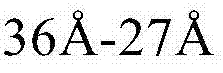
size particles eluting) amount increase (Fig. 7 B).The oligomeric kind of solubility of GlcCer induction is as increasing between 1hr and 5hr, and oligomer and monomer reduction in control reaction, this consumes and becomes insoluble fibril consistent (Fig. 7 B and Fig. 7 C) with their.The amount that native gel electrophoresis also discloses 720-1048kDa size alpha-synapse nucleoprotein kind increases (Fig. 8 C and Fig. 8 D).In addition, in this embodiment, find, other sphingolipid also changes the amount of solubility oligomer indistinctively, and this is shown to be the specific effect (Fig. 8 E and Fig. 8 F) of GlcCer.The immune EM carrying out with syn505 antibody (preferentially detecting the alpha-synapse nucleoprotein of false folding) prove diameter be~the independent chondritic of 25-50nm forms, described chondritic sometimes as merge form larger impalpable structure (Fig. 7 G, iii).Syn505 also on GlcCer tubular structure direct-detection alpha-synapse nucleoprotein (this alpha-synapse nucleoprotein that has shown false folding is associated with GlcCer's for Fig. 7 G, i and iii), rather than at the upper direct-detection of the only reaction of GlcCer (Fig. 7 I).By 8-anilino-1-naphthalene sulfonic acid salt (ANS) (for detection of the fluorescent dye with the intermediate of assembling the conformation of being inclined to), in conjunction with (Stryer, 1965), alpha-synapse nucleoprotein-GlcCer is reacted and further analyzed.Than control reaction, in the solubility alpha-synapse nucleoprotein sample of hatching with PC25/GlcCer75, observe the ANS fluorescence of enhancing, this interpolation that shows GlcCer causes conformational change, and described conformational change makes the hydrophobic region that is exposed to solvent increase (Fig. 7 D).Because the hydrophobic variation of albumen is relevant to gathering tendency, this observed result shows, in the lag phase that GlcCer reacts in fibril formation, has stablized the formation that can carry out the intermediate kind of solubility assembling.
In addition, in this embodiment, the check of kinetic spectrum is shown, although GlcCer, by initial the postponement to 16hr from 2hr of fibril formation, also promotes fibril assembling (Fig. 7 A) once this one-phase starts it.Than control reaction (assembling occurs in 2hr-24hr), the fibril assembling phase of the reaction that contains PC25/GlcCer75 occurs in 16hr-24hr.In addition, compare control reaction, at the thioT signal of the terminal stage maximum of reacting, have 2 times-3 times high (Fig. 7 A).To completing in assembling and reaching after balance, form the gathering kind that the final stage of reaction forms (at 28hr time) at fibril and be further analyzed.The centrifugal sedimentation analysis of 100,000 × g (these two detects to the amyloid aggregation in precipitable (pelletable, P) part and non-amyloid aggregation) discloses, and GlcCer does not affect (Fig. 7 E) to the amount of precipitable α synapse nucleoprotein.At the same reaction mixture for analysis by sedimentation, with thioT, the measurement of short amyloid alpha-synapse nucleoprotein is disclosed, there are 3 times of increases (Fig. 7 E, under) in the amount that detects amyloid in the reaction that contains PC25/GlcCer75.Reaction is carried out at 24hr to alpha-synapse nucleoprotein/GlcCer immune EM analyzes and confirmed~the wide filamentous structure of 14nm there is (seemingly stretching out) (Fig. 7 H) from GlcCer tubule, and only the reaction of alpha-synapse nucleoprotein contains filamentous aggregation (Fig. 7 F, i-iii) and amorphous aggregation (Fig. 7 F, iv and v) the two.Comprehensively, these data show that GlcCer has optionally stablized the formation of on-pathway solubility oligomeric intermediates, to form amyloid fibril.But, due to these solubilities on-pathway intermediate continue to gather (in vitro 2hr-16hr occur), the concentration of GlcCer may be finally beyond the mark, and cause the quick formation of the positive amyloid fibril of thioT.
Embodiment 5: accumulating in GD mice of solubility alpha-synapse nucleoprotein kind and insoluble alpha-synapse nucleoprotein kind occurs
The GCase polypeptide that experiment showed, in this embodiment is exhausted the formation that has promoted the interior oligomeric alpha-synapse nucleoprotein of solubility of body and insoluble alpha-synapse nucleoprotein, and this is consistent with cell culture and vitro data described above.
In this embodiment, the cerebral tissue from the GD mouse model (4L/PS-NA) of describing is before analyzed, with the alpha-synapse nucleoprotein level of measuring endogenous expression, whether promote.The neuron of having pointed out low-level GCase polypeptide active, GlcCer gathers and serious neurological degeneration (Sun etc., J.Lipid Res.46:2102,2005) during to 20 weeks age for formerly analyzing that this mouse model is carried out.Except GlcCer, also the level of other sphingolipid is measured, demonstrate gathering of lactose ceramide, GM2 and GD3, but ceramide levels still remains unchanged (Fig. 9 A and Fig. 9 B).Europathology Epidemiological Analysis herein discloses the existence of acidophilia's spheroid, this shows to compare the WT mice that presents normal neurons structure, has the neuron (Figure 10 A and Figure 10 D) of degenerating in multiple brains region (comprising black substance (SN) and cortex (Ctx)) of GD mice.These degeneration change generation, follow the level of alpha-synapse nucleoprotein in these regions to increase (Figure 10 B).Immunofluorescence analysis discloses and has dots structure form (diameter is that <5 μ alpha-synapse nucleoprotein m) gathers, and WT mice demonstrates normal neuropilem (neuropil) the dyeing pattern (Figure 10 B-Figure 10 D) of the alpha-synapse nucleoprotein of expectation.These variations are not confined to SN and Ctx, because also observe alpha-synapse nucleoprotein in other neurological region (comprising cerebellum, Hippocampus and brain stem), gather (Xu etc., Mol.Genet.Metab.102:436,2010).
In addition, in this embodiment, by with neuronal specificity mark NeuN, (intraneuronal) alpha-synapse nucleoprotein in neuron being gathered and gathers the two with outer (extraneuronal) alpha-synapse nucleoprotein of neuron and identify (Figure 10 C), but quantitative analysis does not demonstrate significant neuron loss (Figure 10 D).By extracting continuously in Triton X-100 buffer and 2%SDS buffer successively, the dissolubility to alpha-synapse nucleoprotein in 4L/PS-NA is analyzed.The antibody that syn202 and SNL-1(detect total alpha-synapse nucleoprotein) all disclose, compare WT mice, the T-sol alpha-synapse nucleoprotein level in 4L/PS-NA mice increases (Figure 10 E, a left side, and Figure 10 F).According to syn202 and the two detection of carrying out of syn505, the insoluble part of T-demonstrates the low-level alpha-synapse nucleoprotein of expection in WT mice, and in 4L/PS-NA mice, demonstrates the alpha-synapse nucleoprotein (Figure 10 E, the right side, and Figure 10 F) of more assembling.The T-sol horizontal analysis of being undertaken by SEC demonstrate supposition oligomer form (
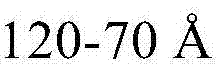
size kind and 51-44

size kind) level increase, and monomer is similar to control mice (Figure 10 G and Figure 10 H).Quantitatively disclosing of solubility HMW alpha-synapse nucleoprotein compared to control mice, in 4L/PS-NA mice, have 4 times of increases (Figure 10 F and Figure 10 H).The analysis of alpha-synapse nucleoprotein is confirmed (Xu etc., Am.J.Pathol.163:2093,2003) in the GD mouse model (GCase polypeptide is nourished the D409H afunction type sudden change that GD is relevant) of the well-characterized of describing in addition before.This discloses, as viewed in analyzed by immunostaining, and D409H mice has similar increase (Fig. 9 C) aspect alpha-synapse nucleoprotein dots structure, and has solubility oligomer and the insoluble alpha-synapse nucleoprotein kind (Fig. 9 D) of higher level.Finally, the Caenorhabditis elegans model of well setting up is caused to gather (Fig. 9 E) of alpha-synapse nucleoprotein in body for further proving the exhaustion of GCase polypeptide.
Embodiment 6: the solubility HMW alpha-synapse nucleoprotein of winding level is relevant with neurodegeneration in GD brain
Experiment in this embodiment shows, the deficiency of GCase polypeptide promotes the formation of oligomeric alpha-synapse nucleoprotein, and in II type and III type GD brain these oligomers show that they also work in the morbidity of the baby GD of age-dependent form.Data in this embodiment also prove, poisonous oligomeric alpha-synapse nucleoprotein promotes and be preferably relevant with the nerve form of disease in the patient who nourishes GBA1 sudden change.
As above-mentioned, discuss, external, cell culture and GD animal model data show, GlcCer gathers the solubility alpha-synapse nucleoprotein oligomer level that causes lifting.Therefore,, in this embodiment, these kinds that focus in the after death brain sample to obtaining from GD patient are identified.By non-degeneration SEC, the T-sol part of cortex sample is analyzed, then used mAb syn211 to carry out SDS-PAGE/ Western blotting to collected part.To not thering is the analysis (table 15) that the normal healthy controls of GBA1 sudden change carries out, disclose the expection elution profile that overview monomer people alpha-synapse nucleoprotein obtains, its by SEC mainly with
size particles eluting, migrates to 18kDa(Figure 11 A-Figure 11 C by SDS-PAGE).The analysis that the sick I type of the non-neuron confirming on pathology and clinically from two GD patient's cortex T-sol lysate is carried out discloses the alpha-synapse nucleoprotein elution profile (Figure 11 D and Figure 11 E) that is similar to contrast, although the aggregate level of monomer alpha-synapse nucleoprotein has promoted (alpha-synapse nucleoprotein level, the % of contrast: contrast=100 ± 12.6, GD I type (without PD)=* 243 ± 53, value is the standard error (SEM) of meansigma methods ± meansigma methods, * p<0.05, n=3 contrast, n=2GD I type).(Tayebi etc. when the brain lysate of suffering from the GD patient of atypia parkinson (APD) from the diagnosis of recording is before analyzed, Mol.Genet.Metab.73:313,2001), observe alpha-synapse nucleoprotein level and significantly increase (Figure 11 F).Alpha-synapse nucleoprotein is similar to contrast conduct

size particles eluting, and migrate to 18kDa by SDS-PAGE, but also there is very large ratio (total T-
sol 50%) to exist as the larger oligomeric kind of supposition
eluting (or 110-140kDa globular preteins).When analyzing by degeneration SDS-PAGE, the alpha-synapse nucleoprotein in this oligomeric part resolves to the thermally-stabilised kind (Figure 11 F) of 22kDa, 44kDa and 75kDa.Data herein show, the T-sol alpha-synapse nucleoprotein of the oligomeric kind form of lifting mainly exists in GD/APD brain.
In addition, in this embodiment, the alpha-synapse nucleoprotein oligomer level of lifting detected in the patient who is diagnosed as dementia with Lewy body (DLB), described patient is GCase polypeptide no mutant homozygote was or GCase polypeptide heterozygous mutation (Figure 11 G and Figure 11 K).To from the baby that is diagnosed as II type GD and be diagnosed as analysis that the after death brain lysate that obtains 3 years old child of III type GD carries out also demonstrate increase

the oligomeric alpha-synapse nucleoprotein (Figure 11 H-Figure 11 J) of above eluting, but observe some variations at sample room.The level of the oligomeric alpha-synapse nucleoprotein detecting with syn211mAb is carried out quantitatively, find that homozygote carrier and the heterozygote carrier of the GBA1 sudden change with neuronic disease phenotype compares according to the oligomer (Figure 12 C) that all contains remarkable higher level.Also check out, these GD samples contain lower GCase polypeptide and activity level (Figure 12 A, Figure 12 B and Figure 12 E).
Meanwhile, in this embodiment, analyzed and be of a size of
oligomeric part.This is analyzed with mAbsyn303, described mAb syn303 is preferential pathologic oligomeric alpha-synapse nucleoprotein (Duda etc. of detection, Ann.Neurol.52:205,2002) and the antibody (Tsika etc. that potential poisonous alpha-synapse nucleoprotein kind and nontoxic alpha-synapse nucleoprotein kind can be made a distinction, J.Neurosci.30:3409,2010).Find that syn303 immunoreactivity all increases (Figure 11 L, Figure 12 D) in all neuronic disease GD samples.In most of the cases, syn303 and the 22kDa, the 44kDa that also detect with syn211 and the kind of 75kDa react (Figure 11 L).
Table 15: contrast and GD patient's clinical data
* each full cell lysate carries out 3 repetition activity measurements (value is meansigma methods ± SEM); NA, non-availability; WC, full cell homogenates; P2, lysosome enriching section; DLB, dementia with Lewy body.
Embodiment 7: transportation in the cell of the mistake expression inhibiting GCase polypeptide of alpha-synapse nucleoprotein, reduces GCase polypeptide active
Description of test in this embodiment, the normal variant of alpha-synapse nucleoprotein level is modulated the activity of lysosome maturation and GCase polypeptide in vivo.Data in this embodiment show simultaneously, the alpha-synapse nucleoprotein of the winding level of observing in PD and other synucleinopathies causes the lysosome activity of the reduction of normal GCase polypeptide, and this may contribute to conversely the further growth of oligomeric alpha-synapse nucleoprotein and stablize.
The patient that great majority suffer from idiopathic PD necessarily has the alpha-synapse nucleoprotein level of lifting, but they do not nourish sudden change in GBA1 gene, are therefore expected to have the normal lysosome function of GCase polypeptide.In this embodiment, make alpha-synapse nucleoprotein cross and express expressing in the H4 cell of WT GCase polypeptide and primary cortical neuron, and rear-ER form is measured to measure alpha-synapse nucleoprotein, and whether to have destroyed the lysosome of GCase polypeptide ripe active.By SDS-PAGE/ Western blotting, via the molecular weight (MW) to various GCase polypeptide forms (being caused by protein glycosylation), analyze transportation in the cell of GCase polypeptide is evaluated.The ER form of GCase polypeptide migrates to 60kDa, and then-ER GCase polypeptide form migrates to and is greater than 60kDa(Erickson etc., 1985).To showing from the analysis that can induce the full cell lysate of H4 cell to carry out, by adding Dox24hr or 32hr that alpha-synapse nucleoprotein expression is reduced, cause rear-ER GCase polypeptide form to increase thereupon but make 60kDa ER form reduce (Figure 13 A).Similarly, in primary cortical neuron people WT alpha-synapse nucleoprotein and A53T alpha-synapse nucleoprotein cross express by cause ER form gather and migrate to be greater than 60kDa rear-reduction of ER form, after also making-ratio of ER GCase polypeptide/ER GCase polypeptide change (Figure 13 B).The WT alpha-synapse nucleoprotein that comprises plasmid and the titre of A53T alpha-synapse nucleoprotein coupling infect and cause rear-ER GCase polypeptide/ER GCase polypeptide than almost equal change, although the protein expression of A53T is lower, this shows to compare WT protein A 53T and more effective force has suppressed GCase polypeptide transportation (Figure 13 B).What is interesting is, after only causing with the Δ 71-82 alpha-synapse nucleoprotein of the horizontal expression higher a little than WT alpha-synapse nucleoprotein-ER GCase polypeptide/ER GCase polypeptide ratio is slight to be changed (it compares empty carrier contrast remarkable difference) (Figure 13 B).Corresponding with the lysosome activity of lower GCase polypeptide in order to be verified change in the GCase polypeptide glycosylation pattern that Western blotting observes, the enzymatic activity in the lysosome enriching section (P2) to primary neuronal culture and microsome enriching section (P3) (Figure 14 A and Figure 14 B) is measured.In P2 part, the expression of WT alpha-synapse nucleoprotein and A53T alpha-synapse nucleoprotein all causes comparing photograph GCase polypeptide active and significantly reduces, and P3 activity increases (Figure 13 C) thereupon.On the contrary, the expression of Δ 71-82 alpha-synapse nucleoprotein does not affect GCase polypeptide lysosome activity (Figure 13 C).By the endo H to lysate, process and confirm described result, it discloses, compare collating condition, in the endo H processing sample of cell of expressing WT alpha-synapse nucleoprotein, there is the responsive GCase polypeptide of endo H (migration is lower than 60kDa) (Figure 14 C) of higher level.In addition, the albumen (the Huntington protein fragment 548-72Q of poly Q expansion) that another is formed to amyloid form suppresses the ability of GCase polypeptide maturation to be tested, and does not observe variation (Figure 14 C) in this research.In addition, the ER GCase polypeptide that confirmation is caused by alpha-synapse nucleoprotein gathers and occurs in protein level, because the GBA1mRNA in the neuron of the expression alpha-synapse nucleoprotein of measuring compares collating condition, does not have difference (Figure 14 D).Infect in neuronic P2 part the enzymatic activity of other lysosomal protein and disclose by alpha-synapse nucleoprotein and express and only have minor alteration, this shows that alpha-synapse nucleoprotein is preferentially to GCase polypeptide active generation effect (Figure 14 E).
In addition, in this embodiment, by people's cortical material being analyzed through GCase polypeptide protein trace, measured the GCase polypeptide glycosylation pattern protein level sensitivity to alpha-synapse nucleoprotein whether in vivo.To analyzing (table 16 and table 17) afterwards from not thering is common GBA1 sudden change and age at the cerebral tissue of the several normal healthy controls that are in the news between 65-80 year, between experimenter, notice the natural variation of alpha-synapse nucleoprotein expression.Notice that control sample 1,2,4 and 6 has medium level to high-caliber alpha-synapse nucleoprotein with respect to sample 3 and 5, described sample 3 and 5 contains extremely low-level alpha-synapse nucleoprotein (Figure 13 D).When GCase polypeptide glycosylation pattern being analyzed by Western blotting, observe relevant from alpha-synapse nucleoprotein level rear-ER GCase polypeptide/ER GCase polypeptide than in remarkable different.Although all samples seem to have similar level rear-ER GCase polypeptide, there is the 60kDa ER form (Figure 13 D) that the sample (sample 3 and sample 5) of low-level alpha-synapse nucleoprotein contains much less.Endo H digestion also confirms the GCase polypeptide that the ER of higher level contains, and it moves lower than 60kDa(Figure 14 F after endo H processes).GCase polypeptide active level in cortex tissue from all samples that contain low alpha-synapse nucleoprotein and the full cell lysate of the sample that contains high alpha-synapse nucleoprotein is further analyzed, do not observed activity difference (Figure 14 H, a left side).But, when P2GCase polypeptide active and P3GCase polypeptide active are measured, find that the P3 part of the microsome enrichment of " height " alpha-synapse nucleoprotein sample contains significantly higher activity level, but do not observe variation (Figure 14 H) in P2 part.Also disclose with the Western blotting that syn303 carries out, compare C5, in " height " alpha-synapse nucleoprotein sample C6, there is the low polyoxygenated alpha-synapse nucleoprotein (Figure 14 G) of higher level.These discoveries show, lysosome maturation and GCase polypeptide active in the normal variation modulation body of alpha-synapse nucleoprotein protein level.
Observed result (GCase polypeptide transportation in the alpha-synapse nucleoprotein level affects neuron of lifting) in above-mentioned data is drawn following hypothesis: lysosome GCase polypeptide function may weaken in idiopathic PD brain.In this embodiment, further observe when with the age and after death contrasting of time match compare, have~40% decline (Figure 13 E) of total GCase polypeptide level in the T-sol lysate of the cingulate cortex from PD brain (cingular cortex).In addition, with respect to the contrast of age-matched, the GCase polypeptide active in P2 part has~50% decline, and in P3 part, do not observe variation (Figure 13 E, under).Gene type analysis discloses, and except a sample that contains heterozygous mutation N370S, these patients do not nourish sudden change (table 18) in GBA7.The GCase polypeptide active of a sample (PD4) has decline lower than desired 50% (contrast 30%), and this may show to gather the extra GCase polypeptide (table 18) that suppressed by alpha-synapse nucleoprotein.Table 19 is relevant to Figure 13.
Table 16: the clinical data of contrast.
| ? |
C1 |
C2 |
C3 |
C4 |
C5 |
C6 |
| Race |
c |
NA |
c |
c |
c |
c |
| Age at death |
65 |
NA |
76 |
80 |
79 |
73 |
| PMI | NA |
NA | |
24 |
54 |
NA |
22 |
C, white people; PMI, postmortem interval (postmortem interval); NA, non-availability
Table 17: the Sequenom MassARRAY gene type of contrast is analyzed
| ? |
Allele |
? |
Albumen |
? |
? |
? |
? |
? |
? |
| SNP?ID |
Less important/main |
Gene |
Sudden change |
C1 |
C2 |
C3 |
C4 |
C5 |
C6 |
| GBA--84GG |
G/DEL |
GBAI |
L84TER |
DEL/DEL |
DEL/DEL |
DEL/DEL |
DEL/DEL |
DEL/DEL |
DEL/DEL |
| GBA-N370S |
G/A |
GBAI |
N370S |
A/A |
A/A |
A/A |
A/A |
A/A |
A/A |
| rs2230288 |
A/G |
GBAI |
E326K |
G/G |
G/G |
G/G |
G/G |
G/G |
G/G |
| rs421016 |
A/C/G/T |
GBAI |
L444P |
G/G |
G/G |
G/G |
G/G |
G/G |
G/G |
Table 18: the Sequenom MassARRAY gene type of contrast and PD sample is analyzed
| ? |
Allele
|
? |
Albumen
|
? |
? |
? |
? |
? |
? |
? |
? |
? |
? |
|
SNPID
|
Less important/main
|
Gene
|
Sudden change
|
O.R. |
Ctrl1
|
Ctrl2
|
Ctrl3
|
PD1
|
PD2
|
PD3
|
PD4
|
PD5
|
PD6
|
| GBA--84GG |
G/DEL |
GBA1 |
L84TER |
? |
DEL/DEL |
DEL/DEL |
DEL/DEL |
DEL/DEL |
DEL/DEL |
DEL/DEL |
DEL/DEL |
DEL/DEL |
DEL/DEL |
| GBA·N370S |
G/A |
GBA1 |
N370S |
3.28 |
A/A |
A/A |
A/A |
A/A |
A/A |
A/A |
G/A |
A/A |
A/A |
|
rs2230288
|
A/G |
GBA1 |
E326K |
? |
G/G |
G/G |
G/G |
G/G |
G/G |
G/G |
G/G |
G/G |
G/G |
|
rs421016
|
A/C/G/T |
GBA1 |
L444P |
? |
G/G |
G/G |
G/G |
G/G |
G/G |
G/G |
G/G |
NC |
G/G |
|
rsl04893877
|
A/G |
SNCA |
A53T |
? |
G/G |
G/G |
G/G |
G/G |
G/G |
G/G |
G/G |
G/G |
G/G |
|
rsl04893878
|
C/G |
SNCA |
A30P |
? |
G/G |
G/G |
G/G |
G/G |
G/G |
G/G |
G/G |
G/G |
G/G |
|
rsl04893875
|
A/G |
SNCA |
E46K |
? |
G/G |
G/G |
G/G |
G/G |
G/G |
G/G |
G/G |
G/G |
G/G |
|
rs55774500
|
A/C |
PARK/N |
A82E |
? |
C/C |
C/C |
C/C |
C/C |
C/C |
C/C |
C/C |
C/C |
C/C |
|
rs5030732
|
A/C |
UCHL1 |
S18Y |
? |
A/C |
C/C |
C/C |
C/C |
A/A |
C/C |
C/C |
A/A |
C/C |
|
rs45539432
|
T/C |
P/NK1 |
Q456TER |
? |
C/C |
C/C |
C/C |
C/C |
C/C |
C/C |
C/C |
C/C |
C/C |
| PINKlA344T |
T/A |
PINK1 |
A344T |
? |
A/A |
A/A |
A/A |
A/A |
A/A |
NC |
A/A |
A/A |
A/A |
|
rs28938172
|
C/T |
PARK77/J1 |
L166P |
? |
T/T |
T/T |
T/T |
T/T |
T/T |
T/T |
T/T |
T/T |
T/T |
|
rs74315351
|
A/G |
PAPK7/DJ1 |
M26I |
? |
G/G |
G/G |
G/G |
G/G |
G/G |
G/G |
G/G |
G/G |
G/G |
|
rs74315353
|
C/G |
PARK7/DJ1 |
E64D |
? |
G/G |
G/G |
G/G |
G/G |
G/G |
G/G |
G/G |
G/G |
G/G |
|
rs35801418
|
G/A |
LRRK2 |
Y1669C |
? |
A/A |
A/A |
A/A |
A/A |
A/A |
A/A |
A/A |
A/A |
A/A |
|
rs34778348
|
A/G |
LRRK2 |
G2385R |
? |
G/G |
G/G |
G/G |
G/G |
G/G |
G/G |
G/G |
G/G |
G/G |
|
rs356221
|
T/A |
SNCA |
NA |
1.35 |
T/A |
TT/ |
T/A |
A/A |
T/A |
A/A |
T/A |
T/T |
T/A |
|
rs356219
|
G/A |
SNCA |
NA |
1.28 |
A/A |
G/A |
G/A |
A/A |
G/A |
GG/ |
G/G |
G/A |
G/A |
|
rs2736990
|
T/C |
SNCA |
NA |
1.27 |
T/C |
T/C |
T/C |
T/T |
T/C |
C/C |
T/C |
C/C |
T/C |
| rs823128 |
G/A |
NUCXS1 |
NA |
0.76 |
G/A |
A/A |
A/A |
A/A |
A/A |
G/A |
A/A |
A/A |
A/A |
|
rs11240572
|
A/C |
PM20D1 |
NA |
0.75 |
A/C |
C/C |
C/C |
C/C |
C/C |
A/C |
C/C |
C/C |
C/C |
|
rs11012
|
A/G |
PLEKHM1 |
N/A |
0.77 |
G/G |
G/G |
G/G |
G/G |
G/G |
G/G |
A/A |
G/G |
G/G |
|
rs823156
|
A/G |
SLC41A1 |
NA |
083 |
A/G |
G/G |
A/A |
A/G |
A/A |
A/G |
A/A |
A/A |
A/A |
|
rs1564282
|
T/C |
GAK |
NA |
1.29 |
C/C |
C/C |
C/C |
C/C |
C/C |
C/C |
T/C |
T/C |
C/C |
|
rs4538475
|
G/A |
BST1 |
NA |
0.88 |
A/A |
A/A |
A/G |
A/A |
A/G |
A/A |
A/A |
A/A |
A/A |
O.R., odds ratio; NC, acellular
Table 19. contrast and PD patient's clinical data
| ? |
Ctrl1 |
Ctrl2 |
Ctrl3 |
PD1 |
PD2 |
PD3 |
PD4 |
PD5 |
PD6 |
| Normalized GCase protein level |
120.9 |
89.8 |
89.3 |
67.3 |
35.1 |
38.3 |
53.9 |
33.1 |
72.2 |
C, white people; M, male; F, women; PMI, postmortem interval; NA, non-availability
Embodiment 8: GCase polypeptide sick as treatment neuronal protein and non-neuron protein sickness activates
Experiment showed, by pharmacology's molecular chaperones in this embodiment processed or GCase polypeptide is crossed and expressed the GCase polypeptide function that strengthens lysosome degradation pathway is activated.Therefore, data in this embodiment also show, the activation of GCase polypeptide function is not only gathering take alpha-synapse nucleoprotein in the disease of feature but also have the benefit in treatment with non-neuron protein aggregation gathering take neuronal protein in the Other diseases of feature.
In this embodiment, people's dopamine neuron of the iPS Hemapoiesis by unaffected contrast is processed with pharmacology's molecular chaperones activator (isofagomine (IFG)) of GCase polypeptide.By gene type, analyze, confirm that these cells do not nourish any one in modal GBA1 sudden change, described modal GBA1 sudden change comprises N370S, L444P, L84TER and E326K.With 100 μ M IFG, wild type neuron is processed the level increase (Figure 15 A and Figure 15 B) of then cleaning an angel GCase polypeptide for 5 days.This increase may be due to the following fact: wild type GCase polypeptide false folding be degraded (total amount of manufacturing in ER approximately 30%) occasionally in ER, and IFG appears also to have stablized this wild type false folding form.Then by radioactivity pulse code as described below, Proteolytic enzyme speed is measured, disclose compare according to described Proteolytic enzyme speed IFG process neuron in there are 3 times of increases (Figure 15 C).This shows that GCase polypeptide active is relevant with the degradation capability of enhancing.
Above-mentioned discussion shows, lysosomal protein hydrolysis has been strengthened in the modulation of the GCase polypeptide active being undertaken by IFG.In this embodiment, further measure the effect of above-mentioned discussion and whether can also carry out repetition with non-natural site binding compounds, this compound can be used as the allosteric activator of GCase polypeptide, therefore unlike IFG, does not need cleaning to make the activation of GCase polypeptide.To a series of allosteric GCase polypeptide activator (Goldin etc. from identifying recently, PLoS One7:e29861,2012) this compounds in is tested, and after compound treatment, observes the remarkable enhancing (Figure 16 A-Figure 16 B) of lysosome degradation capability.
In addition, in this embodiment, evaluated GCase polypeptide and crossed expression and whether there is the ability that directly strengthens lysosomal protein hydrolysis in non-neuronal cell system.Hela cell is carried out to transfection with the GCase expression of polypeptides construct of myc labelling, then by radioactivity pulse code to lysosomal protein hydrolysis evaluate (Figure 17 A).Compare the cell of GFP contrast transfection, GCase polypeptide is crossed to express and is caused that Proteolytic enzyme~40% increases.This effect is reversed completely by adding known lysosome inhibitor (leupeptin and ammonium chloride).This shows, GCase polypeptide is crossed to express the degradation pathway that is mainly lysosome mediation is strengthened.Also by following different analytic process, confirmed this effect: by measuring GCase polypeptide, cross the active impact of expressing lysosomal protein enzyme cathepsin B.In the Hela cell of transfection, add the fluorescently-labeled cathepsin B of cell permeability substrate (MAGIC RED histone enzyme detection kit, Immunochemistry Technologies, www.immunochemistry.com), and after substrate cleans to living cells in the degraded of this substrate measure.This discloses compares the transfectional cell of expressing GFP, active increase (Figure 17 C) of cathepsin B in GCase polypeptide transfectional cell.
Embodiment 9: secretory pathway sick as treatment neuronal protein and non-neuron protein sickness stimulates
Experiment showed, in this embodiment crossed to express by Rab1a polypeptide the enhancing of secretory pathway strengthened to lysosome function, and, importantly, reduced the alpha-synapse nucleoprotein level in people's Mesencephalic Dopaminergic Neurons.Data declaration in this embodiment, Rab1a polypeptide has the ability that stimulates lysosomal protein hydrolysis conventionally, is similar to GCase polypeptide and crosses the effect of expression.Therefore, the data in this embodiment show, the stimulation of Rab1a polypeptide active can also provide treatment benefit in the Other diseases take protein aggregation as feature.Meanwhile, due to Rab1a and the two equal wide expression of GCase polypeptide, this effect should be all obvious in neuronal tissue and non-neuron tissue.
As discussed above, protein aggregation destroys the lysosome transportation of GCase polypeptide, and this causes GCase polypeptide active to reduce, and therefore causes impaired lysosomal protein hydrolysis.In this embodiment, studied by stimulating secretory pathway to strengthen lysosomal enzyme transportation whether to cause the lysosome function of increase and the minimizing of alpha-synapse nucleoprotein.Therefore, in this embodiment, by slow virus infection, make little GTPase Rab1a polypeptide cross and express in iPS neuron, thus the transportation of thorn kinases.Determined that Rab1a polypeptide is in the ER-of secretory pathway Golgi body step place's specificity performance function (Duvernay etc., Cell Signal17:1457,2005).The effect that derives from the Rab1a polypeptide in PD patient's the people iPS dopamine neuron of reprogrammed fibroblast (Coriell is ND27760) is measured.These cells are containing SNCA(coding alpha-synapse nucleoprotein) genome area in nourish triplication (triplication) sudden change, cause protein overexpression and lysosome transportation damaged.When infecting with 5 infection multiplicities (moi), Rab1a polypeptide crossing in people PD dopamine neuron expressed and caused that alpha-synapse nucleoprotein level significantly reduces (Figure 18 A).In this embodiment, further by cathepsin B's activity is monitored, measured Rab1a polypeptide and whether strengthened lysosome function.As mentioned above the activity of the cathepsin B in the Hela cell infecting is measured, disclosed the active increase of cathepsin B, this shows to have strengthened lysosome function (Figure 18 B) by Rab1a polypeptide.
Embodiment 10: the lysosome GCase polypeptide activation being caused by allosteric binding compounds (allosteric binding compounds) has reduced from the alpha-synapse nucleoprotein level in people's midbrain neuron of PD patient
The allosteric binding compounds that experiment showed, in this embodiment causes the alpha-synapse nucleoprotein level of the activation of GCase polypeptide and minimizing.Therefore, the data in this embodiment show, do not disturb GCase enzyme active sites allosteric compounds represented be used for the treatment of gathering as the synucleinopathies of feature and the new therapeutic strategy of other neurodegenerative diseases take protein aggregation body.
In this embodiment, people's midbrain iPS dopamine neuron generates from normal healthy controls and from the PD patient who nourishes SNCA genome area triplication, and cultivates in the situation that GCase polypeptide allosteric activator NCGC00188758 exists as the present invention discusses.By western blot analysis, alpha-synapse nucleoprotein level is measured, and the dose dependent in the alpha-synapse nucleoprotein in the neuron that proves to generate in the neuron of the uninfluenced contrast from health and from PD patient reduces (Figure 19 A).In this embodiment, also show, increased the level of total GCase albumen and increased rear-ER form with the processing that GCase polypeptide activator carries out, this shows to improve (Figure 19 B) into lysosomal flux.
Embodiment 11: with molecular chaperones and the combining of antioxidant of GCase polypeptide neuron being processed to the GCase that has increased rear-ER form
Experiment in this embodiment shows, compound stable and activation GCase polypeptide is combined with antioxidant, produces the more effective destruction of feedback circuit of causing a disease, and described pathogenic feedback circuit originates from alpha-synapse nucleoprotein as above and gathers.Data in this embodiment also show, the therapy of comparing in three kinds of approach of independent targeting (comprising that GCase polypeptide activation, secretory pathway strengthen and anti-oxidation function) any one, in targeted neuronal, the conjoint therapy of these three kinds of critical paths will provide larger benefit.
In this embodiment, tested molecular chaperones IFG of science GCase peptide drug has been combined to the impact on GCase polypeptide maturation in PD iPS neuron with antioxidant n-acetyl-cysteine (NAC).Any or IFG in IFG, NAC for neuron are processed together with NAC, and by Western blotting, GCase polypeptide maturation is analyzed.This shows, compares the processing of carrying out separately, after the processing with IFG and NAC together with the two causes-ER(maturation) there are 3 times of increases (Figure 20 A-Figure 20 B) in GCase polypeptide.
Embodiment 12: ganglioside affects alpha-synuclein aggregation
Solubility alpha-synapse nucleoprotein oligomer is stablized and strengthened to the aphingolipid (that is, ganglioside) that experiment showed, in this embodiment.
Than the only contrast of alpha-synapse nucleoprotein, use the lipid of 10:1: protein ratio by alpha-synapse nucleoprotein and Ganglioside GM1 or always cranial ganglia glycosides fat hatch 15hr and cause solubility alpha-synapse nucleoprotein oligomer significantly to stabilize and increase (Figure 21).
Except suffering from the file that in patient's brain of gangliosidosis, alpha-synapse nucleoprotein gathers, record (Suzuki etc., Acta Neuropathol114:481,2007) outside, data in this embodiment show, by strengthening ganglioside metabolic enzyme, make the reduction of ganglioside lipid level in parkinson and other synucleinopathies, provide benefit.These enzymes include but not limited to lysosome Hex A/B/S and beta galactosidase hypotype 1.
Embodiment 13: the lysosomal enzyme activities of being undertaken by lysosome activator is modulated to the exemplary analysis method of monitoring
High Performance Liquid Chromatography/Mass Spectrometry (LC-MS) Hydrolysis Analysis method: the liquid chromatograph that this analytic process is used and mass spectrum contacts to the lysosomal enzyme in sample (spleen homogenate) (for example, GCase) cutting close fluorescence (pro-fluorescent) substrate 4-methyl umbelliferone-β-d-pyranglucoside (4MU-Glc, the blue fluorogenic substrate that produces) or the ability of C12-BODIPY-GlcCer evaluates.Then, use HPLC to carry out chromatography to the enzyme reaction stopping.Can use this analytic process, by the dosage of substrate turnover is relied on to activity, monitor, the activity of lysosome activator is analyzed.
Minute yardstick thermophoresis (Microscale thermophoresis, MST) analytic process: MST is the technology of under controllable temperature gradient, molecular motion being measured of developing recently.Whether this analytic process can be used for measuring lysosome activator and interacts with GCase polypeptide physically.MST is used fluorescently-labeled polypeptide target, is bonded to after part, and described fluorescently-labeled polypeptide target can illustrate the variation of this peptide molecule in moving along thermograde.Because the low albumen of this technology requires and sensitivity, it is suitable for binding analysis most.
Absorption, distribution, metabolism and excretion (ADME) analytic process and pharmacokinetics: to the selection of the possible lysosome activator material standed for for assessing in body, can study by carry out ADME on these medicaments.Can in Mouse Liver microsome, to the stability of representative lysosome activating agent, check.Can in standard caco-2 permeability analysis method, to the permeability of the strongest lysosome activator, analyze.For example, 0.3 outer parallelism (efflux ratio) shows that the abc transport albumen that described compound can not be expressed in caco-2 monolayer identifies, and therefore expects that described compound has good oral absorption and may permeate to pass through blood brain barrier.
Based on the lysosome activator effect of coming from ADME research, can start mice PK and study to carry out Principle Demonstration in body (proof-of-principle) research.
Materials and methods:
Antibody
Used following anti-alpha-synapse nucleoprotein antibody: Syn202(mAb, Covance, http://www.covance.com, #MMS-529R, 1:1000 Western blotting [WB]), Syn505(mAb, Invitrogen, http://www.invitrogen.com, #35-8300, 1:500WB), SNL-1(pAb, the present of Benoit I.Giasson, University of Pennsylvania, 1:1000WB), syn211(mAb, Sigma-Aldrich, http://www.sigma-aldrich.com, #S_5566, 1:1000WB, 1:400 immunocytochemistry (ICC)), LB509(mAb, Invitrogen#18-0215, 1:500WB, 1:100ICC), Syn303(mAb, the present of Harry Ischiropoulos, The Children's Hospital of Philadelphia, 1:500WB), anti-alpha-synapse nucleoprotein C-terminal (pAb, Abcam, http://www.abcam.com, #ab85862, 1:200IHC, in Figure 10 B), anti-alpha-synapse nucleoprotein (pAb, Abcam, #ad52168, 1:250IHC, in Figure 10 C).
Other antibody: anti-nerve specificity olefinic alcohol enzyme (neural specific enolase) (pAb, Polysciences, http://www.polysciences.com, #16625, 1:2000WB, 47kDa), anti-Vimentin (mAb, BD PharMingen, http://www.bdbiosciences.com, #550513, 1:500WB, 57kDa), anti-glucocerebrosidase (pAb, Sigma-Aldrich, #G4171, 1:1000WB, in Tris glycine, be 55-70kDa, in MOPS/Bis-Tris, be 51-70kDa), anti-alpha-tubulin (mAb, Sigma-Aldrich, #T-6074, 1:5000WB, 50kDa), anti-LC3(pAb, Abgent, http://www.abgent.com, #AP1802a, 1:500WB, 14-16kDa), anti-LC3(pAb, Cell Signaling, http://www.cellsignal.com, #2775, 1:50ICC), anti-neurofilament (neurofilament) (mAb, Developmental Studies Hybridoma Bank, University of Iowa, http://dshb.biology.uiowa.edu, #2H3, 1:1000ICC), anti-LAMP2(pAb, Invitrogen, #51-2200 (Igp96), 1:500WB, 90-100kDa Tris glycine, 70-95kDa MOPS/Bis-Tris), anti-LAMP1(rat mAb, Developmental Studies Hybridoma Bank, University of lowa, , #ID4B, 1:50ICC), anti-LAMP1(mAb, Santa Cruz Biotechnology, http://www.scbt.com, #sc-20011, 1:500WB, 110kDa), (the goat pAb of anti-cathepsin D, Santa CruzBiotechnology, #sc-6487, 1:500WB, 50, 44, 28kDa), acid-resisting ceramidase (goat pAb, Santa Cruz Biotechnology, #sc-28486, 1:500WB, 60kDa).Anti-glucosylceramide (pAb, Glycobiotech, http://www.glycobiotech.com, #RAS_0011, 1:50ICC), anti-Oct4(pAb, Abcam, #ab19857, 1:400ICC), anti-Tra-1-60(mAb, Millipore, http://www.millipore.com, #MAB4360, 1:400ICC), anti-SSEA-4(mAb, Millipore, #MAB4304, 1:200ICC), anti-Nanog(pAb, Abcam, #ab21624, 1:200ICC), anti-neuron III class 'beta '-tubulin (TUJ1) (Covance, http://www.covance.com, #MMS-435P, 1:2000ICC).Anti-tyrosine hydroxylase (pAb, EMD chemicals, http://www.emdchemicals.com, #657012, 1:1000ICC), anti-NeuN(mAb, Millipore, #MAB377, 1:100IHC), anti-GRP78BiP(4E3) (mAb, Abcam, #ab96483, 1:500WB, 66kDa), anti-calnexin (pAb, Enzo Life Sciences, http://www.enzolifesciences.com, #ADI-SPA-865, 1:500, WB, 90kDa), anti-Tau(pAb, Dako, http://www.dako.com, #A0024, 1:1000WB), anti-Huntington protein (mAb, Millipore, #MAB5490, 1:1000WB).
Plasmid
The slow virus plasmid that expression contrasts for shRNA or the mixed and disorderly sequence of mice GCase polypeptide is in pLKO.1 carrier framework, and obtain (http://www.openbiosystems.com from Open Biosystems, item#RMM3981-98834484, mice: 5 '-cga ctt cca gtt atc caa ctt-3 '), propagation in the DH5-α competent cell (Sigma-Aldrich#C-9231) with 100 μ g/ml Carbenicillins.The pCDNA plasmid of expressing people's WT alpha-synapse nucleoprotein or sudden change alpha-synapse nucleoprotein be before described (Mazzulli etc., J.Biol.Chem.282:31621,2007).Alpha-synapse nucleoprotein coded sequence sub-clone is entered to pENTR1A(Invitrogen#A10462) in Kpnl/Xhol site, and at 25 μ g/ml kanamycin (Fisher Scientific, http://www.fisherscientific.com, #BP906-5) exist situation under in One Shot TOP10 competent cell (Invitrogen#C4040-10) breed.Use gateway cloning system (Invitrogen, LR recombination reaction, #11791-020), by restructuring, the SIN-W-PGK slow virus carrier skeleton (Deglon etc. that contain mice phosphoglyceric kinase promoter will be proceeded to from the alpha-synapse nucleoprotein coded sequence of pENTR1A-alpha-synapse nucleoprotein construct, Hum.Gen Ther.11:179,2000), then with Psil, digest to reduce pENTR1A background.SIN-W-PGK-alpha-synapse nucleoprotein construct is bred in the situation that having 100 μ g/ml Carbenicillin in TOP10 cell.
Primary cortex cultivation, slow virus infection and leupeptin processing
Primary cortex cultivation process is being described in detail (Tsika etc., J.Neurosci.30:3409,2010) before.With infection multiplicity (moi) 3, carry out infection cell with the slow virus of expressing the slow virus of GCase polypeptide shRNA and expressing alpha-synapse nucleoprotein.About leupeptin processing, (days in vitro in vitro, DIV) 5 days time with the slow virus infected cell of expressing alpha-synapse nucleoprotein, then when DIV8 with 50 μ M leupeptin (EMD chemicals, http://www.emdchemicals.com) process, at DIV12(or dpi7) time results.
Neurotoxicity is evaluated
Cortex cell is inoculated in to 96 orifice plates with 50,000 cells/well, at DIV5, infects, and be fixed in 4% paraformaldehyde at the time point of specifying.Dyeing and analytic process are described (Tsika etc., J.Neurosci.30:3409,2010).
To continuous biochemical extract (the Sequential biochemical extraction) of cell culture and tissue
By cell harvesting in Triton X-100 lysis buffer.By extract with the centrifugal 30min of 100,000 × g.In 2%SDS buffer, precipitation is extracted.Mouse brain tissue and human brain tissue are adopted to similar process, use the Triton X-100 lysis buffer of 20 volumes.As described below, sample is loaded on to SDS-PAGE gel, or make sample experience non-degeneration SEC to continue with western blot analysis (Mazzulli etc., J.Neurosci.26:10068,2006).
Non-degeneration SEC
As described above, by the cortex cell (8 infecting, 000,000 cell/10cm plate) gather in the crops in Triton X-100 lysis buffer, and 100,000 × g Triton X-100 solubility lysate is loaded on to (Mazzulli etc. in Superdex200HR10/300 post (GE healthcare, http://www.gelifesciences.com), J.Neurosci.26:10068,2006).Former to being quantitatively described in detail of alpha-synapse nucleoprotein oligomer (Tsika etc., J.Neurosci.30:3409,2010).
The measurement of alpha-synapse nucleoprotein purification and amyloid
As mentioned previously, from BL21CodonPlus (DE3)-RIL competence escherichia coli (E.coli) (Agilent) purifying recombination human alpha-synapse nucleoprotein (Mazzulli etc., J.Biol.Chem.282:31621,2007).As described below, the alpha-synapse nucleoprotein of purification is mixed with lipid dispersion, and by Thioflavin T combination, the formation of amyloid is measured.
Subcellular fractionation separates
The cortex cell (8,000,000 cell/10cm plate) infecting is harvested from and contains 10mMHEPES(pH7.4) and 0.1M EDTA(SHB) 0.25M sucrose buffer in, homogenize (homogenized), then centrifugal 5min under 4 ℃, 6,800 × g.Preserve remaining precipitation (P1).By supernatant at 4 ℃ with the centrifugal 10min of 17,000 × g, remove supernatant (S), preserve the precipitation (P2) of remaining lysosome enrichment.By S part under 100,000 × g centrifugal 1hr to obtain P3.As mentioned above, precipitation is extracted successively in 1%Triton X-100 lysis buffer and 2%SDS buffer.As described below, by western blot analysis or by GCase polypeptide active measurement these parts are analyzed.
Statistical analysis
Single factor ANOVA and Tukey's post-hoc check is analyzed for following: the immunostaining of Proteolytic enzyme, neurotoxicity, LC3 and alpha-synapse nucleoprotein quantitatively, GCase polypeptide active analytic process, ANS and the Thioflavin T of P2 and P3 measure.By one-way ANOVA and Dunnet'spost-hoc check for cortical neuron rear-ER GCase polypeptide/ER GCase polypeptide ratio.Two tail student t check is analyzed for following: biochemical analysis, alpha-synapse nucleoprotein and GCase protein level quantitatively, BODIPY493 fluorescence analysis and iipidomic (lipidomic) analyze.P value is less than 0.05 and is considered to remarkable.Carry out statistical computation with GraphPad Prism software 4.0 editions (http://www.graphpad.com).
The histologic analysis of the sick mouse model of Gaucher
Former, the expression V394L(4L with inferior form (hypomorphic) prosaposin mutant mice (PS-NA) hybridization has been described) the gba1 mice (Sun etc., 2005) of the point mutation of isozygotying.About histologic analysis, the 4L/PS-NA mouse brain in 12 week age is poured into, and be fixed in 4% paraformaldehyde, then by the dye neurodegeneration of the 8 μ m sections to black substance (SN) and cortex (Ctx) of h and E, analyze.About alpha-synapse nucleoprotein immunofluorescence analysis, section is sealed in the 10% lowlenthal serum/PBS with 0.4%Triton X-100, then put together with anti-alpha-synapse nucleoprotein antibody (1:200, abcam#ab85862) and anti-goat successively that Alexa610 bis-is anti-hatches.Image is caught with Zeiss Apotome AxioV200 microscope (400 ×).About NeuN/ alpha-synapse nucleoprotein, locate altogether, primary antibodie be diluted in to the anti-alpha-synapse nucleoprotein of 1 × PBS(rabbit [Abcam, ad52168], 1:250 and mouse-anti NeuN[Millipore, MAB377], 1:100), then put on 4 ℃ of described brain sections and spend the night.With after 1 × PBS-0.2%Triton X-100 washing (10min3 time), by section respectively with corresponding two anti-[biotinylated goat antirabbit (the Vector Labs of hatching in confining liquid, http://www.vectorlabs.com, #BA-1000), 1:1000 and goat anti-mouse-Alexa488(Invitrogen, #A11001), 1:1000].With after 1 × PBS-0.2%Triton X-100 washing, add Streptavidin-Alexa610(1:1500 in 1 × PBS), and hatch to making the colour developing of alpha-synapse nucleoprotein signal.
In 4L/PS-NA brain, alpha-synuclein aggregation body and acidophilia's spheroid is quantitative
By the H & E dyeing of the section from black substance (SN) and cortex (Ctx), the neurodegeneration of 12 weeks large 4L/PS-NA mices is analyzed.Arrow in Figure 10 A points out to exist acidophilia's spheroid, and this represents aixs cylinder swelling and shows deterioration of neurons.To from 4L/PS-NA(n=3) mice and WT(n=2) spheroid quantity in 3 crown sections of brain of mice counts.(4 μ are m) continuous, and each the 3rd section is used for to experiment in described section.For the SN(4 visual field/section) and the Ctx(20 visual field/section), image is taken from the two cerebral hemispheres.
Continuous biochemical extraction of mouse brain
Use is from Symptomatic 4L/PS-NA(12 age in week age to 14 in week) the isozygoty cortex of mice of the D409H of mice or 42 weeks.With Teflon pestle by brain sample homogenization in the 1%Triton of 10 volumes X-100 buffer (1%Triton X-100,20mM HEPES pH7.4,150mM NaCI, 10% glycerol, 1mM EDTA, 1.5mM MgCl
2, 1mM Phenylmethanesulfonyl fluoride (PMSF), 50mM NaF, 2mM sodium orthovanadate and protease inhibitor cocktail (Roche diagnostics, http://www.roche.com, #11-836-170-001)), then centrifugal 30min under 4 ℃, 100,000 × g.By being deposited in, in the Triton X-100 buffer of another 10 volume, carry out extracting again as above, centrifugal, then supernatant is merged and obtains Triton soluble part.Making described Triton soluble part stand 4 freeze/thaw interacts to destroy potential albumen-lipid.By the remaining 2%SDS that is deposited in 5 volumes, 50mM Tris-CI, in pH7.4, by boiling 10min, extract, with 50% power, carry out ultrasonic (4 × 3s pulse) with probe sonic apparatus, and then boil 10min.By SDS extract at 25 ℃ with the centrifugal 20min of 20,000 × g.By micro-BCA analytic process (Pierce, www.piercenet.com, #23235), the protein concentration of Triton X-100 soluble part is measured.
Caenorhabditis elegans experiment
According to standard procedure, nematicide (Nematodes) is maintained to (Brenner, 1974).By use, express dsRNA(Geneservice, http://www.geneservice.co.uk) antibacterial feed UA50[balnl3; P
unc-54:: alpha-synapse nucleoprotein:: gfp, P
unc-54:: tor-2, rol-6 (sul006)] nematicide, to carry out described RNAi and fluorescence microscopy (Hamamichi etc., 2008), described dsRNA targeting has the GBA(C33C12.8 of following modification) nematicide straight homologues (ortholog).Nematicide is grown on RNAi antibacterial, to obtain an other generation, then in the L4 phase, false folding is marked.The analysis that alpha-synapse nucleoprotein is gathered repeats with twice, if RNAi processes, significantly strengthens mottle (amount and size that 80% nematicide shows alpha-synuclein aggregation body increase), and material standed for is cited as the positive.
The generation of slow virus
Former, these processes be have been described in detail to (Mazzulli etc., 2006).By 500 times of the supernatant concentration of the HEK-FT cell from transfection (in the neurobasal culture medium that contains 10% hyclone).Use p24ELISA test kit to measure (Zeptometrix, http://www.zeptometrix.com, #801111) to virus titer.
The generation of induced multi-potent stem cells and neuron differentiation
As previously described, by infecting with OCT4, SOX2, cMTC and KLF4, the skin flbroblast from GD patient (GM00852) is carried out to reprogrammed (Seibler etc., J.Neurosci.31:5970,2011).After the 1-2 month, picking iPS cell colony, and increase on MEF feeder cells.Expression by OCT4, Tra-1-60, SSEA4 and Nanog is measured versatility.By Cell Line Genetics(http: //www.clgenetics.com) carry out being with by G the karyotyping of carrying out.Carry out as described above neuron differentiation (Seibler etc., J.Neurosci.31:5970,2011).By adding the initial differentiation of following material: Brain Derived Neurotrophic Factor (BDNF), ascorbic acid, Sonic hedgehog (sonic hedge hog(SHH)) and FGF8 (FGF8).After 10 days, by adding following material, cell was broken up in 5 weeks: BDNF, ascorbic acid, neuroglia derived neurotrophic factor (GDNF), TGF-β-3 (TGF β-3) and ring AMP.IPS neuron is fixed in 4%PFA, and the immunofluorescence by Triton soluble part and Western blotting are analyzed its neuron mark and catecholaminergic mark and alpha-synapse nucleoprotein level.
The gene type of patient and cell line
Sequenom MassARRAY method is used for iPS neuron, contrast or PD brain to carry out gene type (at table 14, table 17 and table 18).Use DNeasy test kit (QIAGEN, http://www.qiagen.com) to extract genome material.Use sequenom method, DNA sample carried out to gene type with MALDI-TOF mass spectrum (providing (http://pcpgm.partners.org/) as service by Harvard Partners Center for Genetics and Genomics).Gene type analysis is carried out in GBA1 sudden change by the sample shown in described in the past gene sequencing (Stone etc., Hum.Mutat.15:181,2000) his-and-hers watches 15.
To the measurement of the mRNA from neuron culture
Use successively 1ml Trizol/ chloroform (Invitrogen) and RNeasy mini test kit (QIAGEN), 6.6 × 10 during 7dpi from infecting with suitable slow virus construct with moi3
5in neuron, extract total RNA.Use SuperScript III First-Strand synthesis SuperMix(Invitrogen#11752-050) by reverse transcription, generate cDNA.By PCR in real time, use following primer sets to carry out quantitatively (mice SNCA:FW5 '-ggc agc tgg aaa gac aaa ag-3 ', REV5 '-cag ctc cct cca ctg tct tc-3 ' to the amount of cDNA; Mice GBA1:FW5 '-gcc agg ctc atc gga ttc ttc-3 ', REV5 '-cac ggg gtc aag aga gtc ac-3 ').Based on primer with normalization (normalizing) gene (actin (Mouse Muscle filamentous actin primer: FW5 '-agc cat gta cgt agc cat cc-3 ', REV5 '-ctc tca gct gtg gtg gtg aa-3 ')) ability of identical speed amplified target sequence, primer is selected.By following component, carry out 1:100 dilution and 2 × SYBR Green PCR MasterMix(Applied Biosystems#4309159 of the each primer of PCR in real time: 500nm, cDNA reaction).The cycle threshold of target transcript (Ct) is normalized to actin Ct value and marks and draws the % of paired photograph.
Western blot analysis
Most of materials for SDS-PAGE obtain from Invitrogen(NuPAGE system).By protein cleavage thing at sample buffer (20mM Tris, 1%(v/v) glycerol, 180mM β-thioglycol, 0.003%(w/v) bromophenol blue and 2%(w/v) SDS, pH6.8) in, boil, in the 4%-12%Bis-Tris polyacrylamide precast glue in MOPS-SDS running buffer or 4%-12%Tris-glycine gels, differentiate.10%Tris-glycine gels is for the Western blotting (Figure 13 B, Figure 13 D and Figure 13 E, and Figure 14 C and Figure 14 F) of some GCase polypeptide.For majority analysis, Triton X-100 soluble part is used 50μ g/ road, and SDS part loads (10-20 μl/ road) according to the amount existing in Triton X-100 soluble part.In the transfering buffering liquid that contains 20% methanol (Boston Bioproducts, www.bostonbioproducts.com, #BP-190) in 4 ℃, with 12-16hr, gel is transferred to PVDF membrane (0.45mM-pore immobilon FL; Millipore, http://www.millipore.com, #IPFL00010) on.Odyssey sealing buffer (the Li-Cor biosciences that is containing 0.05%Tween or 5% defatted milk powder in TBS-T0.2%, www.licor.com, #927-40000), trace is sealed, then hatch with primary antibodie (dilution factor sees above), and detect (1:10 with the anti-mouse IgG or the anti-rabbit igg that are conjugated to IRDye680 or 800,000, Li-Cor biosciences).About contrast, after sealing step, trace is scanned to measure autofluorescence band, after only adding two to resist, also measure simultaneously.In density analysis, there is not any non-specific band detecting.Use Odyssey software v2.1(Li-Cor biosciences) carry out density analysis and MW analyzes.
Glycosidase processing
By the degeneration in the glycoprotein degeneration buffer of 10 μ l of 30-50 μ g T-sol lysate, and according to 500U Endo H or PNGase F(New England Biolabs for the explanation of manufacturer, http://www.neb.com, #P0702S[endo H], #P0704S[PNGase F]) digestion 1hr.Control reaction is parallel carrying out in the situation that not having glycosidase.30-50 μ g sample is loaded on the 4%-12%MOPS NuPAGE gel with bis-tris buffer in (Fig. 2) or 10%Tris-glycine gels (Figure 14).
To the immunostaining analysis of cultured cell
The cortex cell of growing on the coverslip that the gather-D-Lys in 12 hole clusters (12well clusters) is applied very simply washs in warm PBS, is then fixed on fast the middle 15min of 4% paraformaldehyde (w/v) of PBS buffering.By cell with contain 0.3%(v/v) PBS of Triton X-100 is 4 ℃ of overnight incubation, then at the 2%(w/v in PBS-Triton X-100) bovine serum albumin (BSA) (Sigma-Aldrich, #A-7906) He 10% normal sheep serum (Jackson Immunoresearch Laboratories, http://www.jacksonimmuno.com, #005-000-121) middle sealing 1hr.Primary antibodie is diluted in sealing buffer (dilution factor sees above), 4 ℃ of overnight incubation, then in PBS-Triton X-100, thoroughly wash.In sealing buffer to two anti-(anti-mice or anti-rabbit-put together Alexa488(1:400) or Alexa568[1:200], Invitrogen) dilute, and hatch 1hr, then in PBS-Triton X-100, thoroughly wash.Coverslip is arranged on and has 10 μ l containing 4, the Fluoromount G(Southern Biotech of 6-diamidino-2-phenylindone dihydrochloride (DAPI), http://www.southernbiotech.com, #0100-20) microscope slide on, then with fluorescence microscope, carry out visual.About alpha-synapse nucleoprotein and LC3 immunostaining quantitatively, use Adobe Photoshop software CS2(Adobe Systems, http://www.adobe.com) pixel of exposure image when waiting is carried out quantitatively, and with respect to DAPI normalization.
Ganglioside GM1 and LAMP1 immunofluorescence mottle quantitatively
The neuron culture of infection is fixed, and dye by following mode: the CTB that is conjugated to AlexaFluor488 (Invitrogen#34775) of analyzing for GM1, or anti-LAMP1 antibody (1D4B-c) AlexaFluor488 puting together with the Mus IgG of the Chinese People's Anti-Japanese Military and Political College that continues.To wait obtain from 20 × and image of 100 × object lens of time exposure, then use Image J software (http://rsbweb.nih.gov/ij/) to measure particle size and quantity in the image of threshold value coupling.Also to DAPI, dyeing has been carried out quantitatively, and uses it for total cell number/visual field is measured.To each repeat assessment the 3-10 visual field, every kind of condition is carried out 3 repetitions.
The neutral lipid being undertaken by fluorescence staining is quantitative
By introducing 4,4-bis-fluoro-1,3,5,7,8-pentamethyl-4-boron-3a, 4a-diaza-s-indacene (indacene) (BODIPY493/503) dyestuff (detecting the fluorescent dye of neutral lipid (Invitrogen#D-3922) in culture living) to cell in neutral lipid carry out quantitatively.As mentioned above, that cortex cell is grown in is poly--coverslip that D-Lys applies on, then with expression, for the slow virus of the shRNA of GCase polypeptide, infect.When dpi6.5, by BODIPY493(1mg/ml liquid storage, in ethanol) with the final concentration of 10 μ g/ml, add the culture alive in complete neurobasal culture medium, and at 37 ℃, 5%CO
2in hatch 30min.Then cell is washed with warm PBS, be fixed in 4% paraformaldehyde (w/v) of PBS buffering, under fluorescence microscope, carry out visual.Use Adobe Photoshop software CS2(Adobe Systems) the total pixel from BODIPY fluorescence in image is carried out quantitatively, then with respect to nuclear staining normalization.
By SFC/MS/MS, analyze the GlcCer carrying out quantitative
The cortex cell of growing in 6 hole clusters is infected with the slow virus carrier of expressing as mentioned above GCase polypeptide shRNA, and be harvested from PBS when dpi6.5.By the centrifugal 5min of 200 × g, carry out harvesting, by cell precipitation rapid saving in-80 ℃ until analyze.The service that the quantitative conduct of lipid is provided by the lipidomics core facility (lipidomics core facility) of Medical University of South Carolina and carry out (http://hcc.musc.edu/research/sharedresources/lipidomics/lipidom icsanalyti cs.htm).By supercritical fluid chromatography/mass spectrum (SFC/MS/MS), glycosyl ceramide is analyzed.Sample (every kind of condition n is 3), with respect to total cell phosphoric acid level (P) normalization, and is expressed as to fly mole/nanomole Pi.
The cell protein hydrolysis of being undertaken by radioactivity pulse code is measured
Use
3h-leucine, measures the Proteolytic enzyme of long-life albumen by radioactivity pulse code.This process was carried out (Kaushik etc., Methods Enzymol.452:297,2009) according to former description.In brief, cortex cell is grown in the 24 hole clusters with 33000 cells/well inoculations, and infects with the slow virus carrier of expressing scrb or GCase polypeptide shRNA with moi3.At dpi4, will
3h-leucine (#NET460A001MC, is 5 μ Ci/m1 eventually for PerkinElmer, http://www.perkinelmer.com) adds the Standard N eurobasal culture medium 2 days that contains B27 to follow the trail of labelled protein.At dpi6, by condition neurobasal culture medium (the conditioned neurobasal medium) washed twice (10min) that contains excessive cold leucine (being 2.8mM eventually) for cell, and then 1 time (2hr) of washing, to remove the free amino acid being gone out by short life protein delivery.Cell is hatched in cold culture medium, and shift out 50 μ l culture medium when 0hr and 8hr after washing completes, be placed in 20% trichloroacetic acid of 100 μ l.Add BSA(0.5mg/ml, final) to promote albumen to precipitate, then sample is hatched to 8-16hr at 4 ℃ from culture medium.By sample at 4 ℃ with 20, the centrifugal 20min of 000 × g, and use Beckman LS1701 liquid scintillation counter (liquid scintillation counter) (Beckman Instruments, http://www.beckmancoulter.com) to measure the radioactivity in 5ml scintillation mixed solution.The albumen precipitation being settled out is extracted in 200 μ l NaTDCs, 0.1M NaOH, then radioactivity is measured.According to the detailed description done elsewhere, Proteolytic enzyme percentage ratio is calculated to (Kaushik etc., Methods Enzymol.452:297,2009).
About leupeptin/NH
4cl processes, and as mentioned above cell is infected, and then when dpi2, adds 50 μ M leupeptins, adds subsequently when dpi4
3h-leucine.When dpi5, add NH
4cl(5mM, final), then as mentioned above cell is followed the trail of in cold culture medium.At somatomedin (BAGTC), process after 2.5 weeks, carry out as mentioned above the neuronic Proteolytic enzyme analysis of iPS.
The preparation of lipid dispersion
From Avanti Polar lipids(http: //www.avantilipids.com) obtain the lipid of purification, comprise cephalin phatidylcholine (PC, #840053P), glucityl (β) ceramide (18:1, GlcCer, #860547), lactose ceramide (#86057P), galactosyl ceramide (#860521) and glucose sphingol (#860535).PC is dissolved in to the HPLC level chloroform that contains 1% alcohol stabilising agent with 25mg/ml, and is stored in and there is the vial that the Teflon of nitrogen covering (overlay) adds a cover at-20 ℃.GlcCer and other sphingolipid are dissolved in to chloroform with 10mg/ml: methanol: water (80:20:2, v:v), exist side by side and use.By lipid subpackage and in teat glass, mix thoroughly (mol ratio of PC:GlcCer mixture is 90:10 or 25:75), then under nitrogen current, be dried.The dissolubility and the stability that are mixed into the sphingolipid dispersion in aqueous solution of finding PC are required.By lipid membrane in PBS with hydrate (hydrated), be transferred to polypropylene micro centrifugal pipe, and in supersonic cleaning groove (Cole-Parmer Instruments, http://www.coleparmer.com, #_EW-08895-04) 25 ℃ of ultrasonic 30min.Then make 2 freeze/thaw of sample experience, carry out subsequently the extra sonicated of 10-60min until solution limpid (unlimpid solution provides variable results).As described below, described lipid dispersion is directly added to the alpha-synapse nucleoprotein of purification, and hatch.For the lipid dispersion of each independent experiment, are all new making.
In-vitro evaluation to alpha-synuclein aggregation in the situation that lipid dispersion exists
As mentioned previously, at expression in escherichia coli alpha-synapse nucleoprotein, and with HPLC, carry out purification (Mazzulli etc., 2007) by boiling to continue.The alpha-synapse nucleoprotein of purification is diluted to 138 μ M(2mg/ml in 0.1M sodium-acetate buffer (pH5.0) or 0.1M sodium phosphate buffer (pH7.4)).The lipid of 1.38mM is added to isopyknic dilution alpha-synapse nucleoprotein, so that ultimate density is 69 μ M alpha-synapse nucleoproteins and 690 μ M liposomees (final lipid: protein ratio is 10:1).Then pH is measured, find the final pH that does not change sample that adds of lipid dispersion.Control evaporation with mineral oil cover layer, and use Eppendorf constant-temperature mixer (thermomixer compact) (http://www.eppendorf.com, #022670000) that sample is hatched at 37 ℃, accompany by the constant shake of 1000rpm.Sample is hatched to the various time, and shift out equivalent aliquot, to carry out dynamic analysis via Thioflavin T.10 microlitre samples and the 10 μ M Thioflavin Ts (Sigma-Aldrich, #T-3516) of 190 μ l in 100mM glycine buffer (pH8.5) are mixed, and hatch 5min at 25 ℃.In black FluorNunc Maxisorp96 orifice plate (Nunc, http://www.nuncbrand.com, 475515), at Wallac Victor
2in microplate reader (Perkin Elmer), fluorescence (ex=430nm, em=510,0.1s) is measured.This analytic process is carried out repetition with 3 independent Liposomal formulations, and each n is 3-4 reaction.
The oligomeric alpha-synapse nucleoprotein evaluation of being undertaken by 8-anilino-1-naphthalene sulfonic acid salt fluorescence
Also by 8-anilino-1-naphthalene sulfonic acid salt (ANS), (Acros#401220050) oligomer is detected.After 1hr is hatched, will in 2 μ l alpha-synapse nucleoprotein-lipid reactant mixture and 100 μ M ANS(water, dilute) with the final volume of 100 μ l, hatch.By sample at white FuorNunc Maxicorp96(Nunc, #437591) in hatch 15min, then at Wallace Victor
2in microplate reader, relative fluorescence unit is measured to (ex=355, em=460,1.0s).By control experiment (only containing lipid), the contribution of the ANS signal only observing from lipid dispersion is measured, then it is deducted from alpha-synapse nucleoprotein/lipid reactant.Contrast in addition comprises only alpha-synapse nucleoprotein and only buffer, and incubation time and the condition same with experiment reacting phase are all experienced in these contrasts.
The analysis by sedimentation of the alpha-synuclein aggregation body of external formation
The reactant of hatching from 28hr, at the centrifugal 20min of 100,000 × g, is removed to supernatant, and precipitation is dissolved in to the PBS of same amount.By SDS-PAGE, the each several part of 5 μ l is analyzed, and dyeed with CBB.By gel in the enterprising line scanning of Odyssey infrared thermoviewer, and with Odyssey software V2.1(Li-Cor) carry out quantitatively.Precipitable albumen percentage ratio is gone out by n=3 experimental calculation.
The native gel electrophoresis of the solubility alpha-synuclein aggregation body of external formation
At the appointed time shift out restructuring alpha-synapse nucleoprotein/lipid mixture, and use NativePAGE Novex Bis-Tris gel systems (Invitrogen) by native gel electrophoresis, 200ng to be analyzed.Gel is transferred to pvdf membrane, and hatches with mAb syn211, two anti-the hatching of then puting together with horseradish peroxidase (HRP).By the chemiluminescence (Pierce#32106) strengthening, HRP is detected, and be exposed to film.
Negative staining immuno-electron microscope is analyzed
Alpha-synapse nucleoprotein/lipid is hatched to thing and be adsorbed on the 300 order copper mesh that carbon applies, wash with PBS, and seal 10min with 1%BSA/PBS.By Syn505(1:100) add the net 30min in lock solution, then with PBS, fully wash.The two anti-30min that add 15nm gold to put together in confining liquid.1% uranium acetate for sample (uranyl acetate) is dyeed, and carry out visual with the JEOL1011 transmission electron microscope that is located at Massachusetts General Hospital membrane biology project.
Ceramide glucoside enzyme polypeptide and other lysosome activity analysis method
According to description, carry out the analytic process (Marshall etc., 2002) to GCase polypeptide.As mentioned above; the cortex cell of cultivating from 12 holes is infected with scrb or GCase polypeptide shRNA; and when dpi6.5, be harvested from 50 μ l activity analysis buffer (0.25%(v/v) Triton X-100(Sigma-Aldrich#T-8787), 0.25%(w/v) taurocholic acid (Sigma-Aldrich; #T9034), 1mM EDTA; in citrate/phosphate buffer; pH5.4) in, freeze/thaw 2 times, and on ice, hatch 30min.By centrifugal sample 20,000 × g 20min, and 10 μ l supernatant are used at 1%BSA(, have 1mM4-methyl umbelliferone β-pyranglucoside (4-MU, Sigma-Aldrich, #M3633)) the middle GCase of mensuration polypeptide active, cumulative volume is 50 μ l.At 37 ℃, hatching this analytic process of 40min(is measured as in whole 90min as linear) after, by adding equal-volume 1M glycine (pH12.5) stopped reaction.100 μ l reactants are loaded in white 96 orifice plates (Nunc, #136101) for fluorescence, and at Wallac Victor
2in microplate reader (Perkin Elmer), fluorescence (ex=355nm, em=460,0.1s) is measured.By similar mode, carry out the analysis of the GCase polypeptide active to the P2 part from neuron cultivation and human brain and P3 part, except the reaction volume for total 100 μ l by 5 μ l samples.About people PD, analyze, to testing from the extract of 3 kinds of different contrast PD samples different from 6 kinds.
About the GCase polypeptide active in the former culture (Figure 13 C) of GD brain (table 15) and slow virus infection, measure, by measuring the live vol not suppressed by conduritol-b-epoxide (CBE), non-lysosome GCase polypeptide active (GBA2) is deducted from gross activity.
In the mode identical with GCase polypeptide; use the P2 part of primary neuronal culture to carry out following analytic process: (Tropak etc. as mentioned previously; J.Biol.Chem.279:13478; 2004), use 4-MU-N-acetyl group-D-glucosaminide (Sigma#M2133) to carry out hexosaminidase A/B/S activity analysis.By 4-MU-D-glucuronic acid glycosides (Sigma#M9130) mensuration β-glucuronidase (GUSB) activity.By 4-MU-phosphate (Sigma#M8168) mensuration lysosomal acid acid phosphate activity.
LC-MS Hydrolysis Analysis method
Can use Agilent1200LC, described Agilent1200LC is equipped with 4 yuan of pumps, G1315 diode array detector and G1321 fluorescence detector.Can use 4.6mm × 250mm Agilent Eclipse Plus C18(5 μ m) in ambient temperature, with the flow velocity of 1.8mL/min, gradient is from 85/15(methanol/0.1% formic acid (water) at 10min) to 100% methanol.Can use for Ex=365nm, the Em=440nm of 4MU or for the fluoroscopic examination of Ex=506nm, the Em=540nm of C12-BODIPY lysosome activator is monitored.By matching with substrate peak and the product peak of expection, the quality (mass) of susceptible of proof fluorescence peak.Can use the lysosome activator (for example, from 0,20nM-50 μ M, diluted 9 concentration by the 1:2 of 50 μ M) of variable concentrations.Can use food blender with maximal rate by people's homogenation of spleen tissue 5min, then in electronic 50mL glass-Teflon homogenizer cross 10 times.Can be by homogenate with the centrifugal 10min of 1000g.Then can use 40 μ m filters to filter supernatant, by produced spleen homogenate aliquot-80 ℃ of stored frozen until use.Can be by the spleen homogenate in 140 μ g/ holes for this analytic process.Analysis buffer (pH5) for spleen homogenate is 50mM citric acid, 115mM K
2hPO
4, 110mM KCl, 10mM NaCl, 1mM MgCl
2and 0.01%Tween-20.The buffer that is used for the enzyme of purification is 50mM citric acid, KH
2pO
4(for restructuring wild-type enzyme, be titrated to pH5.9, and be titrated to pH7 for N370S mutant) and 0.01%Tween-20.Automatically pin tool post (automated pin-tool station) (Kalypsys, San Diego, CA) can be used for the compound in 23nL/ hole to be transferred to analysis plates.After incubated at room 5min, by adding the initial enzyme reaction of 2 μ L/ hole substrate.Can use 4-MU-Glc and the final concentration that final concentration is 2mM is the C12-BODIPY-Cer of 25 μ M.Enzyme and substrate can be hatched to 30-45min at 37 ℃, then can stop this reaction by the stop solution (1M NaOH and 1M glycine mixture, pH10) that adds 2 μ L/ holes.
Microsome stability
Can two parallel tests be hatched at 37 ℃ by test lysosome activator and CD-1 Mouse Liver microsome.This reaction meeting is at 100mM potassium phosphate, 2mM NADPH, 3mM MgCl
2(pH7.4) in, contain microsomal protein.The contrast of each test agent of NADPH is omitted in operation, to detect the degraded without NADPH.At the appointed time, the duplicate samples such as should from each experiment reaction and control reaction, shift out, and itself and the ice-cold stop solution of equal-volume (0.3%AcOH in MeCN contains haloperidol (haloperidol), diclofenac (diclofenac) or mark in other) are mixed.Then the reaction stopping is hatched at least 10 minutes at-20 ℃, and add the water of additional volumes.By centrifugal sample, to remove protein precipitation, then supernatant is analyzed to remaining albumen is carried out quantitatively by LC/MS/MS.Data are to report by the remaining percentage ratio that concentration value comes divided by zero point.
Caco-2 permeability (permeability)
To the CaCo-2 cell trypsinization of cultivating in tissue culture flasks, be suspended in culture medium, and by suspension with 24, the 500 every holes of cell put on 24 hole patterns collagen apply BioCoat Cell Environment(BD Biosciences) hole.Allow described Growth of Cells and break up 3 weeks, with the intervals of 2 days, feeding.In order to verify that CaCo-2 cell monolayer forms suitably, can to the equal portions of cell buffer, analyze by fluorescence, to measure the transhipment of impermeable dye fluorescence Huang (Lucifer Yellow).For permeability, test agent is added to top side (A) or base side (B), and by LC/MS/MS, the amount that infiltrates into opposite side is measured.A side buffer contains 100 μ M fluorescent yellow dyes in transport buffer (the 1.98g/L glucose in 10mM HEPES, 1 × Hank ' s balanced salt solution) in (pH6.5), and the transport buffer that B side buffer is pH7.4.CaCo-2 cell and these buffer are hatched to 2h.Data represent take permeability (Papp): wherein dQ/dt is as infiltration rate.In two-way penetration research, also calculated Asymmetric Index (asymmetry index, AI) or outer parallelism: AI>1 and shown the potential substrate for PGP or other Active transport.
Pharmacokinetics
Can use the C57BL/6 mice that freely approaches food and water (18-26g, male, N=36).Can be at 20%PEG400+80%(20%HP-β-CD) in preparation IP to drug solns.Can be before sample extraction, with the PBS(pH7.4 of 3 volumes) brain, liver sample are carried out to homogenate.The available coefficient of dilution 4 is adjusted final concentration, supposes that the wet brain of 1g equals 1mL.Then can complete with Acquity UPLC BEH C18 post the LC-MS/MS analysis of sample, flow velocity 0.6mL/min, mobile phase is by solvent orange 2 A: H
2o-0.2%FA, 10mM NH
4oAC, solvent B:MeOH-0.2%FA, 10mM NH
4oAC composition.
Sequence table
Glucosan Isosorbide-5-Nitrae-alpha-Glucosidase
Alpha-Glucosidase
Glucocerebrosidase
Alpha-galactosidase A precursor
Beta galactosidase precursor
Galactocerebrosidase
Lysosomal acid alpha-Mannosidase
Beta-Mannosidase
Alpha-L-fucosidase precursor
Alpha-N-acetamino glucosidase
NAGA
Hex subunit α preproprotein (PREPROPROTEIN)
Hex subunit β preproprotein
α-L-iduronidase precursor
Beta-Glucuronidase precursor
Lysosome sialidase
Iduronic acid 2-sulfatase
ASM