
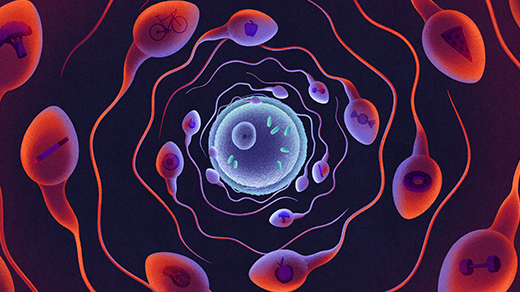





Richard Prum explains why he thinks feathers and vibrant traits in birds evolved not solely for survival, but also through aesthetic choice.
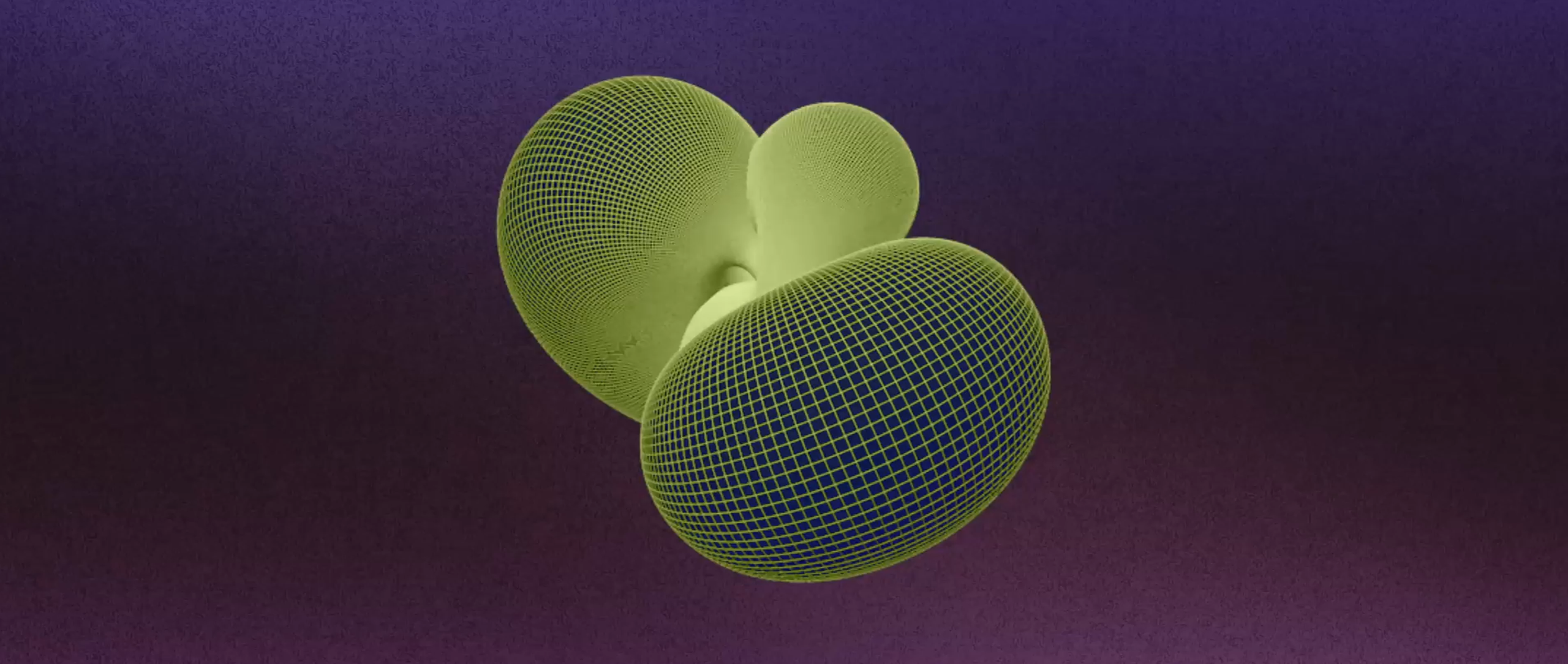
Mark Belan/Quanta Magazine; source: Publications mathématiques de l’IHÉS 142, 241–293 (2025)
The Bonnet problem asks when just a bit of information is enough to uniquely identify a whole surface.
The math of data structures helps us understand how different storage systems come with different trade-offs between resources such as time and memory.
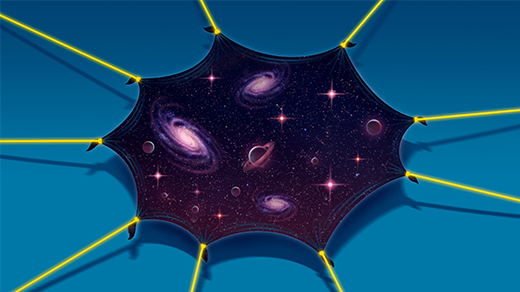
In an unprecedented step, researchers crafted a detailed model compatible with the universe’s accelerated expansion.
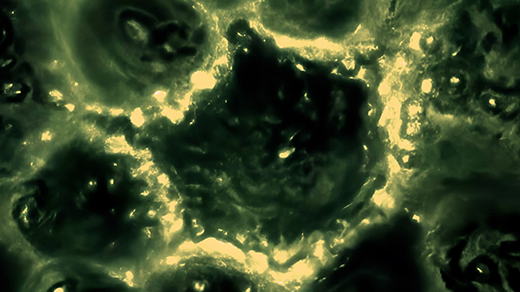
The discovery that tissues use electricity to expel unhealthy cells is part of a surge of renewed interest in the currents flowing through our bodies.
A $1 million prize awaits anyone who can show where the math of fluid flow breaks down. With specially trained AI systems, researchers have found a slew of new candidates in simpler versions of the problem.
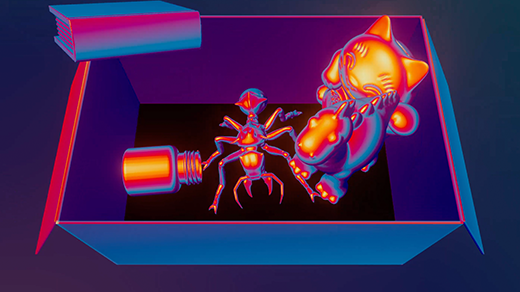
Try as they might, scientists can’t truly rid a space or an object of its energy. But what “zero-point energy” really means is up for interpretation.
Research into how a father’s choices — such as diet, exercise, stress, nicotine use — may transfer traits to his children has become impossible to ignore.
Explore a shape that can’t pass through itself, a teenage prodigy, and two new kinds of infinity.
Emily Buder/Quanta Magazine; Carlos Arrojo for Quanta Magazine
Richard Prum explains why he thinks feathers and vibrant traits in birds evolved not solely for survival, but also through aesthetic choice.
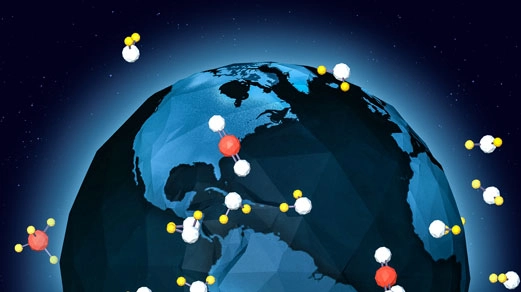
Earth’s radiation can send some molecules spinning or vibrating, which is what makes them greenhouse gases. This infographic explains how relatively few heat-trapping molecules can have a planetary effect.
Illuminating basic science and math research through public service journalism.
More about usQuanta Magazine is committed to in-depth, accurate journalism that serves the public interest. Each article braids the complexities of science with the malleable art of storytelling and is meticulously reported, edited and fact-checked. Launched and funded by the Simons Foundation, Quanta is editorially independent — our articles do not reflect or represent the views of the foundation.