
Problematic TikTok use correlates with social anxiety and daily cognitive errors
Researchers observed a link between a constant fear of missing out, addictive TikTok habits, and everyday memory errors. These findings suggest that short video platforms share a unique relationship with how our minds maintain focus.
Read moreDetails
Why most people fail to spot AI-generated faces, while super-recognizers have a subtle advantage
Most people struggle to tell real faces from computer-generated ones. However, a British Journal of Psychology study provides evidence that highly skilled face recognizers have a slight advantage because they subconsciously detect unnatural facial averageness.
Read moreDetails
Dopamine and insulin interact in the brain to control junk food cravings
Scientists have discovered that insulin works directly with the brain's dopamine system to suppress the urge to overeat. Disrupting this biological link leads to persistent, compulsive food-seeking despite negative health consequences.
Read moreDetails
Probiotics and prebiotics restore appetite control in mice raised on unhealthy diets
A poor diet during childhood leaves lasting marks on the brain's hunger centers. Researchers recently discovered that treating the digestive system with targeted probiotics or prebiotics can correct these changes and stop adult overeating.
Read moreDetails
What is the highest IQ ever recorded? The truth behind the numbers
The internet claims they have IQs of 228 and 230. But for Marilyn vos Savant and Terence Tao, the truth of their genius is more than just a number.
Read moreDetails
Childhood trauma is linked to lower cognitive flexibility in young adults
New research indicates that childhood abuse and neglect alter executive function in young adults. While trauma negatively impacts mental flexibility, the brain appears to prioritize and preserve working memory to help individuals survive unpredictable environments.
Read moreDetails
People who engage in impulsive violence tend to have lower IQ scores
People who commit impulsive acts of aggression often score lower on intelligence tests, according to a new meta-analysis. Scientists suggest these cognitive limitations act as a barrier to managing frustration rather than a direct cause of violence.
Read moreDetails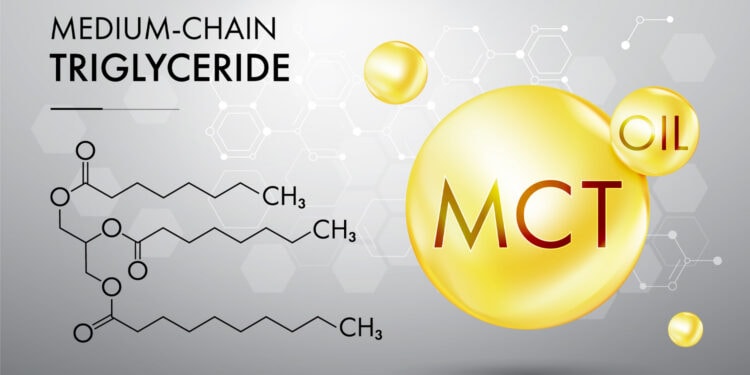
MCT oil may boost brain power in young adults, study suggests
Is MCT oil better than olive oil for your brain? A trial involving 36 young adults suggests MCTs offer unique benefits for inhibitory control and working memory that long-chain triglycerides don’t provide.
Read moreDetails
New psychology research reveals how repetitive thinking primes involuntary memories
New research suggests that what you think about repeatedly can prime your brain to retrieve related memories later. The study found that repetitive thinking caused people to experience more involuntary memories about that specific topic.
Read moreDetails
What was Albert Einstein’s IQ?
Albert Einstein is the ultimate symbol of genius. But did he ever take an intelligence test? Discover the real story behind the rumors.
Read moreDetails
Neuroscientists identify a unique feature in the brain’s wiring that predicts sudden epiphanies
Researchers have identified a distinct structural signature for insight. The findings indicate that reduced connectivity in the brain's language networks may actually help facilitate sudden creative breakthroughs.
Read moreDetails
High IQ men tend to be less conservative than their average peers, study finds
Do gifted individuals see the world differently? Research tracking adults over 35 years finds their political orientations are remarkably average, with one specific exception regarding male conservatism.
Read moreDetails
Scientists have found a fascinating link between breathing and memory
New research published in The Journal of Neuroscience suggests breathing acts as a pacemaker for memory. The study found that successful retrieval is linked to the respiratory cycle, synchronizing brain patterns needed to remember.
Read moreDetails
Standard mental health tests may be inaccurate for highly intelligent people
A new study suggests that standard depression screenings might not work for people with high IQs. Researchers found that as intelligence rises, the questions on these tests lose their ability to measure mental health accurately.
Read moreDetails
Daily soda consumption linked to cognitive difficulties in teens
Adolescents who consume sugary beverages every day are more likely to report cognitive struggles. A recent analysis suggests that the resulting lack of sleep is a primary factor connecting sugary drinks to reduced mental clarity.
Read moreDetails