Key takeaways
- XTRAC laser treatment is an FDA-approved option for managing psoriasis symptoms. It uses UVB light to target affected immune cells in the skin.
- While XTRAC laser treatment can improve the appearance of psoriasis plaques and reduce the length of flares, it does not cure the underlying condition, so ongoing treatment is typically needed.
- The XTRAC laser is most effective for psoriasis in small areas, with benefits including reduced flare severity and length, though it may require multiple sessions and have potential side effects like discomfort or minor skin reactions.
The Food and Drug Administration (FDA) has approved XTRAC to treat psoriasis and other conditions that cause skin symptoms. It can help reduce the appearance of patches of psoriasis.
It is not a first-line treatment for psoriasis, but evidence suggests it can help reduce or remove skin symptoms.
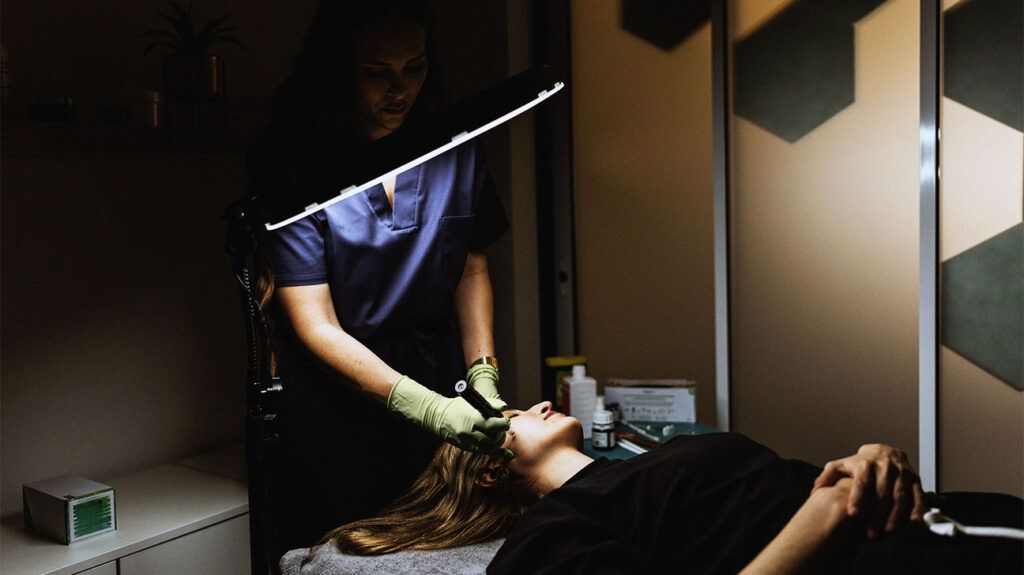
People with psoriasis may use light therapy or phototherapy to reduce symptoms and quickly improve flares.
The Excimer laser, of which XTRAC is one brand, works at a wavelength of 308 nanometers and uses the same principles as phototherapy but with faster results. The laser uses a highly concentrated form of ultraviolet (UV) B light to attack the DNA of T cells.
T cells are white blood cells that play a role in immunity. Scientists believe psoriasis is the result of an immune system problem involving T cells, resulting in changes to skin growth and the development of plaques.
The laser works through various mechanisms to improve the appearance of the plaques in psoriasis. One of these mechanisms affects the immune system, including the T cells.
The results of a 2023 study suggest that excimer laser treatment can help improve psoriasis-related inflammation and disrupt the psoriatic disease cycle overall.
Psoriasis is a chronic inflammatory condition involving a dysregulation of the immune system. It causes skin changes and other symptoms. There is no cure, but treatment can help people manage and improve their symptoms.
The XTRAC laser can improve symptoms but cannot treat the underlying condition that causes them.
For this reason, a person will need to continue treatment as long as there is skin involvement. Psoriasis involves flares, worsening symptoms, and periods of remission or subsidence.
XTRAC can help improve skin-related symptoms, but they may return when another flare occurs. That said, XTRAC excimer treatment can help reduce the length of a flare.
XTRAC can treat several forms of psoriasis but is most useful when it affects only small areas of the body.
Data on proper dosage has limits. It may depend on the type of psoriasis, the severity of the symptoms, the skin type, and the thickness of any lesions.
Research into the effectiveness of excimer lasers has been chiefly supportive. A 2024 article states that the laser absorbs keratinocytes and T-cells in the body, reducing inflammation that causes psoriasis and other skin conditions.
A 2020 study involving a 62-year-old male with scalp psoriasis using the excimer laser reported significant improvement after 5 weeks of treatment. A 2023 study found that using the excimer laser on psoriasis showed clinical improvement.
Psoriasis can trigger bothersome skin changes that can cause feelings of self-consciousness. Finding an effective treatment can help improve a person’s physical well-being and quality of life.
The XTRAC laser acts directly on the most visible symptoms of psoriasis, significantly reducing the severity and length of a flare.
Other benefits include:
- Rapid, visible results: Excimer lasers can quickly and effectively improve psoriasis plaques’ appearance.
- An alternative treatment: Some people prefer not to use other psoriasis medications or cannot tolerate the side effects. Others may have stubborn areas that may not be improving with topical therapy and instead may respond to the addition of an excimer laser.
- Relatively well tolerated: Excimer lasers tend to have minimal side effects, and treatment is not usually painful.
- No recovery needed: Excimer lasers can target specific areas, which helps prevent skin damage that psoriasis does not affect.
- Low UV exposure: Traditional phototherapy involves exposing large areas of skin to UV light. Excimer laser therapy can target a precise location, reducing the risk to other body parts.
There are a few risks associated with this kind of treatment:
Time
For the treatment to be effective, a person needs to repeat it, which can take time. Stubborn or extensive lesions can take longer to improve.
Cost
Some insurance plans may cover excimer laser treatment, but requirements vary. A person may have to try other treatments first, and they must often meet a deductible or pay a copayment. The cost will depend mainly on a person’s insurance plan.
Discomfort
Treatment with excimer lasers is relatively painless, but some people experience burning or a hot sensation during the procedure.
Side effects
Side effects tend to be minimal, especially compared with medications such as steroids and biologics. However, they may include:
- redness in light skin or purpleness in dark skin
- blisters
- temporary pain
- pigmentation changes
If blisters form, people should leave them to dry out and not pop them. The treated skin can become infected, but this is uncommon.
A person will generally continue to use their regular medication alongside laser treatment, but they should speak to their doctor before having the treatment.
The XTRAC laser is not the only phototherapy-based treatment for psoriasis. For some forms of psoriasis, particularly nail psoriasis, treatment with pulsed dye laser (PDL) may be a better option.
PDL treatment uses a device filled with pigment molecules. Light from the device causes these molecules to emit radiation. PDL treatment targets specific substances that selectively absorb energy from the laser. This produces heat, which destroys diseased tissue.
This treatment is usually safe, but skin injuries can occur if healthy skin absorbs radiation. Side effects include bruising, infection, and other skin injuries.
Other light therapies that may help
A person should talk with their doctor before taking herbal supplements and only seek light treatment from a qualified professional.
People with psoriasis should weigh these risks against potential benefits while comparing the likely effectiveness of different treatment options.
Other psoriasis treatments
There is no cure for psoriasis, but appropriate treatment can often result in long-term remission.
Combining two or more therapies may offer additional relief. Other treatments to try include:
- Biologic drugs: Biologics appear to work by targeting the dysregulation in the immune system that occurs in psoriasis. They help reduce flares and improve symptoms but may have adverse effects. A person will usually take them as an injection or infusion, in the doctor’s office but sometimes at home.
- Systemic drugs: Cyclosporine, methotrexate, and oral retinoids are some examples. These can improve symptoms, but they may also have adverse effects.
- Topical remedies: Treatments that a person can apply directly to the skin include corticosteroids and synthetic vitamin D.
Is it possible to manage psoriasis?
A person may also wish to try some methods and home remedies, such as avoiding known triggers, to help manage psoriasis and avoid flare-ups.
Avoiding stress, smoking, alcohol, and certain foods may help. Certain medications and working to lower the risk of infections may also be worth avoiding.
Some people with psoriasis follow special diets, but there is no evidence that one diet is better than another for treating it.
Yes, several studies and reviews say XTRAC laser can help reduce inflammation in psoriasis.
Laser treatment can help psoriasis for various reasons, including treating harder-to-reach areas such as the nose and ears by slowing down the growth of skin cells.
XTRAC may take a few sessions to work before a person sees results.
Light therapy, including treatment with an XTRAC excimer laser, may help reduce the symptoms of psoriasis.
However, a person should speak to their doctor to check that this treatment is appropriate.