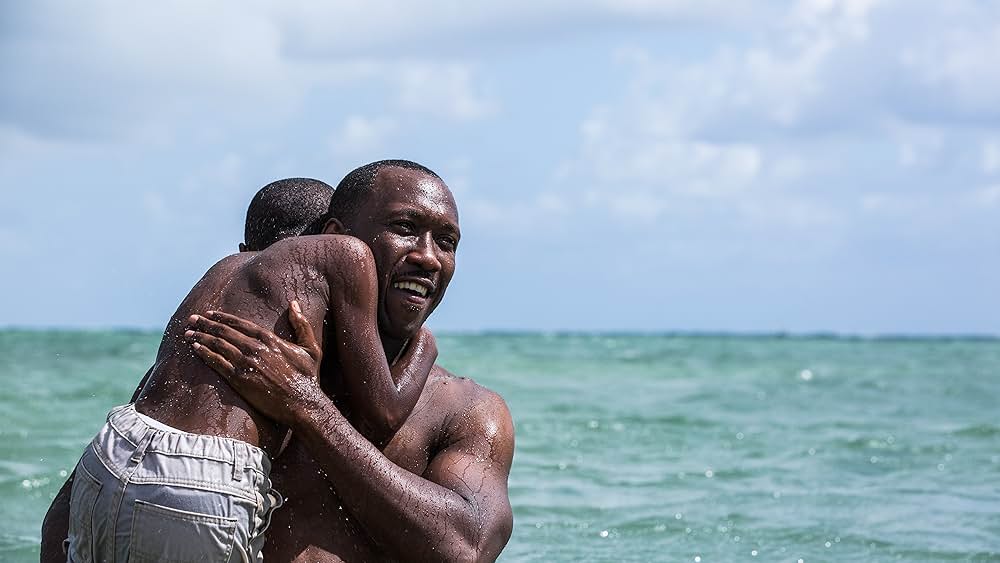
After losing their son Hamnet to plague, Agnes and William Shakespeare grapple with grief in 16th-century England. A healer, Agnes must find strength to care for her surviving children while... Read allAfter losing their son Hamnet to plague, Agnes and William Shakespeare grapple with grief in 16th-century England. A healer, Agnes must find strength to care for her surviving children while processing her devastating loss.After losing their son Hamnet to plague, Agnes and William Shakespeare grapple with grief in 16th-century England. A healer, Agnes must find strength to care for her surviving children while processing her devastating loss.
Coming soon
Releases January 21, 2026
- Awards
- 38 wins & 199 nominations total
- Director
- Writers
- All cast & crew
- Production, box office & more at IMDbPro
Featured reviews
What a beautiful movie from Chloé Zhao. The film follows the life of a regular family in a past era, focusing on their relationships and how they deal with life's challenges. It's about love, loss, and family bonds, but it doesn't hit you over the head with drama. Things unfold slowly and quietly - small gestures, looks, and silences speak just as much as words. The English countryside almost feels alive, quietly watching over the family, and the story shows that human emotions - grief, care, hope - are timeless, even across centuries.
It's admirable that Chloé Zhao had the courage and insight to write and direct this almost Shakespearian story. William and Agnes bring twin children into the world, and the loss of one puts them in an incredibly tragic situation. Yet they have to find a way to keep going - as much as humans can - despite the pain.
Hamnet captures both darkness and grace in one of the most unapologetically raw and profoundly moving films I've seen this year. It features career-best performances from both Jessie Buckley and Paul Mescal, and it stands as Chloé Zhao's most accomplished work.
For me, it was a deeply emotional experience. The film doesn't scream its drama; it hints at it through tiny gestures, lingering looks, quiet moments, and family intimacy. You feel the characters' sorrow, hope, and concern - almost like you're living those moments alongside them. It's not an explosive movie; it moves you subtly and persistently, making you empathize with their loss and their struggle to carry on.
It's admirable that Chloé Zhao had the courage and insight to write and direct this almost Shakespearian story. William and Agnes bring twin children into the world, and the loss of one puts them in an incredibly tragic situation. Yet they have to find a way to keep going - as much as humans can - despite the pain.
Hamnet captures both darkness and grace in one of the most unapologetically raw and profoundly moving films I've seen this year. It features career-best performances from both Jessie Buckley and Paul Mescal, and it stands as Chloé Zhao's most accomplished work.
For me, it was a deeply emotional experience. The film doesn't scream its drama; it hints at it through tiny gestures, lingering looks, quiet moments, and family intimacy. You feel the characters' sorrow, hope, and concern - almost like you're living those moments alongside them. It's not an explosive movie; it moves you subtly and persistently, making you empathize with their loss and their struggle to carry on.
Hamnet is a film that feels almost unbearably intimate, as if we've been granted access to a private grief that was never meant for our eyes. The lead actors deliver performances so raw and tremulous they feel lived-in rather than acted, turning every glance and hesitation into something quietly devastating. Each scene unfolds with the fragility of a memory you're afraid to touch and so close to melodrama and melancholy that it threatens to tip over, yet always pulls back into something truer. The film's restraint becomes its greatest power, allowing quiet ache to bloom where spectacle could have easily taken over.
By its final act, Hamnet reveals why this story had to be told at all. Everything, the lingering looks, the muted sorrow, the tension between love and loss, suddenly locks into place with heartbreaking clarity. If you know Shakespeare even a little, the film reshapes him entirely, reframing pieces of his legacy you didn't know were fractured. It is deeply moving in a way that feels personal and unguarded, the kind of emotional honesty that reaches in and gently breaks something open inside you. You will cry. Not because the film demands it, but because it earns it. It's slowly, intimately, profoundly.
This movie is about remembrance, dedication, love.
I came in knowing almost nothing and only fully realized this was about Shakespeare near the very end of the movie. In a sense, I wish I knew more about Shakespeare's history and the story of hamlet. However, I feel coming in with nothing actually added more to the film and its emotion; not fully understanding what was happening till the very end made it so much stronger going into that last march. To be honest I wasn't fully convinced with the first half of the film, but the last part brought it all back making everything make sense again.
The introduction of the theater is crucial to prepare the audience for the scene that's about to unfold. The camera and angles from the beginning of the theater scene builds the suspense: the feeling of who Will has become, and the meaning of this play combined with the tension between them two.
The acting is also incredible with paul and jacobi's performances truly making the movie - raw, authentic, and full of emotion. Particularly Paul's "again" scene. It might be worth an award.
The costume design is well thought out and the blonde hair paint and blue costume really stands out. The attention to detail with the ghost's white clay...
The final scene of the crowd reaching out and Hamnet turning away was the most heart wrenching and beautiful of the film and did bring me to tears.
I came in knowing almost nothing and only fully realized this was about Shakespeare near the very end of the movie. In a sense, I wish I knew more about Shakespeare's history and the story of hamlet. However, I feel coming in with nothing actually added more to the film and its emotion; not fully understanding what was happening till the very end made it so much stronger going into that last march. To be honest I wasn't fully convinced with the first half of the film, but the last part brought it all back making everything make sense again.
The introduction of the theater is crucial to prepare the audience for the scene that's about to unfold. The camera and angles from the beginning of the theater scene builds the suspense: the feeling of who Will has become, and the meaning of this play combined with the tension between them two.
The acting is also incredible with paul and jacobi's performances truly making the movie - raw, authentic, and full of emotion. Particularly Paul's "again" scene. It might be worth an award.
The costume design is well thought out and the blonde hair paint and blue costume really stands out. The attention to detail with the ghost's white clay...
The final scene of the crowd reaching out and Hamnet turning away was the most heart wrenching and beautiful of the film and did bring me to tears.
I read Maggie O'Farrell's novel Hamnet and admired it a great deal. Then I saw the film, directed by Chloé Zhao, and I have to say: I liked the movie even more.
The acting is quietly astonishing. No one is pushing, no one is showing off. It's all deeply human, moment to moment, from the first frame to the last. This is one of those films where small things planted early on actually matter later - and when they finally come back around, they land with real emotional weight. You might want to have a box of Kleenex nearby. I'm not kidding.
There's a lot of patience here. The pacing is extremely slow - slower than almost any modern film I can think of - and that is very clearly a deliberate choice, not a mistake. Whether that works for you will depend on how willing you are to sit still and let a story unfold on its own terms. For me, it did.
What I responded to most was the humanity of it. Grief, love, endurance, memory - all handled without sentimentality or manipulation. The film trusts its audience, and that trust is rewarded by the time you reach the end, which is genuinely beautiful.
I gave it an 8/10.
It's not a movie for everyone, but if you're willing to slow down and really watch, Hamnet stays with you.
The acting is quietly astonishing. No one is pushing, no one is showing off. It's all deeply human, moment to moment, from the first frame to the last. This is one of those films where small things planted early on actually matter later - and when they finally come back around, they land with real emotional weight. You might want to have a box of Kleenex nearby. I'm not kidding.
There's a lot of patience here. The pacing is extremely slow - slower than almost any modern film I can think of - and that is very clearly a deliberate choice, not a mistake. Whether that works for you will depend on how willing you are to sit still and let a story unfold on its own terms. For me, it did.
What I responded to most was the humanity of it. Grief, love, endurance, memory - all handled without sentimentality or manipulation. The film trusts its audience, and that trust is rewarded by the time you reach the end, which is genuinely beautiful.
I gave it an 8/10.
It's not a movie for everyone, but if you're willing to slow down and really watch, Hamnet stays with you.
Hamnet is a film that genuinely surprised me. It took quite a while before I finally made the decision to see it in theaters, largely because it never felt like a priority viewing. On paper, it seemed like one of those historical dramas that might be beautifully made but emotionally distant or even dull. I fully expected a slow, academic experience rather than something that would truly resonate.
That expectation could not have been more wrong. From the moment the film begins, Hamnet reveals itself as a deeply intimate and emotionally devastating story. Rather than functioning as a traditional Shakespeare biopic, the film focuses on the quiet, personal tragedy behind the legend-specifically the love between William Shakespeare and his wife, and the unbearable loss of their son. This grounding approach makes the story feel raw, human, and painfully relatable.
What works especially well is how the film explores grief as something corrosive and isolating. Shakespeare's absence during his son's death becomes a wound that never heals within the marriage. His wife's resentment feels earned and heartbreaking, not exaggerated for drama. Their relationship slowly fractures under the weight of loss, and the film never tries to soften that reality or provide easy forgiveness.
The structure of the film is also surprisingly accessible. While Shakespearean language appears during the stage performances, the film itself avoids drowning the audience in heavy dialogue. This "play within the film" approach allows viewers to appreciate the artistry without feeling alienated or lost. It keeps the emotional focus on the characters rather than the language.
The mystical undertones involving the wife's lineage as the daughter of a forest witch add an eerie, poetic layer to the story. These elements feel symbolic rather than fantastical, reinforcing themes of fate, intuition, and unresolved sorrow. It gives the film a distinct identity, separating it from more conventional Shakespeare adaptations that often feel repetitive or overly theatrical.
Ultimately, Hamnet stands out because it refuses to follow the familiar rhythms of Shakespeare-centered films. Instead of spectacle, it offers intimacy. Instead of reverence, it offers vulnerability. It's a haunting, powerful experience that lingers long after the credits roll, proving that even well-trodden historical ground can feel fresh when approached with honesty and emotional courage.
That expectation could not have been more wrong. From the moment the film begins, Hamnet reveals itself as a deeply intimate and emotionally devastating story. Rather than functioning as a traditional Shakespeare biopic, the film focuses on the quiet, personal tragedy behind the legend-specifically the love between William Shakespeare and his wife, and the unbearable loss of their son. This grounding approach makes the story feel raw, human, and painfully relatable.
What works especially well is how the film explores grief as something corrosive and isolating. Shakespeare's absence during his son's death becomes a wound that never heals within the marriage. His wife's resentment feels earned and heartbreaking, not exaggerated for drama. Their relationship slowly fractures under the weight of loss, and the film never tries to soften that reality or provide easy forgiveness.
The structure of the film is also surprisingly accessible. While Shakespearean language appears during the stage performances, the film itself avoids drowning the audience in heavy dialogue. This "play within the film" approach allows viewers to appreciate the artistry without feeling alienated or lost. It keeps the emotional focus on the characters rather than the language.
The mystical undertones involving the wife's lineage as the daughter of a forest witch add an eerie, poetic layer to the story. These elements feel symbolic rather than fantastical, reinforcing themes of fate, intuition, and unresolved sorrow. It gives the film a distinct identity, separating it from more conventional Shakespeare adaptations that often feel repetitive or overly theatrical.
Ultimately, Hamnet stands out because it refuses to follow the familiar rhythms of Shakespeare-centered films. Instead of spectacle, it offers intimacy. Instead of reverence, it offers vulnerability. It's a haunting, powerful experience that lingers long after the credits roll, proving that even well-trodden historical ground can feel fresh when approached with honesty and emotional courage.
How 'Hamnet' Shows a New Side of Shakespeare
IMDb spoke to Hamnet star Paul Mescal (William Shakespeare) and director Chloé Zhao about how the biographical drama uncovers a new side of Shakespeare that goes beyond his writing.
Did you know
- TriviaWhile the name of Shakespeare's wife is usually spelled Anne Hathaway, in legal documents her father spelled her name Agnes. In the early modern period it was common for names to have alternate spellings. Maggie O'Farrell chose to use the name Agnes for her protagonist.
- GoofsWhen William Shakespeare is playing Hamlet's father's ghost when Hamlet is being performed towards the end, Agnes expresses surprise that William is performing in the play. In reality, William Shakespeare's primary occupation during his lifetime was as an actor. It was where his steady income came from, and, thus, his wife would have been aware of him as an actor.
- ConnectionsFeatured in Today: Episode dated 21 November 2025 (2025)
- SoundtracksMy Robin To The Greenwood Gone
written by Traditional
2025 TIFF Festival Guide
See the current lineup for the 50th Toronto International Film Festival this September.
- How long is Hamnet?Powered by Alexa
Details
- Release date
- Countries of origin
- Official site
- Language
- Also known as
- Гамнет
- Filming locations
- Weobley, Herefordshire, England, UK(Location)
- Production companies
- See more company credits at IMDbPro
Box office
- Budget
- $30,000,000 (estimated)
- Gross US & Canada
- $10,367,755
- Opening weekend US & Canada
- $932,278
- Nov 30, 2025
- Gross worldwide
- $10,482,178
- Runtime
- 2h 5m(125 min)
- Color
Contribute to this page
Suggest an edit or add missing content