[go: up one dir, main page]

Off
View Post
SPARK is Art: Curated Encounters for the City by Dr. Cara Courage

SPARK is Art: Curated Encounters for the City by Dr. Cara Courage

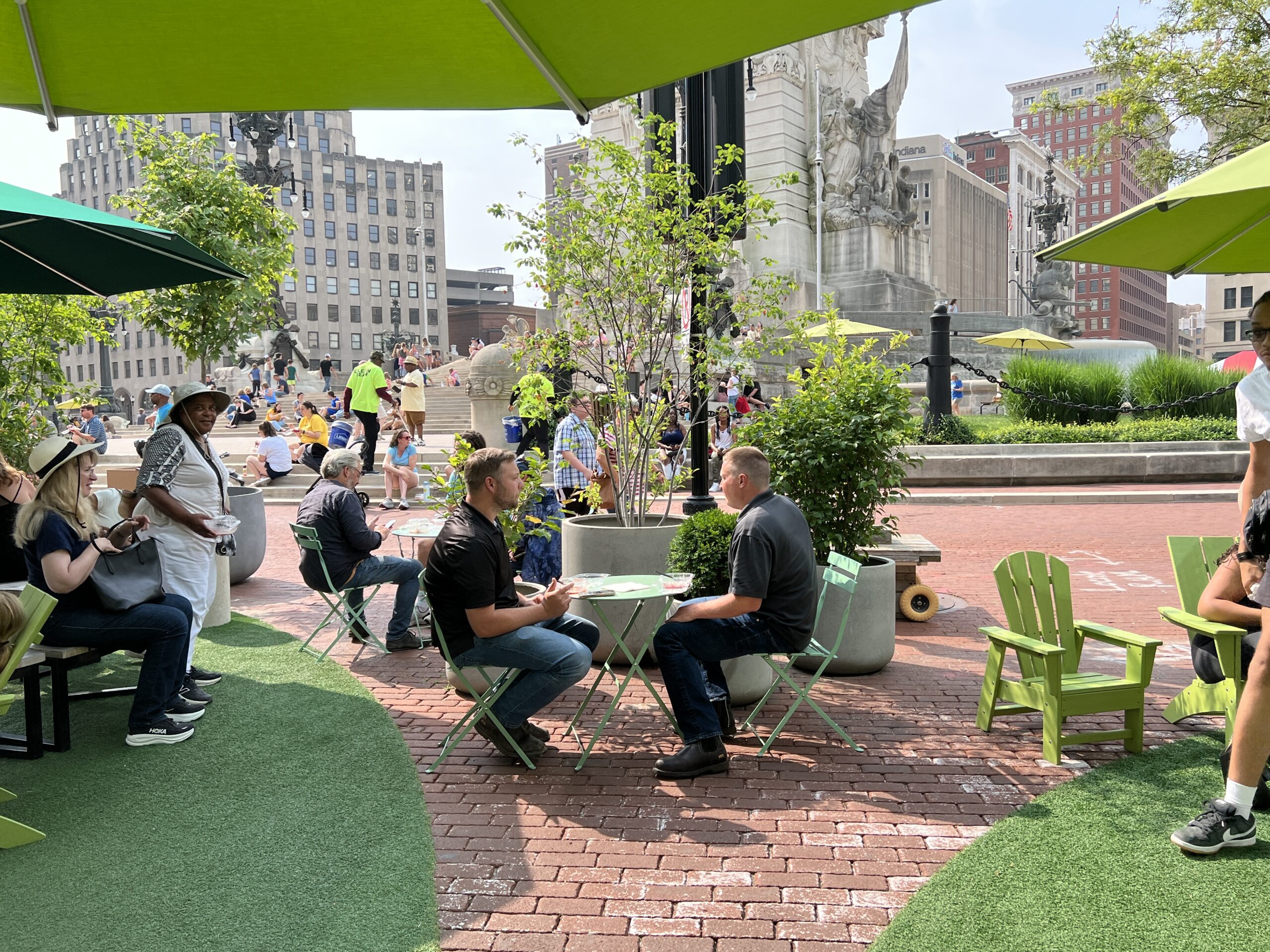
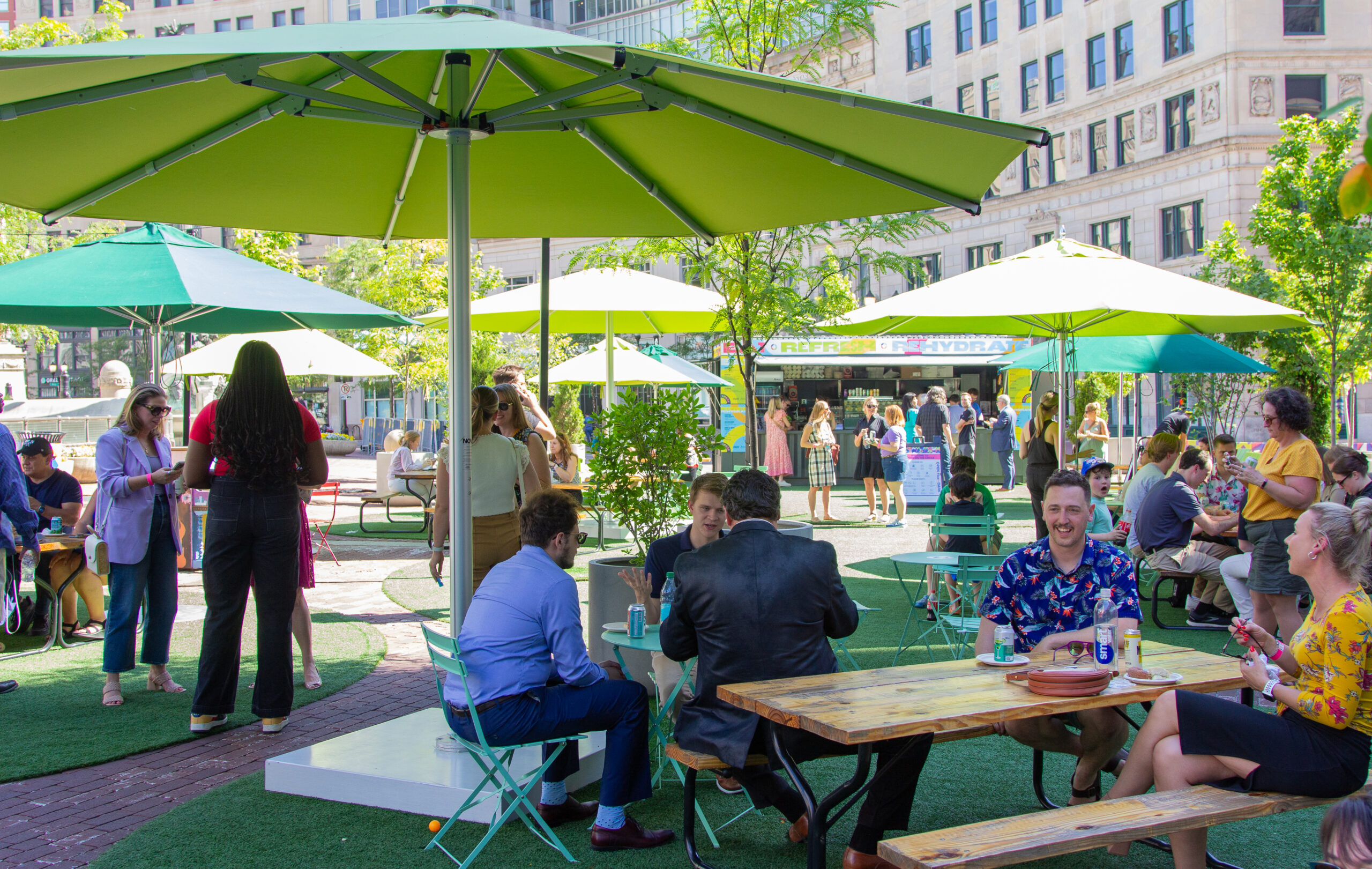
When SPARK first appeared on Monument Circle in downtown Indianapolis in 2015, it may have been easy to mistake for a summer program of casual activities. Look a little past the first impression and you’ll see SPARK is not a backdrop to life in the Circle, it is art unfolding through play, encounter, and exchange.

A Curated Social Practice

SPARK is curated and authored by Big Car Collaborative, the Indianapolis arts organization long recognised for its leadership in socially engaged art and placemaking. SPARK — an ongoing partnership with the City of Indianapolis and the Downtown Indy Alliance — is not merely incidental sociability, nor public entertainment. It’s much more.

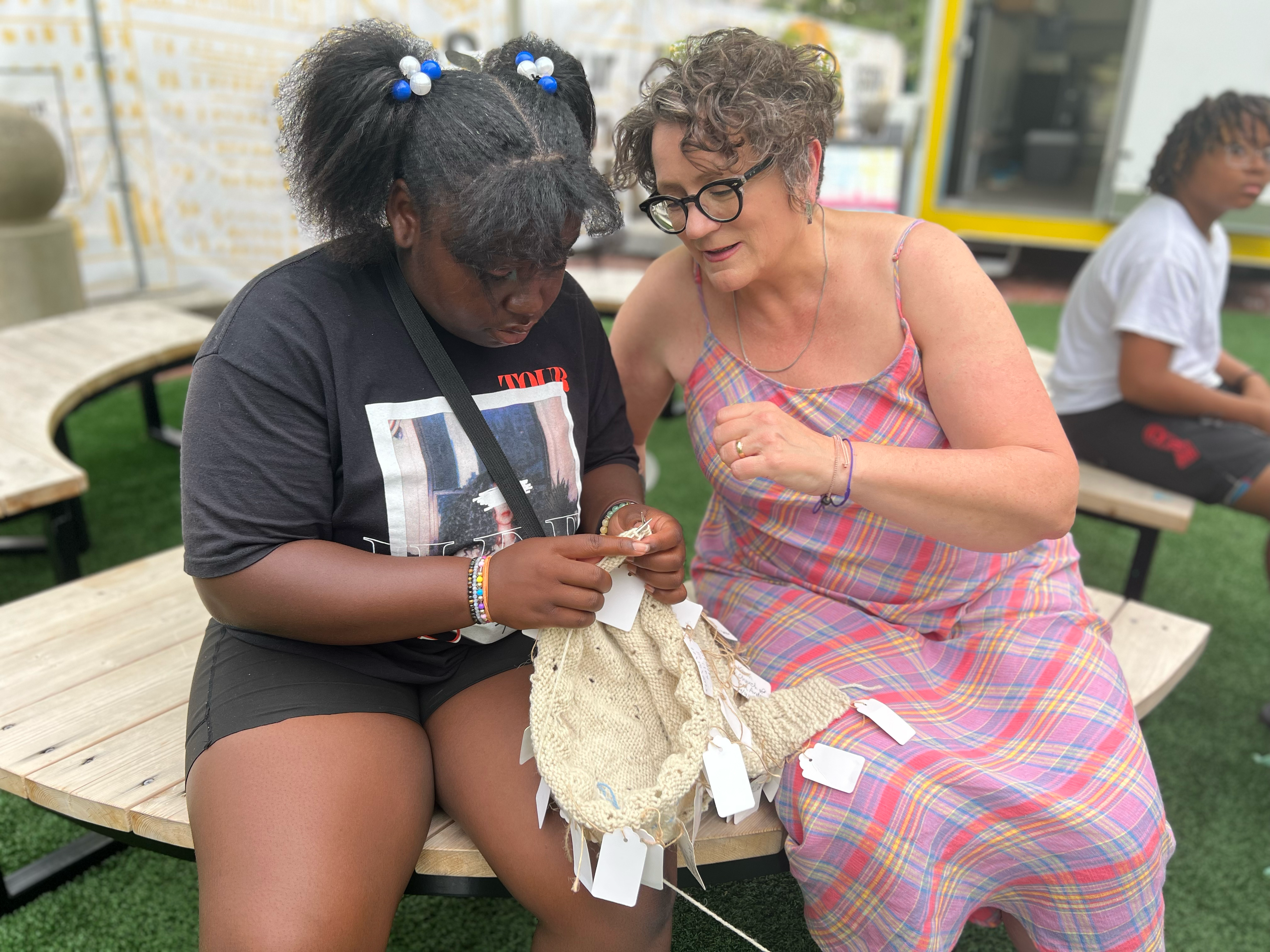
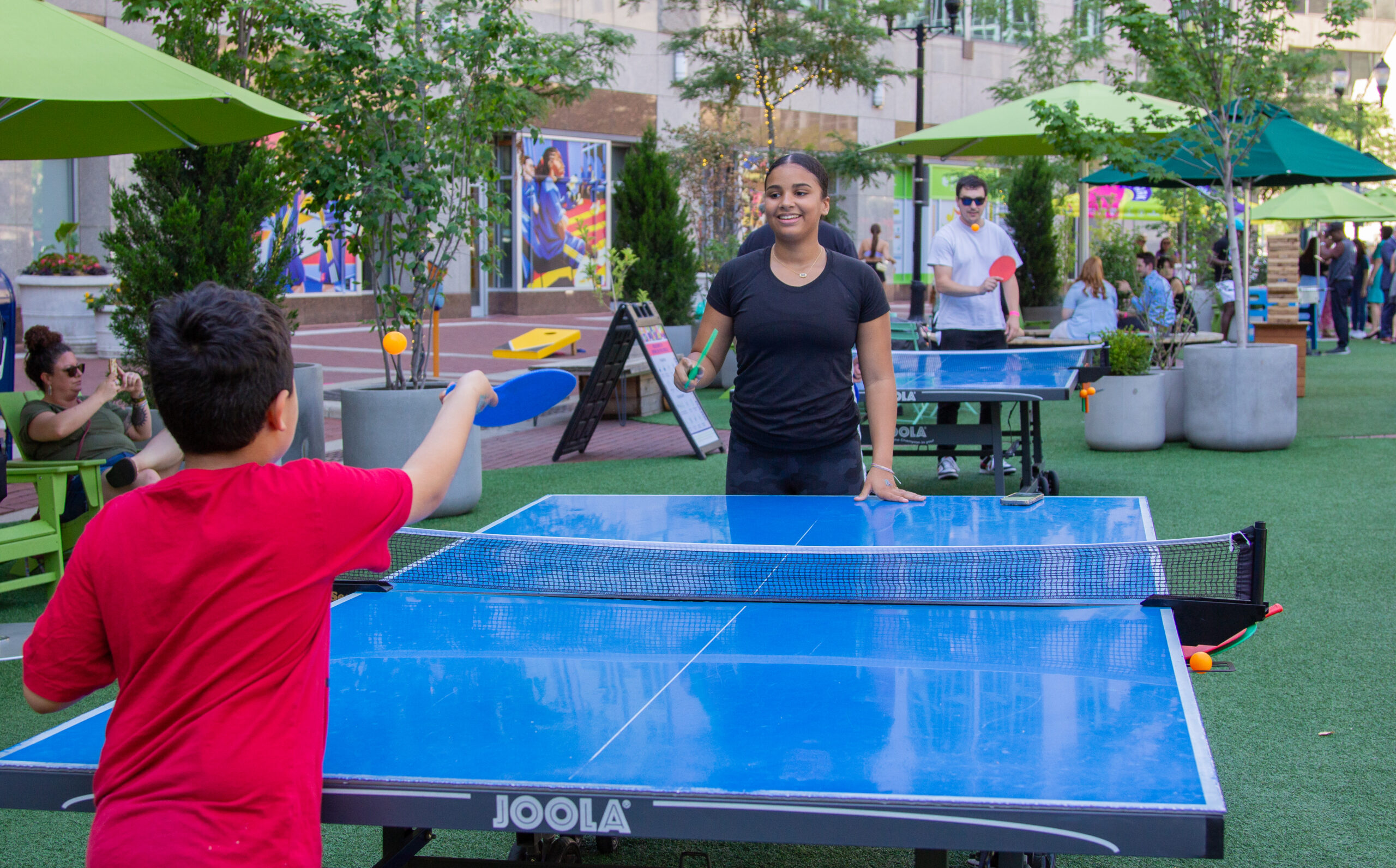
Big Car’s team of staff artists, working in design, writing, performance, and more, builds a framework in the circle’s expanse that is treated as both canvas and stage. Objects, seating, and interventions are placed not for decoration but as everyday props that spark interaction. From a ping pong table to lunchtime poetry, to a procession, to a making workshop, SPARK shifts art’s focus from the object — what is made — to the encounter — what happens between people.

Big Car’s authorship is visible in this structuring. The choices of what to install, who to invite, and how to pace the unfolding of the program are aesthetic decisions. Just as a curator arranges artworks in a gallery, Big Car arranges conditions for people to encounter one another differently in public space. This is not accidental conviviality. It is a designed and durational art practice, steeped in reflexivity, artistic judgment, and collaborative authorship.

Claiming Place in the Canon

Social practice art (put very simply, creative work where the process of people coming together is the art) has often been under-recognised in comparison to architecture or design when it operates in public space. The architect of a plaza may be celebrated, while the artist who activates, nurtures and evolves its use is overlooked. SPARK challenges this imbalance by demonstrating that curating social life is itself an art form, no less rigorous than sculpture or painting.

In the lineage of socially engaged art in the States, SPARK belongs alongside projects such as Allan Kaprow’s 1960s “happenings” where audiences became the artwork and Suzanne Lacy’s “new genre public art” in the 1980s and ‘90s, where artists worked directly with communities on issues that mattered to them. This is seen also with Rick Lowe’s Project Row Houses in Houston and Theaster Gates’ Rebuild Foundation in Chicago.

SPARK’s  contribution is distinctive. It reimagines a civic monument not through permanent alteration but through temporary inhabitation. The monument remains unchanged in stone, but profoundly altered in meaning as people experience it as a place of play, dialogue, and co-creation. It resonates with American philosopher and educator John Dewey’s idea of “art as experience,” where meaning is made in doing, and where everyday life is reframed through creative encounters.

I first experienced SPARK in its opening year, 2015, when I was in Indianapolis researching Big Car’s practice for my PhD. I spent days at Monument Circle, observing how a civic landmark was reshaped through everyday encounters. What I saw was not a temporary festival but a carefully curated artwork that treated public life itself as material. Since then, I have followed Big Car’s work closely, writing about SPARK in Arts in Place (2017) and keeping in touch with the organization as it has evolved. This long view allows me to see SPARK not just as a series of seasonal programs, but as a sustained contribution to the international conversation on socially engaged art.

Social Benefit Through Artistic Means

SPARK is not an isolated festival but part of Big Car’s long trajectory of socially engaged work across Indianapolis. The collaborative has cultivated a deliberate aesthetic strategy that invites participation and, in the process, leaves people seeing both themselves and each other differently.

Big Car’s ethos is that even brief engagement can be transformative. A passer-by who joins in painting or conversation may, in that moment, see themselves differently: I am an artist today. Yet too — participants do not need to name their actions as art to benefit from them. What matters is that the process is conceived and held by artists, who use aesthetic tools to generate access, reduce barriers, and open civic dialogue.

SPARK reshapes how people imagine their role in public life and how they relate to their city long after the moment has passed. This authorship matters. Without Big Car’s framing, SPARK would be simply a civic amenity. With it, SPARK is part of the canon of socially engaged art, offering both social benefit and artistic innovation.

As socially engaged art has matured internationally, it has faced the risk of being absorbed into policy jargon or reduced to instrumental outcomes. SPARK resists this by remaining rooted in artistic process. It is art first, even as it delivers civic and social benefits. Its success lies in holding these together, and in doing so it has helped shape new understandings of what art in public space can be.

Looking Forward

Ten years on, SPARK still reimagines the Circle. Each season it remakes the familiar into something alive: a monument that becomes a meeting place, a plaza that becomes a playground, a civic space that becomes a stage. In both the US and the UK, public spaces have become increasingly contested, with rising polarisation, social isolation, and pressures on civic life.

Against this backdrop, SPARK matters all the more. It models a different possibility: people sharing space without barriers, talking to strangers, and seeing themselves as part of a larger whole. These encounters may seem modest, but they are acts of civic imagination. They suggest that another kind of public culture is possible, one based not on division, but on participation and care.

In a cultural landscape that can overlook the value of socially engaged art, SPARK is proof of its power. It does not monumentalize form; it monumentalizes encounter. And in doing so, it secures its place in the canon of socially engaged art — not as footnote, but as exemplar.

Dr. Cara Courage is a culture, communities, and place consultant, and placemaking practitioner, writer, and broadcaster. Her PhD research (2014–2017) focused on Big Car, the Indianapolis-based socially engaged art and placemaking organisation with which she has continued to collaborate and research ever since. She is Editor-Convenor of the Routledge Handbook of Placemaking (2021) and Co-Editor-Convenor of Trauma-Informed Placemaking (Routledge, 2024).

0
View Post
SPARK Lives Here: The Spirit of Indianapolis by Dr. Cara Courage

SPARK Lives Here: The Spirit of Indianapolis by Dr. Cara Courage

A recent visit to Indianapolis reminded me all over again how special this city is — its people, its energy, its generosity of spirit. Retracing familiar ground, I found myself once more thinking about SPARK and how it transforms the iconic heart of the city that is Monument Circle into something more than a landmark — into a place alive with the rhythm of everyday life.

Indianapolis has always had a strong sense of community, that “Midwest neighborliness” visitors (myself very much included) notice and residents treasure. And SPARK celebrates this. The lunchtime regulars, the office workers, the musicians and poets, the volunteers who make the space sing.

I first experienced SPARK in its opening year, 2015, when I was in Indianapolis researching Big Car Collaborative’s practice for my PhD. I spent days at Monument Circle, observing how a civic landmark was reshaped through everyday encounters.

What I saw was not a temporary festival but a carefully curated artwork that treated public life itself as material. Since then, I have followed Big Car’s work closely, writing about SPARK in Arts in Place (2017) and keeping in touch with the organization as it has evolved. This long view allows me to see SPARK as a sustained contribution to the international conversation on placemaking and socially engaged art.

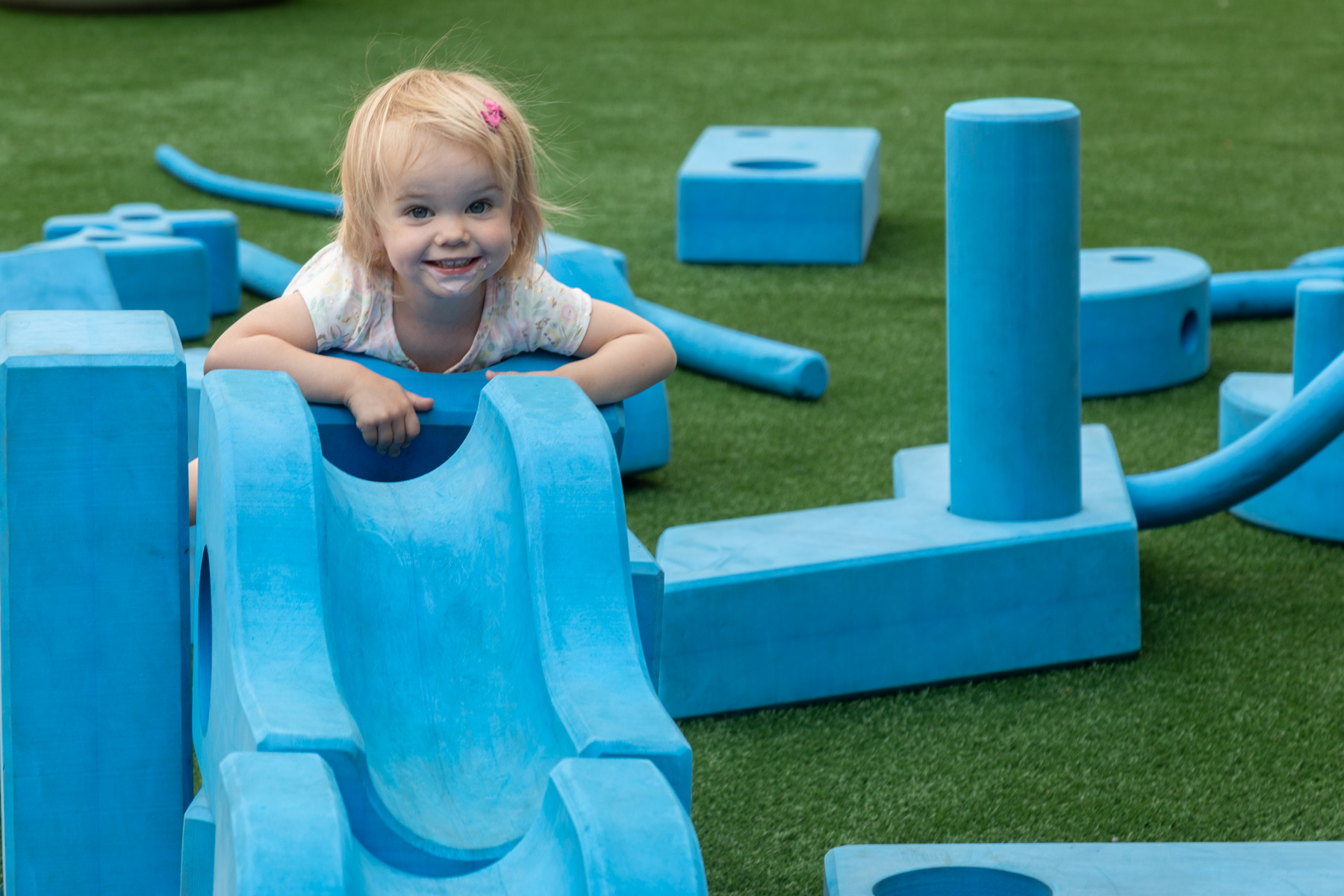
SPARK has never been about spectacle. Its beauty lies in the ordinary, the small, human moments that make Indy feel like home. Whether it’s a game of ping pong, a quiet poem at lunchtime, or children drawing with chalk under the monument’s shadow, SPARK reminds us that creativity lives beyond galleries or stages.

It’s here in the ways people use and care for their city. And it’s not about changing the city. It’s about seeing the city and its people at their best. It doesn’t import ideas from elsewhere. It grows them from the ground up.

Big Car’s current work at the Circle — in partnership with the Downtown Indy Alliance and the City of Indianapolis — shows how art can bring out the pride that already lives here. The sound of laughter across the plaza, a smile between strangers, a family lingering a little longer: these are the markers of a city that knows its worth.

I’ve heard SPARK described as a “living room” for downtown. But perhaps it’s better thought of as Indy’s front porch — that very American place of welcome, hospitality, and easy connection. Just as the porch has long been where neighbors meet, share stories, and watch the world go by, Monument Circle becomes a shared threshold between public and private life, where everyone is welcome to sit for a while and feel part of this place they call home.

With SPARK, every visitor — whether a lifelong Hoosier or someone just passing through — finds a sense of belonging. It shows that joy itself is a civic strength, and that pride in place isn’t something to be built. It’s something to be felt. Success isn’t measured in visitor numbers alone, but in smiles, conversations, and the quiet sense that downtown is ours. Big Car’s artists have always understood that these moments are anything but trivial. They are what give a city its heart.

And so, as I walk Indy again, I see SPARK in the spirit of the place, in the way Indianapolis carries itself: confident, kind, and quietly proud. In celebrating the everyday — the shared bench, the impromptu chat, the laughter over a lunchtime poem — SPARK celebrates Indianapolis itself.

Dr. Cara Courage — a culture, communities, and place consultant based in the United Kingdom — has published three books on placemaking and socially engaged art with Routledge. Named in the top 10 of place thinkers worldwide, Courage has studied Big Car’s work in Indianapolis since 2015.

0
View Post
Apply for a Studio or Storefront at the Contemporary Art Museum of Indianapolis (CAMi)!

Apply for a Studio or Storefront at the Contemporary Art Museum of Indianapolis (CAMi)!

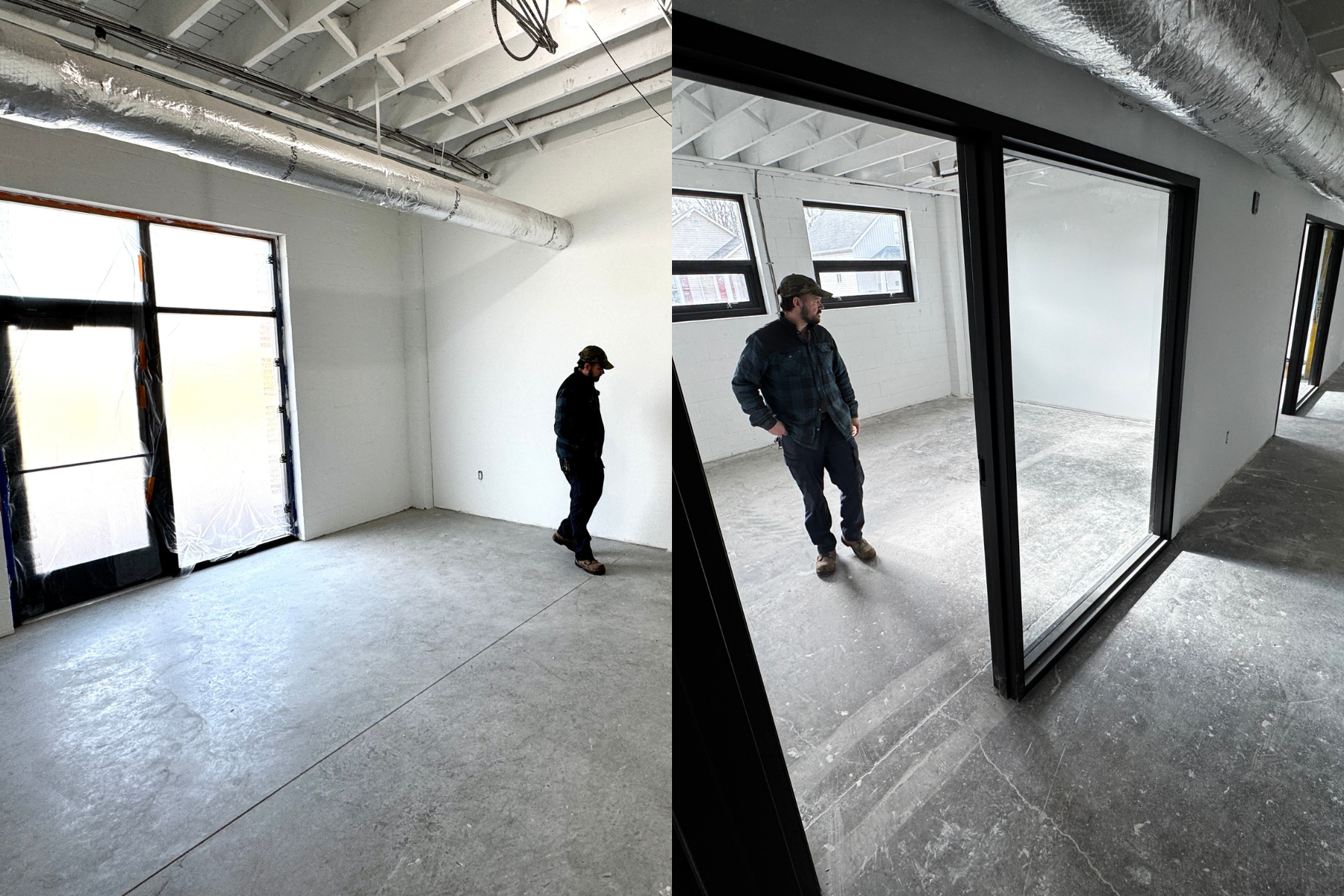
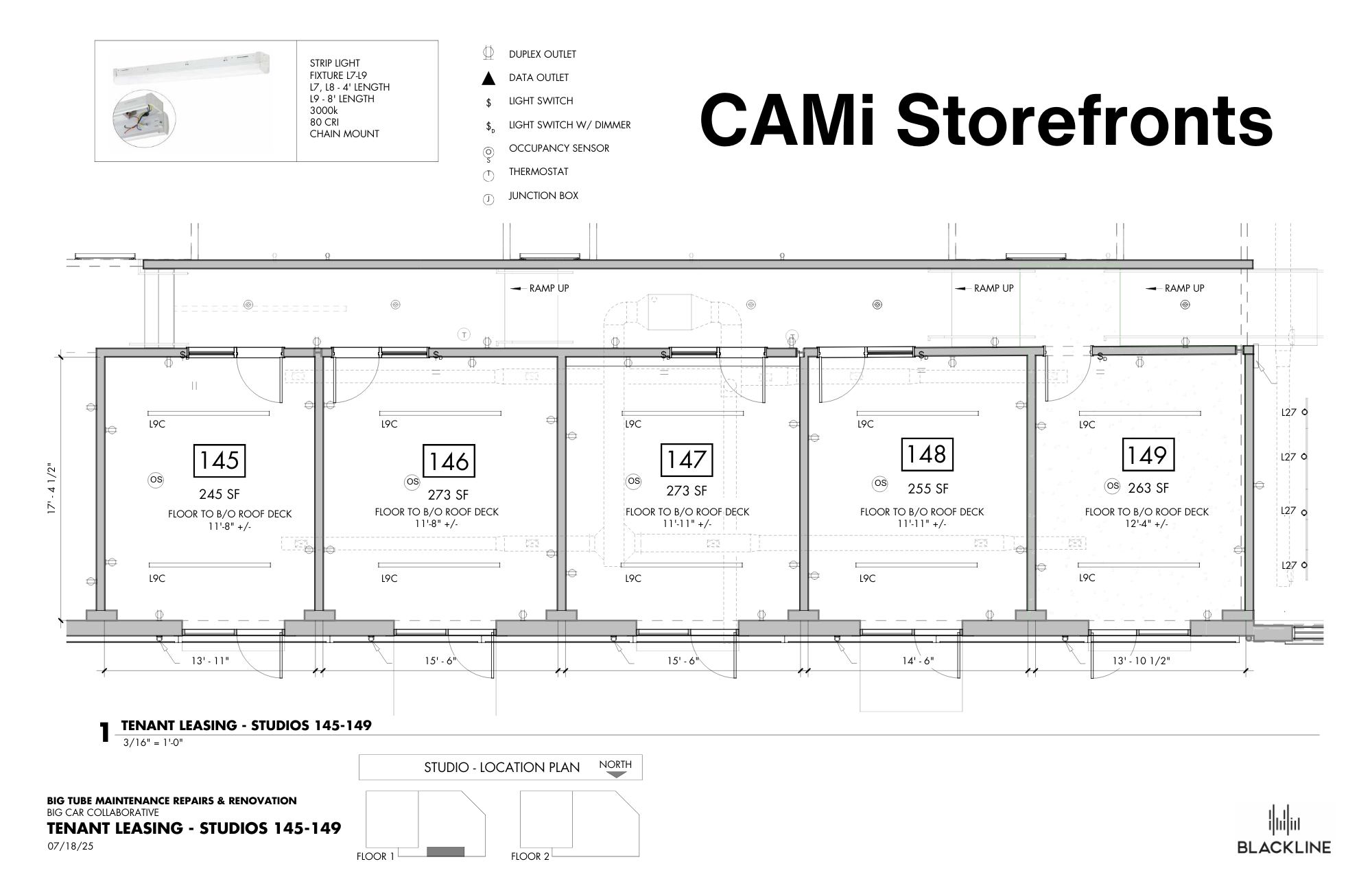
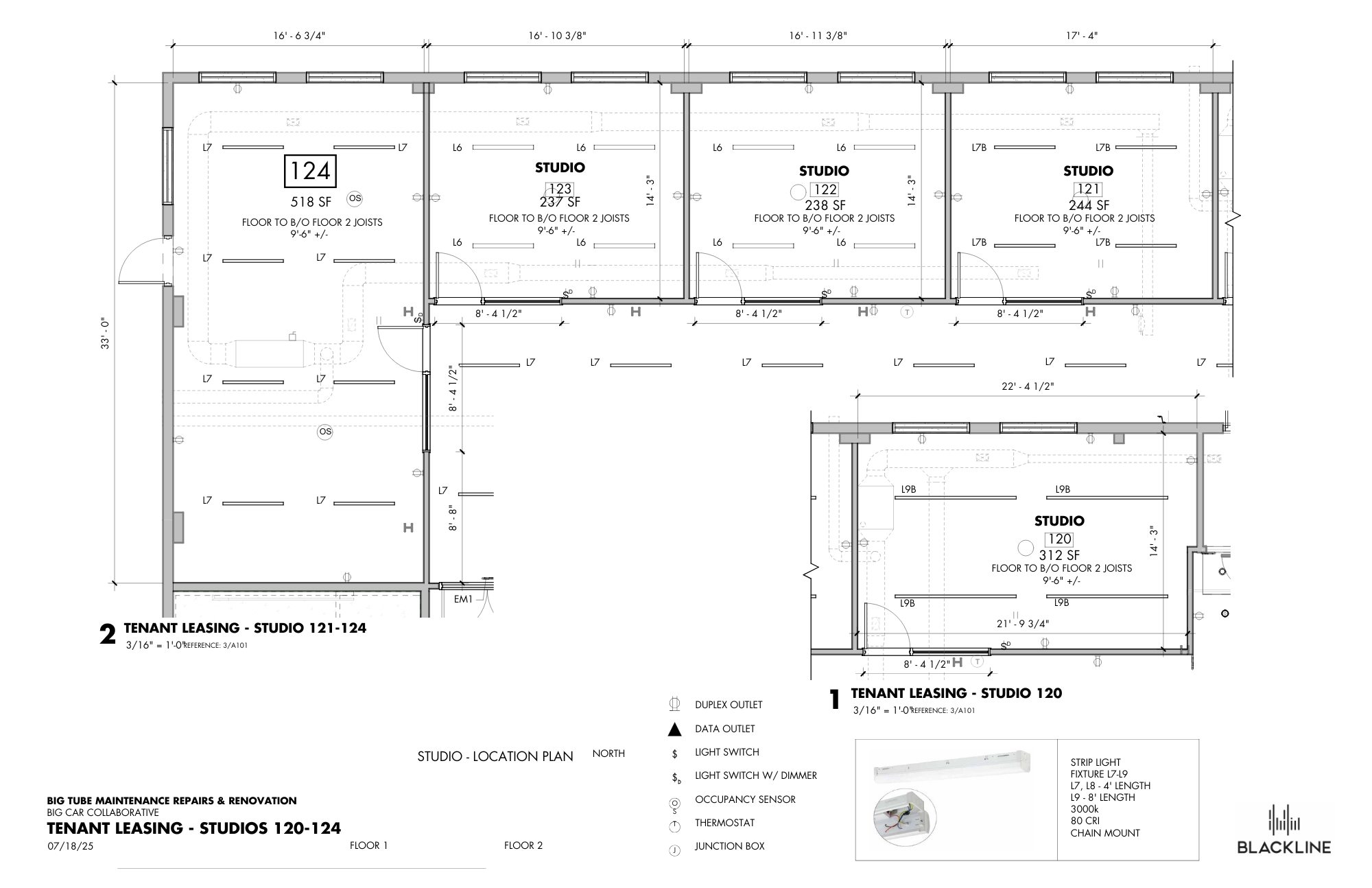
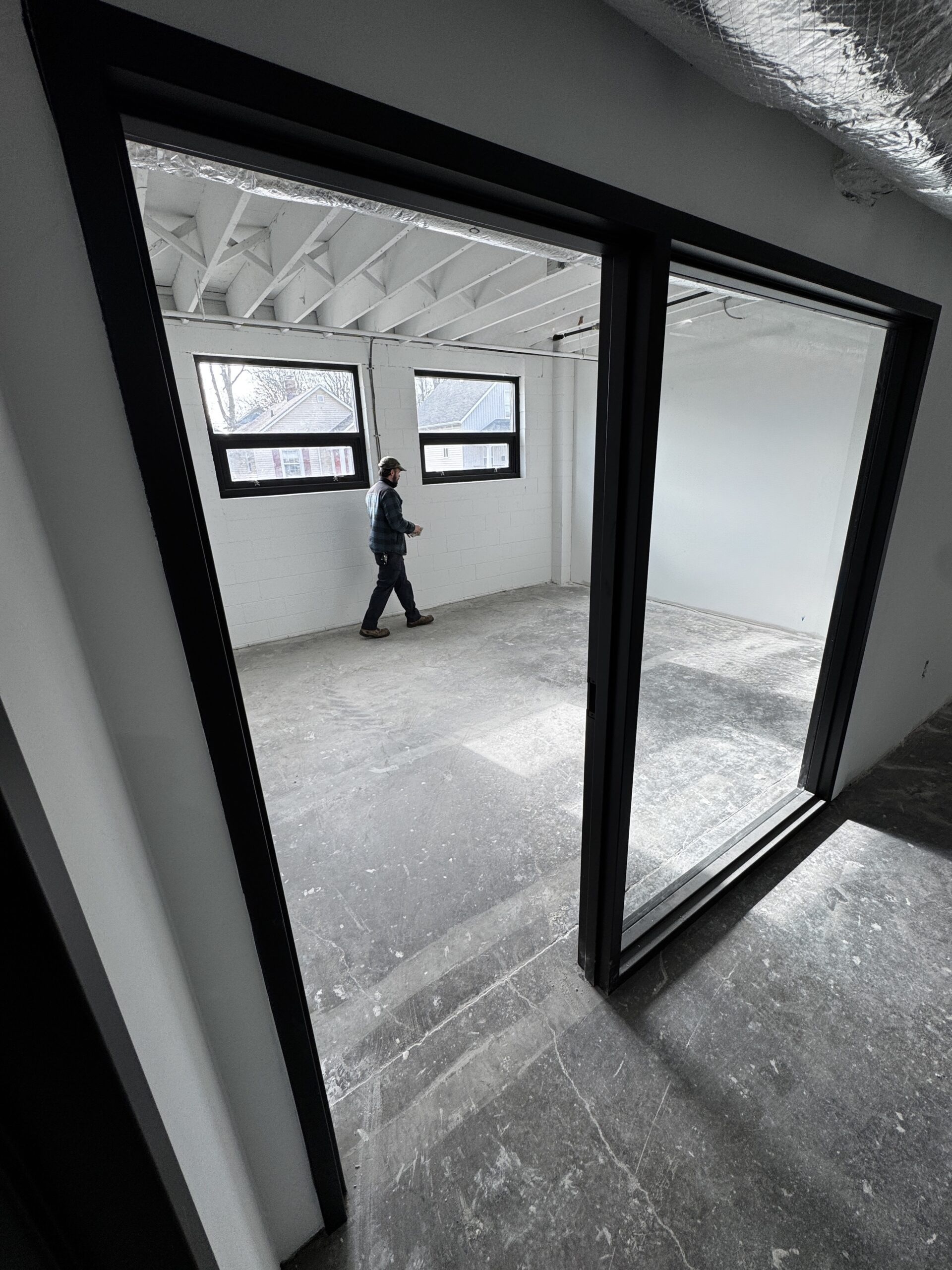
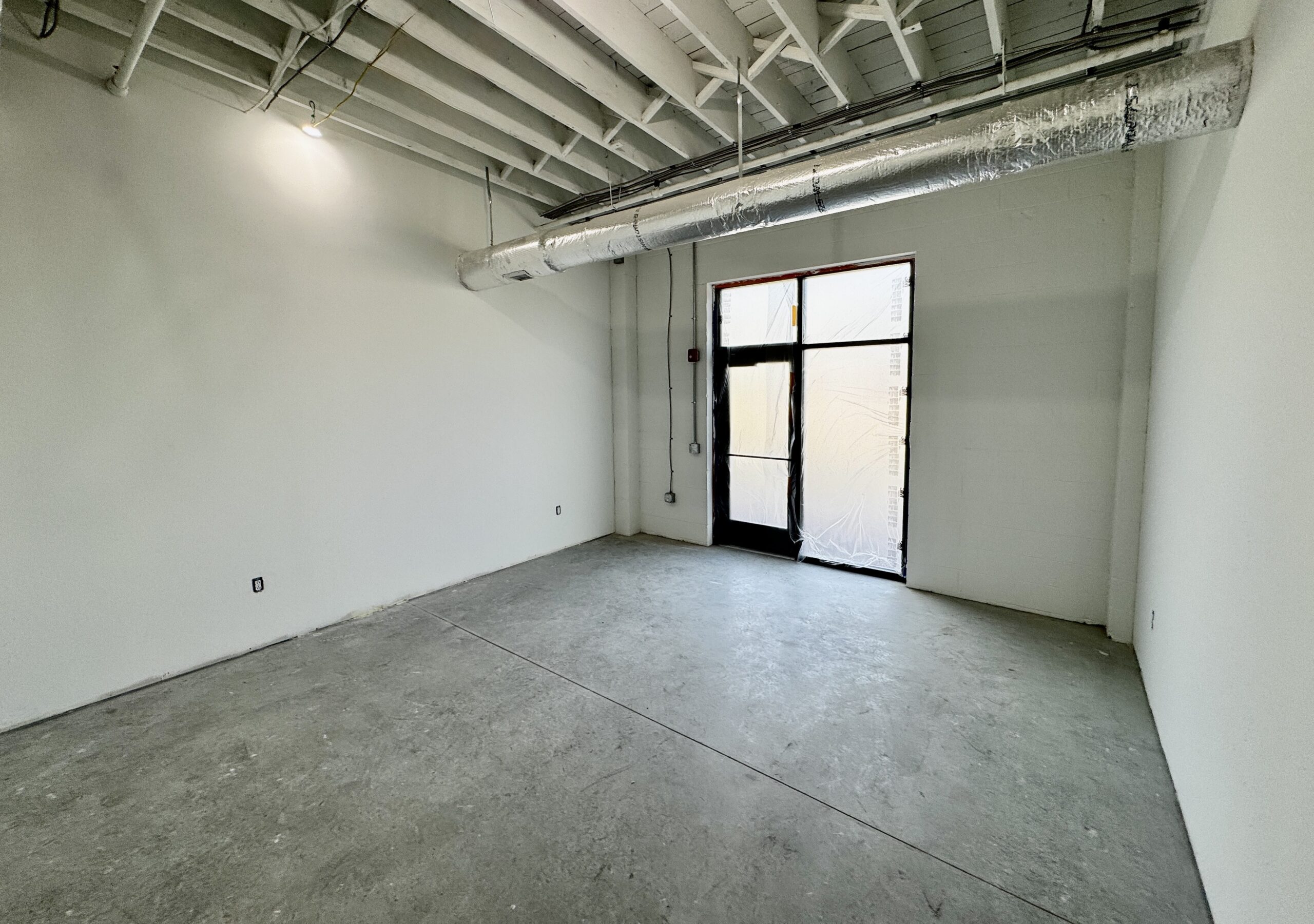
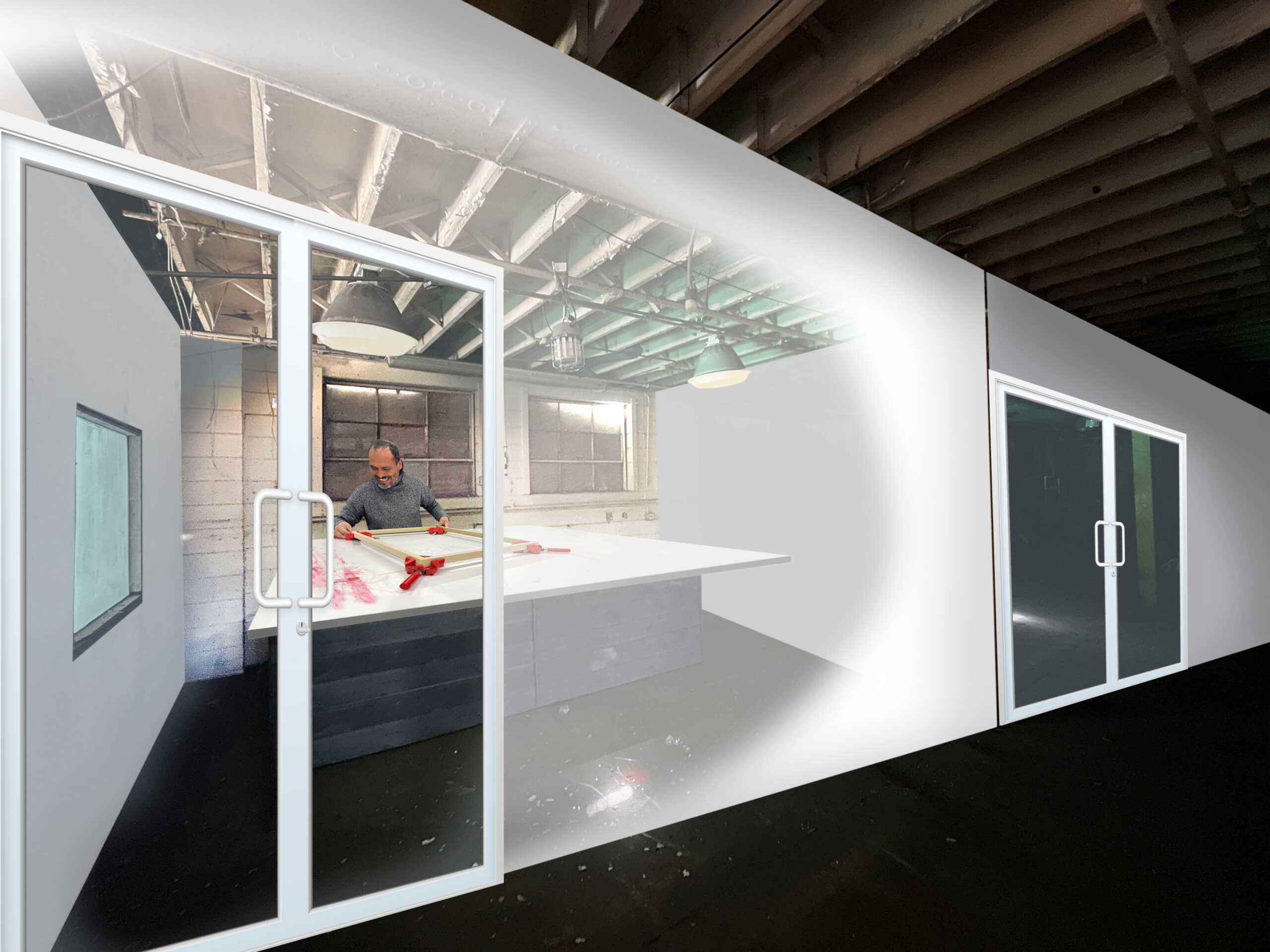
Are you an artist, designer, or creative entrepreneur looking for a community where you can share and make your work? The Contemporary Art Museum of Indianapolis (CAMi) is now accepting applications for studio and storefront spaces in our building opening in May of 2026 on the near southside. 

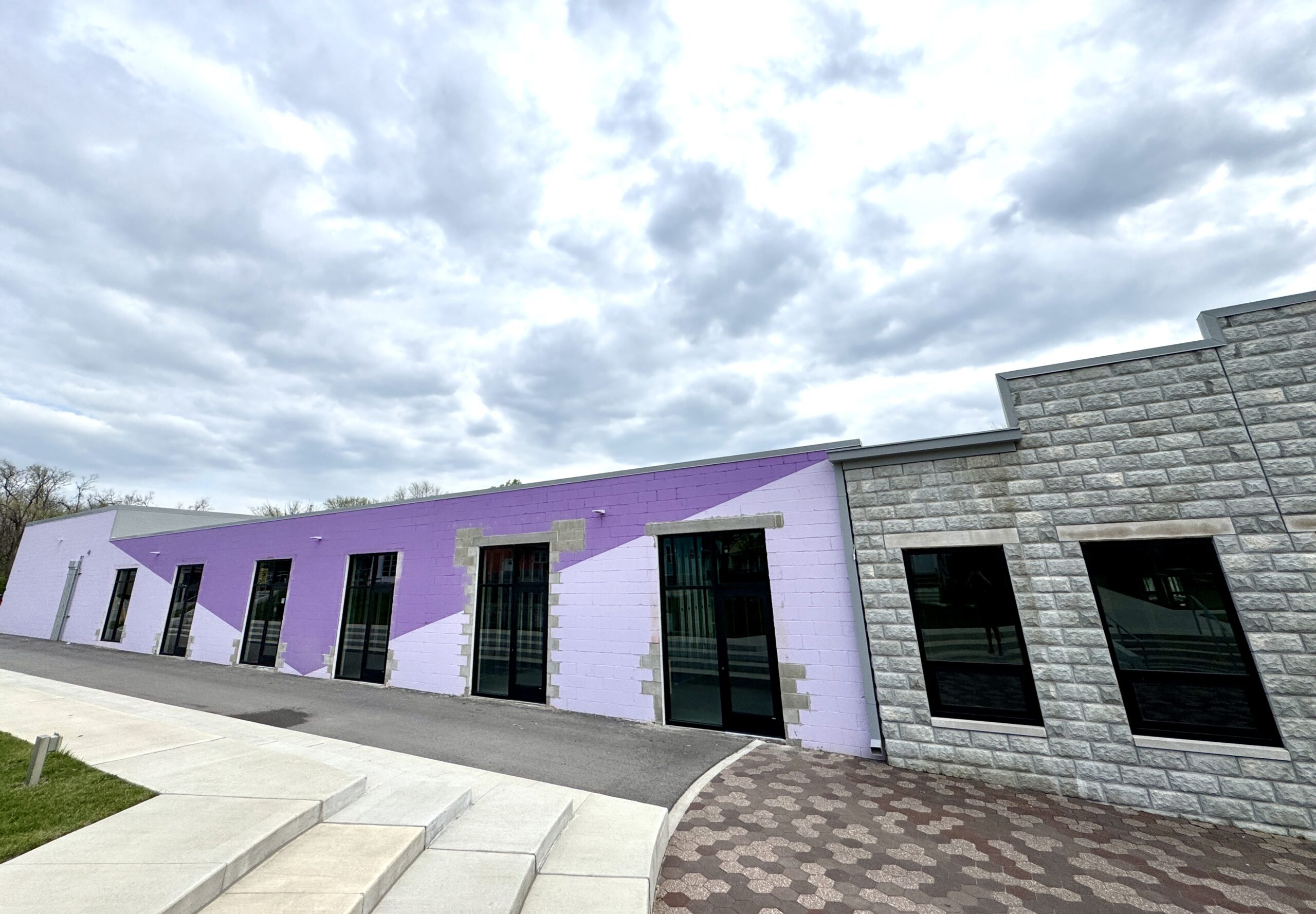
This newly renovated facility owned and operated by the nonprofit Big Car Collaborative includes six storefront spaces with independent entrances for creative businesses and 18 studios or works spaces for artists, designers, and cultural nonprofits. 

Submit applications for studios or storefronts on CAMi’s website. We’re reviewing these on a rolling basis until Friday, Feb. 13. Early submissions are encouraged, as applicants may be accepted before the deadline and space availability is limited.

Additionally, we’re hosting an open house visiting the spaces and asking questions on Saturday, Jan. 24 from 1 to 3 p.m. We’ll start at the Tube building at 1125 Cruft St.

For the CAMi creative storefronts, we’re developing a program to support the store owners and operators in cooperative ways as needed. This may include offering staff resources or shared effort-approaches during open hours. 

Our goal is for the storefronts to be open to the public for special events and during as many of our regular open hours as possible. Likewise, we will have certain open-studio months — like seasonal or four per year — where artists will all open their spaces up for visitors. Artists will also have the option of opening up during all First Fridays and other special events. 

All storefront and studio rentals include utilities, with high-speed internet available for an additional monthly fee. Rents prices for studios and storefronts vary but are set to be affordable. We’ll share more detail when we reach out to applicants to follow up.

The studios and storefronts are located within the CAMi main building on the CAMi campus, which also includes the Tube Factory building and gallery, Terri Sisson art park and public greenspace, the Chicken Chapel of Love, the Guichelaar house gallery, 18 artist homes, the creative community radio station 99.1 FM WQRT, and more. The campus also sits within the two historic southside Indianapolis neighborhoods of Garfield Park and Bean Creek. 

For future updates and opportunities, please subscribe to the Big Car + CAMi  newsletter. Please contact email hidden; JavaScript is required if you have additional questions.

Key Dates

Ongoing: Application process with review and communication
Feb. 13: Last date for applying for studio or storefronts
Feb. 25: Completion of studio and storefront placement
April 13: Tenant move in complete
May 1-3: CAMi public opening events

0
View Post
With gratitude and hope, as the year ends

With gratitude and hope, as the year ends

As we pause to celebrate the holidays and turn the page to a new year, we’re contemplating the moments that meant so much in 2025 — and what we’re thrilled about for 2026.

We’re thinking about families dancing to music in our amphitheater surrounded by native plants flowering in purple and yellow, varied voices on our radio station sharing songs and poems and talking about art and design, friends smiling across a chess table or doing absolutely nothing as they cool under umbrellas at Monument Circle, friendships forming between neighbors and artists as they paint murals together, tables shared by a father and daughter sipping coffee and doing crosswords on a Sunday morning or by artists spending hours dreaming and sketching in their notebooks.

Big Car Collaborative — now more than 20 years old — is and has always been made of people and the vision, passion, and care they bring to our work and our places and spaces. Artists and neighbors. Visitors and listeners. Staff artists, board members, partners, volunteers, funders, and donors. We’re so grateful for all of you!

Big Car is made of people who give, who believe in and practice reciprocity — passing on gifts we receive to visitors to our CAMi campus and to SPARK at Monument Circle, listeners to 99.1 FM WQRT, artists we feature in exhibits and performances, long-term and visiting residents in our affordable artist housing program, neighbors in Bean Creek and Garfield Park who we’ve supported through many projects and approaches since 2011.

This year asked us to pay attention — to one another, to the work, to the responsibility of caring for a place rooted in community. As always, we learned, adapted, repaired, and kept going together.

As we look ahead, we’re preparing for what comes next. We don’t know what the future holds. But we do know the values that guide us: gratitude, collaboration, intention, flexibility, and an open invitation to be part of something shared.

If you’re able to make a year-end gift, please know that your support helps sustain this work and the people who make it possible. And whether you give, visit, listen, volunteer, or simply hold us at Big Car in your thoughts — thank you.

We’re glad you’re here and we look forward to seeing you in the new year.

With gratitude,

Jim Walker, Shauta Marsh, and everyone with Big Car Collaborative 

Learn more about:

0
View Post
Big Car’s Public Art in 2025

Big Car’s Public Art in 2025

In 2025, Big Car Collaborative completed a range of public art projects across Indianapolis, advancing our mission of bringing art to people and people to art. From restoring long-standing neighborhood landmarks to creating new murals shaped by artists, neighbors, and partners, this work reflects our ongoing commitment to collaboration, care, and place-based creativity.

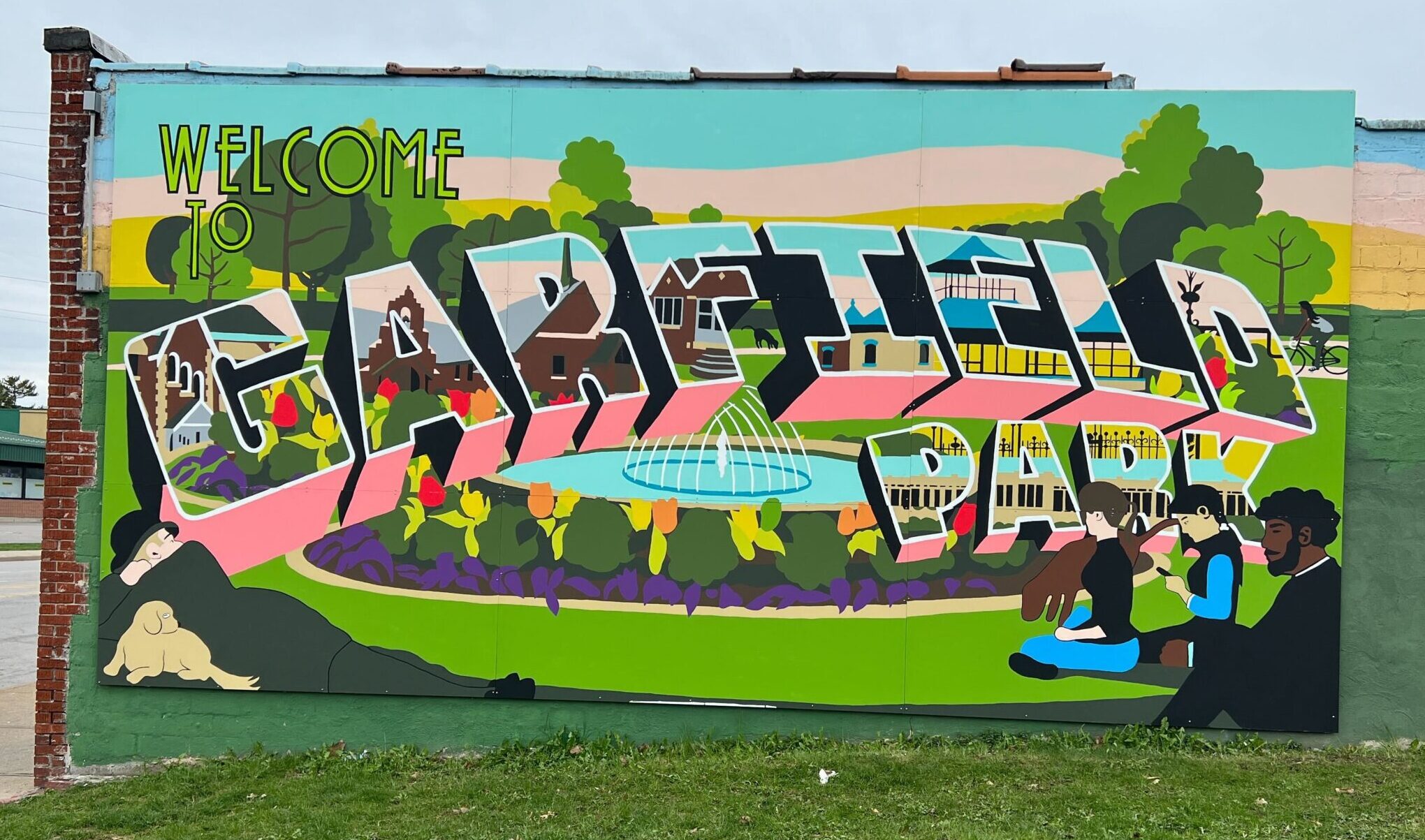
Welcome to Garfield Park

In 2025, Big Car Collaborative worked with the Garfield Park Neighbors Association (GPNA) and artist Andy Fry to restore the Welcome to Garfield Park mural on Shelby Street, renewing a well-known gateway into the neighborhood. Originally created in 2012 with input from neighbors and painted by more than 50 community volunteers, the mural has long served as a symbol of local pride. The recent restoration, thanks to support from the City of Indianapolis through the Indy Arts Council, ensures the mural continues to welcome residents and visitors for years to come.

Waterways

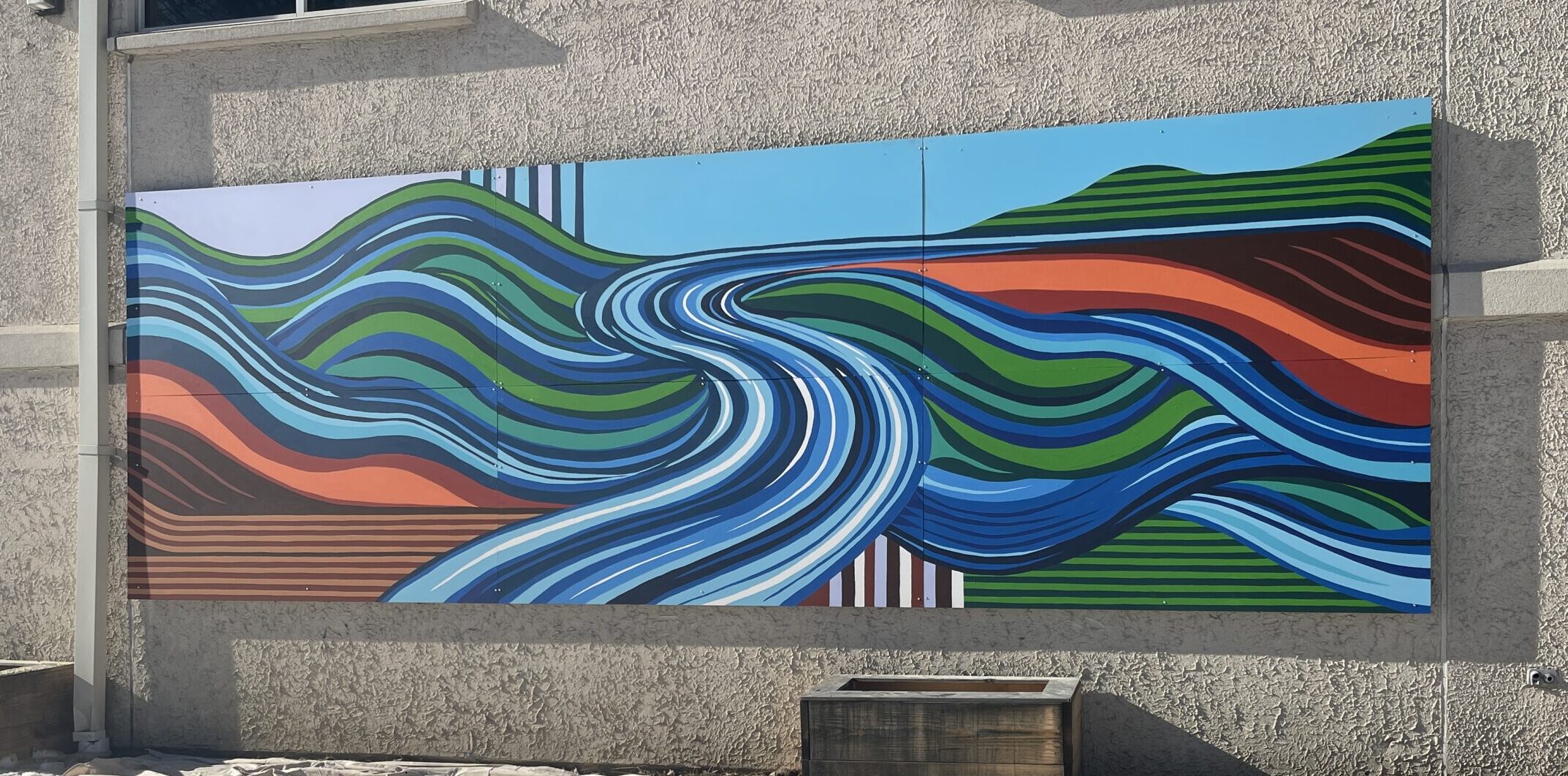
Continuing our partnership with Citizens Energy Group, Big Car collaborated with Indianapolis-based artist John Moore on Waterways, a mural at Municipal Gardens celebrating the DigIndy Tunnel System and its role in protecting the city’s waterways. Painted alongside Citizens staff during the annual Sharing the Dream project, the mural’s flowing blue and green forms reflect the movement, transformation, and environmental impact of this major infrastructure investment.

Take Flight

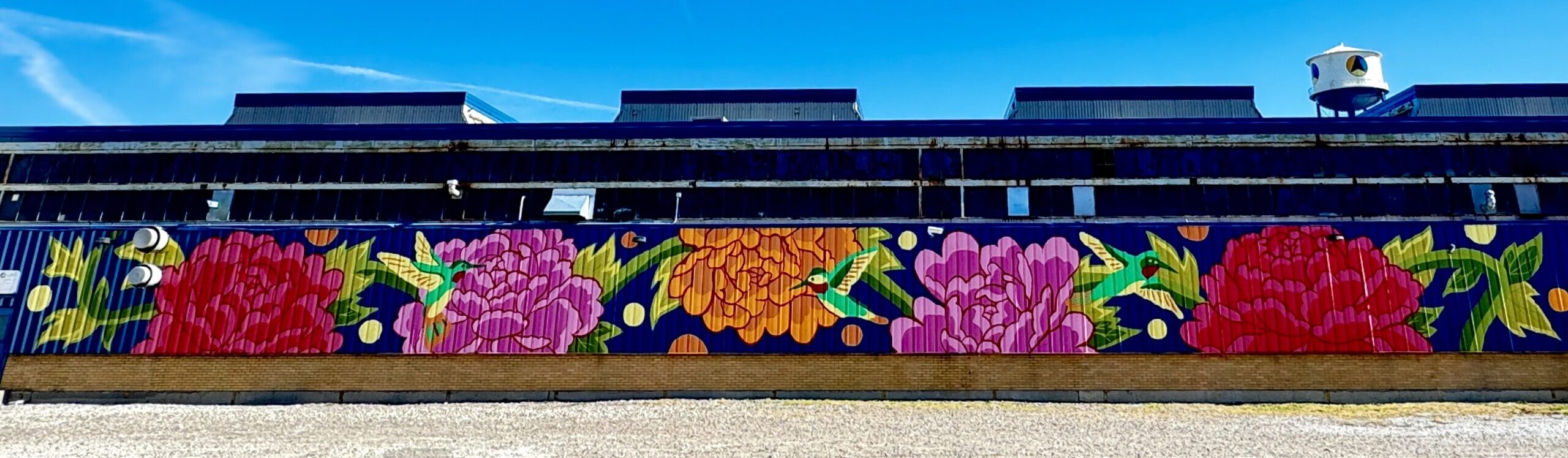
Take Flight, designed by Indianapolis-based artist Julie Xiao, brings a moment of color and calm to East Street in the Garfield Park neighborhood. Featuring peonies and hummingbirds — symbols of joy, beauty, and perseverance — the mural offers a bright visual pause for drivers, pedestrians, and families passing through the area. Commissioned by Tube Processing Corporation and created in partnership with Big Car Collaborative, the mural was painted with support from Ess McKee and Big Car staff.

A Celebration of Bean Creek & Garfield Park

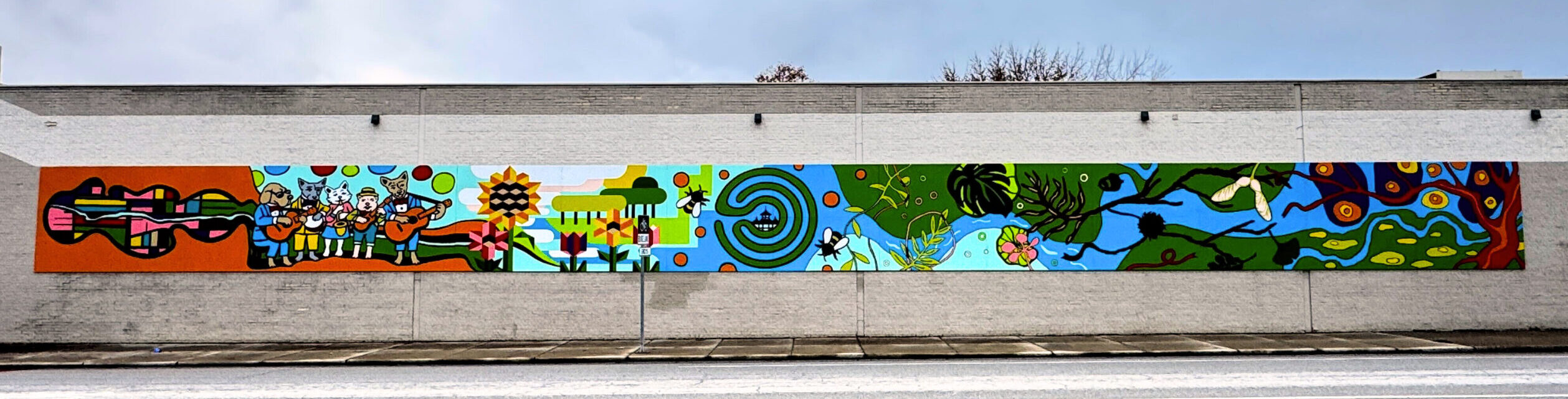
Working alongside GPNA and the Bean Creek Neighborhood Association (BCNA), Big Car collaborated with seven local artists to create A Celebration of Bean Creek & Garfield Park at the Safeway grocery store on Shelby and Raymond streets. Safeway serves as a key gateway between the Bean Creek and Garfield Park neighborhoods, making it a meaningful site for a shared, community-driven artwork. Inspired by the “exquisite corpse” drawing technique, the mural brings together individual designs into a unified composition celebrating local history, creativity, and neighborhood pride. Painted together by neighbors and artists, the project reflects the collective spirit at the heart of Big Car’s public art work. The project was made possible with support from the Indy Arts Council, the City of Indianapolis, and the Allen Whitehill Clowes Charitable Foundation.

Mural designs, left to right: India Hines ( Bean Creek), James Kelly (Garfield Park), Justin Cooper (Bean Creek), Julie Xiao (Big Car staff artist), Andrea Haydon (Garfield Park), Alejandra Carrillo (Bean Creek), Chris Tower (Garfield Park).

Rooted in collaboration with artists, neighbors, and partners, this year’s public art work highlights the role creativity can play in strengthening shared spaces and neighborhood identity.

Off
View Post
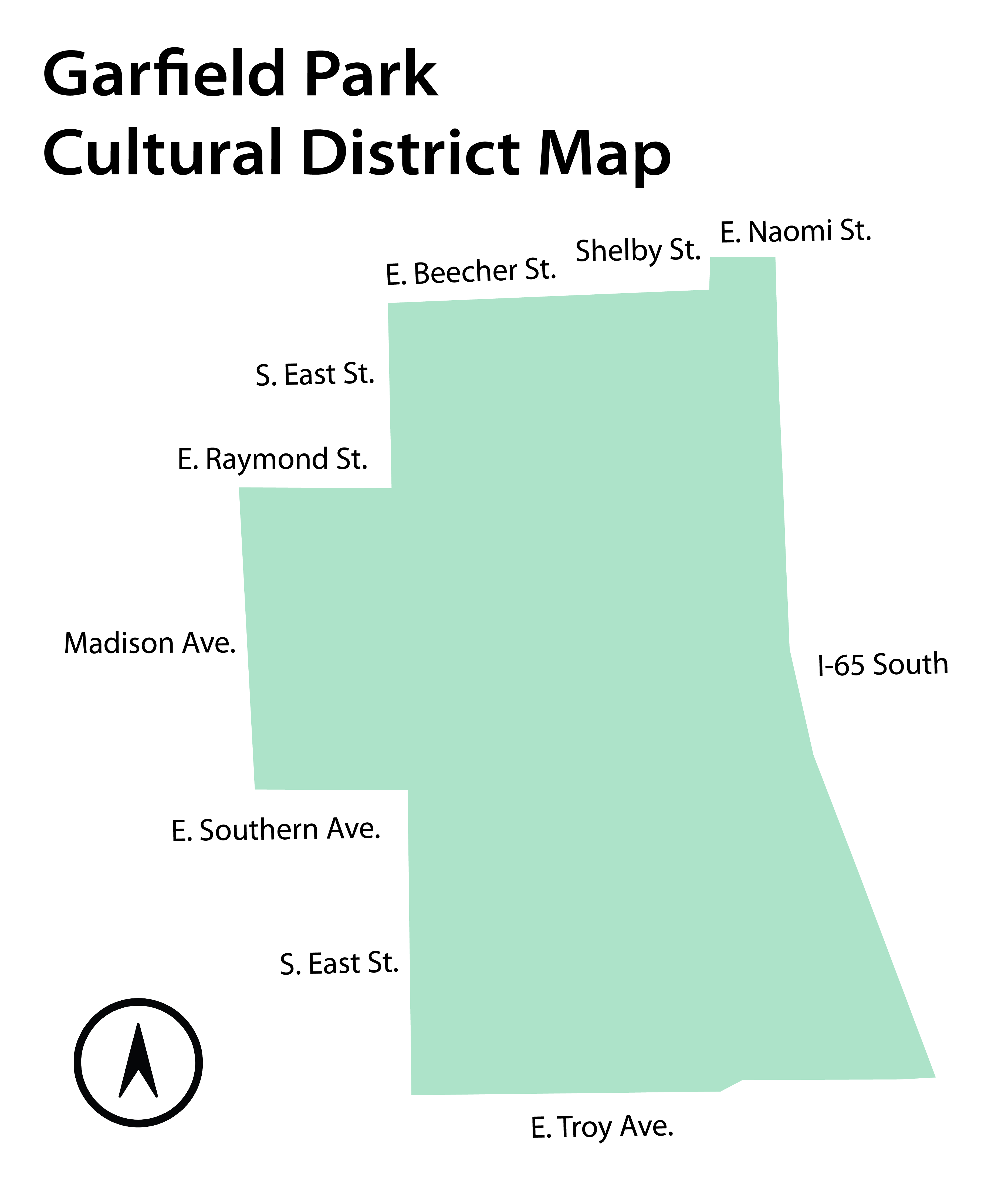
Big Car’s application leads to City of Indianapolis designating Garfield Park a Cultural District

Big Car’s application leads to City of Indianapolis designating Garfield Park a Cultural District

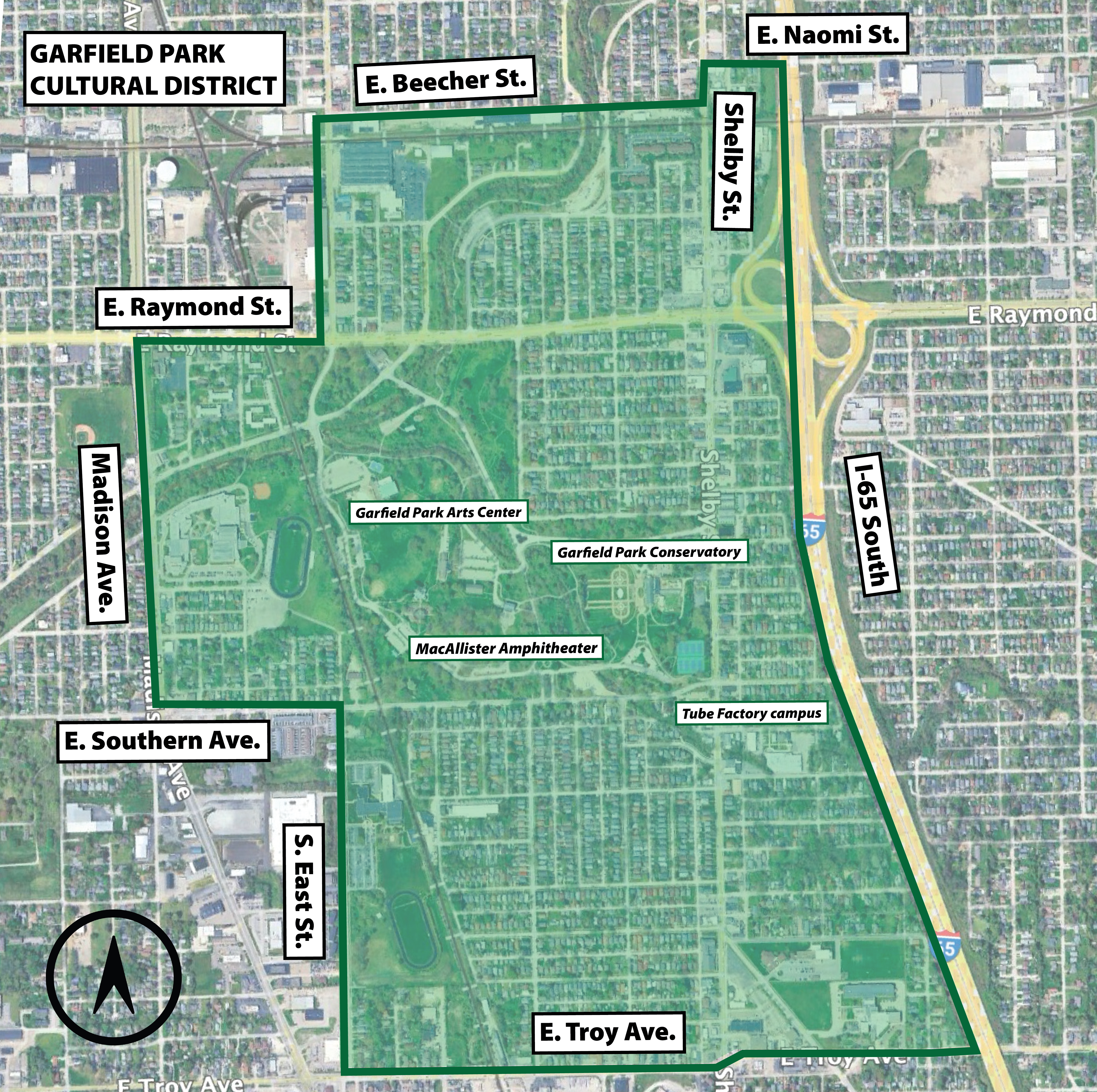
The City of Indianapolis recently announced the Garfield Park neighborhood as a Cultural District. This came as a direct result of the application we at Big Collaborative submitted to the City in August. Our application included letters of support from City Councilman Frank Mascari, the Garfield Park Neighbors Association (GPNA), Friends of Garfield Park, and Chreece. 

In a recent follow-up meeting between Big Car staff and the City, we discussed next steps that include working out a plan with our community leaders for how to approach and benefit from the new designation by the City. 

Read the City’s announcement here.

Read news coverage in the Urban Times here.

Who Made the Garfield Park Cultural District? 

This designation is made possible by cultural leaders and neighbors working for many decades with anchors like the Garfield Park Art Center (which opened in 2006) and the McAllister Center operated by Indy Parks, the Garfield Park  and us at Big Car Collaborative leading efforts to boost the neighborhood through public art and cultural events since 2011. 

Big Car has also brought many additional art experiences — including First Fridays — to the neighborhood starting with the opening of Tube Factory in 2016. Likewise, Big Car has invested in long-term affordable housing for artists with 18 homes on the block surrounding Tube Factory. By 2026, the block surrounding Tube Factory will have seen a total investment of $13 million. 

Our neighborhood has a strong history of working together, including with Big Car serving as a convening organization. Leaders from Big Car, for instance, helped form the neighborhood association as one for both south sides of the park that became a nonprofit organization, officially, in 2017. 

Big Car did the same as the convening organization for the South Indianapolis Quality of Life Plan for five years (2017 to 2021). Big Car worked with the SoIndy board that provided guidance and oversight. And we helped oversee SoIndy’s finances and provided support for its staff. 

Since SoIndy ceased to exist as a separate organization, GPNA and Big Car have continued to collaborate to keep our neighborhood moving forward in a positive direction. The formation of the Garfield Park Cultural District will be a major step forward. 

How CAMi Factors into this Designation  

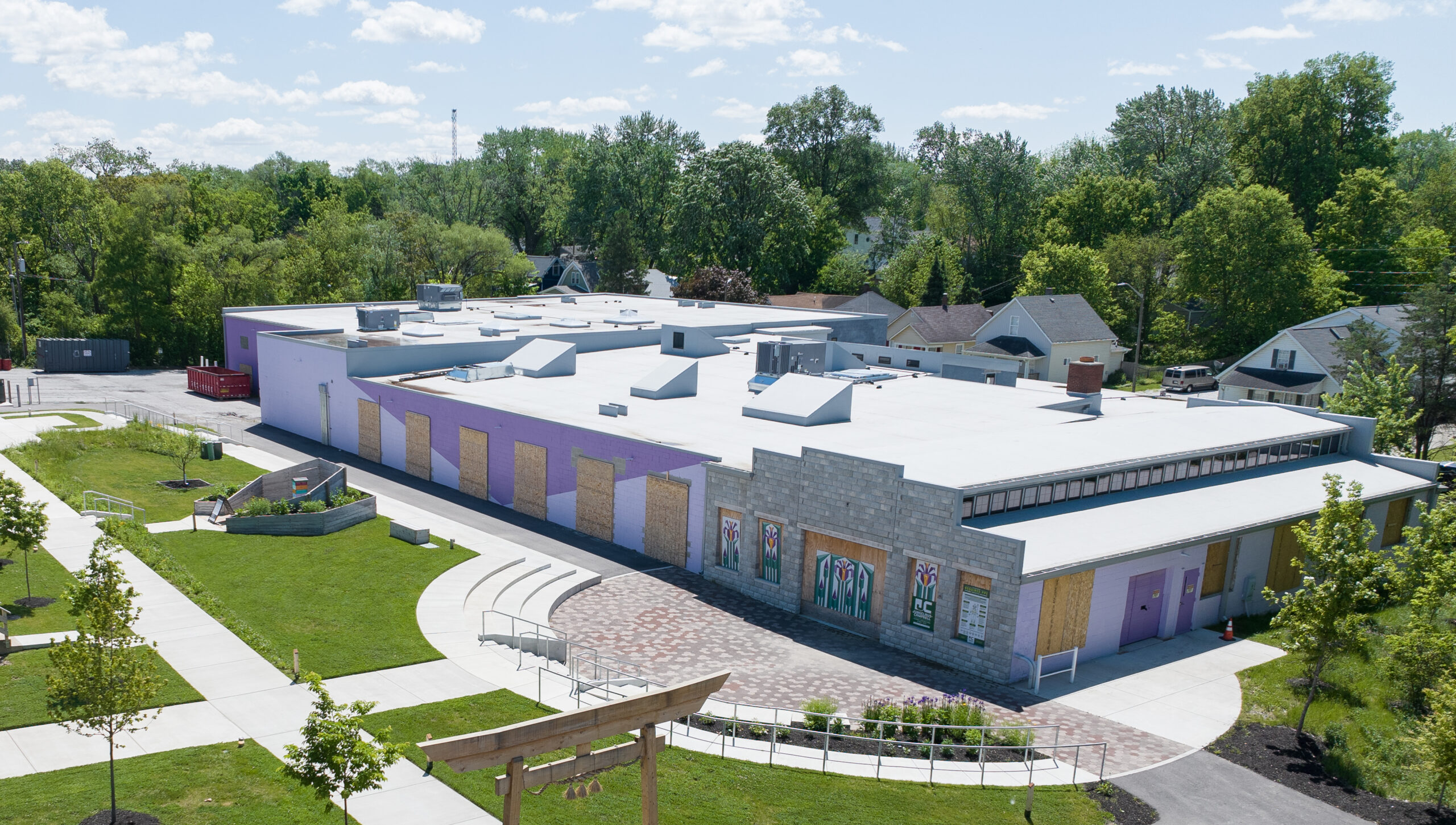
A significant emerging opportunity within the district is the opening of Big Car’s new contemporary art museum within a renovated former industrial building located on our campus east of Shelby Street between Cruft Street and Nelson Avenue. 

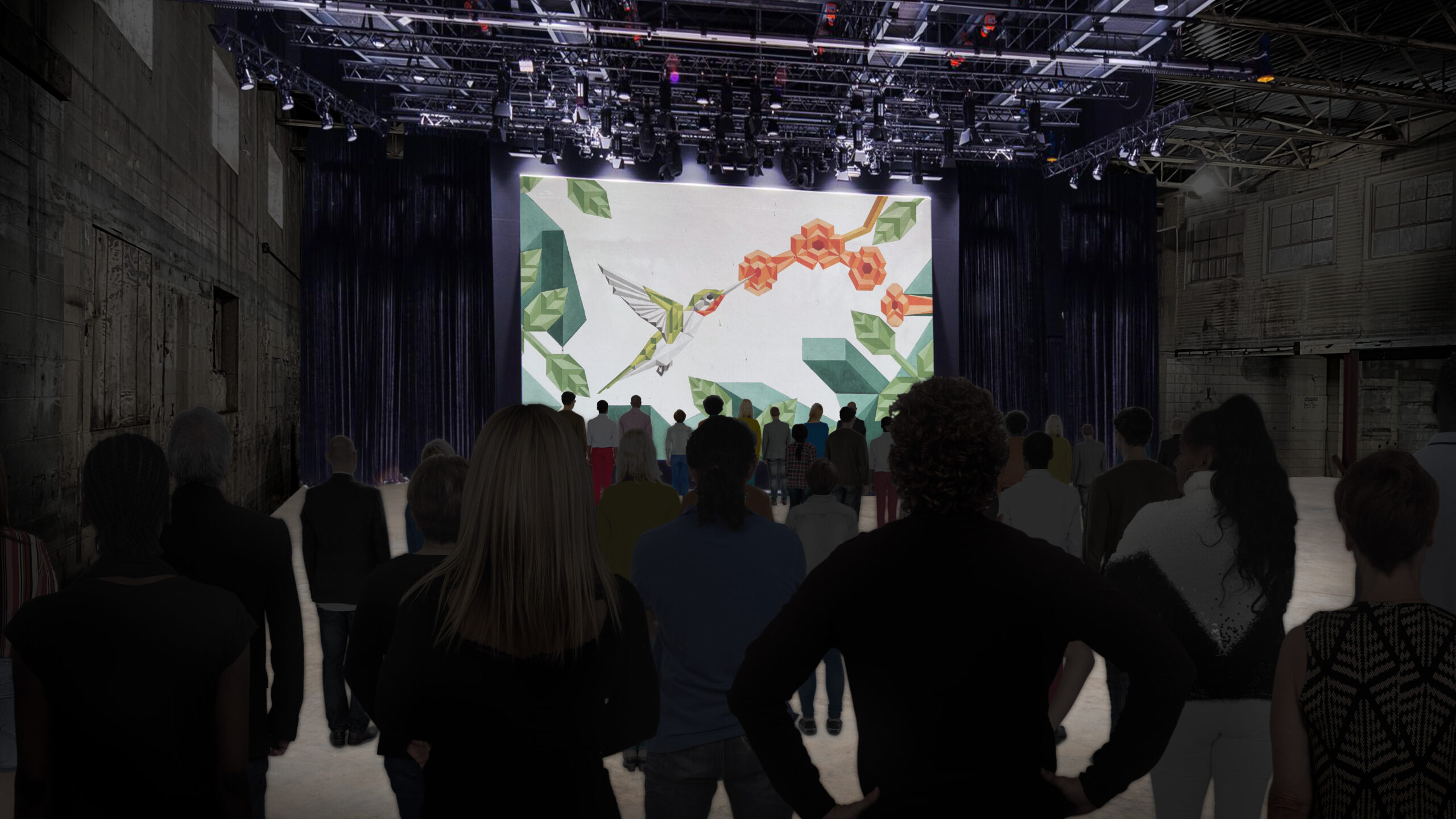
Opening in spring of 2026, visitors will experience five exhibition spaces for contemporary art — including an expansive main gallery for large-scale, immersive installations; 18 studios for artists; a large commercial kitchen offering culinary training and serving the on-site cafe and bar; five storefronts for creative small businesses; two audio recording studios (including the new home for WQRT); and a performing arts and event space that can accommodate 500 people standing and 300 seated. 

This publicly accessible art museum and community space will significantly boost cultural development in Garfield Park. Featuring high-quality, commissioned exhibitions by notable local, regional, national, and international artists, the new contemporary art museum will offer educational and interactive elements for visitors of all ages. 

Our $7 million expansion will serve as a hub for community development. With our campus, we’re reimagining the role of a museum as a place to improve social health, foster dialogue, and ensure long-term stability for artists and other creative workers. 

Exhibitions will address timely, relevant topics that encourage meaningful conversations among visitors. Classes and programs will bring people together in a collaborative, creative environment. Just as importantly, the physical environment will be designed to feel welcoming with comfortable seating, lots of natural light and warm lighting, and a peaceful atmosphere that invites all community members to gather and connect.

This expansion will also be a catalyst for economic development. A central part of this impact will come from the five small business storefronts, which will support local creative entrepreneurs. These businesses will benefit from the steady foot traffic of museum visitors while paying affordable rent — reducing barriers to stability and growth. 

As a cultural destination, the museum will attract both local residents and visitors. Arts and entertainment tourism is a growing sector in Indianapolis, and our expanded campus will complement this trend while boosting nearby businesses. 

More About our History in Garfield Park

Big Car began working in Garfield Park when two of our co-founders moved here in 2011. From the start, we began utilizing our tools, experience, and network to collaborate with and support the neighborhood through the tools of art and design. Some of that early work included:

  • Identity and wayfinding signage for the neighborhood (these include a community gateway mural, the logo used by the neighborhood and other murals).
  • Safety and economic development and connectivity on Shelby Street (we co-led two Better Blocks and other events at what’s now the Garfield Brewery) and temporary safety improvements after the Red Line opened.
  • Overall planning as a co-leader convening organization on the South Indy Quality of Life Plan
  • Cultural and community programming and hosting neighborhood meetings at our Tube Factory campus.

We first moved into a physical space in 2015 after purchasing the Listen Hear space on Shelby Street. We opened Tube Factory in 2016 after doing much of the renovations ourselves. Both the Tube Factory and Listen Hear were supported by Community Development Block Grants through the City of Indianapolis, DMD. We then began to buy and renovate vacant and abandoned houses on the same block in partnership with INHP and Riley Area Development. 

After receiving a $3 million grant from Lilly Endowment in late 2018, we began work on our expansion into the large building on our block — a brownfield site that has presented many challenges. This project is a $7 million investment in the arts, our community, and our neighborhood.

At Big Car, we’re proud of our deep connection to the Garfield Park neighborhood. We work tirelessly — as neighbors ourselves — to support this place we call home. And, with the long-term help of so many neighbors, artists and partners, we’re excited about so much more to come.

We’re proud to play a major role in the continued success and revitalization of our neighborhood. Through our work, we’ve helped establish Garfield Park’s lasting artistic identity and bright future. And, with our expansion complete in spring, the neighborhood is poised to solidify its place as one of the city’s premier cultural districts.

0
View Post
Let us tell you a little (ok, a lot) about CAMi

Let us tell you a little (ok, a lot) about CAMi

by Jim Walker and Shauta Marsh, co-founders

As we near the opening of our 40,000-square-foot expansion in May of 2026, we’re excited to finally share something we’ve been quietly building toward for years: a new identity for our cultural campus — the Contemporary Art Museum of Indianapolis, or CAMi for short.

CAMi is our 5-acre campus on a single city block in the Garfield Park and Bean Creek neighborhoods just south of Downtown Indianapolis. It includes two historic industrial buildings, one of which we’ve operated as Tube Factory artspace since 2016, along with a sculpture park and 18 affordable homes for artists.

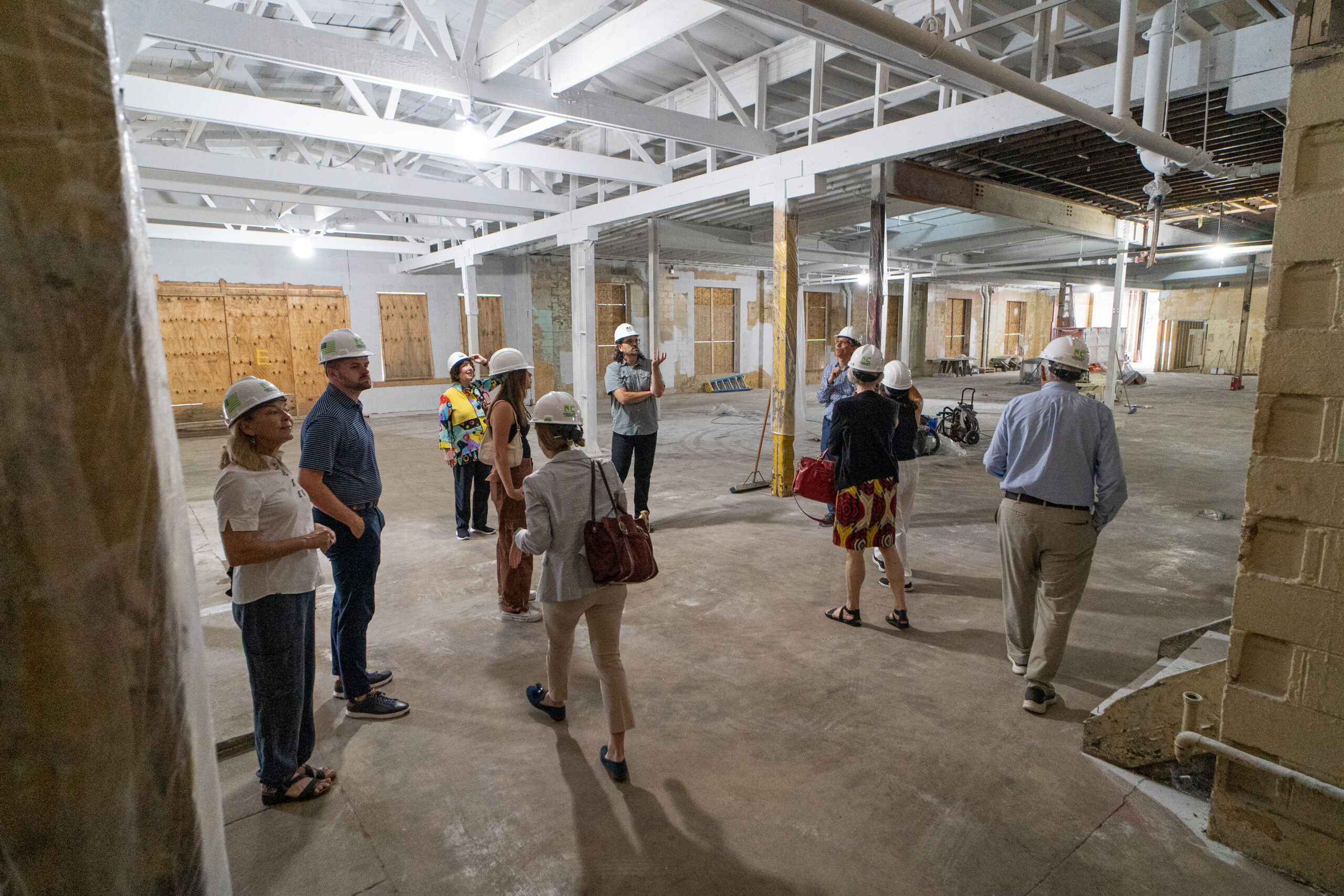
At the heart of the campus is our new CAMi main building, a thoughtful and exciting adaptive reuse project that will soon become a new home for contemporary art, performance, food, sound, and creative enterprise. This moment represents not just growth, but a deepening of who we are at Big Car Collaborative.

About the CAMi main building

This expansion — made possible by the generosity of many supporters — will soon hold six new galleries for commissioned contemporary art exhibitions, including a large, immersive main gallery for ambitious, large-scale installations.

It will also include a performing arts and event space, a culinary arts area with a full commercial kitchen serving an on-site restaurant and bar, studios for artists, storefronts for creative businesses, and two audio recording studios, including the new home for Big Car’s community radio station, 99.1 WQRT FM.

This $7 million renovation transforms a 125-year-old former dairy barn and industrial space into a living, working cultural engine for the city and region. While we have the funds to complete the project, we are still raising an additional $1.7 million to avoid carrying construction debt and to ensure this space remains focused on artists, access, and experimentation. Of note, CAMi will remain free to visit.

Why CAMi, why a museum? 

We love museums. They’ve shaped our lives. And in many ways, we’ve already been operating as one. Since 2016, Tube Factory artspace has functioned as a commissioning, non-collecting contemporary art museum. Our model differs from collecting museums and commercial galleries. With our commissioned exhibits, we pay artists to create new work. And they are not required to sell anything.

We work with emerging artists from Indianapolis and around the world, often offering an important step in their careers. This also allows us to stay nimble, flexible, and responsive, offering timely exhibitions that reflect the moment in which we’re living.

The CAMi expansion allows us to go further, offering a deeper museum experience while preserving what makes our approach distinct. Becoming CAMi also supports our long-term sustainability, strengthens civic identity by putting Indianapolis in the name, clarifies what the space is for visitors and artists worldwide, and ensures our work is preserved and archived as part of the city’s cultural story.

Other cities have similar adaptive reuse anchors for this kind of work. Pittsburgh has Mattress Factory. Bentonville has The Momentary. Detroit has MOCAD. Cleveland has SPACES. Indianapolis has CAMi.

CAMi is our Gesamtkunstwerk 

Artist-led adaptive reuse is complicated and expensive. But it is also meaningful and responsible. Reusing these buildings preserves embodied history, reduces waste, limits the extraction of new materials, and minimizes the environmental impact of transporting new building supplies across long distances.

Just as importantly, the physical structure of CAMi connects our neighborhood’s industrial and agricultural heritage to the broader, universal conversation of contemporary art. The building itself tells a story, and now it becomes part of a new one.

CAMi is shaped by biophilic design principles that integrate elements of nature into the built environment. You will see this in the natural materials we use, the emphasis on daylight, the inclusion of organic colors and patterns, and the visual and physical connections to the landscape that surrounds the campus. CAMi is designed to be accessible in all ways: intellectually, physically, and spiritually.

Art heals. Art encourages conversation. Art creates connection. And our design for the CAMi structure and projects and programs that happen there are all about accomplishing these vital things.

Frank Lloyd Wright popularized the German word Gesamtkunstwerk, meaning a total work of art. That’s how we approach CAMi. It’s both a home for art and a work of art in itself — where architecture, sound, food, performance, visual art, social space, and everyday life are considered together as one connected, human-centered experience.

Who is behind CAMi?

CAMi is owned and powered by Big Car Collaborative, the nonprofit arts organization we formed in 2004 as a collective of artists dedicated to sparking creativity and improving quality of life through arts approaches.

Big Car owns the entire CAMi campus. We have worked on the near southside of Indianapolis throughout our history and in the Garfield Park neighborhood since 2011. Big Car remains the nonprofit umbrella organization for CAMi and for our other projects and programs, including Spark Placemaking, our public space activation work that happens as a partner on Monument Circle and throughout the city.

Since 2016, Tube Factory artspace has served as a contemporary art mainstay while reimagining what cultural institutions can be. With this expansion, CAMi adds 40,000 square feet of space for art, artists, food, sound, and gathering — all within a historic industrial structure that was built in phases over 75 years. While the project has presented many challenges, we’ve enjoyed teaming up with Blackline Studio on the adaptive reuse and program design approach over the last several years. Indianapolis-based Jungclaus-Campbell is serving as our excellent general contractor on the extensive renovation.

This project has been made possible through extraordinary philanthropic support. Major donors include Lilly Endowment Inc., Allen Whitehill Clowes Charitable Foundation, Efroymson Family Fund, Herbert Simon Family Foundation, the Katharine B. Sutphin Foundation, Frank and Katrina Basile, the Seybert Family Foundation, Tube Processing, and the Indianapolis Foundation. The project is also supported through the City of Indianapolis’ New Markets Tax Credits program, managed by Indy CDE — paired with support from CICF’s IMPACT Central Indiana with Glick Philanthropies and others listed above.

Additionally, many individuals, companies, and foundations and other partners have helped make this possible. And so many folks with our board, campaign committee, and staff have stepped up with so much hard work and dedication. We appreciate you all so much! And we want to say a special thank you to co-founder Andy Fry for his incredible vision and design with our new CAMi brand.

CAMi is focused on the future

This support represents a long-term investment in artists and in the cultural life of our city. The CAMi campus isn’t part of a development that may someday change focus based on market forces. Our galleries will remain dedicated to exhibitions, our studios will stay spaces for artists, our homes on the block will continue to be affordable. Our long-term future is under our control.

Indianapolis and Central Indiana already have many truly excellent museums and cultural spaces. Our approach with CAMi is to complement these institutions as we focus on commissioned, multidisciplinary contemporary art.

Our exhibitions are curated and commissioned, and artists are paid directly for producing their work. The expansion deepens our commitment to artists across backgrounds and disciplines while protecting against a familiar pattern in many cities in which artists help reinvigorate neighborhoods only to be priced out once those neighborhoods become more desirable. That will not happen here. CAMi is a long-term civic commons for culture, creativity, and community.

A little CAMi backstory

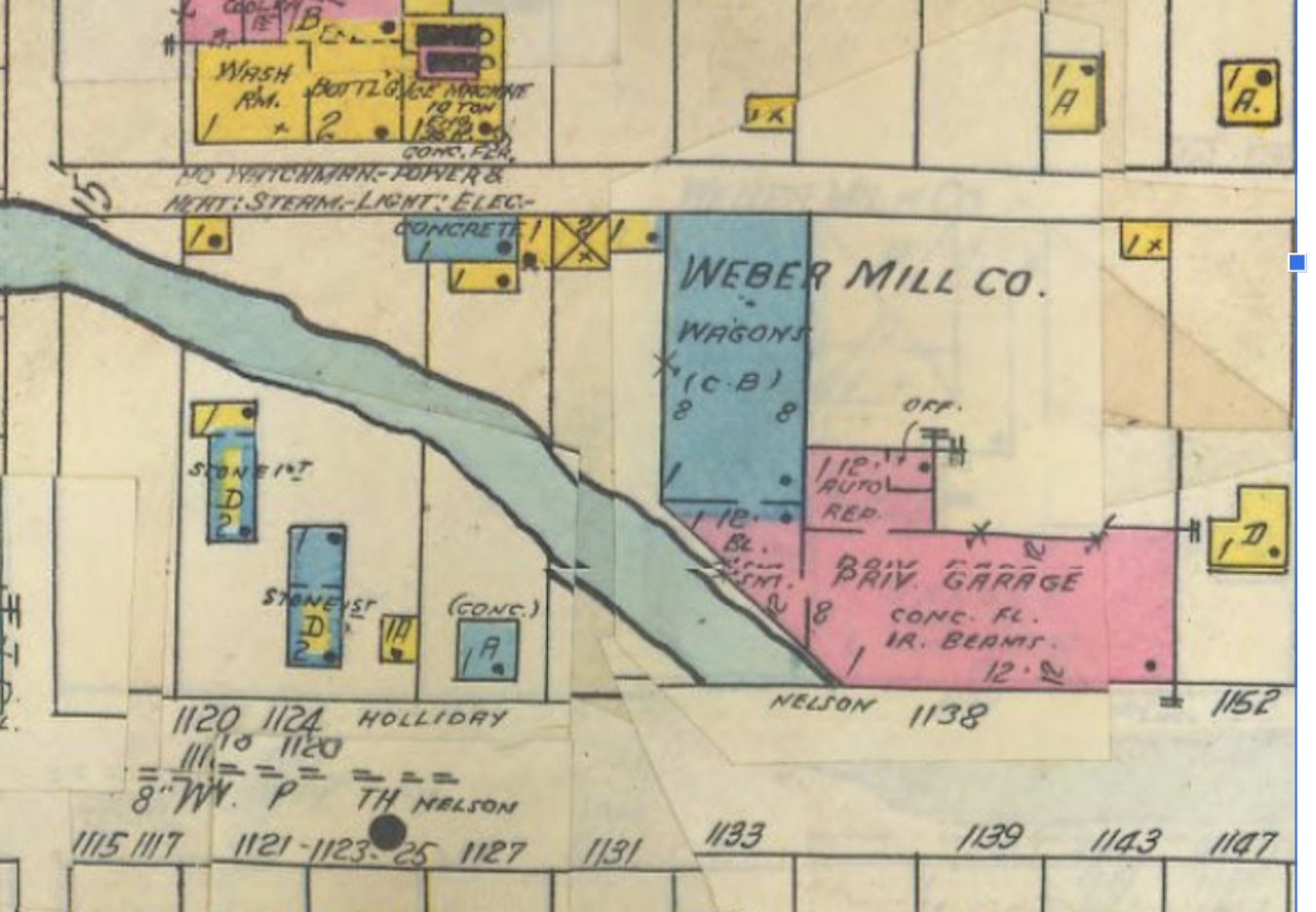
The building now becoming the CAMi main structure began in the late 1800s as part of Weber Dairy, a culinary space of sorts that evolved over time into a complex owned by Tube Processing Corporation that included multiple buildings on the block. Tube Processing, which moved to another facility in the neighborhood in 2014, donated the big building to us at Big Car in 2021.

Since 2015, Big Car has also restored formerly vacant homes on the block to create 18 affordable artist residences. We joined three large adjacent backyards to form Terri Sisson Park: A Shrine for Motherhood, a restorative outdoor space that features living artworks such as Sam Van Aken’s Tree of 40 Fruit and Juan William Chavez’s Indianapolis Bee Sanctuary. This pocket sculpture park designed by Indianapolis-based Rundell Ernstberger Associates and adorned with native pollinator plants also includes an amphitheater for performances and The Chicken Chapel of Love, a sacred art project honoring the divine feminine and nature-centered belief systems.

We’ve lived more than 14 years in this neighborhood. Big Car has co-led major quality-of-life planning efforts here and has long offered space for neighborhood gatherings, meetings, and celebrations. This campus is embedded in the everyday life of the Garfield Park and Bean Creek neighborhoods we call home.

From this block, this neighborhood, and this community, CAMi is growing outward — welcoming people from across the city and far beyond it, while staying rooted in the place that shaped it. What we’re building here is both a museum and a shared cultural commons shaped by everyday life, creativity, care, and connection. We hope to see you here soon.

0
View Post
American adaptive reuse art spaces that inspire us

American adaptive reuse art spaces that inspire us

Before renovating our Tube Factory artspace building and as we work on expansion of our second 46,000-square-foot “Big Tube” building on the campus, we have visited many other adaptive reuse art spaces around the United States and around the world — including all of the locations listed below.

Many of the strategies and approaches have seen have informed and inspired our adaptive-reuse approach on our campus. We originally shared this list in 2019 but updated links in 2025.

This post explores these places with links to images (often taken during our research trips). We suggest visiting these art spaces!

In the Midwest
MOCAD in Detroit
Signal-Return Press in Detroit (has moved to new location)
Stony Island Art Bank in Chicago and The Land School
Chicago Cultural Center
Spaces in Cleveland
Transformer Station in Cleveland

elsewhere in the U.S.
The Momentary in Bentonville, Arkansas
(related but not adaptive-reuse Crystal Bridges in Bentonville)
Mattress Factory in Pittsburgh
Chinati Foundation in Marfa, Tx
Judd Foundation in Marfa, Tx
MoMA PS1 in New York
Various 21c Museum Hotels
Frist Art Museum in Nashville
RedLine Contemporary Art Center in Denver
Charlotte Street Foundation in Kansas City
MOCA Geffen in Los Angeles
Off
View Post
Tube Factory expansion to address Indy’s need for contemporary art museum

Tube Factory expansion to address Indy’s need for contemporary art museum

Since 2016, Tube Factory artspace — a project of the 20-year-old nonprofit Big Car Collaborative — has served as a contemporary art mainstay that shares top-quality commissioned exhibitions while reimagining the role of cultural institutions in the community. 

Tube Factory is quadrupling its footprint by adding 40,000 square feet for art in a 125-year-old former dairy barn and industrial space adjacent to its current location just south of Downtown Indianapolis. 

While work is now underway thanks to a bridge loan, we at Big Car still have about $1.7 million to raise. People can donate in a variety of ways, with info and online options found here.

In this building expected to open in Spring 2026, visitors will experience five exhibition spaces for contemporary art — including an expansive main gallery for large-scale, immersive installations, 18 studios for artists, a large commercial kitchen offering culinary training and serving the on-site restaurant and bar, five business incubator storefronts, two audio recording studios (including the new home for Big Car’s 99.1 FM WQRT), and a large performing arts and event space.  

The sprawling historic building — already stabilized thanks to $1.8 million from a Lilly Endowment Inc. grant Big Car received in 2019 — will anchor our campus that includes a new sculpture park and 18 affordable homes for artists who give back to support the community through their work. 

Filling a contemporary art need

With this $8 million expansion, Big Car is making a focused investment in multi-disciplinary contemporary art by going all in to expand its 20-building Tube Factory campus as its city’s contemporary art museum. 

“We see now as the perfect time for us to further build a place that reimagines the role of the museum in the community while welcoming visitors from across the street and around the world,” said Big Car co-founder and director of programs and exhibitions, Shauta Marsh. “Pittsburgh has Mattress Factory. Bentonville has The Momentary. Detroit has MOCAD. Cleveland has SPACES. Indianapolis has Tube Factory.”

An important aspect that sets Tube Factory apart from other art spaces in Indianapolis is its approach to curated and commissioned art exhibitions. Tube Factory pays artists directly for producing their shows in the space (and has since its opening in 2016). This approach does not rely on gallery sales for compensating artists.

While the expansion of the Tube Factory builds a place for everyone Marsh said the additional building is also specifically planned to further support artists — with a strong emphasis on supporting artists of color. “This is a continuation of our long-term investment in artists and in strengthening our city overall,” Marsh continued. “Art is a great way to bring people together and help us see new perspectives. Artists are able to address topics and issues that aren’t always easy to talk about.” 

In many cities around the world — including Indianapolis — artists have worked hard to boost their neighborhoods and invest time and energy into studio buildings, only to be priced out once they’ve made the spaces more desirable. “That won’t happen here,” said Jim Walker, Big Car’s co-founder and executive director. “Ours is a long-term place, one of very few in our city where the arts nonprofit owns the real estate — ensuring the long-term sustainability of our artist-led campus as a civic commons for culture, creativity, and community.”

Making a long-term investment in art and artists

Many foundations and individuals have generously supported this contemporary art expansion. Major donors to this capital project so far include Lilly Endowment Inc., Allen Whitehill Clowes Charitable Foundation, Efroymson Family Fund, Herbert Simon Family Foundation, The Indianapolis Foundation, Seybert Family Foundation, Katharine B. Sutphin Foundation, Frank and Katrina Basile, The Netherleigh Fund, Kerry Dinneen and Sam Sutphin, and Tube Processing Corporation. The project is also supported with financing through the City of Indianapolis’ New Markets Tax Credits program, managed by Indy CDE.

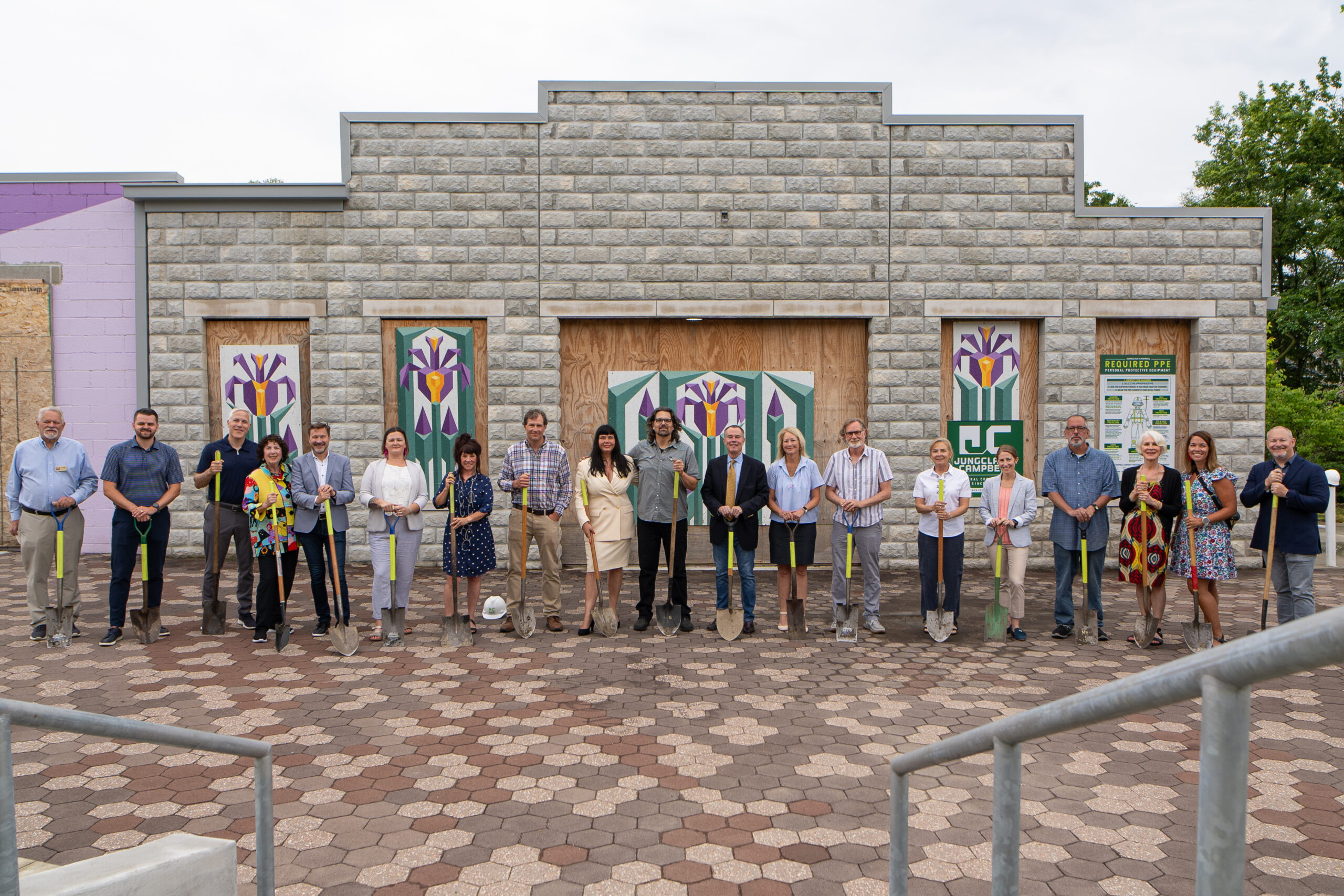
“We believe that these funds-and the amazing things that Big Car Collaborative will do with them-will help us in our aim to establish Indianapolis as a true center for the arts. A center that will not only bring more artists and art appreciators to our city, but also greatly benefit our existing communities,” Indianapolis Mayor Joe Hogsett said at the building’s groundbreaking event on June 18, 2024. 

“This project is hugely important for our city for a number of reasons. Chief among them is the fact that the Tube Factory fills a significant gap in the art landscape of Indianapolis. It provides a space dedicated to contemporary art and its creators, who make up a crucial part of any thriving art scene,” Hogsett continued. 

“These artists also play a huge role in our communities. Through their art, they provide our residents with new avenues of understanding new ways of looking at the world around them. The art serves to bring us together and to help us understand one another. And this is paramount in today’s day and age, when we are simultaneously the most connected and the most divided we have ever been.”

Big Car utilized a bridge loan through IMPACT Central Indiana — a multi-member LLC created by Central Indiana Community Foundation (CICF), The Indianapolis Foundation, and Hamilton County Community Foundation — to get the next phase of construction rolling as Big Car continues to fundraise another $2 million. This fundraising is for repaying the bridge loan and starting a maintenance endowment. 

“We’re so very grateful and appreciative of the incredible, transformative support we’ve received so far,” said former Big Car board president Jenifer Brown. “Our board and campaign committee have stepped up to help guide us through what’s really our first fundraising effort for a major capital project.” 

Indianapolis-based Jungclaus-Campbell is the general contractor on the renovations. Blackline Studio architects worked with Big Car staff — led by Walker — on the design.

Another key aspect of Big Car’s Tube Factory expansion is that supporters can see their investment as benefiting Indianapolis artists for many years to come. The Tube Factory buildings aren’t part of another development that could someday change focus. 

“It’s very important that our nonprofit organization owns our buildings and that our galleries are dedicated to exhibitions,” said Marsh. “If we were filling a space for a real-estate developer or located in a privately-owned building, our long-term future would always be out of our control. And we might be asked to compromise on how we use the space or censor the content of our exhibits. That won’t happen here. This is a lasting investment in art and artists. It’s not about real estate or making money.”

Space for expanded exhibitions, programs

Backed by an array of local and national funders, Tube Factory has been commissioning work by artists from Indianapolis and around the world since it opened in 2016. Tube Factory’s commissioned artists receive Marsh’s support as a curator in addition to being paid to make new work that might not be possible to sell. Big Car will invest $10,000 to $50,000 in its exhibits that stay up for multiple months.

With a changing landscape for contemporary art that includes the Indianapolis Museum of Contemporary Art (iMOCA) dissolving as an organization in 2020, Big Car and its supporters see a need to focus even more on bringing innovative and engaging work by today’s artists to a place visitors can enjoy.

As the former executive director and curator at iMOCA, Marsh brought contemporary art museum experience from the very beginning at Tube Factory. As they formed plans and launched programs on the Tube Factory campus, Marsh and Walker visited and researched contemporary art spaces all over the world — many of them adaptive reuse projects

The result is that a large portion of the bigger Tube Factory building will be dedicated to sharing even more of the kind of contemporary art exhibitions rarely seen in Indianapolis. Like Tube Factory now — which is open for visitors five days a week, including Saturdays and Sundays — this will all happen in a dedicated contemporary art building with regular museum hours for visits.

For example, in 2024, Tube Factory shared a major exhibition by Tulsa-based indigenous-American artist Elisa Harkins. Funded by the National Endowment for the Arts, the Andy Warhol Foundation, and the Institute of Museum and Library Services, this commissioned show filled multiple galleries in Tube Factory for six months. Harkins, who recently received a $100,000 Creative Capital grant for a connected project, had been working with Marsh on this for six years.

The expansion will allow Tube Factory to offer more exhibitions like the one by Harkins — and keep them on display for longer.  Like many contemporary art museums around the world, Tube Factory commissions exhibits but does not typically collect work.

Additionally, the new space will offer a flexible, black box space for performing arts groups to put on shows, as well as for special events and mini conferences. The culinary center will provide an opportunity for a unique nonprofit restaurant and bar that will function as an ongoing community-focused art project.


“Artists aren’t always painters or musicians. Chefs, cooks, bakers, bartenders, and baristas are some of the most important and most loved artists in our lives every day,” Walker said. “Food brings people together like nothing else. It’s vital for sharing and celebrating our cultures and our creativity in delicious ways we enjoy.” 

History of Big Car and the Tube Factory campus

Added to in phases, the building under renovation started small in the late 1800s as a culinary space of sorts — a barn for Weber Dairy. It wound up part of a complex of properties owned by Tube Processing Corporation, a company still located in the neighborhood. Tube Processing donated the building to Big Car in 2021.

Big Car’s current community art center, Tube Factory, was originally a dairy bottling plant and, later, another of the buildings in the complex — also donated by Tube Processing to Big Car in 2015. Tube Factory is now a place where community organizations meet and people gather for cultural programs. 

“As a family and company with deep ties to the Garfield Park community and as longtime supporters of the arts, we’re thrilled to support Big Car’s important work at the Tube Factory campus,” said Katie Jacobsen, President of Tube Processing and co-chair, with Ken Honeywell, of Big Car’s capital campaign committee. “And we’re glad the Nelson building — with so much history — is being preserved and adapted to be a one-of-a-kind place for art, artists, small business owners, and visitors from the neighborhood and beyond.”

In addition to hosting museum exhibits from artists based in Indianapolis and around the world, the current Tube Factory serves as home base with wood, print, and ceramics shop space for Big Car staff and resident artists in its housing program. Tube Factory is open five days a week with a coffee shop and events like artisan markets that encourage visits by people who might ordinarily participate in the arts. 

In addition to fixing up formerly vacant houses on the block since 2015, Big Car also joined three large backyards adjacent to Tube Factory and the big building being renovated now to create Terri Sisson Park: A Shrine for Motherhood. This restorative place — also made possible with the support of Allen Whitehill Clowes Charitable Foundation, Efroymson Family Fund, and others — includes living artworks related to nature including Sam Van Aken’s Tree of 40 Fruit and Juan William Chavez’s Indianapolis Bee Sanctuary.

The park, designed by Daniel Liggett of Rundell Ernstberger Associates,  also includes an amphitheater for performances and The Chicken Chapel of Love, a sacred art project led by Marsh to honor the divine feminine and belief systems that center around nature. 

Led by Walker and Marsh, who have lived in the Garfield Park neighborhood for 14 years, Big Car has made a deep investment in the near southside since starting work there in 2011. This work includes co-leading a major quality-of-life planning process and offering Tube Factory for gatherings like Garfield Park and Bean Creek neighborhood meetings. Tube Factory is located within both official boundaries.  

Throughout its 20-year history, Big Car was often a mobile organization — temporarily filling vacant spaces. The organization learned the importance of owning spaces from taking on projects in buildings Big Car didn’t control — a former tire shop outside then half-empty Lafayette Square Mall and a popular art gallery and music venue in Fountain Square — only to later have to leave those spaces. 

A group of artists and neighbors started Big Car in Fountain Square on the near southside of Indianapolis in 2004 as an all-volunteer organization. Still artist run, Big Car now employs 12 people and has operated with an annual budget of about $1 million for the last several years. 

By the numbers

  • $13 million in total investment on the block
  • $7.2 million total renovation costs for the new building
  • $1.7 million remaining to meet fundraising needs for the building
  • Year Big Car started working on the near southside: 2004
  • Year Big Car began its focus on Garfield Park: 2011
  • Year Big Car started working on the Tube Factory block: 2015
  • Acres owned: 6
  • Number of affordable artist homes on the Tube Factory block: 18
  • Artists and family members in the affordable homes: 25
  • Studios for artists and orgs in new building: 18
  • Exhibition spaces/galleries in new building: 6
  • Storefronts for creative businesses in new building: 5

0
View Post
Join SPARK Artist in Residence Danny Marquis for “In C” at Monument Circle on Sept. 28

Join SPARK Artist in Residence Danny Marquis for “In C” at Monument Circle on Sept. 28

RESCHEDULED FROM 9/13

“In C” is a seminal minimalist composition created by Terry Riley while he rode the bus. Now you can hear it performed live — and maybe even join in  — on Saturday, Sept. 28 at 4 p.m. at Monument Circle.

Organized by Indianapolis musician Danny Marquis — one of this year’s SPARK on the Circle artists in residence — this improvisational performance of “In C” is free to enjoy.

If you’d like to play along, join us by 3:30 p.m. at the SPARK park and bring your instrument. Whatever it is. We’ll provide sheet music for Riley’s 1964 composition that directs any number of musicians to repeat a series of 53 melodic fragments in a guided improvisation. Don’t worry, Danny will show you how it works.

In C” is intended for an ensemble of as many players on as many instruments as possible. And  performers can be at any skill level — as long as they’re willing to listen big and simply play.

PLAY! Make sound for the joy and love of it. Listen to what emerges.

When Riley was writing the song on the bus, perhaps the rumblings of the engine and the many sounds of the city combined in such a way that a greater melody could emerge. It’s from precisely this kind of overlapping potential chaos that “In C” gains its signature sound.

See you at Monument Circle on Sept. 28!