
How to Choose and Store Produce


Learn how to choose and store fresh produce so fruits and vegetables last longer and taste better. You’ll also find recommended storage tools and recipes to help you cook seasonally and reduce food waste at home.

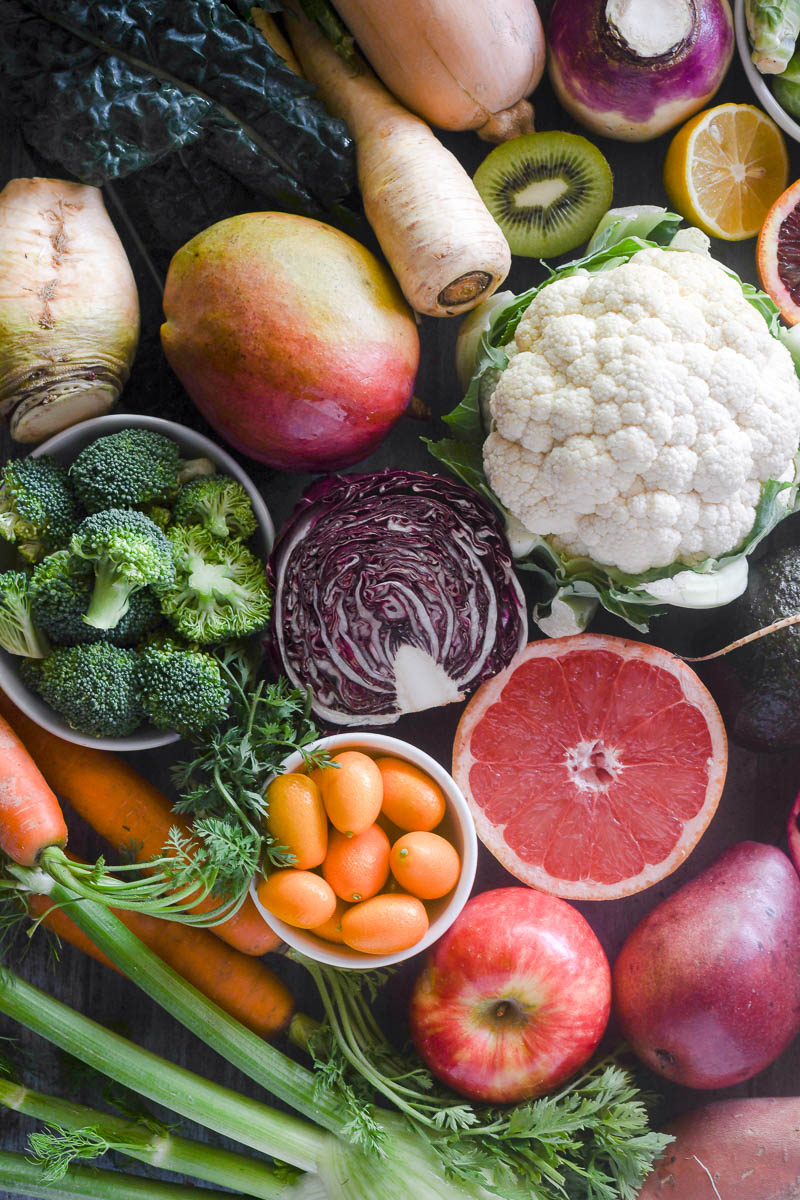
Buying fresh produce is one of the best ways to cook healthier, more flavorful meals, but knowing how to choose it and store it properly makes all the difference.
The right storage methods can help your fruits and vegetables last longer, reduce food waste, and ensure they taste their best when it’s time to cook.
This guide walks you through how to select and store the most common types of produce, with practical tips you can use every week at the grocery store or farmers market.
If you love cooking with seasonal ingredients (like I do!), a little produce know-how goes a long way.
If you want more seasonal produce inspiration, be sure to check out my seasonal produce guides. Each one is complete with recipe round ups for more fresh cooking ideas!
Why Proper Produce Storage Matters
- Keeps produce fresher longer.
- Preserves flavor and texture.
- Prevents premature spoilage.
- Saves money by reducing waste.
Leafy Greens & Tender Herbs
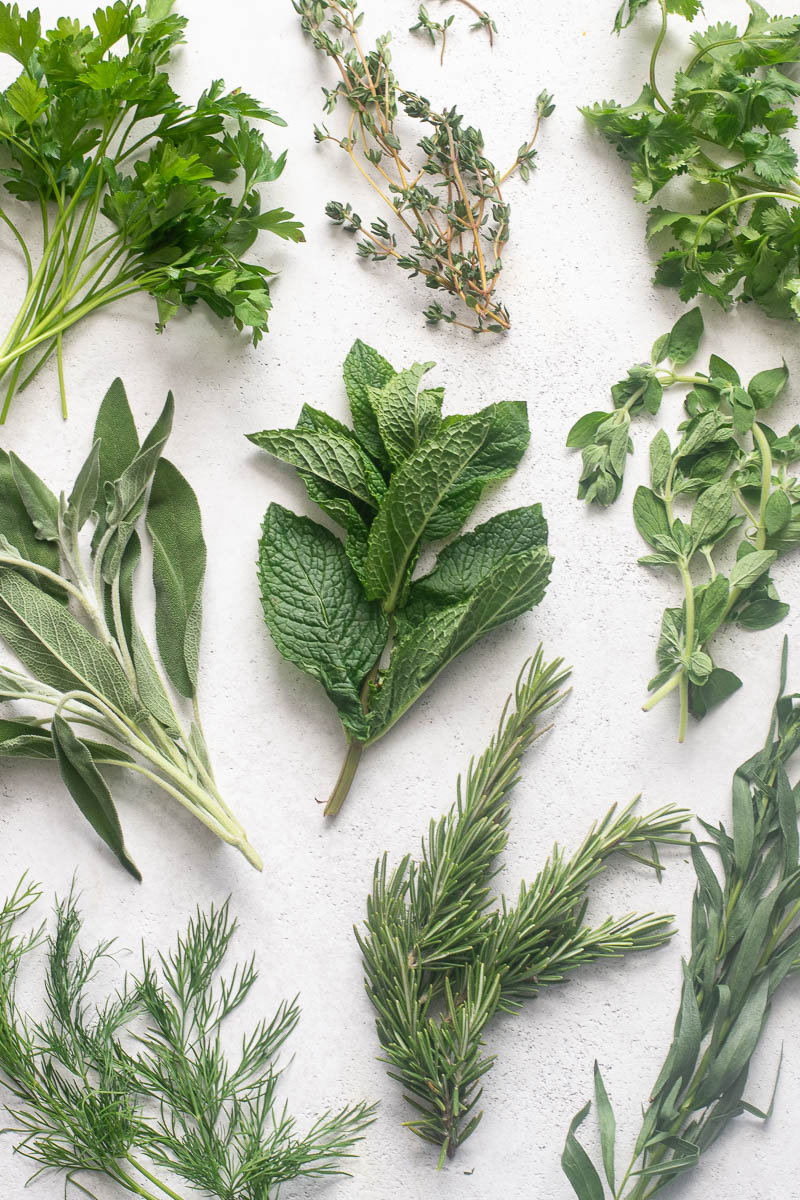
Leafy greens and tender herbs such as lettuce, spinach, kale, arugula, cilantro and parsley are some of the most delicate items in the produce drawer, and they’re often the first to show signs of wilting if they’re not stored properly.
Because they contain so much natural moisture, a little extra care goes a long way. With the right balance of airflow and dryness, greens and herbs stay fresher longer and are ready to use for salads, soups, and simple weeknight meals.

How to Choose
- Look for vibrant color and crisp leaves
- Avoid wilting, yellowing, or slimy spots
- Herbs should smell fresh and aromatic
How to Store
- Wash, dry thoroughly, and wrap loosely in paper towels
- Store in breathable produce bags or containers
- Keep herbs upright in a jar with a little water (like flowers), loosely covered. If you love using fresh herbs, be sure to see my fresh herbs produce guide for additional information.
Shelf life: Tender greens such as spinach, arugula or spring mix last 3-5 days when stored properly. Heartier greens like kale and Swiss chard last 5-7 days (sometimes up to 10 days for kale) when stored properly.
Pro tip: Excess moisture causes greens and herbs to spoil faster—drying them well is key.
Leafy green and herb recipes to try:
Cruciferous Vegetables
Cruciferous vegetables such as broccoli, brussels sprouts, cabbage and cauliflower are sturdy, nutrient-dense, and versatile. Cabbage stands out for its long shelf life and wide range of uses—from fresh salads to hearty cooked dishes.


How to Choose
- Firm, dense heads
- Tightly packed florets or leaves
- No yellowing or strong sulfur smell
How to Store
- Store unwashed in the crisper drawer
- Keep loosely wrapped for airflow
- Use within 5–7 days for best flavor
Shelf life: 1–2 weeks. The shelf life is often longer for whole heads of unwashed cabbage. I cover the different varieties of cabbage, how to choose them, and the best ways to use them in my cabbage produce guide.
Cruciferous vegetable recipes to try:
Root Vegetables
Root vegetables such as carrots, beets, parsnips, potatoes and sweet potatoes are prized for their long shelf life and hearty texture, making them especially useful for meal prep and seasonal cooking. Stored properly, they stay fresh for weeks and develop even better flavor over time.


How to Choose
- Firm and heavy for their size
- Smooth skins without soft spots
- Avoid sprouting (especially potatoes)
How to Store
- Beets, carrots & parsnips: fridge, sealed container
- Potatoes & sweet potatoes: cool, dark, well-ventilated place
- Never store potatoes in the fridge—it affects texture and flavor
Shelf life: 2–4 weeks. Parsnips often last even longer when stored properly. I share more detailed tips on choosing, prepping, and cooking with them in my parsnip produce guide.
Root vegetable recipes to try:
Alliums
Alliums such as garlic, leeks, onions and shallots are the foundation of so many savory dishes, adding depth and flavor to everything from soups and stews to salads and sheet pan dinners.
While onions, garlic, shallots, and leeks belong to the same family, they don’t all store the same way, so a few small adjustments can make a big difference.


Onions, Garlic & Shallots
These dry alliums are hardy and long-lasting when stored properly.
How to Choose
- Look for firm bulbs with dry, papery skins
- Avoid soft spots, mold, or sprouting
- Shallots should feel heavy for their size
How to Store
- Store whole bulbs in a cool, dry place with good airflow
- Do not refrigerate whole onions, garlic, or shallots
- Keep them away from potatoes, which can shorten their shelf life
- Once cut, wrap tightly and refrigerate
Shelf life: Several weeks (often longer under ideal conditions)
Allium recipes to try:
Leeks (A Fresh Allium That Needs Refrigeration)
Leeks are part of the allium family, but unlike onions and garlic, they’re harvested fresh and retain more moisture. Because of this, they require refrigeration and slightly different handling.
How to Choose
- Look for firm, straight stalks with crisp white and pale green sections
- Avoid leeks with slimy layers or excessive yellowing
- Smaller to medium leeks are usually more tender than very large ones
How to Store
- Store unwashed leeks in the refrigerator crisper drawer
- Keep them loosely wrapped to prevent drying while allowing airflow
- If trimmed or cut, wrap tightly and refrigerate
- Clean leeks just before using, as dirt is often trapped between the layers
Shelf life: About 1–2 weeks when stored properly. Since leeks can be tricky to clean and store properly, I share more detailed tips on choosing, prepping, and cooking with them in my leek produce guide.
Leek recipes to try:
Citrus Fruits
Citrus fruits such as grapefruit, lemons, limes and oranges are naturally hardy and have one of the longest shelf lives of any produce, making them easy to keep on hand for cooking, baking, and drinks. Proper storage helps them stay juicy and flavorful without drying out.


How to Choose
- Heavy for their size (juicier!)
- Smooth, firm skin
- Avoid shriveled or dull rinds
How to Store
- Countertop for short-term use
- Refrigerator for longer storage (up to 3–4 weeks)
Shelf life: Room temperature for 5–7 days; refrigerated 3-4 weeks.
Citrus recipes to try:
Tomatoes and peppers
Tomatoes and peppers are best when they’re fully ripe and full of flavor, but how you store them can dramatically affect their texture and taste. Knowing when to keep them on the counter and when to move them to the refrigerator helps preserve their freshness and prevents premature spoilage.


How to Choose
- Tomatoes: fragrant, vibrant, slightly soft
- Peppers: glossy skin, firm flesh, heavy for size
How to Store
- Tomatoes: never refrigerate until fully ripe
- Peppers: refrigerate in crisper drawer
- Use ripe tomatoes promptly for best flavor
Shelf life (stored properly): Tomatoes: 3–5 days once ripe (counter; refrigerate briefly only if fully ripe); Peppers: 1–2 weeks refrigerated.
Tomato and bell pepper recipes:
Berries & Soft Fruit
Berries and soft fruits such as blueberries, raspberries and strawberries are some of the most fragile items in the produce aisle, which is why they tend to spoil quickly if handled improperly.
Keeping them dry and refrigerated — and washing only right before using — helps extend their freshness and preserve their delicate texture.


How to Choose
- Bright color and plump texture
- No mold or leaking juices
How to Store
- Store unwashed in the fridge
- Wash only right before using
- Line container with paper towels to absorb moisture
Berry and soft fruit recipes to try:
Other Common Vegetables
Some vegetables don’t fit neatly into one category but still benefit from proper storage.


Asparagus
- Choose: Firm, straight spears with tightly closed tips
- Store: Refrigerate upright with the ends trimmed and loosely covered
- Shelf life: 3–5 days
Try it in asparagus frittata with goat cheese and asparagus salad.
Artichokes
- Choose: Heavy for their size with tightly packed leaves
- Store: Refrigerate loosely wrapped to prevent drying
- Shelf life: 5–7 days
Try it in: Easy roasted artichokes and slow cooker lemon chicken artichoke soup.
Celery
- Choose: Crisp stalks with bright green color and fresh leaves
- Store: Refrigerate tightly wrapped or in a sealed container
- Shelf life: 1–2 weeks
Try it in: Dill pickle tuna salad
Cucumbers
- Choose: Firm cucumbers with smooth skin and no soft spots or wrinkles
- Store: Refrigerate unwashed in the crisper drawer; keep loosely wrapped
- Shelf life: 7–10 days
Try it in: This easy Greek tzatziki recipe or insalata mista (Italian mixed salad).
Eggplant
- Choose: Heavy for its size with smooth, glossy skin
- Store: Refrigerate loosely wrapped; use within a few days for best texture
- Shelf life: 5–7 days
Try it in: My easy ratatouille recipe or Mediterranean-inspired recipes.
Fennel
- Choose: Firm bulbs with tight layers and fresh green fronds
- Store: Refrigerate loosely wrapped to maintain crispness
- Shelf life: 7–10 days. To find out more about choosing, storing and using fennel in recipes, see my fennel produce guide.
Try it in: Fennel and apple slaw and radicchio salad.


Mushrooms
- Choose: Firm, dry mushrooms with no slimy spots
- Store: Refrigerate in a paper bag or breathable container
- Shelf life: 5–7 days
Try them in: Mushroom barley soup and Instant pot mushroom risotto.
Peas
(Snap peas, snow peas, shelling peas)
- Choose: Bright green pods that feel crisp and plump
- Store: Refrigerate unwashed in a breathable bag or container
- Shelf life: 3–5 days
Try them in: Spring farro salad with feta and one pot spring pasta primavera.
Rhubarb
- Choose: Firm, crisp stalks with bright color and no limp or blemished spots
- Store: Refrigerate unwashed, loosely wrapped to prevent drying
- Shelf life: 5–7 days
Try it in: Rhubarb cake and strawberry rhubarb crisp. To find out more about this unique vegetable that’s used often in desserts, see my rhubarb produce guide.
Summer Squash & Zucchini
- Choose: Small to medium squash with glossy, unblemished skin
- Store: Refrigerate unwashed in the crisper drawer
- Shelf life: 4–7 days
Try them in: Creamy summer squash soup and crispy baked zucchini chips.
Winter Squash
(Butternut, acorn, kabocha, delicata, pumpkin)
- Choose: Hard skins with no soft spots or cracks
- Store: Store whole in a cool, dry place; refrigerate once cut
- Shelf life: 1–3 months whole; 5–7 days once cut
Try them in: Creamy kabocha squash mash and butternut squash mac and cheese.


FAQs
No. Washing introduces moisture, which causes faster spoilage. Wash produce just before using.
Cold temperatures convert starch to sugar, affecting flavor and texture.
Some fruits release ethylene gas, which causes vegetables to spoil faster. For this reason, you should store them separately.
Excess moisture and lack of airflow cause breakdown. Dry thoroughly and use breathable storage.
Store tender herbs upright in water and loosely cover with a bag. Change water every few days.
Helpful storage products
- Produce storage containers with airflow vents keeps produce fresher longer
- Fresh lock containers for cut tomatoes, avocado, onion, citrus and more
- Reusable storage bags for refrigerator and freezer
- Herb keepers for delicate herbs
- Glass containers for prepped produce
These make weekly prep easier and help extend freshness—especially if you cook often.
Final Tips for Buying Better Produce
- Shop seasonally whenever possible
- Don’t wash produce until ready to use
- Store fruits and vegetables separately
- Trust your senses: smell, touch, and sight matter
