My twelve-year-old asked me to tune into the Super Bowl this year—for the halftime show, not the game itself. During the most statistically analyzed broadcast of the year—an event defined by ratings, yardage, revenue, and view counts—a commercial stopped me cold.
I paused the screen.
There’s more to life than more.
Gasp.
On the surface, it’s a remix of the old bromide: There’s more to life than work. But it points to something deeper: There’s more to life than acquiring more—more square footage in your home, more money in your bank account.
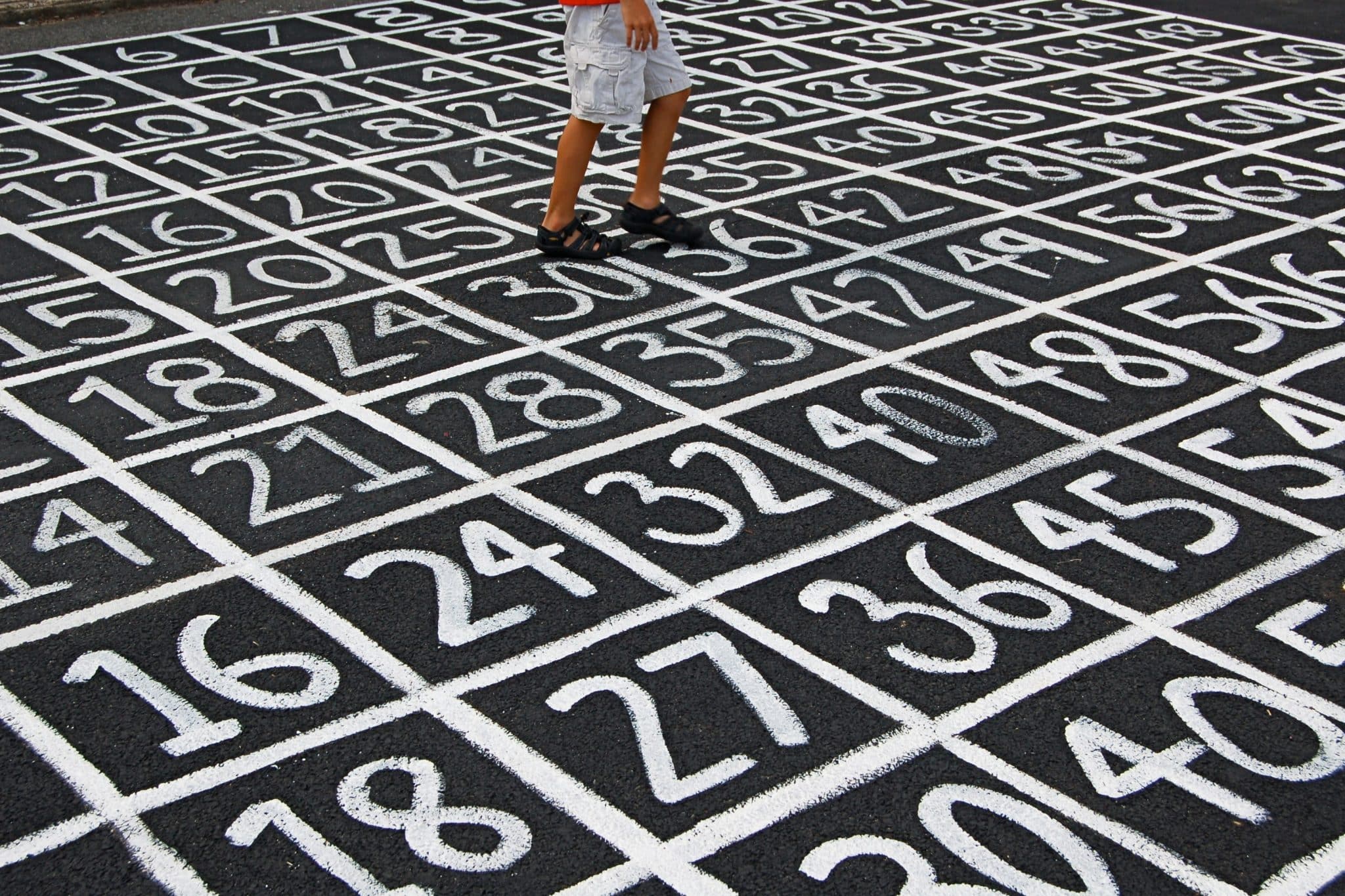
The ancient Greeks had a word for this rapaciousness: pleonexia, greed for the things that can be counted.
Today, we live inside a culture optimized for pleonexia.
Schools rank our performance.
Corporations quantify our merit.
Social media tallies our likability.
We measure our steps,
our sleep, our relevance.
Measurement was created to serve us.
But now we serve what we measure.
The measurable is seductive because it’s clear; it gives us numbers to chase and progress to celebrate.
But numbers are only the surface layer.
We don’t crave money; we seek what it represents.
We don’t thirst for followers; we hunger for belonging.
We don’t covet square footage; we desire security and abundance.
Somewhere along the way, we began pursuing the proxy instead of the thing itself.
In my own life…
More followers led to less intimacy.
More content led to less contentment.
More hurry led to less presence.
If it can be counted,
it can be compared.
And if it can be compared,
it will likely be competed for.
Therein lies the problem.
Love is not a competition.
Peace cannot be located on a leaderboard.
And joy diminishes under comparison.
The problem isn’t measurement itself; it’s the subconscious assumption that whatever cannot be measured must not matter. And so we begin to overlook the very things that give life its texture.
Go ahead, try measuring them…
How many ounces of forgiveness will you extend today?
How many international units of delight will you experience?
What’s the market value of sitting silently with someone you love?
Turns out: the most important things cannot be measured.
That’s not to say the measurable doesn’t matter. I think fair wages are extremely important. And I find it beneficial to pay attention to my budget and my personal health markers.
But metrics make poor masters.
When we mistake the countable for the valuable, we sacrifice what matters most for what merely registers.
A life spent chasing numbers may add up.
It just might not amount to much.