Suppositories are a type of medication that is inserted into the body — most commonly the rectum or vagina — where they dissolve and release the medication for absorption.
Doctors recommend different forms of suppositories for different medical conditions and purposes. People place some in the rectum and others in the vagina.
This article provides step-by-step guidance on using suppositories, helpful troubleshooting tips, and advice for people who need to use this type of medication.
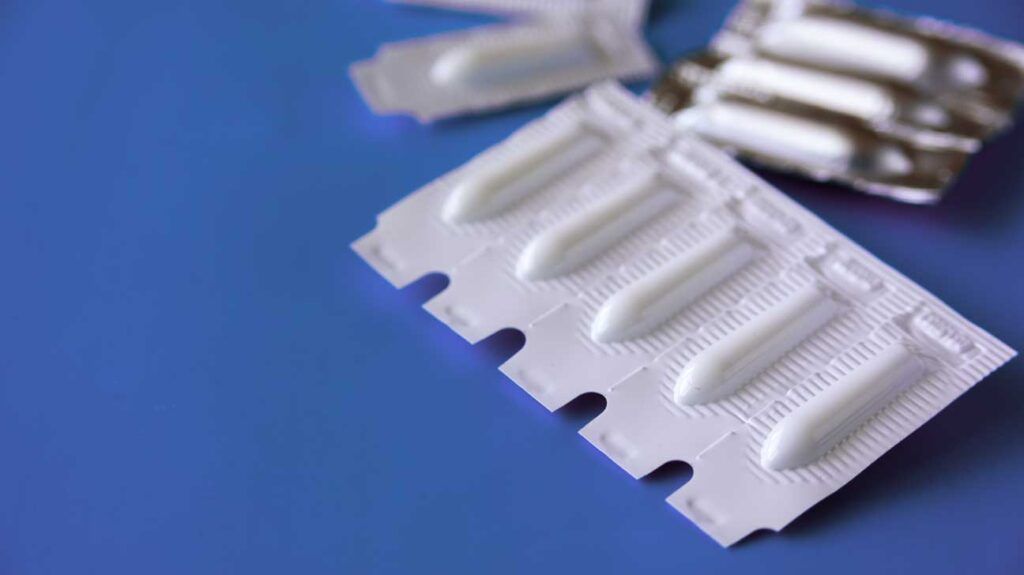
Suppositories are another way to deliver drugs to the body when other routes, such as oral, cannot be used.
A suppository is small and may be round, oval, or cone-shaped. A substance,
Suppositories may treat the local area, or the medication may travel to other parts of the body through the bloodstream.
The medication works in the following steps:
- Insertion: A medical professional will insert the suppository into the body, or the person will insert it themselves at home. They may use a gloved finger or applicator.
- Body heat activation: Once inside, the body’s warmth causes the suppository to melt if it is fat-based or dissolve if it is water-soluble.
- Absorption: The medication is then absorbed through the mucous membranes in that area into the bloodstream or acts locally where it was inserted, depending on the type of drug.
Why use suppositories?
Suppositories deliver many types of medication, and a person may need to use them if they:
- are having seizures and cannot take medications by mouth
- are unable to swallow medication for any reason
- are vomiting and cannot keep pills or liquids down
- have a blockage that stops the medication moving through the digestive system
People may also take suppositories if the medication:
- tastes too bad to take by mouth
- would break down too quickly in the gut
- could be destroyed in the gastrointestinal tract
There are three types of suppositories:
Rectal suppositories
Rectal suppositories go in the rectum or anus. They are typically an inch long and have a rounded tip.
They treat conditions, such as:
- constipation
- fever
- hemorrhoids
- mental health issues such as anxiety, schizophrenia, or bipolar disorder
- nausea, including motion sickness
- pain
Vaginal suppositories
- bacterial or fungal infections
- vaginal dryness
Vaginal suppositories are typically oval and come with an applicator.
Anyone using a rectal suppository may want to refer to the following steps for guidance:
1. Get prepared
- Try to pass stool to empty the colon, as suppository medication is most effective when the bowel is empty.
- Wash hands thoroughly with soap and warm water or use a hand sanitizer. Dry the hands thoroughly on a clean towel or paper towel.
- Carefully remove the suppository from its wrapper.
- If it is necessary to cut the suppository, use a clean, single-edge razor blade to slice it lengthwise.
- Use a disposable glove, if desired.
2. Get ready to insert the suppository
- Dip the tip of the suppository in water, or apply a small amount of water-based lubricant, such as K-Y Jelly that is available to buy online. A lubricant helps the suppository more easily slide into the rectum.
- Remove clothing from the lower half of the body.
- Find the correct position. Either stand up with one foot on a chair or lie down on one side with the top leg bent slightly toward the stomach. Caregivers giving the suppository to another person often find it easier if the person is lying down.
3. Insert the suppository
- Relax the muscles of the buttocks and open the cheeks.
- Gently insert the suppository into the anus, narrow end first.
- Push it in about 1 inch for adults and about half an inch in infants.
- In older children, push the suppository in approximately half to one inch, depending on their size.
4. Relax and clean up
- Sit or lie still for 10 minutes after inserting the suppository. Staying still allows time for the suppository to dissolve in the body. Parents may need to hold a child’s buttocks closed during this time.
- Dispose of all materials, including the suppository wrapper and any tissue paper.
- Wash the hands thoroughly with soap and warm water.
Try to avoid passing stool for up to 60 minutes after inserting the suppository, unless it is a laxative. Not passing stool gives the medication enough time to enter the bloodstream and start working.
To place a suppository into the vagina, follow these tips:
1. Get prepared
- Wash hands with soap and warm water, or use a hand sanitizer if these are not available. Dry the hands well on a clean towel or paper towel.
- Unwrap the suppository, and place it in the accompanying applicator.
- Either stand with the knees bent and feet apart or lie down with the knees bent toward the chest.
2. Insert the suppository
- Place the applicator into the vagina, as far as possible, without causing discomfort.
- Press down on the plunger to push in the suppository.
- Remove the applicator from the vagina, and dispose of it.
3. Relax and clean up
- Lie down for 10 minutes to allow the medication to enter the body.
- Wash the hands once more with soap and warm water.
Consider using a sanitary towel for a few hours, as some of the suppository may leak out onto the underwear.
Suppositories are usually safe to use. Sometimes, some of the medication may leak out. To avoid a mess, people may want to wear a sanitary towel or incontinence pad.
Some people may experience irritation around the area where they inserted the suppository. If this is severe or persists, they should contact a doctor.
Occasionally, the body may not absorb the medication delivered by a suppository as well as it does oral medications.
The following tips may help people who need to use suppositories:
- Avoid exercise or vigorous movement for 60 minutes after inserting the medication.
- Do not use petroleum jelly, such as Vaseline, to lubricate the suppository. This stops it from melting. Only use water, or a water-based lubricant.
- Store suppositories in the refrigerator or another cool place, so they do not melt. Always follow the storage directions on the label.
- A soft suppository can be difficult to insert. Gently squeeze it to see if it is firm enough. If not, harden the wrapped suppository by holding it under a flow of cold water. Or, place it in the refrigerator for a few minutes.
- Trim fingernails before inserting suppositories. This prevents cuts and scrapes. Alternatively, wear a latex glove.
- Some people may notice the suppository falls out. This can occur because they have not pushed it far enough into the rectum. Push the medication in about 1 inch.
- Those who struggle to use suppositories should consider asking a partner or caregiver for help.
- As with other medications, avoid missing doses. Missed doses may reduce the effectiveness of the treatment.
Suppositories are helpful for people who cannot take medications by mouth.
People who have difficulty using suppositories should ask a doctor for advice. They should also talk with a doctor before using suppositories if they:
- have had recent rectal surgery, prostate surgery, or vaginal treatment
- have an irregular heartbeat
Although they may be unpleasant to use, rectal and vaginal suppositories can be an effective way of delivering medication.