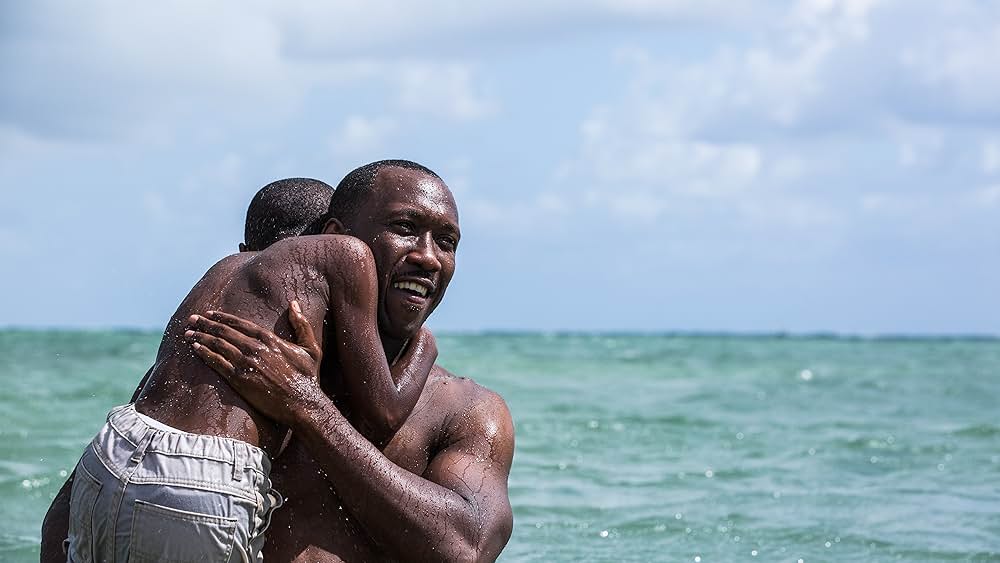
Dois irmãos separados e um amigo encontram uma fortuna roubada, dando início a um jogo arriscado em que lealdade e sobrevivência se chocam enquanto eles perseguem a vida - transformando sonh... Ler tudoDois irmãos separados e um amigo encontram uma fortuna roubada, dando início a um jogo arriscado em que lealdade e sobrevivência se chocam enquanto eles perseguem a vida - transformando sonhos.Dois irmãos separados e um amigo encontram uma fortuna roubada, dando início a um jogo arriscado em que lealdade e sobrevivência se chocam enquanto eles perseguem a vida - transformando sonhos.
Explorar episódios
Acelya Devrim Yilhan
• 2025
Sarp Aydinoglu
• 2025
Fehmi Karaarslan
• 2025
Özgürcan Çevik
• 2025
Haydar Sahin
• 2025
Doganay Ünal
• 2025
Erol Babaoglu
• 2025
Umut Cinar
• 2025
Hamit Firat Alpay
• 2025
Ceren Koç
• 2025
Cem Zeynel Kiliç
• 2025
Avaliações em destaque
Netflix's "The Town" (Kasaba) is yet another prime example of the platform's frustrating habit of building intense hype around a promising limited series, only to deliver an abrupt, incomplete ending that leaves viewers' excitement completely dashed and their investment feeling utterly wasted. Dropped as an 8-episode mini-series on December 11, 2025, it hooks you with escalating moral dilemmas and interpersonal tension, but the finale rushes through resolutions, abandoning key character arcs and emotional payoffs without proper closure-leaving audiences stuck with that bitter taste of a story cut short just when it was getting truly compelling. Netflix does this all the time with their originals, teasing depth and then pulling the plug prematurely, and frankly, it's gotten old and tiresome, like a bad joke that's overstayed its welcome.
Nevertheless, the series has several understated strengths worth highlighting. The cinematography excels in subtle world-building through muted color palettes and wide shots of desolate landscapes that convey economic stagnation and quiet despair without heavy-handed exposition. Sound design stands out for its minimalist approach, using ambient rural noises-wind through empty streets, faint echoes of conversations-to heighten unease in transitional scenes that many thrillers overload with music.
The performances, particularly from lesser-spotlighted actors, add genuine texture. Kerem Can delivers an extraordinarily layered portrayal that's easily one of the show's quiet powerhouses, often overlooked amid the bigger names. His physical presence alone commands attention: the way he uses deliberate, economical movements-a slow shift in weight, a clenched jaw during silent confrontations, or the subtle broadening of shoulders as his character's confidence builds-conveys evolving power dynamics with masterful precision. Can's eyes do incredible work, shifting from wary vulnerability in early scenes to hardened calculation later, revealing inner conflict through fleeting micro-expressions that feel profoundly authentic and lived-in. His vocal restraint is brilliant too; he underplays lines with gravelly pauses and lowered tones that make threats feel intimately personal rather than theatrical, drawing viewers into his moral descent organically. Even in ensemble moments, Can anchors group tension through reactive listening-tiny nods, averted gazes, or tightened fists-that enrich unspoken alliances and betrayals, adding depth to the town's web of loyalties. His gait evolves noticeably across episodes, from hesitant steps reflecting financial strain to a more predatory stride as greed takes hold, grounding the character's transformation in believable physicality. Overall, Can's commitment to subtlety elevates secondary plotlines involving local enforcers and family pressures, making his arc feel richly human and tragically inevitable in ways that linger long after.
Supporting players like Okan Yalabik bring restrained gravitas through hesitant delivery that mirrors ethical erosion, while Ozgurcan Cevik shines in conveying fractured brotherhood via body language shifts. Busra Develi and Ozan Dolunay handle relational subtleties adeptly with meaningful silences.
The narrative earns praise for integrating authentic small-town details-regional economic realities, gossip networks-into subplots without slowing pace, creating a credible backdrop for ethical tests.
Despite these merits, the incomplete story leaves viewers frustrated in their throats, and Netflix's repeated pattern of such letdowns has truly worn thin.
Nevertheless, the series has several understated strengths worth highlighting. The cinematography excels in subtle world-building through muted color palettes and wide shots of desolate landscapes that convey economic stagnation and quiet despair without heavy-handed exposition. Sound design stands out for its minimalist approach, using ambient rural noises-wind through empty streets, faint echoes of conversations-to heighten unease in transitional scenes that many thrillers overload with music.
The performances, particularly from lesser-spotlighted actors, add genuine texture. Kerem Can delivers an extraordinarily layered portrayal that's easily one of the show's quiet powerhouses, often overlooked amid the bigger names. His physical presence alone commands attention: the way he uses deliberate, economical movements-a slow shift in weight, a clenched jaw during silent confrontations, or the subtle broadening of shoulders as his character's confidence builds-conveys evolving power dynamics with masterful precision. Can's eyes do incredible work, shifting from wary vulnerability in early scenes to hardened calculation later, revealing inner conflict through fleeting micro-expressions that feel profoundly authentic and lived-in. His vocal restraint is brilliant too; he underplays lines with gravelly pauses and lowered tones that make threats feel intimately personal rather than theatrical, drawing viewers into his moral descent organically. Even in ensemble moments, Can anchors group tension through reactive listening-tiny nods, averted gazes, or tightened fists-that enrich unspoken alliances and betrayals, adding depth to the town's web of loyalties. His gait evolves noticeably across episodes, from hesitant steps reflecting financial strain to a more predatory stride as greed takes hold, grounding the character's transformation in believable physicality. Overall, Can's commitment to subtlety elevates secondary plotlines involving local enforcers and family pressures, making his arc feel richly human and tragically inevitable in ways that linger long after.
Supporting players like Okan Yalabik bring restrained gravitas through hesitant delivery that mirrors ethical erosion, while Ozgurcan Cevik shines in conveying fractured brotherhood via body language shifts. Busra Develi and Ozan Dolunay handle relational subtleties adeptly with meaningful silences.
The narrative earns praise for integrating authentic small-town details-regional economic realities, gossip networks-into subplots without slowing pace, creating a credible backdrop for ethical tests.
Despite these merits, the incomplete story leaves viewers frustrated in their throats, and Netflix's repeated pattern of such letdowns has truly worn thin.
Very good acting across all roles and a well-starting script. But later on, the script becomes incredibly and unnecessarily complicated. There are too many pointless side characters. You could remove 10 characters from the series and nothing would change.
After a certain point, the story turns into a tangled mess that you can't figure out how it will be tied together, devolving into a chain of clichés, stupid decisions by characters and logical inconsistencies. The potential that started well in the first two episodes is completely wasted. The point where events start to fall apart and become ridiculous is after the torture scene, when Okan Yalabik's character suddenly jumps to the level of stabbing someone, and then Kerem Can's character starts cooperating with the others.
The series Kasaba (Town) is fantastic it's the best series I've watched recently The script and acting are superb It's reminiscent of Breaking Bad Okan Yalabik's performance is superb I watched all 8 episodes back to back in one sitting Furthermore the fact that the series takes place in Edirne and reflects its local culture adds a unique originality and color to the show.
Anyone familiar with Seren Yüce's work knows that he is one of the most talented filmmakers in contemporary Turkish cinema. Cogunluk and Rüzgarda Salinan Nilüfer are outstanding films about the Turkish middle class and are highly recommended. He also created Masum, a critically acclaimed suspense drama that easily ranks among the best Turkish series ever made.
So what went wrong here?
This series feels like a rushed project made purely for quick money. There is no sense of love, care, or passion behind it. I am giving it two stars solely because Okan Yalabik is in it, and if you know him, you know he simply cannot act badly. Even so, he cannot save this mess. His co-actors are unconvincing and manage to ruin almost every scene they share with him.
Özgürcan Cevik, who plays the idiot who messes everything up, was actually okay, but his performance could have been more nuanced, and his character clearly needed better writing.
Kerem Can, in particular, might be one of the worst Turkish actors I have seen in a long time. Whoever thought that wig was a good idea should honestly be fired. He simply cannot act, and it is impossible to take him seriously.
Büsra Develi and Ozan Dolunay did not convince me either. Their performances feel as if they learned their lines five minutes before shooting.
Overall, this was deeply disappointing. I had very high expectations because I trusted Seren Yüce to never make something this bad, but I was wrong. I will pass on this one.
So what went wrong here?
This series feels like a rushed project made purely for quick money. There is no sense of love, care, or passion behind it. I am giving it two stars solely because Okan Yalabik is in it, and if you know him, you know he simply cannot act badly. Even so, he cannot save this mess. His co-actors are unconvincing and manage to ruin almost every scene they share with him.
Özgürcan Cevik, who plays the idiot who messes everything up, was actually okay, but his performance could have been more nuanced, and his character clearly needed better writing.
Kerem Can, in particular, might be one of the worst Turkish actors I have seen in a long time. Whoever thought that wig was a good idea should honestly be fired. He simply cannot act, and it is impossible to take him seriously.
Büsra Develi and Ozan Dolunay did not convince me either. Their performances feel as if they learned their lines five minutes before shooting.
Overall, this was deeply disappointing. I had very high expectations because I trusted Seren Yüce to never make something this bad, but I was wrong. I will pass on this one.
Principais escolhas
Faça login para avaliar e ver a lista de recomendações personalizadas
December 2025 TV and Streaming Premiere Dates
Check out our December calendar to see when "Spartacus: House of Ashur" premieres, "Midsomer Murders" returns, and more.
Detalhes
- Data de lançamento
- País de origem
- Central de atendimento oficial
- Idioma
- Também conhecido como
- The Town
- Locações de filme
- Empresa de produção
- Consulte mais créditos da empresa na IMDbPro
- Tempo de duração
- 40 min
- Cor
- Mixagem de som
Contribua para esta página
Sugerir uma alteração ou adicionar conteúdo ausente