

Un mannequin découvre qu'un juge à la retraite tient à s'immiscer dans la vie privée des gens.Un mannequin découvre qu'un juge à la retraite tient à s'immiscer dans la vie privée des gens.Un mannequin découvre qu'un juge à la retraite tient à s'immiscer dans la vie privée des gens.
- Réalisation
- Scénaristes
- Vedettes
- Nommé pour 3 oscars
- 19 victoires et 27 nominations au total


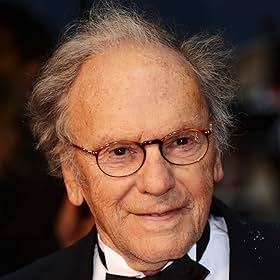
Frédérique Feder
- Karin
- (as Frederique Feder)


Samuel Le Bihan
- Le photographe (Photographer)
- (as Samuel Lebihan)


Avis en vedette
10Vynson
See Three Colors: Blue and Three Colors: White. They are both wonderful films and will give an added dimension to the finale Three Colors: Red. Red is a fantastic film. It can be enjoyed in a single viewing, and indeed, the climax of the film is very powerful in that first viewing. But, watch it again. Once you understand the use of symbolism and character parallels in this movie, you will see new things with each viewing. With the first viewing you understand that the film is the work of a brilliant mind. With each additional viewing, you find yourself discovering that it is, in fact, a work of genius. Red is meant to symbolize fraternity in the French flag. The story turns the theme of fraternity around to be viewed at angles one would never suspect. The facets of fraternity shared by the different characters is as deep as you care to peer. If you are used to the blatant "symbolism" in most mass films, you may find Red a bit slow. You may find yourself looking at a screen filled with intensity that you do not fathom... and yawning, wonder what all the excitement is about. This is not a mindless, vicarious experience. Everything is not explained to you. You must think as you watch. You must see... not simply look. Wonderful movie... one meant to be enjoyed by a wonderful moviegoer.
The last film in the Three Colors trilogy, RED, is deceptively simple, yet it rounds out everything that came before in an enlightening way. It slightly resembles THE DOUBLE LIFE OF VERONIQUE in its theme of fraternity, and in its casting of Irene Jacob, who manages to exude a sense of curious innocence and integrity. She interprets the role of Valentine, a young Swiss model and student living in Geneva and experiencing a kind of emotional limbo as she awaits her boyfriend's return from England. Through a seemingly trivial twist of fate, she encounters a cynical retired judge (Jean-Louis Trintignant) who leads a lonely, world weary existence and eavesdrops on his neighbors' telephone conversations. Initially she finds his detached indifference appalling, and wants to report him, but her compassionate nature enables her to comprehend the greater plight of the man, one of leading a fruitless, lovelorn life. They form a touching friendship, and this sets the stage for another turn of events. Auguste (Jean-Pierre Lorit) is young judge who is in many ways a mirror image of Trintignant's character. He lives near Valentine, but through possible lack of synchronicity, they never meet. Upheavals in his life are accordingly similar to the old judge's, but this time, due to the presence of the noble Valentine, an old adversity can be turned on its side, bringing fulfillment for everyone.
With Red, there is a real sense of culmination unlike any other. Wistful, melancholy, yet life-affirming, the film offers hope in world full of supposed mistaken paths. Tritignant remarked on Kieslowski's talents in augmenting the emotions of the actors through his technique: "I'm very pleased with my work on this film - and I don't think it had a lot to do with me. For example, at the end of the film when my character goes to the window, looks outside, and starts to cry - I couldn't do it, I couldn't summon the tears. I tried to make myself cry but couldn't manage it. Krzysztof called the make-up lady who shot menthol into my eyes. We shot the scene and Krzysztof said 'It's good, next shot.' Recently I saw the finished film. I waited anxiously for this scene. And I cried when I saw myself."
Tritignant's nuanced portrayal is augmented by equally good work from Jacob who bears insight into her role as well: "Something really great about RED are the 'non-encounters' between Auguste and Valentine. They pass each other without ever meeting. They might be great for each other but they never meet. It reminds me of THE DOUBLE LIFE OF VERONIQUE where the two identical Veroniques are face to face but don't see each other. In RED this idea is reflected by the way Valentine can't face up to her life, her love, her sorrows. How can Auguste see her, or she him? How can they both release themselves from this blindness?"
The uplifting aura of this film shines even brighter given the pettiness with which the Academy of Motion Picture Arts and Sciences brushed it off. Due to the fact that is a multinational co-production, with a Polish director, mixed Swiss and French cast and crew, Red was not allowed to compete for a Best Foreign Language Film Oscar as a film from Switzerland. Indeed, the trilogy itself is without a country as it transcends borders and even culture in its solemn inquiry into human nature and that is a prize in itself.
With Red, there is a real sense of culmination unlike any other. Wistful, melancholy, yet life-affirming, the film offers hope in world full of supposed mistaken paths. Tritignant remarked on Kieslowski's talents in augmenting the emotions of the actors through his technique: "I'm very pleased with my work on this film - and I don't think it had a lot to do with me. For example, at the end of the film when my character goes to the window, looks outside, and starts to cry - I couldn't do it, I couldn't summon the tears. I tried to make myself cry but couldn't manage it. Krzysztof called the make-up lady who shot menthol into my eyes. We shot the scene and Krzysztof said 'It's good, next shot.' Recently I saw the finished film. I waited anxiously for this scene. And I cried when I saw myself."
Tritignant's nuanced portrayal is augmented by equally good work from Jacob who bears insight into her role as well: "Something really great about RED are the 'non-encounters' between Auguste and Valentine. They pass each other without ever meeting. They might be great for each other but they never meet. It reminds me of THE DOUBLE LIFE OF VERONIQUE where the two identical Veroniques are face to face but don't see each other. In RED this idea is reflected by the way Valentine can't face up to her life, her love, her sorrows. How can Auguste see her, or she him? How can they both release themselves from this blindness?"
The uplifting aura of this film shines even brighter given the pettiness with which the Academy of Motion Picture Arts and Sciences brushed it off. Due to the fact that is a multinational co-production, with a Polish director, mixed Swiss and French cast and crew, Red was not allowed to compete for a Best Foreign Language Film Oscar as a film from Switzerland. Indeed, the trilogy itself is without a country as it transcends borders and even culture in its solemn inquiry into human nature and that is a prize in itself.
10highkite
Trilogies are very interesting. Some go out with a bang (Lord of the Rings), some get progressively weaker (The Matrix), some get lost in obscurity (Blade, Back to the Future), but some maintain the genius, that seemingly ever-growing bright light that floats beyond the surface of its flawless exterior. Case and point: "Three Colors Trilogy". This chapter in the trilogy, being the last one, is the most philosophical and thought-provoking. In "Blue" we had a more visually stunning, more character-driven plot, in "White" it was more of a light hearted, narrative-driven story where we listen more to what the characters say than anything. "Red", however is focused on the "what ifs" and "how comes". It questions our own fate and focuses mainly on the past and the future than the present.
This chapter is about a young model who runs over a dog and brings him back to his owner. She soon finds out that the owner of the dog is actually a cynical retired judge who spies on his neighbors' phone calls through advanced spying equipment. All three films in the trilogies have very basic plot lines, but bring a lot more to the story. Consider in "Blue", the story of a woman dealing with the loss of her loved ones. We are constantly shown ideas about the contemporary French society and how that reflects the character's behavior. "Red" is not only about a young woman who finds shelter in an older man's life, but it is also about chance, hope, and fate.
Irene Jacob stars as Valentine Dussaut, who at first finds the old man (Jean-Louis Trintignant), whom we never find the name of, extremely self-centered and disgusting. Though through self reflective analysis, and her voyeuristic intentions, she learns that the judge would be the perfect man for her, if only he was 40 years younger. Irene lives across from another, younger judge, who highly resembles the old man. This is the "what if" that keeps circling in the movie. What if Irene were born 40 years ago? The old man would have been her perfect match. But what if the younger judge is actually her perfect match, since he so closely resembles the older one. Valentine doesn't know this, only we do, and Krzysztof Kieslowski subtly suggests this in almost every frame which Irene is in. We are constantly smacked in the face with his presence, as almost a suggestion of Irene's fate.
I mention that the old man does not have a name for a reason. That reason is because it is very symbolic to the overall theme in the story. We are to compare the old judge to Auguste (Jean-Pierre Lorit), the younger judge, in more than one way. We learn that the old man once had someone he loved but she got away. In another scene, we see Auguste heartbroken as the love of his life gets away with another man. There are constant reminders of whether or not Valentine will ever meet this man. Even though they pass each other without noticing every single day. There is also the motif of the telephone, to Valentine it is a way of keeping sane and updating her life, to Auguste it is what leads to his heartbreak, and to the old man, it is the only thing he has left. These three elements serve to shadow the characters own psychology. It is a sort of statement about what they are and who they are.
All three "Colors" films stand for a certain principle, most common in France. "Blue" stands for Liberty (the personal being), "White" stands for Equality (being accepted by more than one), and "Red" is Fraternity (to socialize, to learn). And although this final chapter is an obvious focus on the Fraternity principle, Kieslowski makes sure he brings in the other two as well, in order to connect all three stories. For example, we see the old man trying to reach out to Valentine and enlighten her with his spy equipment, which is a reflection of the Equality principle. We also see near the end that Valentine is doing some soul searching and that she's more concerned about herself than others (not picking up the phone when Michel calls), a clear example of Liberty. And with all three principles established, Kieslowski nicely connects all of the characters as well, in the final and most heartfelt scene.
"Red" is about where you could have been if you were older or younger. It is about whether or not there is someone completely perfect for everyone, and whether or not one person can change your life. The final chapter in the most awe-inspiring trilogy ever made, this film breaks barriers in both directing and storytelling. It is not only about our modern life, but about where life could and should be in our modern time. And although the movie is more subtle than both "Blue" and "White", it boldly exclaims a statement of love and compassion.
It's hard to imagine that "Red" was Kieslowski's last film, and that he died at such a young age. Nevertheless, the trilogy will always be his masterpiece and we will always remember him for his work that ranks right up with Bergman, Fellini, and Wenders as a truly remarkable director who's never been awarded with an Oscar. Kieslowski, you have been missed!
This chapter is about a young model who runs over a dog and brings him back to his owner. She soon finds out that the owner of the dog is actually a cynical retired judge who spies on his neighbors' phone calls through advanced spying equipment. All three films in the trilogies have very basic plot lines, but bring a lot more to the story. Consider in "Blue", the story of a woman dealing with the loss of her loved ones. We are constantly shown ideas about the contemporary French society and how that reflects the character's behavior. "Red" is not only about a young woman who finds shelter in an older man's life, but it is also about chance, hope, and fate.
Irene Jacob stars as Valentine Dussaut, who at first finds the old man (Jean-Louis Trintignant), whom we never find the name of, extremely self-centered and disgusting. Though through self reflective analysis, and her voyeuristic intentions, she learns that the judge would be the perfect man for her, if only he was 40 years younger. Irene lives across from another, younger judge, who highly resembles the old man. This is the "what if" that keeps circling in the movie. What if Irene were born 40 years ago? The old man would have been her perfect match. But what if the younger judge is actually her perfect match, since he so closely resembles the older one. Valentine doesn't know this, only we do, and Krzysztof Kieslowski subtly suggests this in almost every frame which Irene is in. We are constantly smacked in the face with his presence, as almost a suggestion of Irene's fate.
I mention that the old man does not have a name for a reason. That reason is because it is very symbolic to the overall theme in the story. We are to compare the old judge to Auguste (Jean-Pierre Lorit), the younger judge, in more than one way. We learn that the old man once had someone he loved but she got away. In another scene, we see Auguste heartbroken as the love of his life gets away with another man. There are constant reminders of whether or not Valentine will ever meet this man. Even though they pass each other without noticing every single day. There is also the motif of the telephone, to Valentine it is a way of keeping sane and updating her life, to Auguste it is what leads to his heartbreak, and to the old man, it is the only thing he has left. These three elements serve to shadow the characters own psychology. It is a sort of statement about what they are and who they are.
All three "Colors" films stand for a certain principle, most common in France. "Blue" stands for Liberty (the personal being), "White" stands for Equality (being accepted by more than one), and "Red" is Fraternity (to socialize, to learn). And although this final chapter is an obvious focus on the Fraternity principle, Kieslowski makes sure he brings in the other two as well, in order to connect all three stories. For example, we see the old man trying to reach out to Valentine and enlighten her with his spy equipment, which is a reflection of the Equality principle. We also see near the end that Valentine is doing some soul searching and that she's more concerned about herself than others (not picking up the phone when Michel calls), a clear example of Liberty. And with all three principles established, Kieslowski nicely connects all of the characters as well, in the final and most heartfelt scene.
"Red" is about where you could have been if you were older or younger. It is about whether or not there is someone completely perfect for everyone, and whether or not one person can change your life. The final chapter in the most awe-inspiring trilogy ever made, this film breaks barriers in both directing and storytelling. It is not only about our modern life, but about where life could and should be in our modern time. And although the movie is more subtle than both "Blue" and "White", it boldly exclaims a statement of love and compassion.
It's hard to imagine that "Red" was Kieslowski's last film, and that he died at such a young age. Nevertheless, the trilogy will always be his masterpiece and we will always remember him for his work that ranks right up with Bergman, Fellini, and Wenders as a truly remarkable director who's never been awarded with an Oscar. Kieslowski, you have been missed!
It is not only difficult to comment separately on the three parts of Kieslowski's trilogy, it seems obvious that the filmmaker wants us to do just the opposite: view them in order, Blue, White, and Red, and consider them together as one complete work. It is true they are distinct stories with distinct themes: liberty, equality, fraternity, and each them is developed with unique applications of intrigue and artistry. They are each well worth seeing independently, but I believe they are best seen as one work. Collectively, I would rate the trilogy as a 9; separately, I place each in my top ten for the years 1993 and 1994.
The color red is most memorable in the third movie as a backdrop in a billboard ad, the profiled model of which is the central of the movie's three main characters. The other two characters do a double-take of a varying degree of recognition when they first come upon the ad, posted larger than life alongside a busy city intersection. This ad is not a major part of the plot of this movie, yet its image becomes striking and is one of the reasons I have called Red a `mind-bending' film. This is the third of Kieslowski's Three Colors trilogy, based on the Blue-White-Red of the French flag and the three parts of its motto, `Liberty, Equality, Fraternity.' The films stay primarily focused on these themes, keeping with the basic levels of one, two, or three main characters, yet with each film the complexity of plot escalates as the three principles move from fundamentally personal (Liberty, Blue) to relational (Equality, White) to social (Fraternity, Red). Red is my favorite of these films, and I give it a 9. It stands by itself as a great film, but one should see Blue and White first for the fullest effect.
The color red is most memorable in the third movie as a backdrop in a billboard ad, the profiled model of which is the central of the movie's three main characters. The other two characters do a double-take of a varying degree of recognition when they first come upon the ad, posted larger than life alongside a busy city intersection. This ad is not a major part of the plot of this movie, yet its image becomes striking and is one of the reasons I have called Red a `mind-bending' film. This is the third of Kieslowski's Three Colors trilogy, based on the Blue-White-Red of the French flag and the three parts of its motto, `Liberty, Equality, Fraternity.' The films stay primarily focused on these themes, keeping with the basic levels of one, two, or three main characters, yet with each film the complexity of plot escalates as the three principles move from fundamentally personal (Liberty, Blue) to relational (Equality, White) to social (Fraternity, Red). Red is my favorite of these films, and I give it a 9. It stands by itself as a great film, but one should see Blue and White first for the fullest effect.
10howie73
The final part of Kieslowski's trilogy based on the colors of the French flag finds the director at peace with the metaphysical and transcendent nature of the cinematic image. In Red, imagery is paramount, as well as the obvious but clever color coding. However, rather than adhering to empty aesthetic contrivances based on the 'cinema du look', Kieslowski's Red is a multi-layered, densely plotted meditation on the nature of fate and love. In Red, love and fate are intertwined but complex notions, dictated as much by the whims of human beings as the invisible parallel associations that seems to pass us by. You sense Red is really an allegory, a reenactment of Prospero's omnipresent gestures in The Tempest, yet it is more than its story appears. Red demands countless viewings, and in each viewing something new is discovered that weaves itself into the already immaculately plotted structure.
Although Red stands alone as a masterwork from Kieslowski, it's best viewed as part of the trilogy. Elements of Blue and White are referenced in Red, which knowing viewers will enjoy.
Although Red stands alone as a masterwork from Kieslowski, it's best viewed as part of the trilogy. Elements of Blue and White are referenced in Red, which knowing viewers will enjoy.




Le saviez-vous
- AnecdotesPrior to filming, Krzysztof Kieslowski asked Irène Jacob if she ever wished for a different name when she was a child. Jacob told him that she had always wanted to be named Valentine, and the name was used for her character.
- GaffesEarly in the movie, Auguste Bruner returns to his apartment from walking his dog, and his Jeep which is parked out front is parked one way. He goes upstairs, uses the phone and quickly returns downstairs to the Jeep which is now parked in the opposite direction.
Meilleurs choix
Connectez-vous pour évaluer et surveiller les recommandations personnalisées
- How long is Three Colors: Red?Propulsé par Alexa
Détails
- Date de sortie
- Pays d’origine
- Langue
- Aussi connu sous le nom de
- Three Colours: Red
- Lieux de tournage
- Rue des Sources, Geneva, Canton de Genève, Suisse(Valentine's and Auguste's apartments and Café Joseph exterior set)
- sociétés de production
- Consultez plus de crédits d'entreprise sur IMDbPro
Box-office
- Brut – États-Unis et Canada
- 3 581 969 $ US
- Brut – à l'échelle mondiale
- 3 642 756 $ US
- Durée
- 1h 39m(99 min)
- Couleur
- Mixage
- Rapport de forme
- 1.85 : 1
Contribuer à cette page
Suggérer une modification ou ajouter du contenu manquant