CALIFICACIÓN DE IMDb
5.9/10
1.4 k
TU CALIFICACIÓN


Agrega una trama en tu idiomaThe lives of a small Chinese village are turned upside down when the Japanese invade it, and a heroic young woman leads her fellow villagers in an uprising against these invaders.The lives of a small Chinese village are turned upside down when the Japanese invade it, and a heroic young woman leads her fellow villagers in an uprising against these invaders.The lives of a small Chinese village are turned upside down when the Japanese invade it, and a heroic young woman leads her fellow villagers in an uprising against these invaders.
- Dirección
- Escritura
- Estrellas
- Nominado a 2 premios Óscar
- 3 premios ganados y 2 nominaciones en total


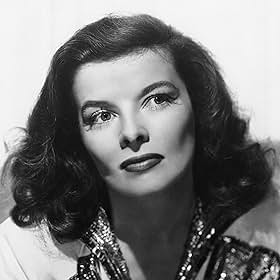


Philip Ahn
- Leader of City People
- (sin créditos)
Albert Baldo
- Japanese Soldier
- (sin créditos)
- Dirección
- Escritura
- Todo el elenco y el equipo
- Producción, taquilla y más en IMDbPro
Opiniones destacadas
It may be disconcerting to see blue-eyed Caucasian actors playing Orientals, but once this initial distraction is over, the story of DRAGON SEED takes over and it's an engrossing one. Film's chief flaw is the fact that Pearl Buck's story is overlong--and so is the film.
Chinese villagers have to flee the enemy, Japanese soldiers, during the 1930s, and WALTER HUSTON and ALINE MacMAHON are the sturdy head of a family that includes daughter KATHARINE HEPBURN, as Jade. None of the three principals are particularly convincing in their Oriental make-up, but it's still fascinating to watch them perform.
HURD HATFIELD, TURHAN BEY, AKIM TAMIROFF, JACQUELINE DeWIT and HENRY TRAVERS are further examples of offbeat casting, but the grim story of survival of the fittest under cruel exploitation by the enemy is well crafted and always interesting to follow.
The film is photographed in meticulous B&W, crisply produced in the handsome MGM manner--with main attention going to Huston and MacMahon who do nicely in the leading roles. Hepburn, thankfully, is less mannered and less on display than usual. One of the most interesting scenes involves her decision to poison her brother-in-law during a banquet at his "mansion".
Summing up: Admirers of other Pearl Buck works (like THE GOOD EARTH) should find this unusual drama well worth watching. MGM should be commended for producing a very tasteful version of the novel. Story ends on a fever pitch with a graphic simulation of "the scorched earth policy" as practiced by the Chinese villagers.
Chinese villagers have to flee the enemy, Japanese soldiers, during the 1930s, and WALTER HUSTON and ALINE MacMAHON are the sturdy head of a family that includes daughter KATHARINE HEPBURN, as Jade. None of the three principals are particularly convincing in their Oriental make-up, but it's still fascinating to watch them perform.
HURD HATFIELD, TURHAN BEY, AKIM TAMIROFF, JACQUELINE DeWIT and HENRY TRAVERS are further examples of offbeat casting, but the grim story of survival of the fittest under cruel exploitation by the enemy is well crafted and always interesting to follow.
The film is photographed in meticulous B&W, crisply produced in the handsome MGM manner--with main attention going to Huston and MacMahon who do nicely in the leading roles. Hepburn, thankfully, is less mannered and less on display than usual. One of the most interesting scenes involves her decision to poison her brother-in-law during a banquet at his "mansion".
Summing up: Admirers of other Pearl Buck works (like THE GOOD EARTH) should find this unusual drama well worth watching. MGM should be commended for producing a very tasteful version of the novel. Story ends on a fever pitch with a graphic simulation of "the scorched earth policy" as practiced by the Chinese villagers.
Enjoyed the great acting by the entire cast and especially Katharine Hepburn, who plays the role as Jade Tan who lives with her family on a farm and everything is very peaceful and happy for years. However, when the Japanese evade China these peaceful times turn into a complete disaster for the farming community. Walter Houston, (Ling Tan) plays the role as father and his wife Ling Tan, (Aline MacMahan) both give great supporting roles. Akim Tamiroff, (Lu Lien) becomes friends with the Japanese and is really a traitor to his Chinese family. The Japanese treated the people very poorly and their was rape and constant killing of innocent people. This story reminded me of a book entitled, "The Rape of Nanking by Iris Chang" which talks about the horrors that Japanese soldiers performed against innocent Chinese people which is told in this picture.
While trying hard not to be too condescending to Americans of today who somehow think the world was always as they now see it around them -- this movie was made in 1943, in the darkest midst of the horrific World War II, when America was engaged in a global struggle of epic proportions against the mighty Japanese Empire (and other very powerful allied nations all over the world), and when Manchuria, China and most of Asia were occupied by the very brutal Japanese invaders. The film was released to the public more than a year before that terrible war began to reach a conclusion.
In 1944 America's victory in the Second World War was by no means assured, yet the US was trying to do whatever it could to assist the Chinese against the Japanese while the main US military forces fought the Japanese directly island by island westward across the Pacific. Of particular note is the fact that Japan had invaded Manchuria in 1931 and China in 1937, and that both suffered under merciless Japanese occupation for years before America formally entered the war following the Japanese attack on Pearl Harbor in 1941. The Japanese forces committed brutal atrocities against Chinese civilians and prisoners of war in the Rape of Nanking, slaughtering as many as 300,000 civilians within a month. Before it was over more than 10 million Chinese were mobilized by the Japanese army and enslaved for slave labor and at least 2,700,000 Chinese died. Japanese occupation atrocities against the Chinese included mass killings by airborne gasses on hundreds of separate occasions.
The film, which was being made while all this was going on, but before most of the details were fully known, therefore reflects the American (and western) thinking at the time, as depicted through the keen expert eyes of the great China observer, American Pulitzer Prize-winning novelist Pearl S. Buck. It also reflects what was available to Hollywood film-makers at that desperate moment. Given the time and the circumstances, the movie does quite an adequate job - all of which undoubtedly explains the involvement in it of the great American actress Katharine Hepburn. The film helped Americans at that time to understand China's desperate situation, why the Chinese were worth assisting, and why the US military, and most Americans at home, were trying hard to do just that at truly great cost. Hepburn's name on theater marquees also ensured that many more people would see the film than otherwise.
Americans in 1944 didn't care one bit that the Chinese characters were being played by Americans; audiences could easily imagine, empathize and understand. Very many of them had already read Buck's novel with the same title, published in 1942, and knew that the famous author, who had written many novels about China, had been a very vocal proponent of American understanding and support of China in her struggle with the Japanese. Pearl S. Buck had been awarded the Nobel Prize for Literature in 1938, mainly on the basis of her great China trilogy "The House Of Earth", including its first part, "The Good Earth".
The Japanese surrendered unconditionally to the US on August 14, 1945, and Japanese troops in China formally surrendered to the Chinese a month later, but by then most of Manchuria and China had been destroyed. The people portrayed in the film had seen what the Japanese had done in Manchuria over the previous six years, and then experienced Japanese brutality directly for another eight years. The 14 years of China's monumental struggles in World War II were a pivotal point in China's history. Before the Japanese invasion, China had suffered nearly a century of humiliation at the hands of various imperialist powers and was relegated to a semi-colonial status. However, the war greatly enhanced China's resolve, strength and international status. After the war, the Republic of China became a founding member of the United Nations and a permanent member in the Security Council. China also reclaimed Manchuria.
The movie therefore helps Americans today to understand a most critical moment in China's, and their own, common history, and why it all was, and remains, important.
Old American Soldier
In 1944 America's victory in the Second World War was by no means assured, yet the US was trying to do whatever it could to assist the Chinese against the Japanese while the main US military forces fought the Japanese directly island by island westward across the Pacific. Of particular note is the fact that Japan had invaded Manchuria in 1931 and China in 1937, and that both suffered under merciless Japanese occupation for years before America formally entered the war following the Japanese attack on Pearl Harbor in 1941. The Japanese forces committed brutal atrocities against Chinese civilians and prisoners of war in the Rape of Nanking, slaughtering as many as 300,000 civilians within a month. Before it was over more than 10 million Chinese were mobilized by the Japanese army and enslaved for slave labor and at least 2,700,000 Chinese died. Japanese occupation atrocities against the Chinese included mass killings by airborne gasses on hundreds of separate occasions.
The film, which was being made while all this was going on, but before most of the details were fully known, therefore reflects the American (and western) thinking at the time, as depicted through the keen expert eyes of the great China observer, American Pulitzer Prize-winning novelist Pearl S. Buck. It also reflects what was available to Hollywood film-makers at that desperate moment. Given the time and the circumstances, the movie does quite an adequate job - all of which undoubtedly explains the involvement in it of the great American actress Katharine Hepburn. The film helped Americans at that time to understand China's desperate situation, why the Chinese were worth assisting, and why the US military, and most Americans at home, were trying hard to do just that at truly great cost. Hepburn's name on theater marquees also ensured that many more people would see the film than otherwise.
Americans in 1944 didn't care one bit that the Chinese characters were being played by Americans; audiences could easily imagine, empathize and understand. Very many of them had already read Buck's novel with the same title, published in 1942, and knew that the famous author, who had written many novels about China, had been a very vocal proponent of American understanding and support of China in her struggle with the Japanese. Pearl S. Buck had been awarded the Nobel Prize for Literature in 1938, mainly on the basis of her great China trilogy "The House Of Earth", including its first part, "The Good Earth".
The Japanese surrendered unconditionally to the US on August 14, 1945, and Japanese troops in China formally surrendered to the Chinese a month later, but by then most of Manchuria and China had been destroyed. The people portrayed in the film had seen what the Japanese had done in Manchuria over the previous six years, and then experienced Japanese brutality directly for another eight years. The 14 years of China's monumental struggles in World War II were a pivotal point in China's history. Before the Japanese invasion, China had suffered nearly a century of humiliation at the hands of various imperialist powers and was relegated to a semi-colonial status. However, the war greatly enhanced China's resolve, strength and international status. After the war, the Republic of China became a founding member of the United Nations and a permanent member in the Security Council. China also reclaimed Manchuria.
The movie therefore helps Americans today to understand a most critical moment in China's, and their own, common history, and why it all was, and remains, important.
Old American Soldier
Pearl Buck's novel "Dragon Seed" was made into a film in 1944. Back then, for reasons known only to themselves, the studios did not cast Chinese to play Chinese in major roles. Looking at the film now, I guess it's important to remember that to the 1944 audiences, there was nothing unusual about this.
Taking the non-Chinese casting out of the equation for just a moment, "The Dragon Seed" is a powerful story of what happened to the Chinese during the barbaric occupation of the Japanese.
The story focuses on the family of Ling Tan (Walter Huston), his wife (Aline McMahon), and his sons, Lao Er Tan (Turhan Bey) and wife Jade (Katharine Hepburn), Lao San Tan (Hurd Hatfield) and Lao Ta Tan (Robert Bice).
Jade is a modern thinker, and part of the story deals with the struggles between the new times and old traditions and the role of women. The other part of the story is how various people deal with the occupation. There is submissiveness, resistance, and collaboration.
I'm most moved by a review on this site by a man who has a Chinese father-in-law. His father-in-law loved the film. No one in China knew that America was on their side; they were taught to hate the western world.
So if a Chinese man can overlook the casting, I suppose I can too, but I can't. The acting is fantastic, but one wonders what was wrong with Anna May Wong, Keye Luke, Sen Yung, and why only the extras and children seemed to be at the very least Asian.
For me the most egregious casting was that of Katharine Hepburn. Her acting came alive in the second part of the film. She once said that Spencer Tracy made her seem very feminine. He's not in this movie.
In the beginning, in the love scenes with her husband, it doesn't come off. She's better when the character shows strength. Her finishing school accent and wig don't cut it either. Very difficult to watch. Also, she seems oddly matched with Turhan Bey.
This film is still well worth seeing. It's very dramatic and emotional, with a very big and poignant ending.
Taking the non-Chinese casting out of the equation for just a moment, "The Dragon Seed" is a powerful story of what happened to the Chinese during the barbaric occupation of the Japanese.
The story focuses on the family of Ling Tan (Walter Huston), his wife (Aline McMahon), and his sons, Lao Er Tan (Turhan Bey) and wife Jade (Katharine Hepburn), Lao San Tan (Hurd Hatfield) and Lao Ta Tan (Robert Bice).
Jade is a modern thinker, and part of the story deals with the struggles between the new times and old traditions and the role of women. The other part of the story is how various people deal with the occupation. There is submissiveness, resistance, and collaboration.
I'm most moved by a review on this site by a man who has a Chinese father-in-law. His father-in-law loved the film. No one in China knew that America was on their side; they were taught to hate the western world.
So if a Chinese man can overlook the casting, I suppose I can too, but I can't. The acting is fantastic, but one wonders what was wrong with Anna May Wong, Keye Luke, Sen Yung, and why only the extras and children seemed to be at the very least Asian.
For me the most egregious casting was that of Katharine Hepburn. Her acting came alive in the second part of the film. She once said that Spencer Tracy made her seem very feminine. He's not in this movie.
In the beginning, in the love scenes with her husband, it doesn't come off. She's better when the character shows strength. Her finishing school accent and wig don't cut it either. Very difficult to watch. Also, she seems oddly matched with Turhan Bey.
This film is still well worth seeing. It's very dramatic and emotional, with a very big and poignant ending.
While surfing through the movie listings trying to pass some time I came across Dragon Seed. I saw the date (1944) and the summary and thought that this would be another war-time morale type movie. That type of film has always been good to watch so I tuned in. I was very surprised. The film had a wonderful story with very good acting even though a bit stoic. I discounted the Chinese makeup and the non-Asian actors so they were not a factor in my enjoyment. The movie went far beyond the standard war era gung-ho film. The feelings of the times and the people came through wonderfully. I would like to see it again to catch subtle things that I know I missed the first time. It was a wonderful way to spend my time.




¿Sabías que…?
- TriviaFilmed in 1943 on the MGM lot in Culver City, CA, the film features an unusual assortment of non-Asian actors with odd accents playing Chinese and Japanese: Russian-born and Stanislavski-trained Akim Tamiroff as Wu Lien; Turhan Bey, Viennese born son of a Turkish father and Czechoslovakian mother as the middle son, Lao Er Tan; New England patrician Katharine Hepburn as his wife; American Aline MacMahon--no longer one of the wisecracking Las insaciables (1933)--as the wife of Ling Tang; English-born Henry Travers (best remembered as Clarence the Angel from ¡Qué bello es vivir! (1946)) as the Third Cousin"; Irish-American J. Carrol Naish as the Japanese Kitchen Overseer; and finally Jewish Robert Lewis, co-founder of the Actors Studio and Meryl Streep's teacher at the Yale Drama School, as Japanese Capt. Sato.
- ConexionesEdited from Madre tierra (1937)
Selecciones populares
Inicia sesión para calificar y agrega a la lista de videos para obtener recomendaciones personalizadas
- How long is Dragon Seed?Con tecnología de Alexa
Detalles
Taquilla
- Presupuesto
- USD 3,000,000 (estimado)
- Tiempo de ejecución
- 2h 28min(148 min)
- Relación de aspecto
- 1.37 : 1
Contribuir a esta página
Sugiere una edición o agrega el contenido que falta