PUNTUACIÓN EN IMDb
7,4/10
26 mil
TU PUNTUACIÓN


El idealista William Wilberforce se abre paso en el Parlamento y se esfuerza por acabar con la trata transatlántica de esclavos británicos.El idealista William Wilberforce se abre paso en el Parlamento y se esfuerza por acabar con la trata transatlántica de esclavos británicos.El idealista William Wilberforce se abre paso en el Parlamento y se esfuerza por acabar con la trata transatlántica de esclavos británicos.
- Director/a
- Guionista
- Estrellas
- Premios
- 3 premios y 6 nominaciones en total


Ciarán Hinds
- Lord Tarleton
- (as Ciaran Hinds)


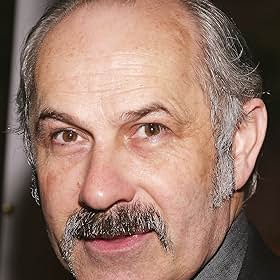

- Director/a
- Guionista
- Todo el reparto y equipo
- Producción, taquilla y más en IMDbPro
Reseñas destacadas
I was well impressed with Amazing Grace; the period was superbly captured, and the interplay of the main action (the fight of William Wilberforce to abolish British slavery) with the other great events of his time (the American and French revolutions) was well presented. The film stirs the emotions but informs the mind. Ioan Gruffudd as Wilberforce is believable and depicts the tenacious Yorkshire MP with both his bodily weakness and great spirit well. Albert Finney as John Newton renders a moving portrayal of the ex-slave trader turned evangelical minister who influences Wilberforce's decision to remain in politics rather than entering the ministry of the church. Benedict Cumberbatch gives a strong representation of William Pitt, and the overall impression of the film is one whose history has been well researched. Well worth a viewing.
10tollini
I saw this film on October 10th, 2006 in Indianapolis. I am one of the judges for the Heartland Film Festival's Truly Moving Picture Award. A Truly Moving Picture "
explores the human journey by artistically expressing hope and respect for the positive values of life." Heartland gave that award to this film.
This is an inspiring story based on a legendary historical British Member of Parliament, William Wilberforce. During the late 18th century and early 19th century, a very young Wilberforce is elected to Parliament and over the course of several decades leads the fight to ban slavery.
Today this seems like an easy, obvious and intuitive decision. But this was not so 200 years ago. The film clearly explains the entrenched economic motives and the political motives for slavery. Wilberforce starts out as almost a force of one and slowly builds abolitionist momentum by brilliant oratory, political maneuvers, and appealing to his fellow man's better nature.
Ioan Gruffudd is totally believable in explaining to the audience the complexity and heroism of Wilberforce. Wilberforce over the course of his life is sickly and strong, religious and worldly, naive and romantic, and idealistic and practical.
During the course of this mostly political story, we get to see the immense cruelty shown to the captured Africans turned into slaves. We are shown the slave sailing ships where the captured are treated inhumanely and die of starvation, neglect, disease, and filth. Man's inhumanity to man was never worse.
Wilberforce is a great man of history even though mostly forgotten today. He respected his fellow man regardless of their station in life. He was always willing to sacrifice his life and health to help others. And his compassion and spirit was always masked by his humility. He is a hero for all ages.
This is a period piece and you are lost in it because of the attention to detail. The sets, art direction, and costumes allow you to totally suspend disbelief and be moved by the story.
FYI There is a Truly Moving Pictures web site where there is a listing of past Truly Moving Picture Award winners that are now either at the theater or available on video.
This is an inspiring story based on a legendary historical British Member of Parliament, William Wilberforce. During the late 18th century and early 19th century, a very young Wilberforce is elected to Parliament and over the course of several decades leads the fight to ban slavery.
Today this seems like an easy, obvious and intuitive decision. But this was not so 200 years ago. The film clearly explains the entrenched economic motives and the political motives for slavery. Wilberforce starts out as almost a force of one and slowly builds abolitionist momentum by brilliant oratory, political maneuvers, and appealing to his fellow man's better nature.
Ioan Gruffudd is totally believable in explaining to the audience the complexity and heroism of Wilberforce. Wilberforce over the course of his life is sickly and strong, religious and worldly, naive and romantic, and idealistic and practical.
During the course of this mostly political story, we get to see the immense cruelty shown to the captured Africans turned into slaves. We are shown the slave sailing ships where the captured are treated inhumanely and die of starvation, neglect, disease, and filth. Man's inhumanity to man was never worse.
Wilberforce is a great man of history even though mostly forgotten today. He respected his fellow man regardless of their station in life. He was always willing to sacrifice his life and health to help others. And his compassion and spirit was always masked by his humility. He is a hero for all ages.
This is a period piece and you are lost in it because of the attention to detail. The sets, art direction, and costumes allow you to totally suspend disbelief and be moved by the story.
FYI There is a Truly Moving Pictures web site where there is a listing of past Truly Moving Picture Award winners that are now either at the theater or available on video.
The idealist William Wilberforce (finely played by Ioan Grufudd) along with Rhomas Clarkson (Rufus Sewell) and a group of anti-slave trade maneuver his way through Parliament, endeavoring to end the British transatlantic trade that would lead to a great victory . Wilberforce helped by his lifelong friend and future P. M . William Pitt (Benedict Cumberbatch) will fight to get their purports for social justice . Wilberforce encounters the inspiration in newfound love interest (Romola Garai) to rejuvenate the battle with new ideas . After many attempts to bring legislation forward over twenty years, he is eventually gets a bill being passed through Parliament in 1807, in which abolishes the slavery the British empire forever.
This is a bicentennial tribute to William Wilberforce and his parliamentary bill abolishing the slave trade . Thought-provoking and moving film dealing with interesting issues , including fidelity to historical accuracy and detailed moral battles . Ioan Gruffudd is good as obstinate , romantic parliamentary member who battles relentlessly injustices ; he does a dignified portrayal about a great man . The prestigious cast shows their awareness of the contemporary impact about the brooding themes and are allowed to step out of period detail . Special mention to Benedict Cumberbatch as his lifelong friend Prime Minister William Pitt and N' Dour realizing an enjoyable portrait of an ex-slave . All of them are quietly upstaged by Albert Finney as a repent , remorse ex-slaver . The motion picture was marvelously directed by Michael Apted , he's director, producer of several successes such as ¨The word is not enough¨, ¨Gorillas in the mist¨ , ¨Class action¨, ¨Nell¨, ¨Enigma¨ , ¨Chronicles of Narnia II : The voyage of Dawn Treader¨ among others . Rating : Above average and worthwhile seeing , the whole family will enjoy this film .It's a very likable biography and enormously appealing for students and scholars . Overall this is a really nice movie . If you are familiar with the history then you will like this splendid film .
This is a biopic well based on historical events , adding more details over the largely described in the movie are the following : William Wilberforce (24 August 1759 – 29 July 1833) was a British politician, philanthropist, and a leader of the movement to abolish the slave trade. A native of Kingston upon Hull, Yorkshire, he began his political career in 1780, eventually becoming the independent Member of Parliament for Yorkshire (1784–1812). In 1785, he underwent a conversion experience and became an evangelical Christian, resulting in major changes to his lifestyle and a lifelong concern for reform. In 1787, he came into contact with Thomas Clarkson and a group of anti-slave-trade activists, including Granville Sharp, Hannah More and Charles Middleton. They persuaded Wilberforce to take on the cause of abolition, and he soon became one of the leading English abolitionists. He headed the parliamentary campaign against the British slave trade for twenty-six years until the passage of the Slave Trade Act of 1807. Wilberforce was convinced of the importance of religion, morality and education. He championed causes and campaigns such as the Society for Suppression of Vice, British missionary work in India, the creation of a free colony in Sierra Leone, the foundation of the Church Mission Society, and the Society for the Prevention of Cruelty to Animals. His underlying conservatism led him to support politically and socially repressive legislation, and resulted in criticism that he was ignoring injustices at home while campaigning for the enslaved abroad.In later years, Wilberforce supported the campaign for the complete abolition of slavery, and continued his involvement after 1826, when he resigned from Parliament because of his failing health. That campaign led to the Slavery Abolition Act 1833, which abolished slavery in most of the British Empire; Wilberforce died just three days after hearing that the passage of the Act through Parliament was assured. He was buried in Westminster Abbey, close to his friend William Pitt.
This is a bicentennial tribute to William Wilberforce and his parliamentary bill abolishing the slave trade . Thought-provoking and moving film dealing with interesting issues , including fidelity to historical accuracy and detailed moral battles . Ioan Gruffudd is good as obstinate , romantic parliamentary member who battles relentlessly injustices ; he does a dignified portrayal about a great man . The prestigious cast shows their awareness of the contemporary impact about the brooding themes and are allowed to step out of period detail . Special mention to Benedict Cumberbatch as his lifelong friend Prime Minister William Pitt and N' Dour realizing an enjoyable portrait of an ex-slave . All of them are quietly upstaged by Albert Finney as a repent , remorse ex-slaver . The motion picture was marvelously directed by Michael Apted , he's director, producer of several successes such as ¨The word is not enough¨, ¨Gorillas in the mist¨ , ¨Class action¨, ¨Nell¨, ¨Enigma¨ , ¨Chronicles of Narnia II : The voyage of Dawn Treader¨ among others . Rating : Above average and worthwhile seeing , the whole family will enjoy this film .It's a very likable biography and enormously appealing for students and scholars . Overall this is a really nice movie . If you are familiar with the history then you will like this splendid film .
This is a biopic well based on historical events , adding more details over the largely described in the movie are the following : William Wilberforce (24 August 1759 – 29 July 1833) was a British politician, philanthropist, and a leader of the movement to abolish the slave trade. A native of Kingston upon Hull, Yorkshire, he began his political career in 1780, eventually becoming the independent Member of Parliament for Yorkshire (1784–1812). In 1785, he underwent a conversion experience and became an evangelical Christian, resulting in major changes to his lifestyle and a lifelong concern for reform. In 1787, he came into contact with Thomas Clarkson and a group of anti-slave-trade activists, including Granville Sharp, Hannah More and Charles Middleton. They persuaded Wilberforce to take on the cause of abolition, and he soon became one of the leading English abolitionists. He headed the parliamentary campaign against the British slave trade for twenty-six years until the passage of the Slave Trade Act of 1807. Wilberforce was convinced of the importance of religion, morality and education. He championed causes and campaigns such as the Society for Suppression of Vice, British missionary work in India, the creation of a free colony in Sierra Leone, the foundation of the Church Mission Society, and the Society for the Prevention of Cruelty to Animals. His underlying conservatism led him to support politically and socially repressive legislation, and resulted in criticism that he was ignoring injustices at home while campaigning for the enslaved abroad.In later years, Wilberforce supported the campaign for the complete abolition of slavery, and continued his involvement after 1826, when he resigned from Parliament because of his failing health. That campaign led to the Slavery Abolition Act 1833, which abolished slavery in most of the British Empire; Wilberforce died just three days after hearing that the passage of the Act through Parliament was assured. He was buried in Westminster Abbey, close to his friend William Pitt.
This is a truly inspiring film that has much more than what appears on the surface. William Wilberforce was a man that understood persistance for change. He was a real World Changer that never knew the quit.
The film was beautifully done and the script was fantastic!! I love many of the phrase pulled from actual accounts of Wilberforce and Pitt's life.
Albert Finney does an amazing job as John Newton. He truly stole the show on this film.
Hollywood needs to pay attention and make more positive and moving films like this one!!!! Great Job.
The film was beautifully done and the script was fantastic!! I love many of the phrase pulled from actual accounts of Wilberforce and Pitt's life.
Albert Finney does an amazing job as John Newton. He truly stole the show on this film.
Hollywood needs to pay attention and make more positive and moving films like this one!!!! Great Job.
To see this well mounted but simplistic and worshipful bio-pic, one would think that William Wilberforce (and to a lesser extent, young Mr. Pitt) were the only members of Parliament to speak out against the war with America, then against the slave trade. Not so, folks - next time you're in Westminster Abbey, you might check out the large abolitionist monument dedicated someone whose fight against the slave trade predated that of Wilberforce and was widely recognized during his liftetime: Charles James Fox.
Yes, that same Fox so inaccurately identified in the film as a tame follower of Wilberforce, agonizing over the slavery question and finally swayed by the young man's eloquence. Truth is, Fox - whose pro-American, pro-French Revolution, anti-slavery and anti-absolute monarchy sentiments put him at odds with George III during nearly his entire political career - was a "phenomenon of the age" in the words of a contemporary, and one of Parliament's most eloquent speakers on a range of causes that certainly rivalled those of Wilberforce.
He was also only 10 years older than Pitt, something you'd never guess from the fright-wig makeup Michael Gambon wears.
You can understand why such scripting decisions are made: Wilberforce has to be young and sexy to be attractive, and his more priggish attitudes (he often urged Parliament to pass laws prohibiting all amusements on Sundays, and was appalled at what he deemed Fox's immorality: his drinking, gambling and womanizing) have to be eliminated. It's a shame, because Wilberforce was all the more interesting for being a complex human - but it's so much easier to make him terribly young, eager and dashing, and all other politicians of the day old and timid.
Other strange egregious errors: Fox was not a lord, nor would you find any lords among Wilberforce's fellows in the House; lords do not sit in the House of Commons. The character identified as the king's son, the Duke of Cumberland, would have been about 12 years old at the time of the movie's action. Pitt was prime minister for some 20 years, yet his cautious political trimming was at least partly responsible for the slave trade continuing as long as it did.
It was a pleasant enough film and rousing in parts, but I prefer my history more red-blooded and reflective of real human beings.
Yes, that same Fox so inaccurately identified in the film as a tame follower of Wilberforce, agonizing over the slavery question and finally swayed by the young man's eloquence. Truth is, Fox - whose pro-American, pro-French Revolution, anti-slavery and anti-absolute monarchy sentiments put him at odds with George III during nearly his entire political career - was a "phenomenon of the age" in the words of a contemporary, and one of Parliament's most eloquent speakers on a range of causes that certainly rivalled those of Wilberforce.
He was also only 10 years older than Pitt, something you'd never guess from the fright-wig makeup Michael Gambon wears.
You can understand why such scripting decisions are made: Wilberforce has to be young and sexy to be attractive, and his more priggish attitudes (he often urged Parliament to pass laws prohibiting all amusements on Sundays, and was appalled at what he deemed Fox's immorality: his drinking, gambling and womanizing) have to be eliminated. It's a shame, because Wilberforce was all the more interesting for being a complex human - but it's so much easier to make him terribly young, eager and dashing, and all other politicians of the day old and timid.
Other strange egregious errors: Fox was not a lord, nor would you find any lords among Wilberforce's fellows in the House; lords do not sit in the House of Commons. The character identified as the king's son, the Duke of Cumberland, would have been about 12 years old at the time of the movie's action. Pitt was prime minister for some 20 years, yet his cautious political trimming was at least partly responsible for the slave trade continuing as long as it did.
It was a pleasant enough film and rousing in parts, but I prefer my history more red-blooded and reflective of real human beings.




¿Sabías que...?
- CuriosidadesDuring the scene in which William Wilberforce (Ioan Gruffudd) sings "Amazing Grace" at the card house, the singing was performed live by Gruffudd. In the previous several takes, a playback had been used, but it is Gruffudd singing in the final film. Director Michael Apted had no idea whether or not Gruffudd could actually sing. Little did he know, Gruffudd is an accomplished soloist and choir singer. With a little practice, Gruffudd performed for the first time on-set while the cameras were rolling, all much to the surprise of the cast, crew, and director.
- PifiasThere were at least 3 grammar mistakes: several uses of "I" when "me" should have been used. Wilburforce also says "By who?" As a graduate of Cambridge, he would have said, "By whom?"
- Citas
John Newton: Although my memory's fading, I remember two things very clearly. I'm a great sinner and Christ is a great Savior.
- ConexionesFeatured in Tavis Smiley: Episodio fechado 23 enero 2007 (2007)
Selecciones populares
Inicia sesión para calificar y añadir a tu lista para recibir recomendaciones personalizadas
- How long is Amazing Grace?Con tecnología de Alexa
Detalles
- Fecha de lanzamiento
- Países de origen
- Sitio oficial
- Idioma
- Títulos en diferentes países
- Ân Điển Diệu Kỳ
- Localizaciones del rodaje
- Empresas productoras
- Ver más compañías en los créditos en IMDbPro
Taquilla
- Recaudación en Estados Unidos y Canadá
- 21.250.683 US$
- Fin de semana de estreno en EE. UU. y Canadá
- 4.305.000 US$
- 25 feb 2007
- Recaudación en todo el mundo
- 32.120.360 US$
- Duración
- 1h 58min(118 min)
- Color
- Mezcla de sonido
- Relación de aspecto
- 1.85 : 1
Contribuir a esta página
Sugerir un cambio o añadir el contenido que falta