CALIFICACIÓN DE IMDb
6.6/10
1.3 k
TU CALIFICACIÓN

![Ver Bande-annonce version restaurée [OV]](https://m.media-amazon.com/images/M/MV5BMjhhYTNiMWMtMWU1YS00MDQ1LWI5Y2YtZmUzYzVkYTA3YWJhXkEyXkFqcGdeQXRodW1ibmFpbC1pbml0aWFsaXplcg@@._V1_QL75_UX1000_CR0,0,1000,563_.jpg)
Agrega una trama en tu idiomaBeing imprisoned for murdering a politician, husband tells his wife why he did this.Being imprisoned for murdering a politician, husband tells his wife why he did this.Being imprisoned for murdering a politician, husband tells his wife why he did this.
- Dirección
- Escritura
- Estrellas
- Premios
- 1 premio ganado y 4 nominaciones en total




- Dirección
- Escritura
- Todo el elenco y el equipo
- Producción, taquilla y más en IMDbPro
Opiniones destacadas
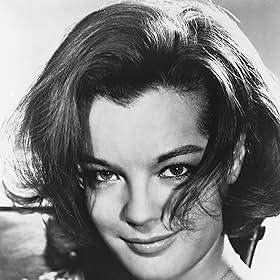
'La passante du Sans-Souci' (distributed in the English language markets as 'The Passerby') is the last film in which Romy Schneider appeared. It is a film that the actress really wanted to make, both for personal and professional reasons. It was filmed in two periods in 1981, a dramatic year for Romy. Filming, which began in the spring, was interrupted because she broke a leg and resumed towards the end of the year, but in the meantime she had to deal with the accidental death of her 14-year-old son and the news that she had cancer. She managed to complete the filming and was able to attend the French premiere in April 1982. A month later she would die, so 'La passante du Sans-Souci' remained her farewell film. Romy Schneider creates an overwhelming (double!) role and the presence of Michel Piccoli alongside her is formidable. The film, as a whole, however, disappoints.
We may wonder why Jacques Rouffio was chosen to direct this film? Today we consider him an average director with a thin filmography, but in 1967 he had made a film ('L'Horizon') that addressed a taboo subject of French history - a revolt of soldiers during the First World War, after which he was not entrusted with a another project for almost a decade. He had returned to the fore with two other films that did not avoid controversy, and perhaps because of this fame he was entrusted with directing the screen version of Joseph Kessel's novel, which is the basis of the script. At a time when France had not yet assumed many of the responsibilities of collaboration and deportations during the Second World War, and when neo-Nazi movements were raising their heads again, this film brings to the screen the story of a crime and a trial which bring to the surface events that a large part of the French ignored or wanted to forget.
The problem is that the script is excessively rhetorical and melodramatic, and the historical parallel between the 40s and the 80s is far too demonstrative to be effective. The film begins with a slightly implausible murder. Max Baumstein, the president of a large international democratic organization, a kind of Amnesty International, assassinates the ambassador of Paraguay. He turns out to be a former Nazi officer who during the war had destroyed the lives of the man's adoptive parents. Most of the story is a reenactment of the events of the 1930s through Baumstein's confessions to his wife and trial testimonies. The ending is meant to be a warning about the danger of neo-Nazism that refuses to leave the stage of history.
The performance of Romy Schneider - who plays the roles of Baumstein's wife and the boy's adoptive mother - is intense and emotional. We know today that the actress was already dealing with a serious illness, but none of the physical beauty and inner light that we had admired for more than two decades of her career seemed to have diminished in intensity. Michel Piccoli also has a generous part and plays it with charismatic dignity. However, I found the rest of the cast much less inspired and some of the story details are implausible. 'La passante du Sans-Souci' is worth seeing for the meeting between Romy Schneider and Michel Piccoli and for the great farewell that the formidable actress dedicates us through this last creation of hers on the screen.
We may wonder why Jacques Rouffio was chosen to direct this film? Today we consider him an average director with a thin filmography, but in 1967 he had made a film ('L'Horizon') that addressed a taboo subject of French history - a revolt of soldiers during the First World War, after which he was not entrusted with a another project for almost a decade. He had returned to the fore with two other films that did not avoid controversy, and perhaps because of this fame he was entrusted with directing the screen version of Joseph Kessel's novel, which is the basis of the script. At a time when France had not yet assumed many of the responsibilities of collaboration and deportations during the Second World War, and when neo-Nazi movements were raising their heads again, this film brings to the screen the story of a crime and a trial which bring to the surface events that a large part of the French ignored or wanted to forget.
The problem is that the script is excessively rhetorical and melodramatic, and the historical parallel between the 40s and the 80s is far too demonstrative to be effective. The film begins with a slightly implausible murder. Max Baumstein, the president of a large international democratic organization, a kind of Amnesty International, assassinates the ambassador of Paraguay. He turns out to be a former Nazi officer who during the war had destroyed the lives of the man's adoptive parents. Most of the story is a reenactment of the events of the 1930s through Baumstein's confessions to his wife and trial testimonies. The ending is meant to be a warning about the danger of neo-Nazism that refuses to leave the stage of history.
The performance of Romy Schneider - who plays the roles of Baumstein's wife and the boy's adoptive mother - is intense and emotional. We know today that the actress was already dealing with a serious illness, but none of the physical beauty and inner light that we had admired for more than two decades of her career seemed to have diminished in intensity. Michel Piccoli also has a generous part and plays it with charismatic dignity. However, I found the rest of the cast much less inspired and some of the story details are implausible. 'La passante du Sans-Souci' is worth seeing for the meeting between Romy Schneider and Michel Piccoli and for the great farewell that the formidable actress dedicates us through this last creation of hers on the screen.
I have enjoyed some wonderful French films. Among them are some of the most insightful cinema experiences I can recall. Thought provoking, adult in their treatment of relationships, written with interesting characters and subtle performances. Some have remained in my mind for days after seeing them - very satisfying entertainment. But not this one.
Elsa Wiener (Romy Schneider), a good up-standing wife. Her husband, Michel Wiener (Helmut Griem), has committed something atrocious and he's sent to jail. He confronts her, asking for her aid in this serious matter.
An okay film mixed with drama and some mystery notes, this film greatly shows Schneider's capability, in her language skills as well as in her strong acting interpretations.
Her willingness and desire to still keep participating in French cinema is impressive and greatly shows her resilience to keep trying, even when personal tragedies sadly were in her way, she still chose to stand up and continue fighting.
Romy Schneider dedicated this film to her late son, David, and to his father. Such a heartbreaking tale this film is, both literally and metaphorically. May she rest in peace and keep enchanting future generations with her resilience, her charming acting and her lovely and kind personality.
An okay film mixed with drama and some mystery notes, this film greatly shows Schneider's capability, in her language skills as well as in her strong acting interpretations.
Her willingness and desire to still keep participating in French cinema is impressive and greatly shows her resilience to keep trying, even when personal tragedies sadly were in her way, she still chose to stand up and continue fighting.
Romy Schneider dedicated this film to her late son, David, and to his father. Such a heartbreaking tale this film is, both literally and metaphorically. May she rest in peace and keep enchanting future generations with her resilience, her charming acting and her lovely and kind personality.
I saw it only for Romy Schneider and Michel Piccoli. And I was seduced by this story about decisions who are only answers to the past events. I was seduced by acting and construction of story and the way to explore the moral dimension of a gesture and a relation.
A beautiful film first for the questions proposed.
For the science to transform the viewer in part of story.
For details . For acting. For suggestions and for twist.
A film offering more than a good story but fair portrait of games of apparences, birth of decisions and trust.
Romy Schneider, superb as always explores in admirable manner the nuances of her character , offering more than touching lines of a powerful lady.
A beautiful film first for the questions proposed.
For the science to transform the viewer in part of story.
For details . For acting. For suggestions and for twist.
A film offering more than a good story but fair portrait of games of apparences, birth of decisions and trust.
Romy Schneider, superb as always explores in admirable manner the nuances of her character , offering more than touching lines of a powerful lady.
Don't let the opportunity pass by to watch another movie with Michel Piccoli and Romy Schneider.
Don't expect anything. Strange enough, Kessel wrote great stuff, but in the end this one plot here doesn't cut it. It has holes between the original and the screenplay. So the plot moves along in a clever way, though continuously stumbling over its own feet. Like not using whatever the plot offers, but dragging in detail.
I don't want to go into the spoiler section, therefore I offer a short sentence only on the ending: It doesn't fit. It isn't quite logic. And the very end looks like an effort in educating the audience. Why, actually, after a movie that has already been filled with ethic and moral goodness, and painted the bad guys in all possible shadows of black.
Were it not for the fantastic three main characters, it would be thumbs down.
Don't expect anything. Strange enough, Kessel wrote great stuff, but in the end this one plot here doesn't cut it. It has holes between the original and the screenplay. So the plot moves along in a clever way, though continuously stumbling over its own feet. Like not using whatever the plot offers, but dragging in detail.
I don't want to go into the spoiler section, therefore I offer a short sentence only on the ending: It doesn't fit. It isn't quite logic. And the very end looks like an effort in educating the audience. Why, actually, after a movie that has already been filled with ethic and moral goodness, and painted the bad guys in all possible shadows of black.
Were it not for the fantastic three main characters, it would be thumbs down.


¿Sabías que…?
- TriviaRomy Schneider dedicated this - her last - movie to David and his father.
- ConexionesFeatured in Romy, femme libre (2022)
Selecciones populares
Inicia sesión para calificar y agrega a la lista de videos para obtener recomendaciones personalizadas
- How long is The Passerby?Con tecnología de Alexa
Detalles
- Tiempo de ejecución
- 1h 50min(110 min)
- Mezcla de sonido
- Relación de aspecto
- 1.66 : 1
Contribuir a esta página
Sugiere una edición o agrega el contenido que falta