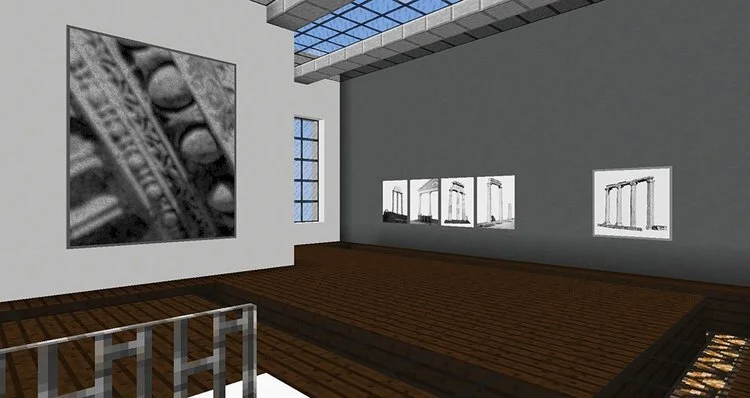
installation of Lossless at Localhost Gallery, in the game of Minecraft (scroll down for link)
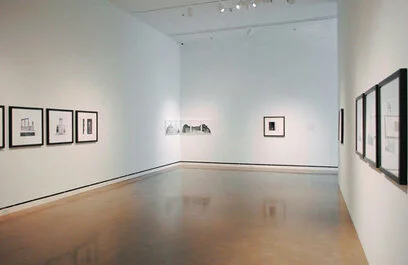
Lossless at the Rochester Art Center
Lossless is not an expression of nostalgia. Rather, it is an acknowledgement that time, and space, keep moving. Sometimes that movement can be clumsy, sometimes regrettable. In digital image processing, lossless is the term that describes the ideal quality of image compression where no information is lost, and original integrity is restorable. Its opposite is lossy, where the software automatically discards data it deems extraneous, allowing for only an approximate recreation of the original data in exchange for ease of use and transmission. Likewise in life, we toss away what we assume we no longer need while time and the elements claim the rest. Historically speaking, lossy is what we generally get.
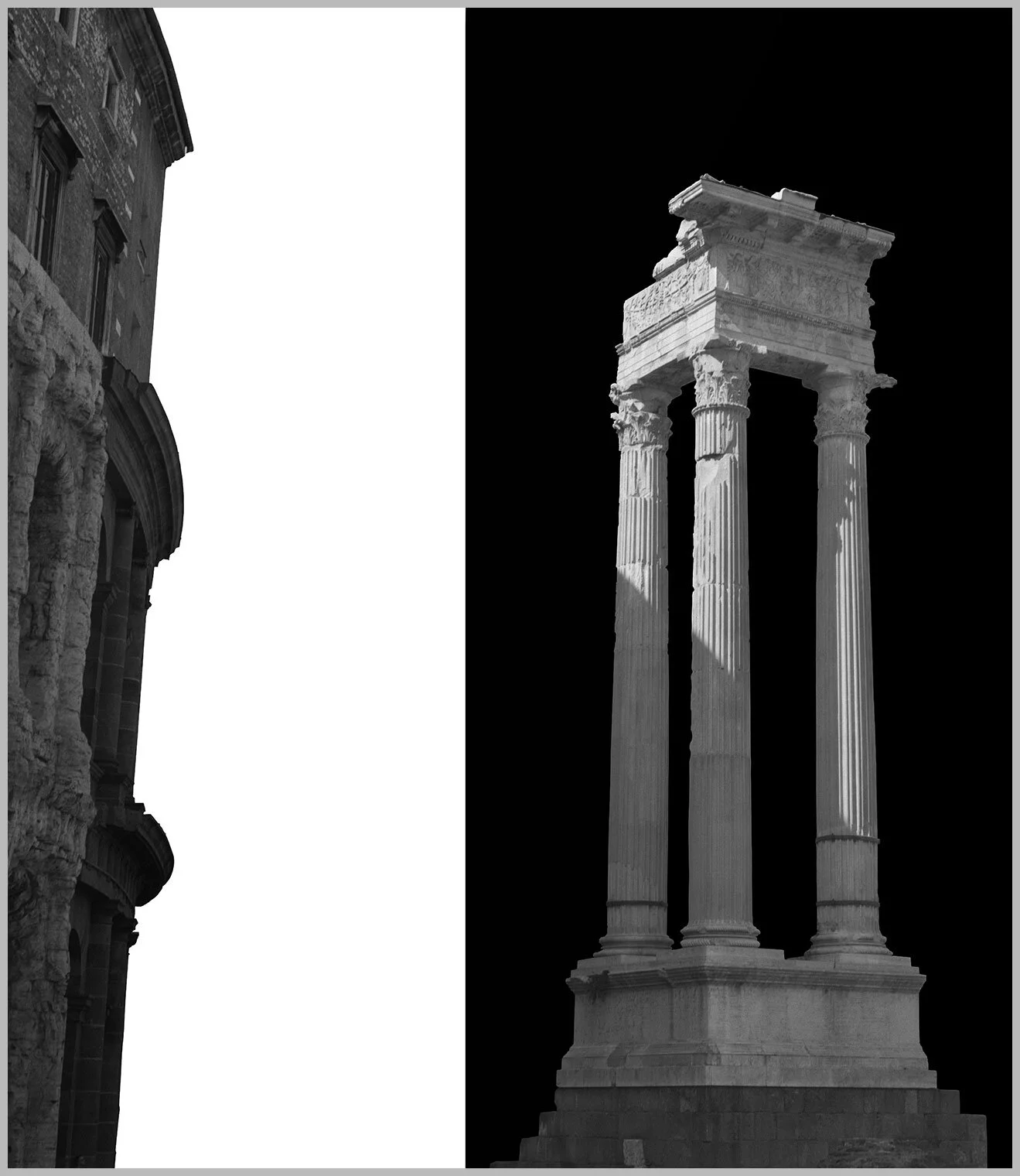
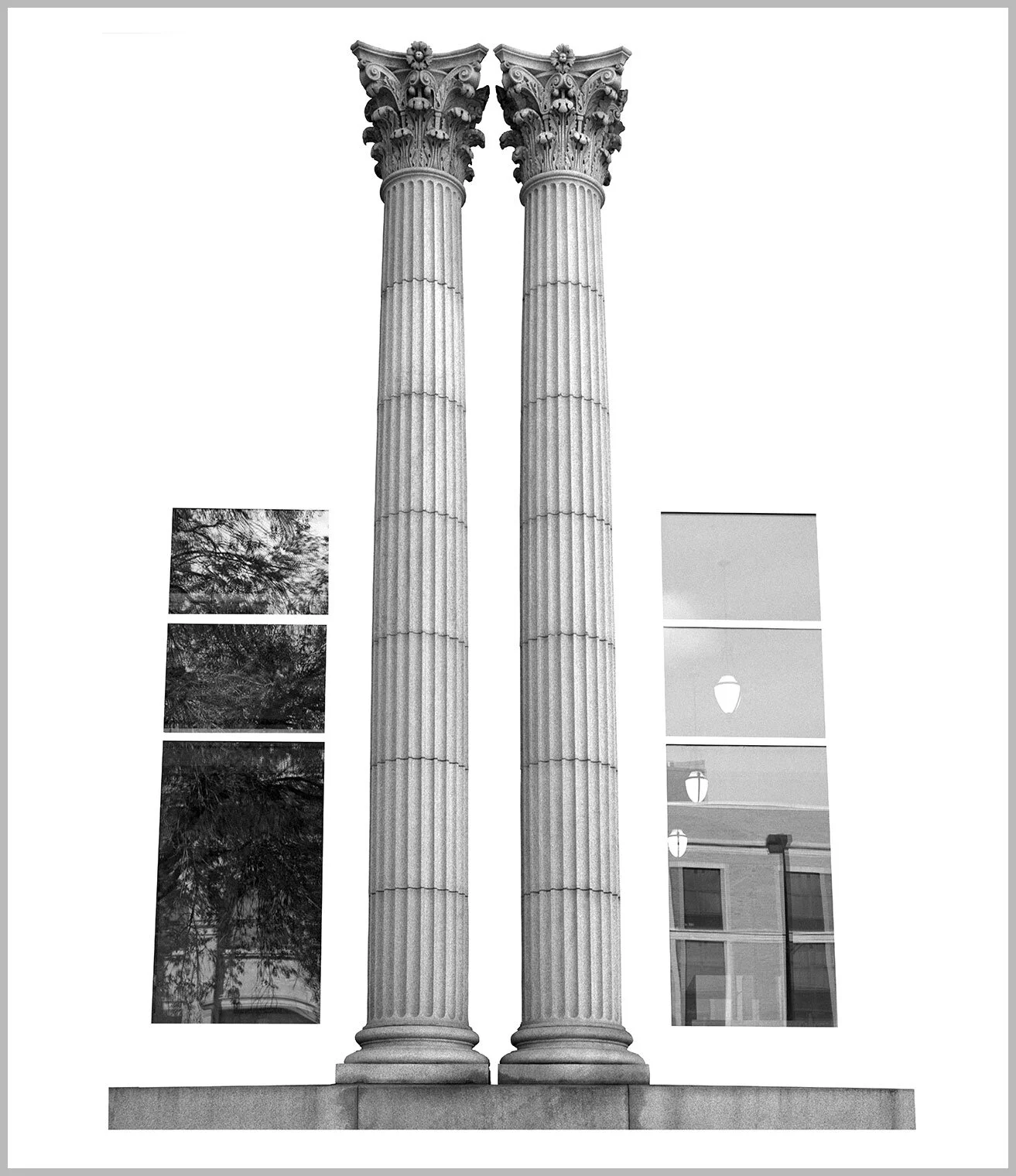
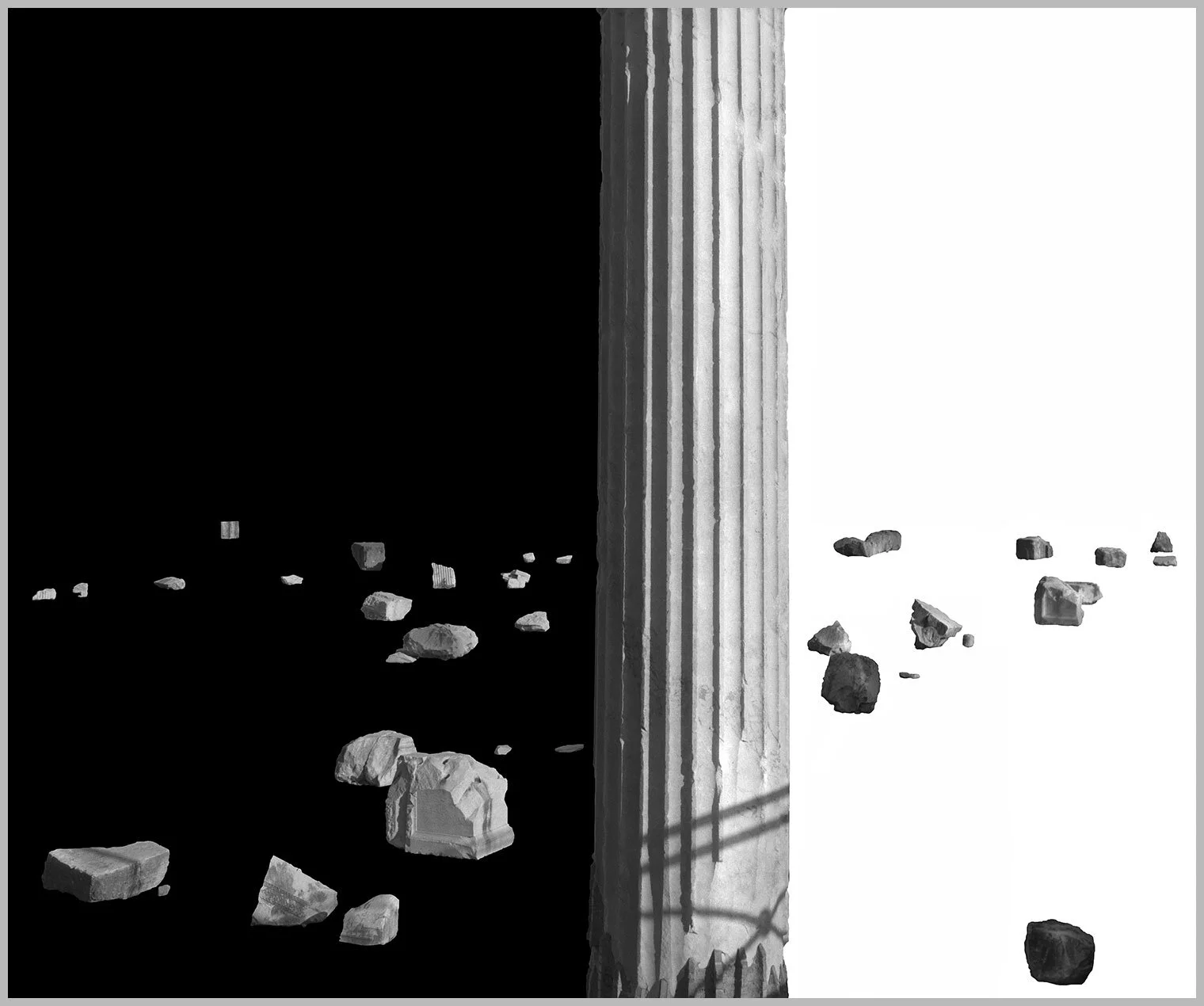
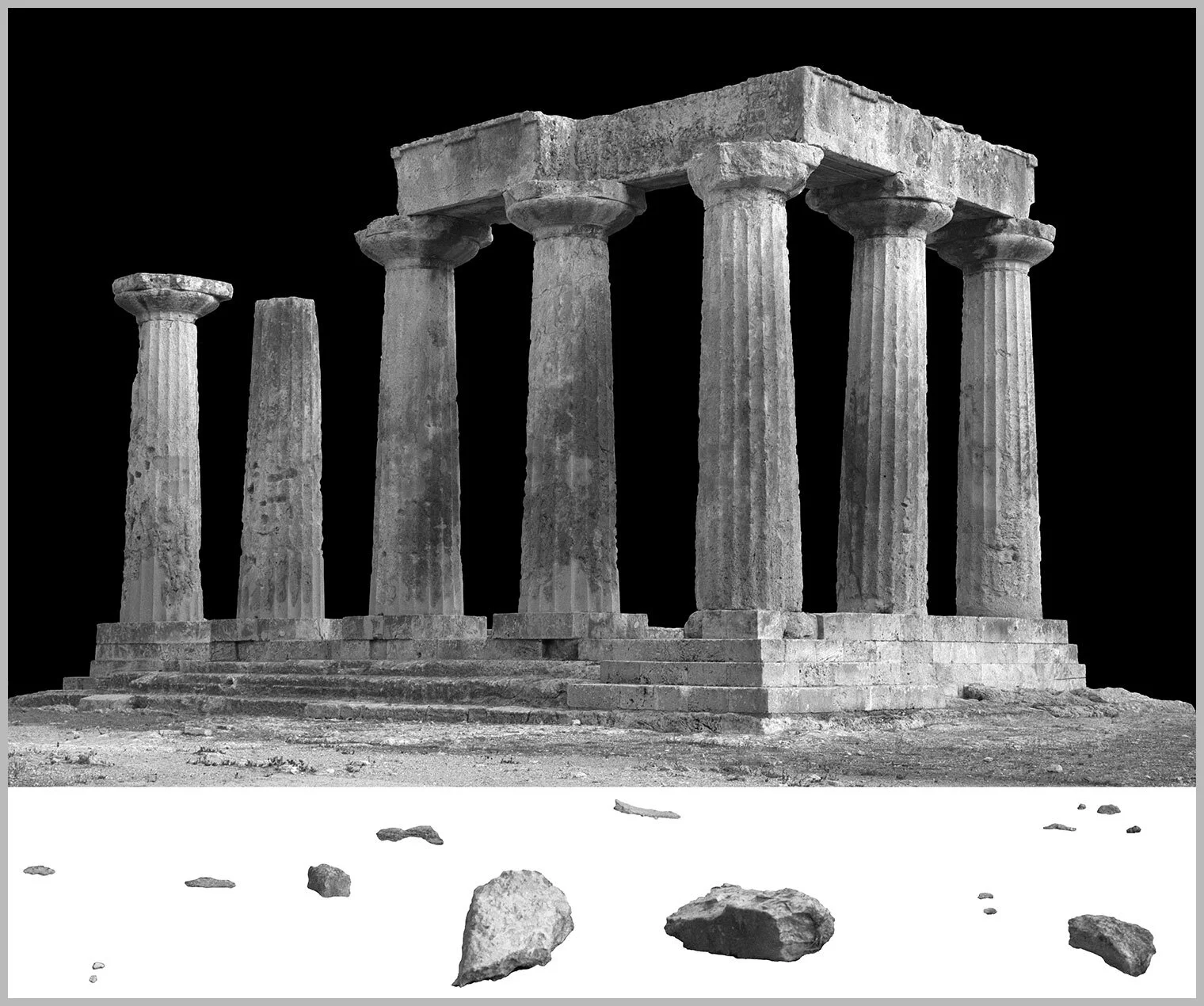
Using the history of photography as a mediator, I’ve merged the built environments of Greece, Rome, and Minneapolis, mashing digital tools with formal conventions to append and upend ordinary space. Can the old, new, near, and far exist together? We understand there are multiple dimensions of space, yet perceive time as a simple line. What happens if we model time as a plane, where ancient and modern structures can be shaken and spilled out on a new, reordered surface?
CLICK HERE to see some of these photographs in the exhibition An Uncertain Place at Localhost Gallery in the game of Minecraft, curated by Drew Nikonowicz
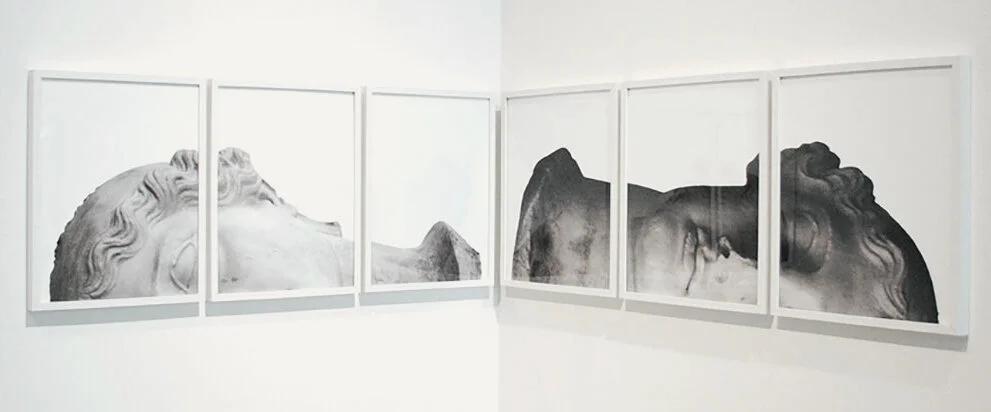
Cosmos (installation shot), each frame is 20”x16”
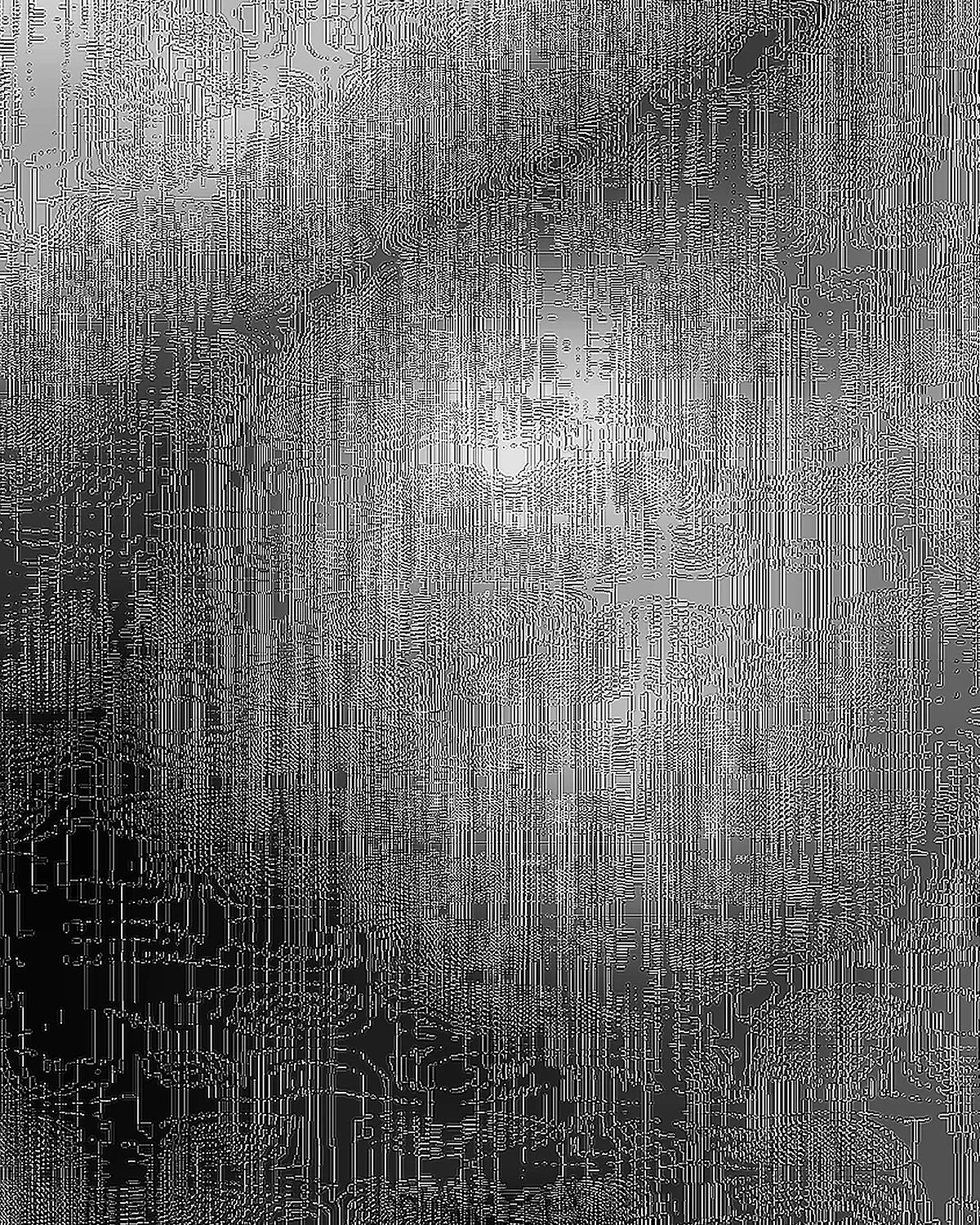
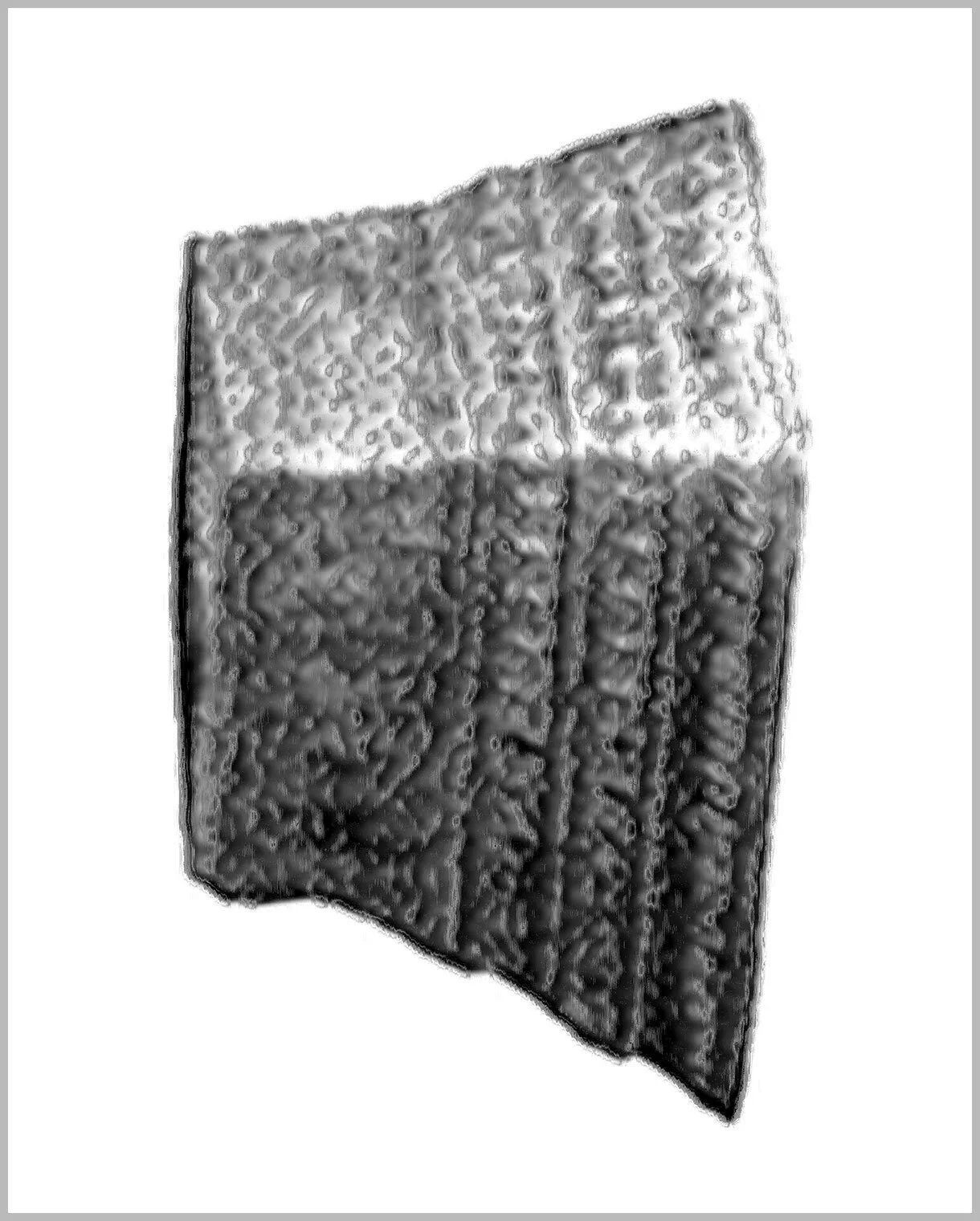
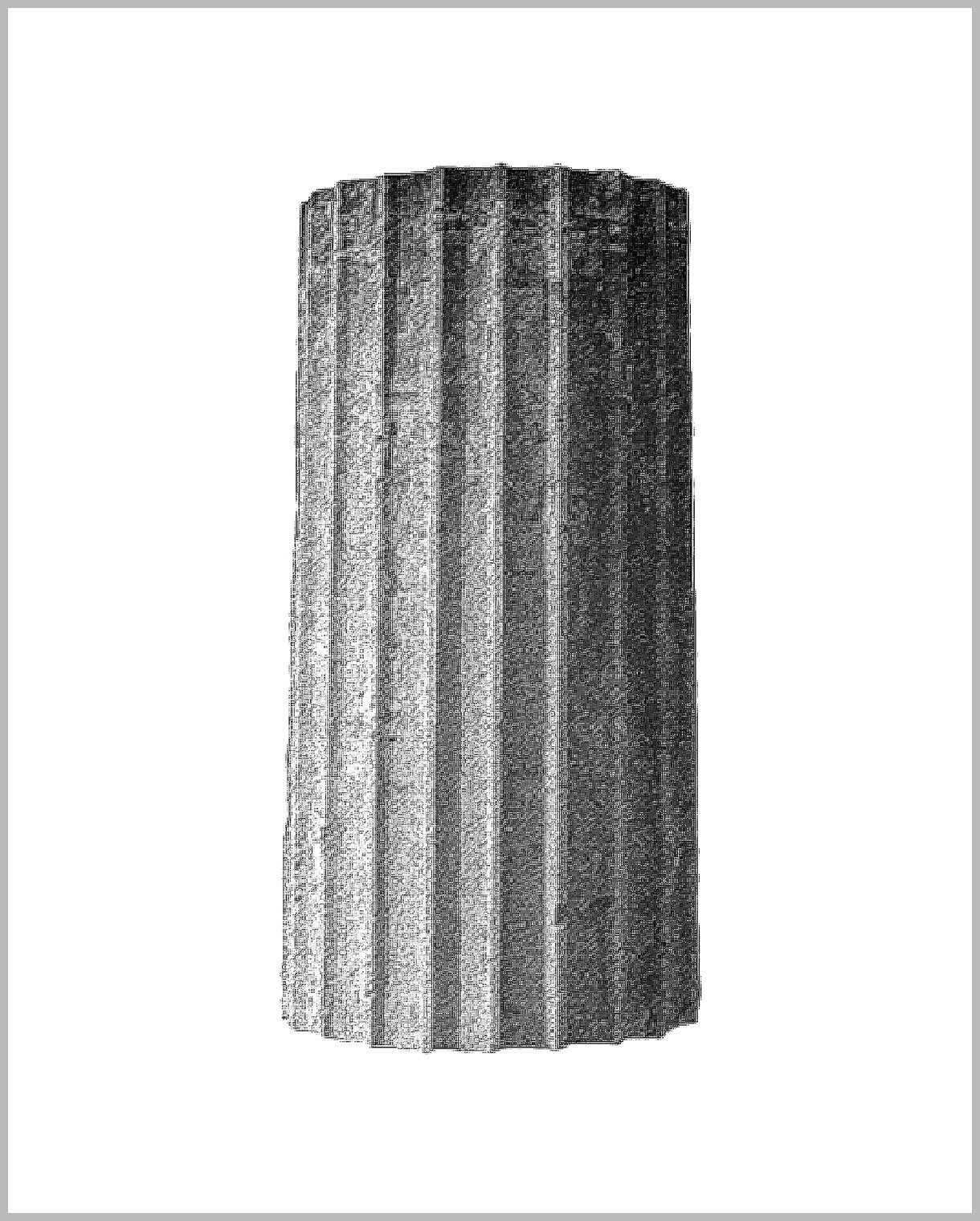
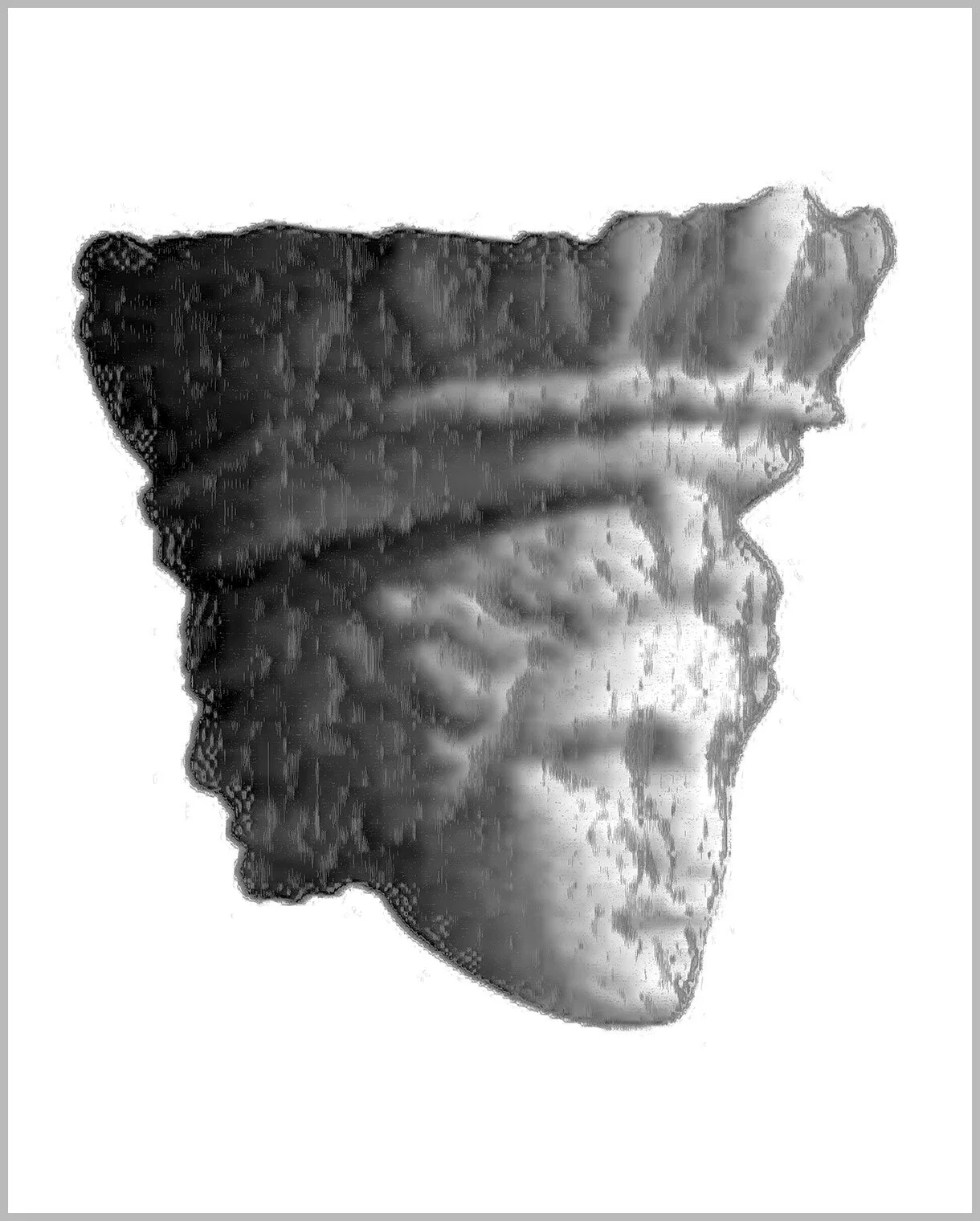
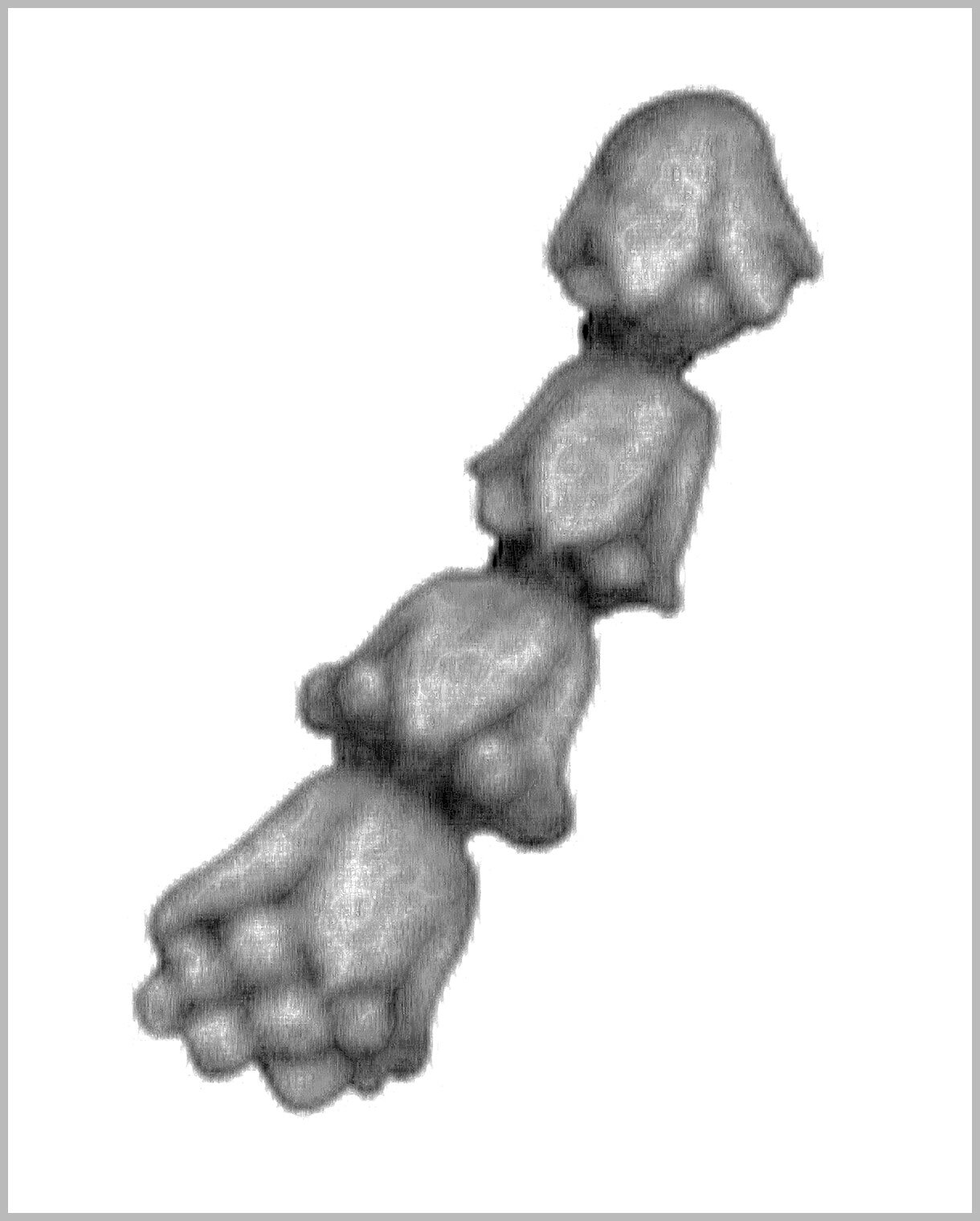
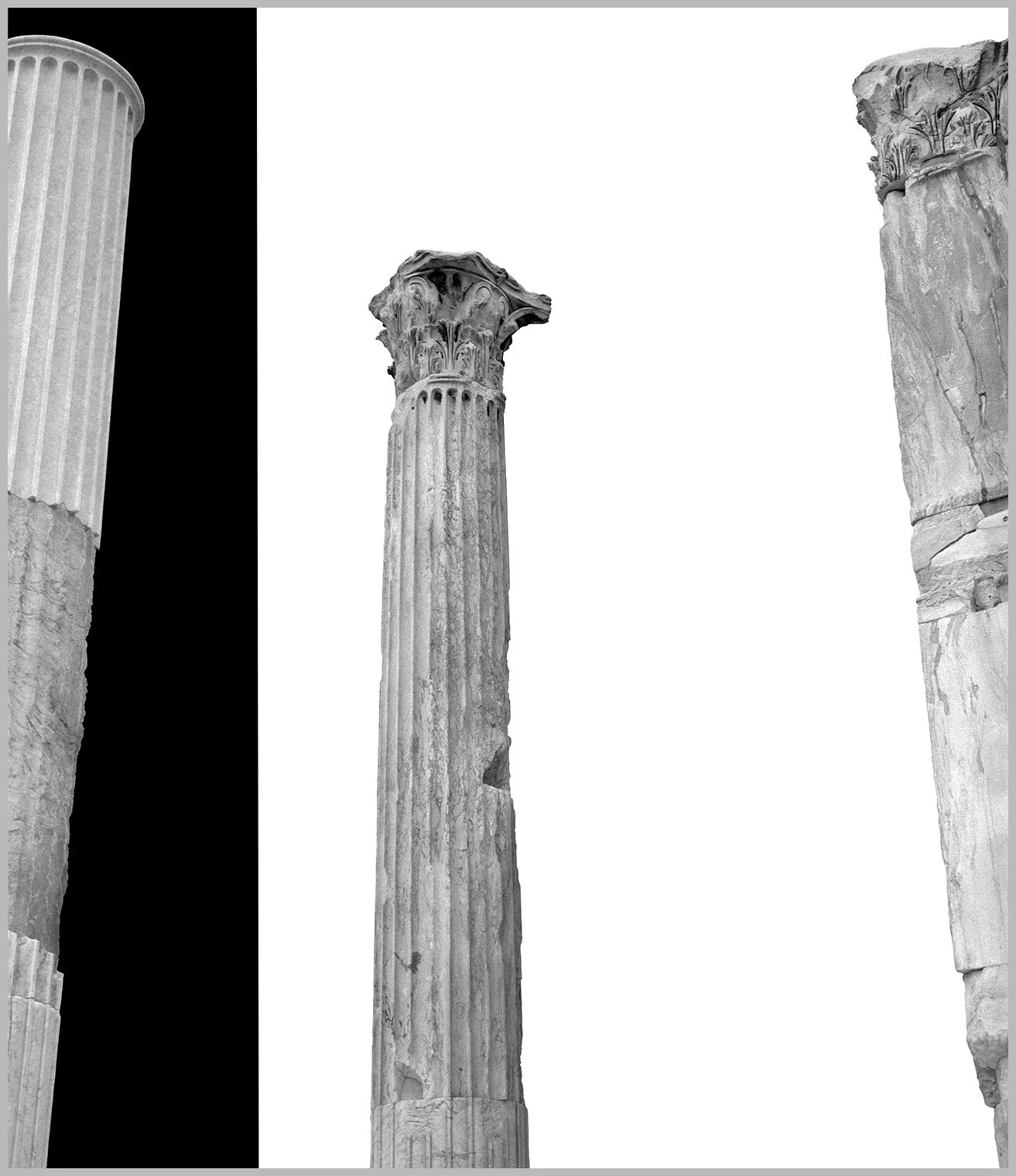
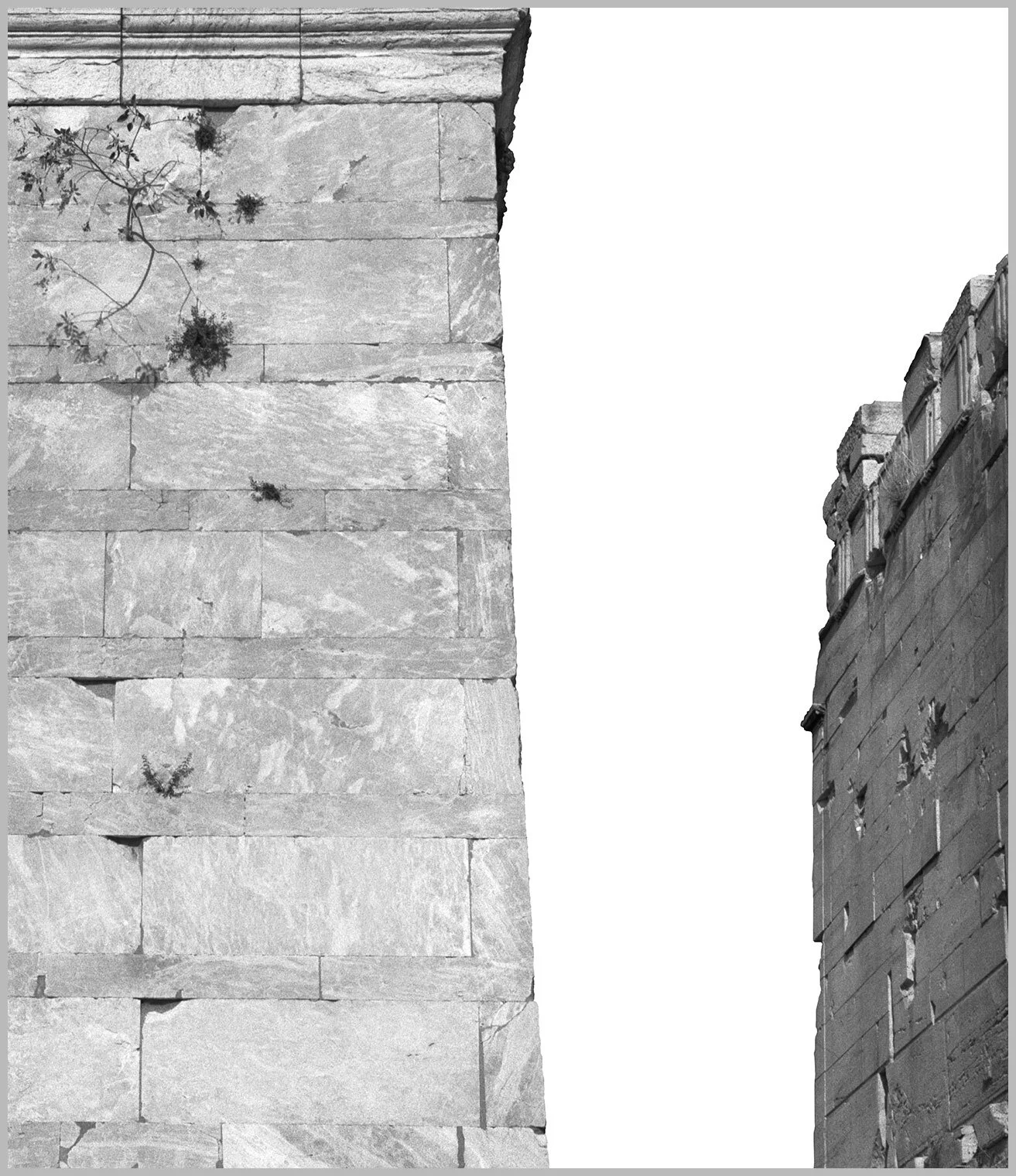
The Artifact photographs are authentic ancient architectural details shot in Rome and Greece, along with their modern quotations in Minneapolis. I have misused software to erode image quality in the way that time and the elements might erode marble. This digital technique disrupts data, creating marks and other imperfections in the photograph. In digital processing terminology, these data aberrations are called “artifacts”.
Dimensions: 50” x 40”, inkjet
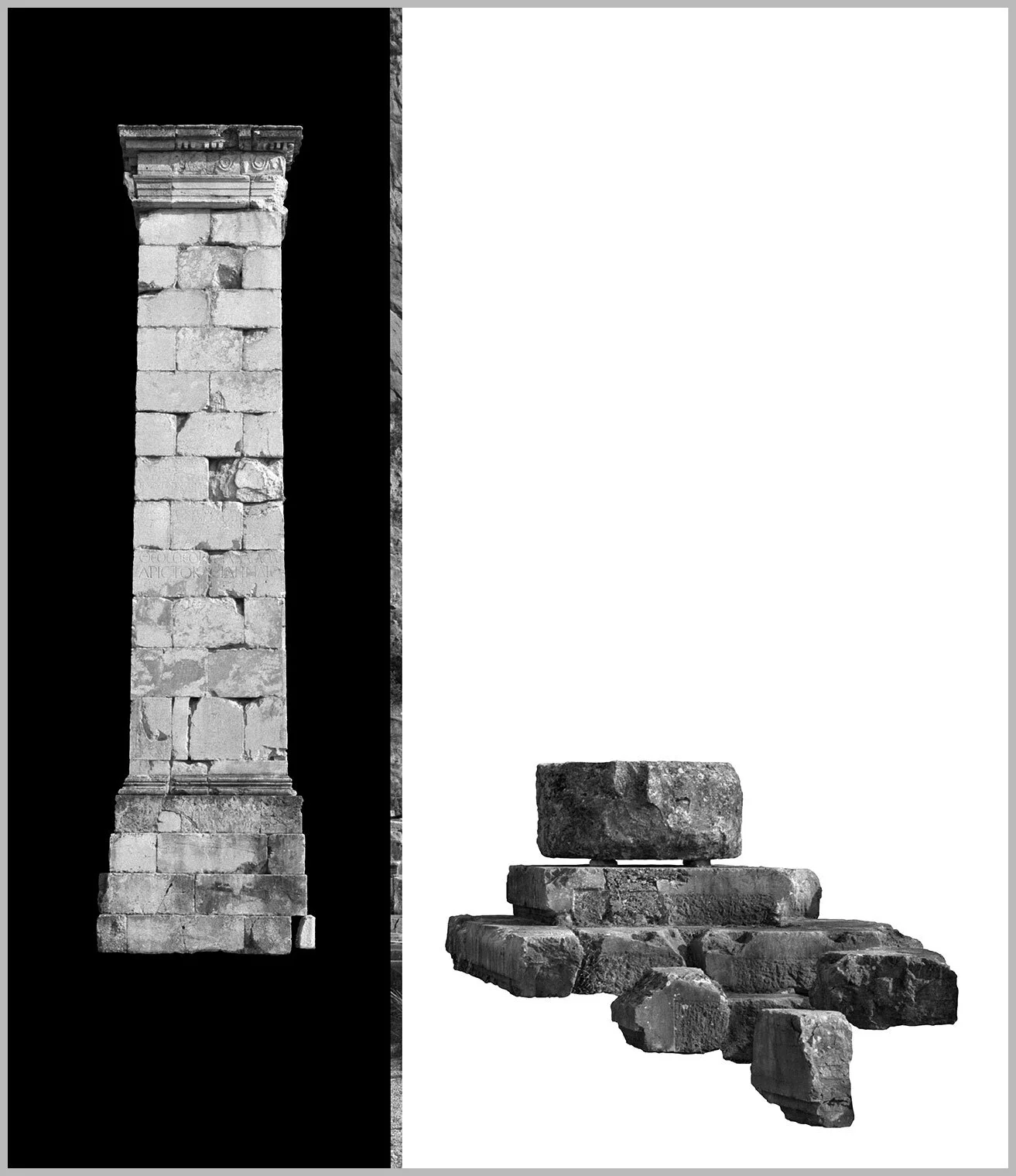
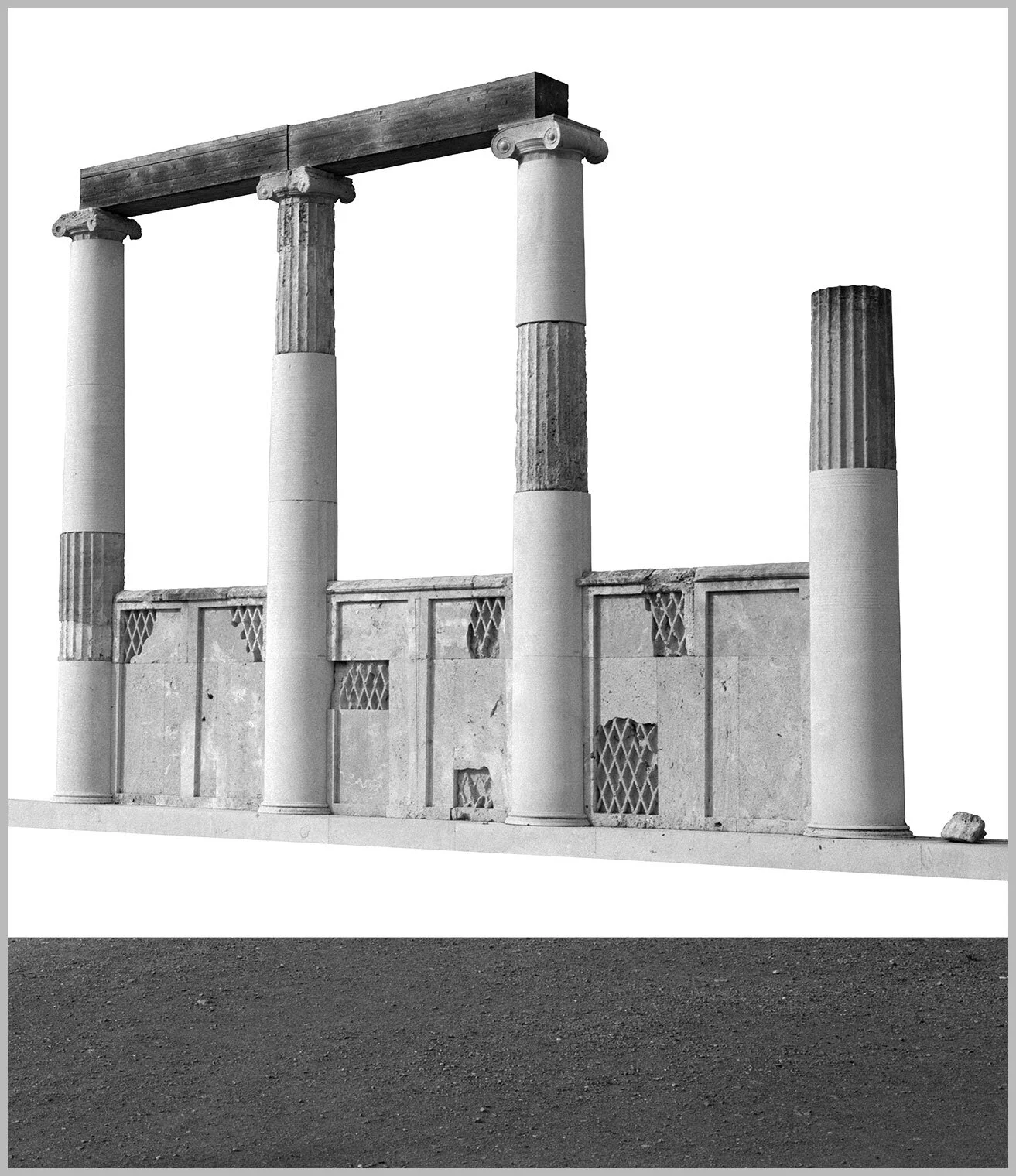
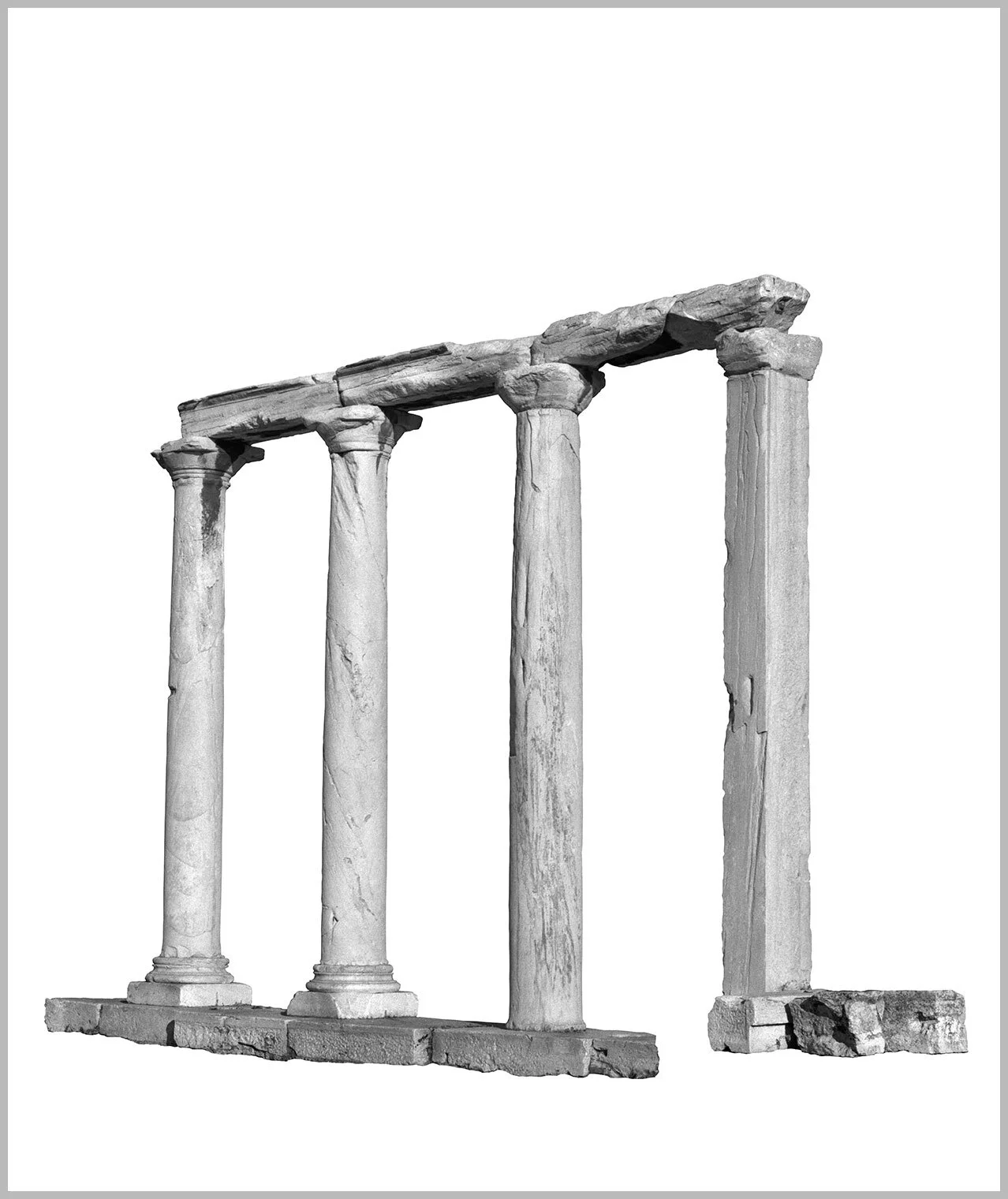
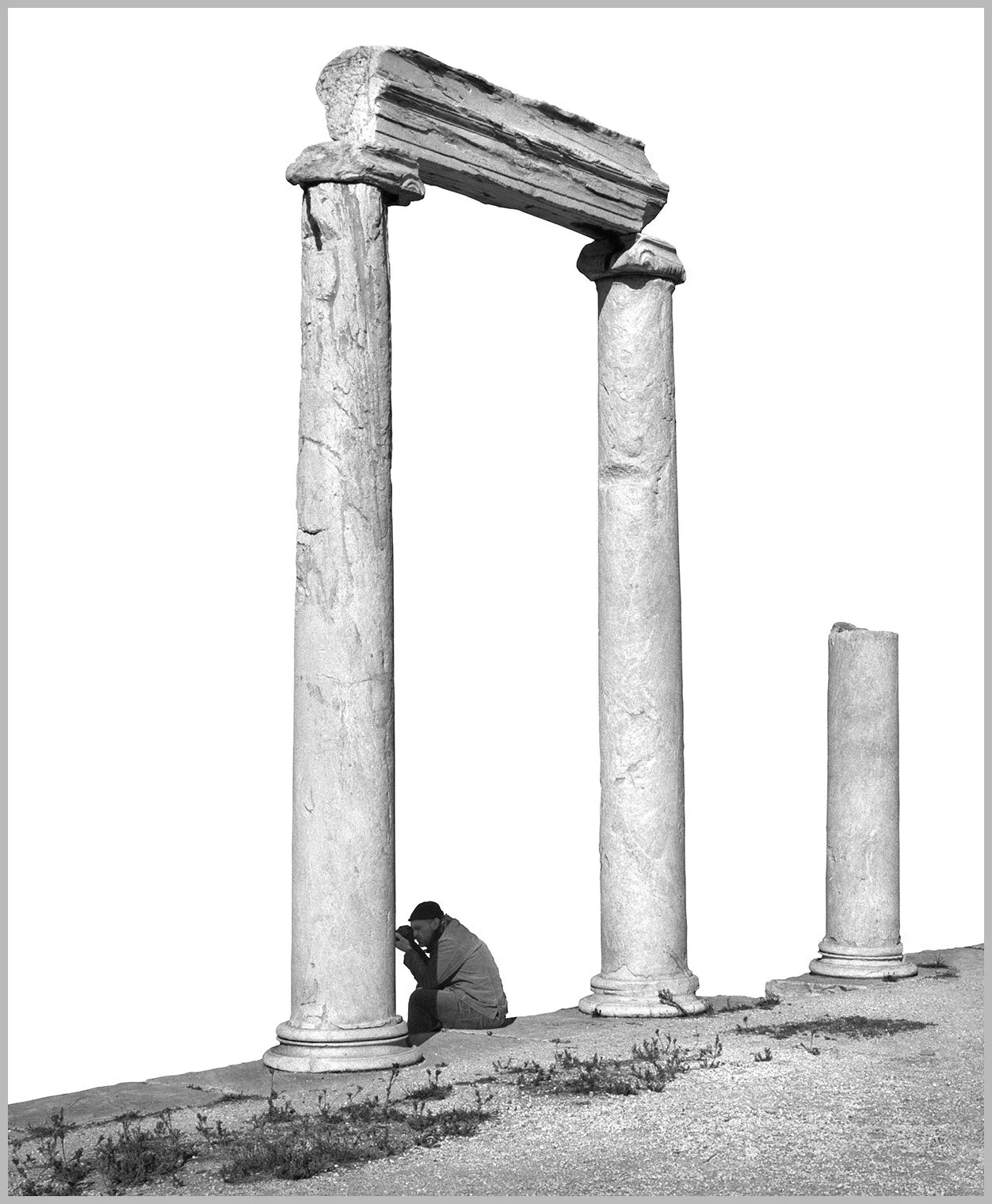
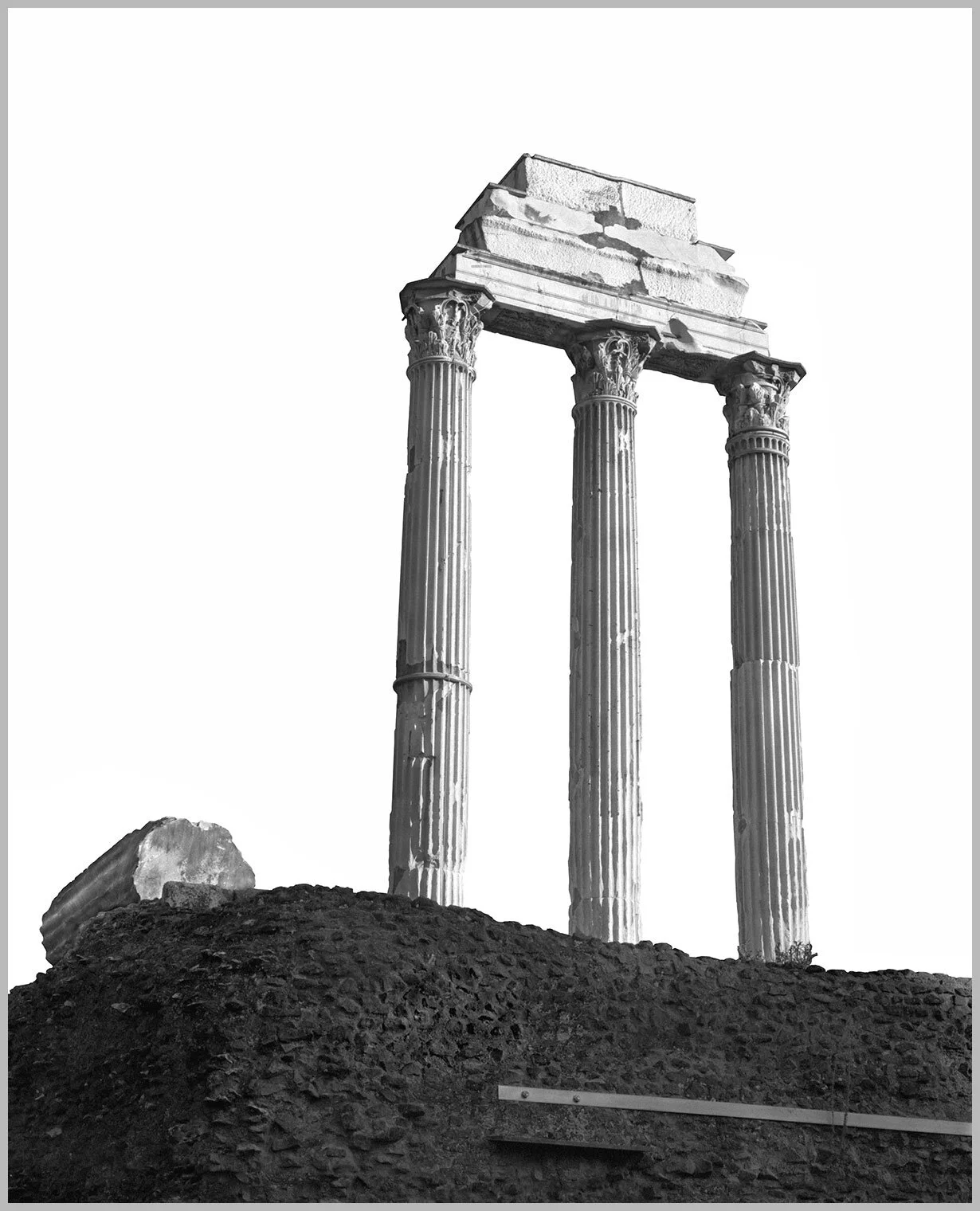
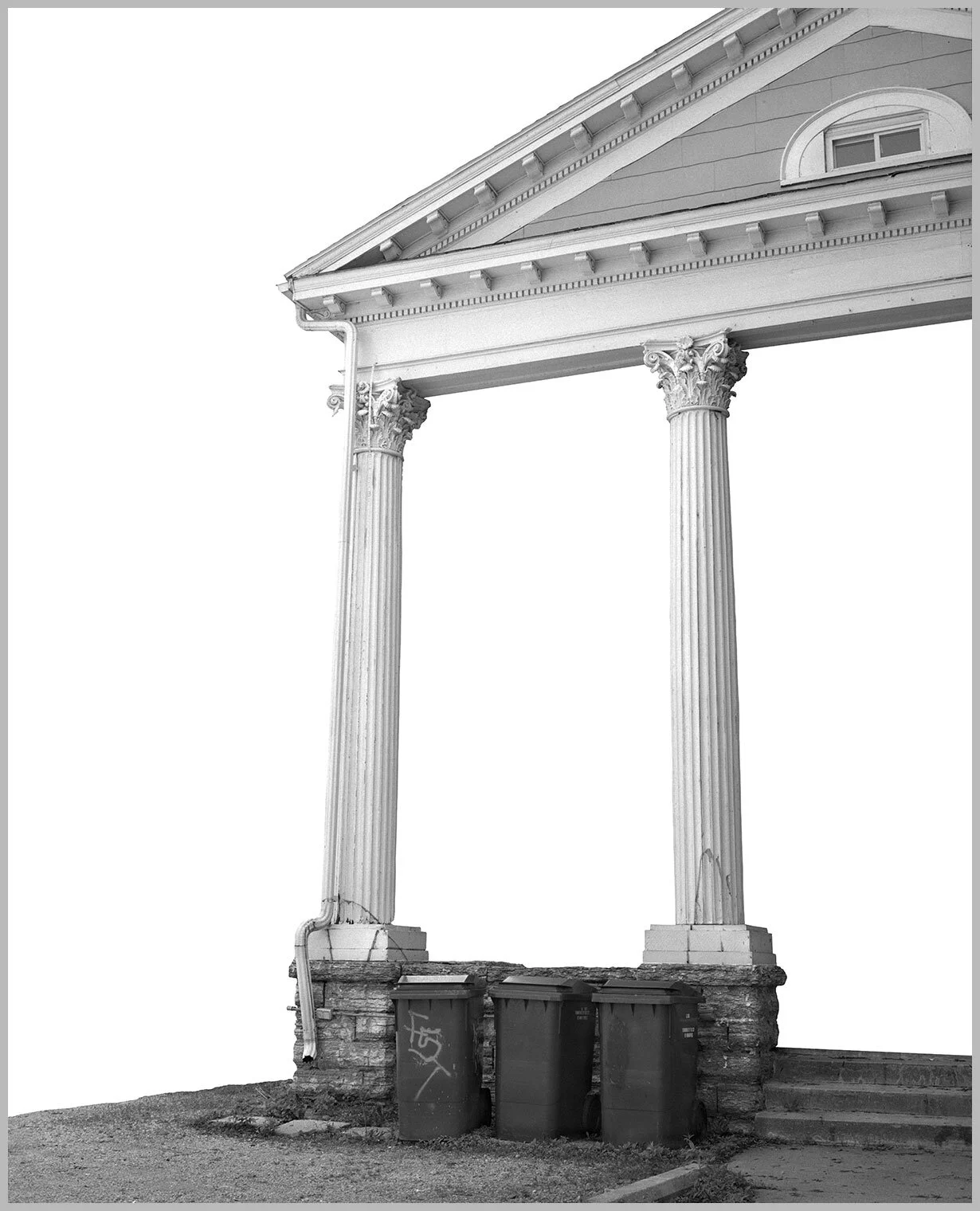
Although the Continua photographs resemble collages, each of these is a single, intact frame of film. Nothing has been added to these photographs; things have only been concealed. Solid white and black fields, influenced by the flat white skies of early collodion photographs, work as a kind of optical trick. As I’ve used this simple intervention to confuse the way we understand ordinary space, it occurred to me that maybe memory itself works as a similar trick. I want these images to appear as if separate photographs were placed near each other, collage-like, in the 2-dimensional plane of a picture instead of what they really are: separate structures located near each other in real 3-dimensional space. Ordinary space has been fractured optically with simple masks to break open the local, adjacent context of architectural forms.
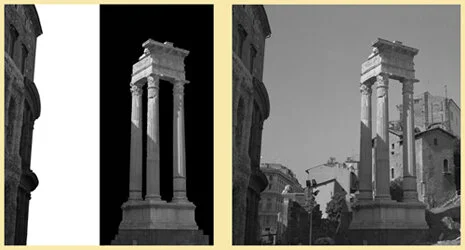
Continua (process information)

With deep gratitude
This project was funded by a generous fellowship from the McKnight Foundation and was also made possible by the voters of Minnesota through a grant from the Minnesota State Arts Board, thanks to a legislative appropriation by the Minnesota State Legislature.
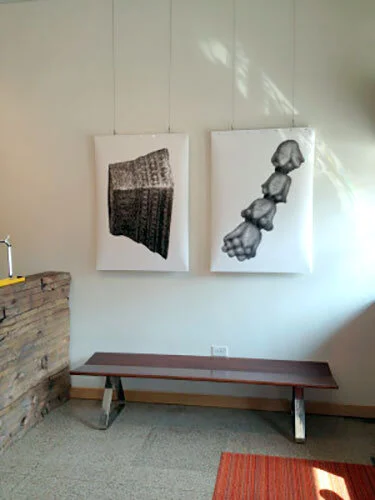
Installation, Petersson + Keller, Architects, Minneapolis