Monitoring tells you when something breaks. Good DevOps reading helps you understand why it broke, how others fixed it, and what to change before it happens again.
Tools like UptimeRobot cover the visibility side, but teams also need reliable sources to keep up with CI/CD, cloud infrastructure, automation, containers, and incident response.
That is where the right blogs help.
Some are better for hands-on tutorials, some for industry trends, and others for architecture, platform engineering, or day-to-day operational tradeoffs.
This roundup pulls together DevOps blogs worth following if you want practical ideas, sharper troubleshooting, and a better sense of where the field is heading.
Why DevOps Blogs and Websites Matter
Keeping Up with DevOps Practices
DevOps is characterized by its fast-paced nature, making it imperative for DevOps engineers and software developers to stay updated on evolving best DevOps practices.
Whether it’s continuous integration, continuous delivery, or infrastructure automation, blogs and websites serve as great resources for the latest advancements and practical implementations in the industry.
Learning about New DevOps Tools and Technologies
In an age where cloud services and cloud computing are integral to DevOps, staying informed about the newest tools is vital.
Whether you are interested in open-source tools for machine learning or seeking solutions for performance issues, DevOps blogs frequently discuss new features and tools that can optimize your code quality and deployment strategies.
Community Engagement and Networking in the DevOps Community
Networking and community engagement are cornerstones of DevOps culture. DevOps blogs and websites often feature guest posts from industry experts and offer forums where DevOps teams can discuss challenges and solutions.
Following blogs not only enriches your understanding but also opens doors for networking opportunities across different industry verticals. Provided insights could come in handy for both DevOps offshore and in-house specialists.
Career Growth and Personal Development
Whether you’re a DevOps engineer looking to specialize in security or you’re part of an organization interested in agile practices, these blogs and websites provide insights into career pathways and growth opportunities. They’re equally valuable when working with offshore software development services to ensure everyone stays aligned on emerging standards.
To summarize, DevOps blogs and websites are invaluable for anyone in the DevOps community.
They provide up-to-date information on everything from cloud infrastructure and software development processes to insights on automation, monitoring, and testing.
So, if you’re keen to stay ahead of the curve, read on as we introduce you to some of the best DevOps blogs you should consider following.
10 of the Best DevOps Blogs
1. Sourced Group
The Sourced Group blog offers specialized insights into cloud consulting, emphasizing how large enterprises can transition to cloud services like AWS, Azure, and GCP.
Their posts often explore the intricacies of cloud infrastructure, security, and automation, making it a must-read for DevOps professionals working on large-scale cloud migration projects.
Notable posts:
A Framework for Test Automation
Five Tips to Avoid Cloud Migration Failure
2. DevOpsCube
DevOpsCube stands out for its comprehensive tutorials and how-to guides aimed at DevOps beginners and experts alike.
The blog covers various DevOps tools, continuous integration techniques, and automation practices.
Whether you’re troubleshooting performance issues or interested in infrastructure as code, DevOpsCube has a rich set of resources for you.
Notable posts:
How to Setup an Elasticsearch Cluster
3. Atlassian
Known for its suite of software development and collaboration tools, Atlassian’s blog offers more than just product news.
It explores the best practices in agile development, DevOps culture, and team collaboration.
If you’re looking for insights into how organizational practices can affect DevOps performance, Atlassian’s blog is an excellent resource.
Notable posts:
4 Key Ways to Step Up Your DevOps Game
What’s the Foundation of DevOps Success?
The Importance of Traceability
4. iHeavy
iHeavy offers deep dives into the world of database management, particularly focusing on cloud solutions and services.
While it might not cover the entire DevOps spectrum, it provides essential information on database scaling, security, and performance – critical aspects for any DevOps engineer concerned with data management.
Notable posts:
Is There a Serious Skills Shortage Around DevOps Space?
The 4 Letter Word Dividing Dev and Ops
5. DevOps.com
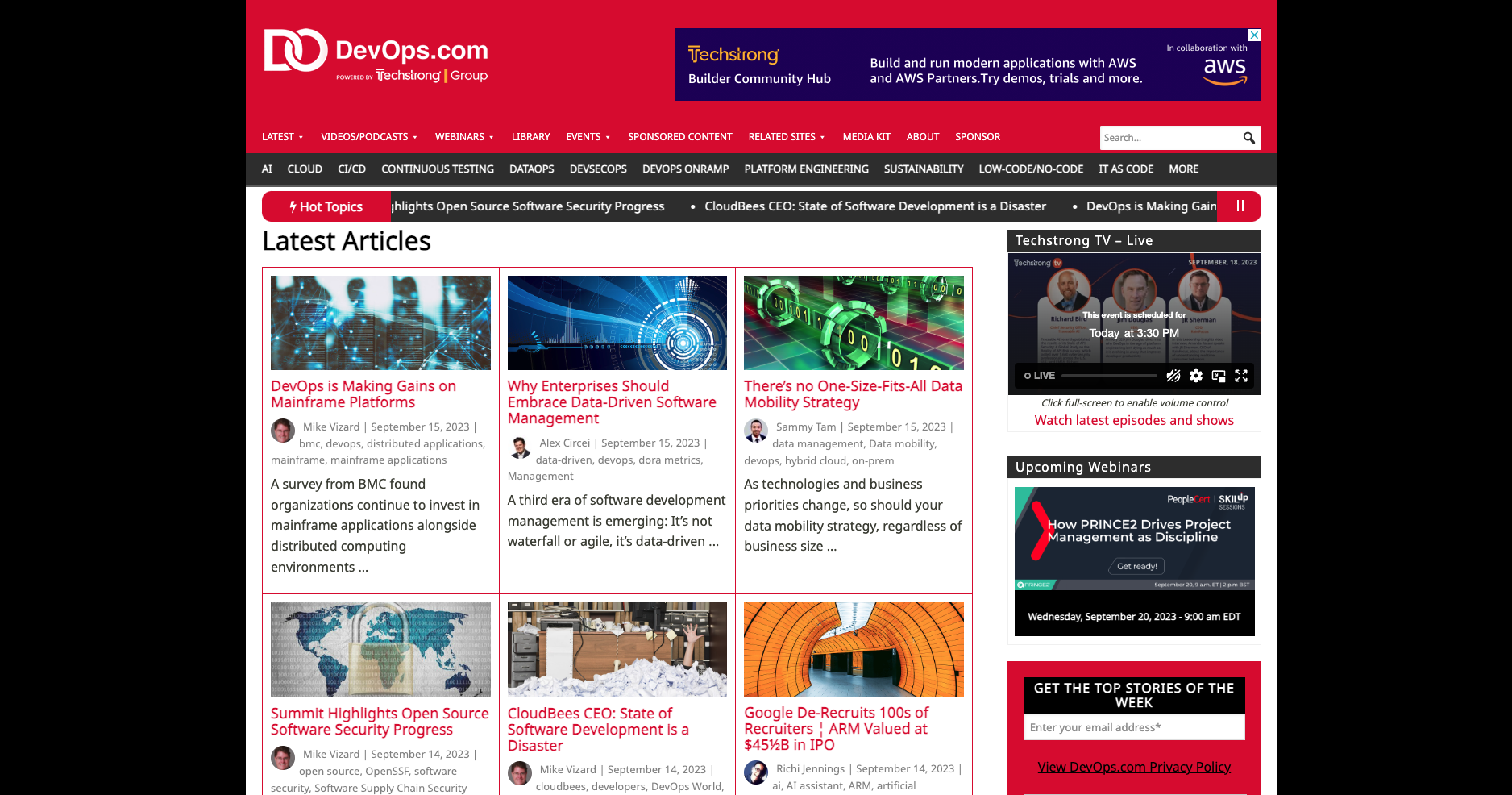
As one of the most renowned blogs in the DevOps community, DevOps.com offers a wide array of topics ranging from continuous delivery to the latest industry trends.
With guest posts from DevOps experts and detailed case studies, it’s a rich resource for understanding the practical implementations of DevOps practices.
Notable posts and podcasts:
AI and the Future of Software Development
5 Great DevOps Job Opportunities
3 Ways to Achieve Faster App Development Without Compromising Security
6. The New Stack
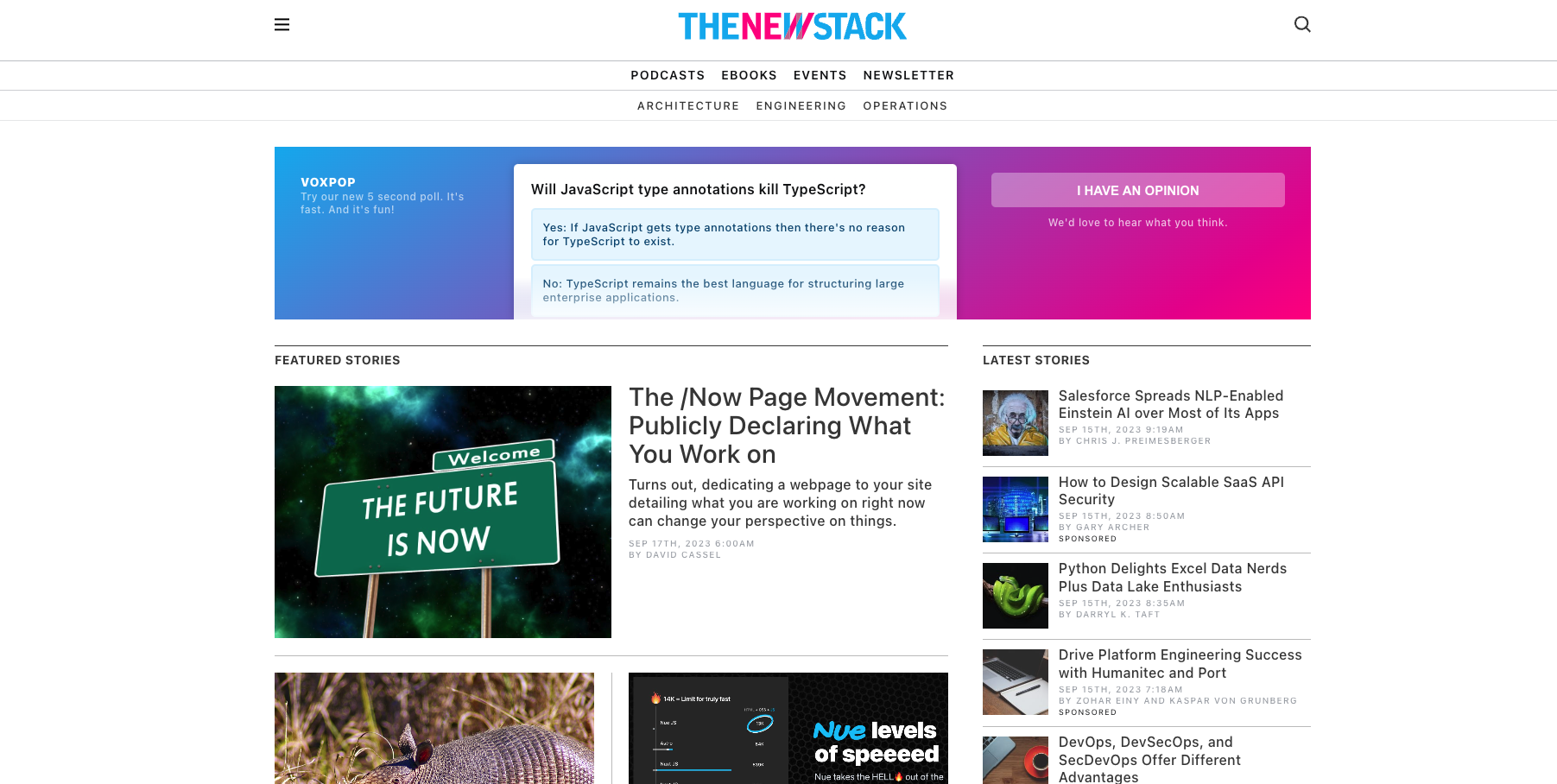
The New Stack provides articles, podcasts, and newsletters focusing on new stacks and how they impact the DevOps landscape.
From cloud-native technologies to container orchestration, The New Stack offers a well-rounded view of the DevOps world and frequently features posts from industry experts.
Notable posts and podcasts:
Apache Flink for Real Time Data Analysis
SRE vs. DevOps vs. Platform Engineering
7. DZone
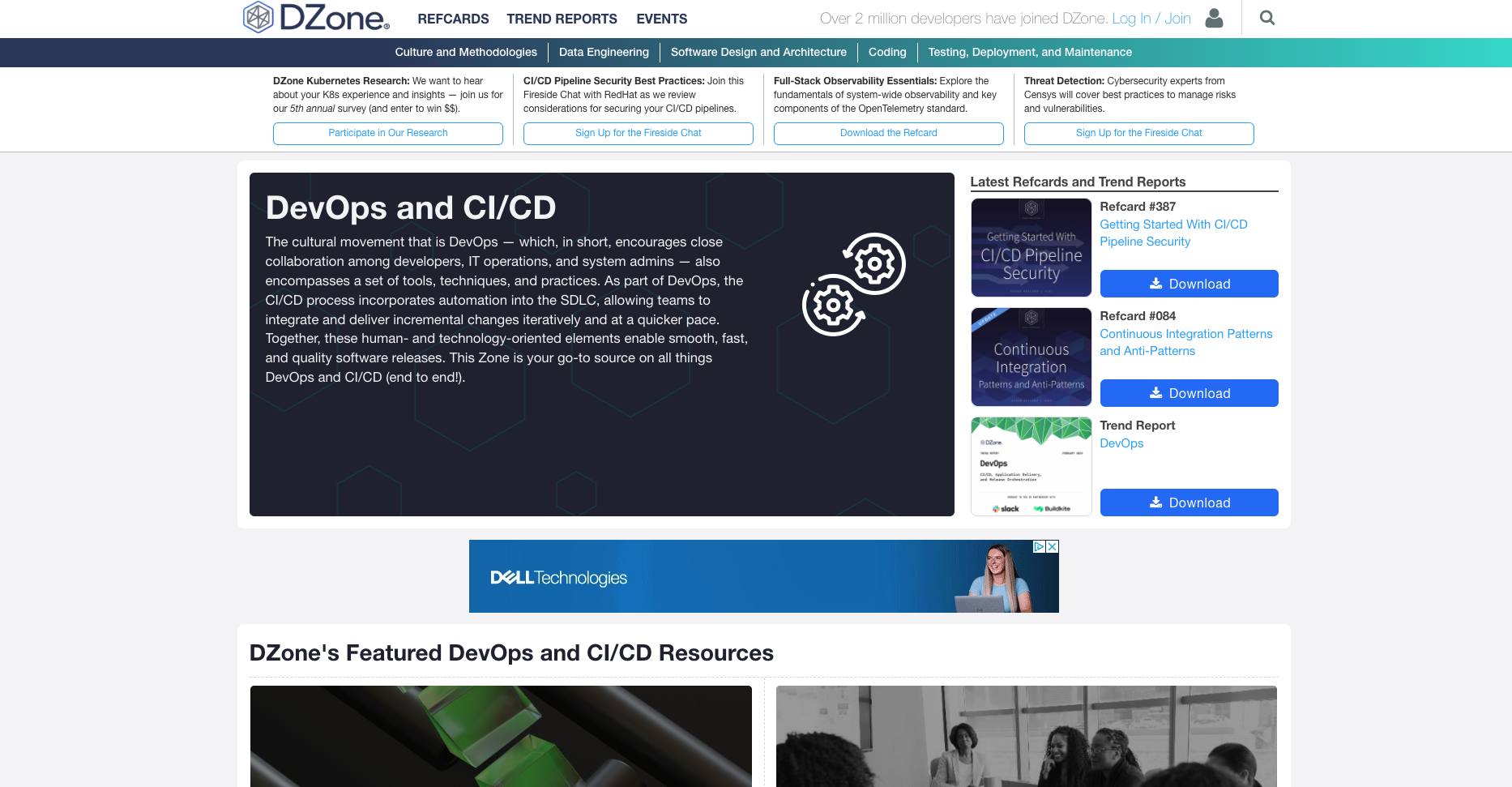
DZone offers a mix of tutorials, feature lists, and opinion pieces aimed at DevOps professionals.
It is particularly good for those interested in continuous integration and deployment, as it often covers the most recent tools and strategies in these areas.
Notable posts:
Supercharge Your Software Development Journey with DevOps, CI/CD, and Containers
The Tops Cybersecurity Risks in Agile Software Development
8. DevOps SubReddit
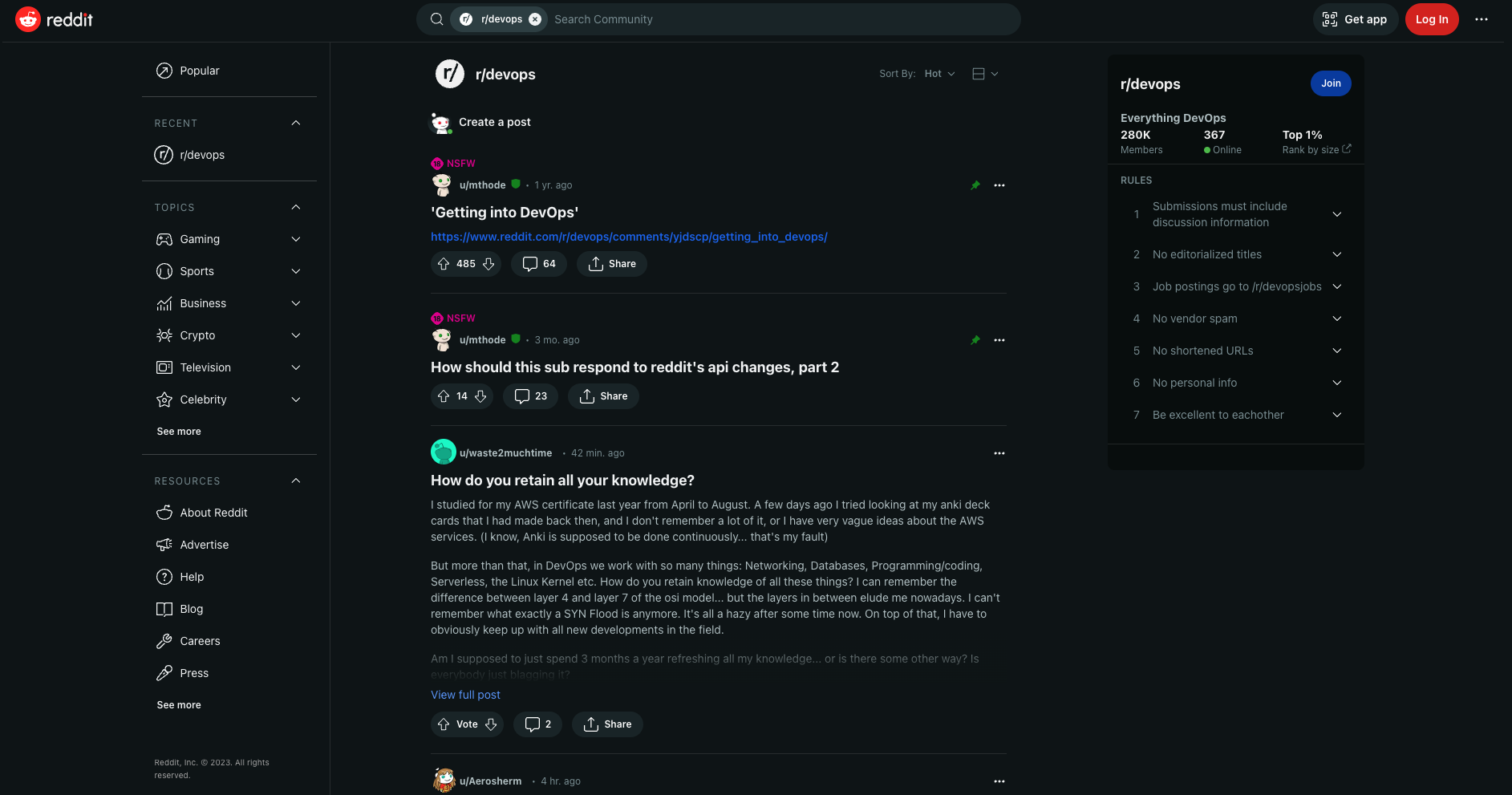
The DevOps SubReddit is not exactly a blog, it’s a community. Here, you can find discussions, questions, and shared resources that range from beginner’s guides to in-depth tutorials.
It’s a fantastic place for networking and getting real-world advice from fellow DevOps professionals. Check out the top posts of all time for some interesting reading.
9. Azure DevOps Blog
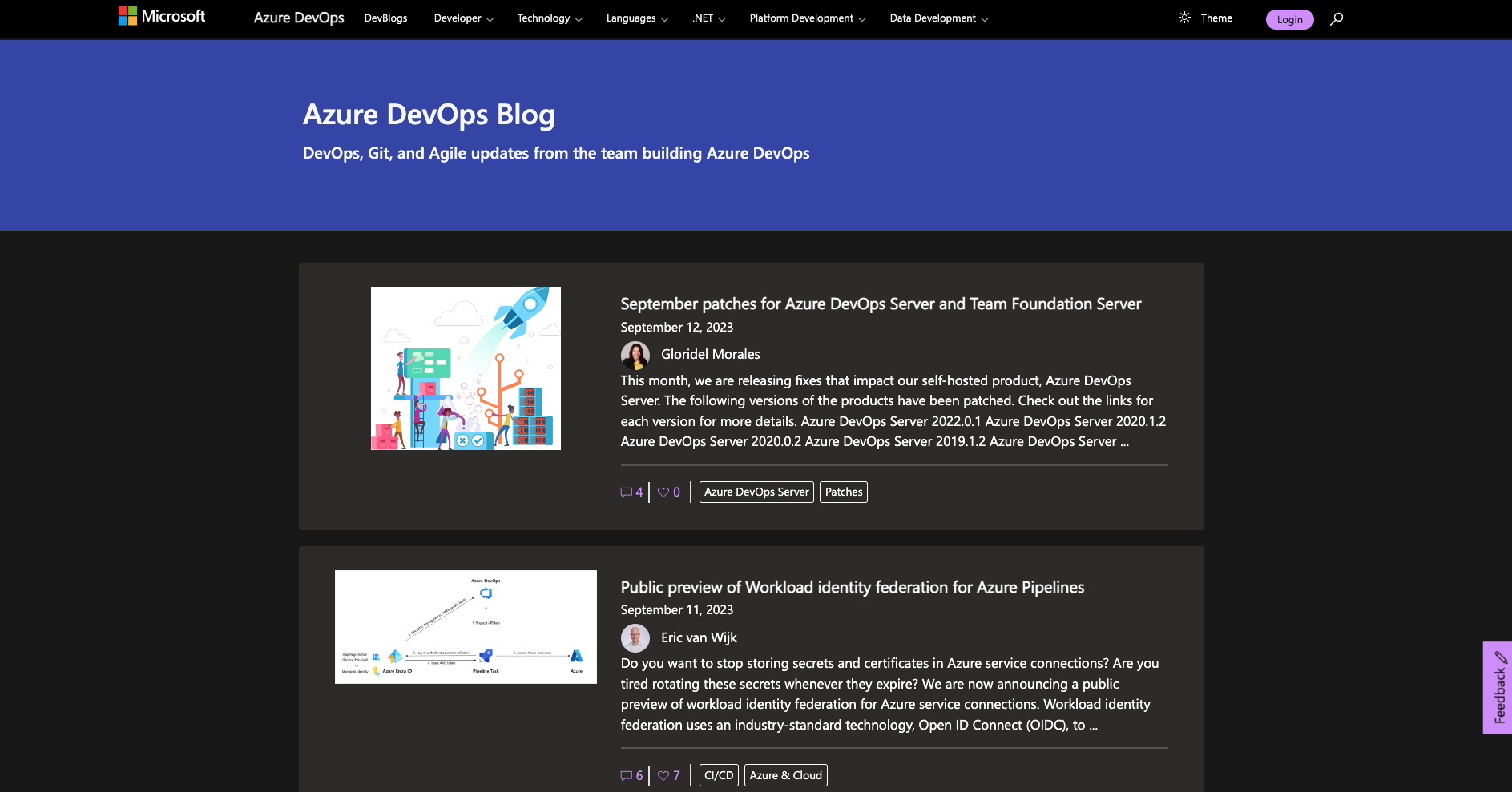
For those committed to Microsoft’s Azure platform, the Azure DevOps Blog is a go-to resource.
It offers detailed articles on Azure services, cloud computing, and best practices for deploying code and managing cloud infrastructure.
It also provides updates on Azure features, making it vital for anyone using this cloud service.
Notable posts:
Use Power Automate to Update Azure DevOps Queries
Public Preview of Workload Identity Federation for Azure Pipelines
Introducing Azure Artifacts support for Rust Crates
ByteByteGo
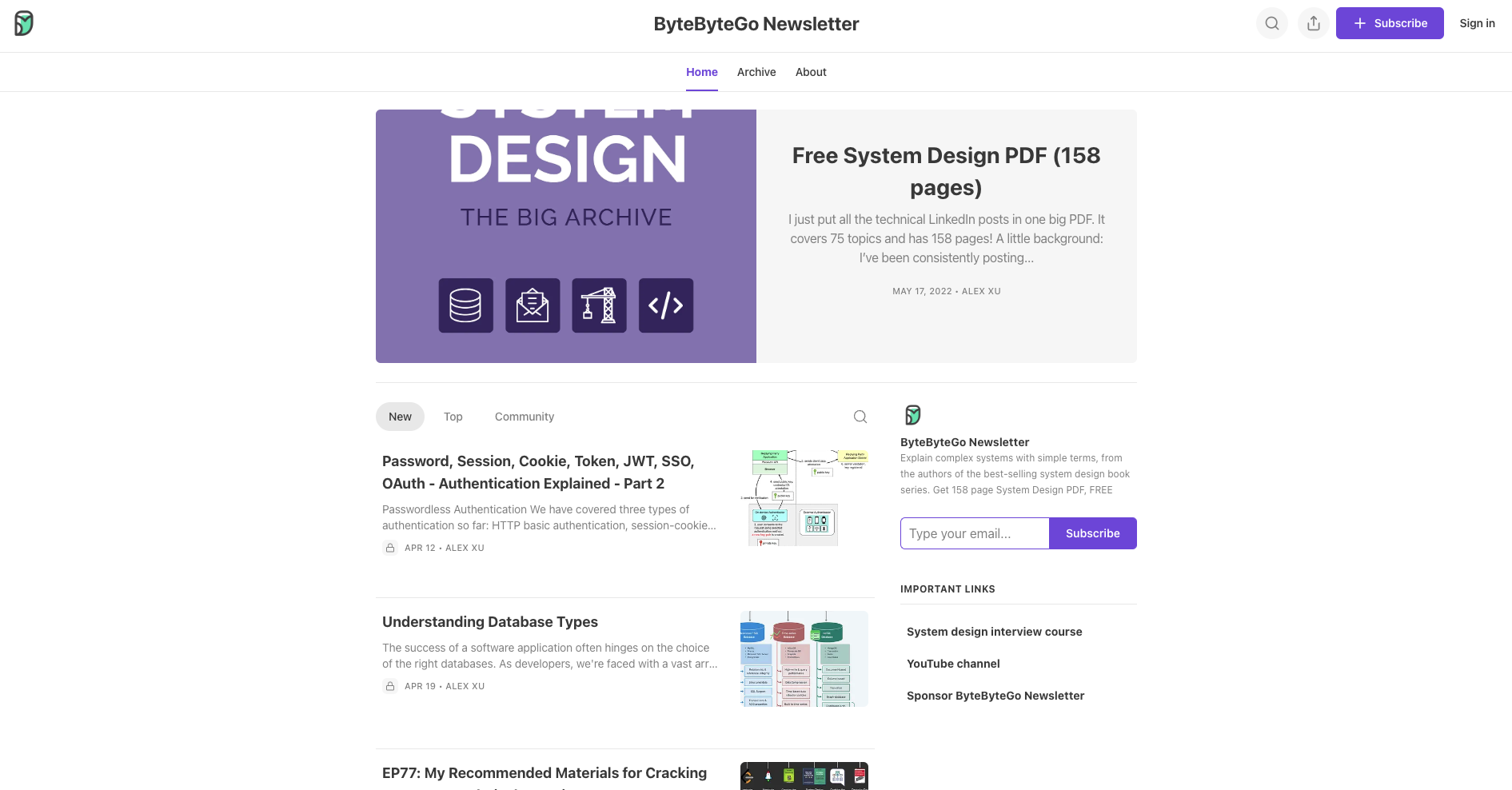
ByteByteGo focuses on software development practices, particularly in a DevOps context.
The newsletter covers a variety of topics, including code quality, tool selection, and industry best practices.
While it may not exclusively focus on DevOps, its software-centric viewpoint offers valuable information for DevOps teams and software developers alike.
Notable posts:
Mastering the Art of API Design
How to choose the right DevOps blogs for your goals
Not every DevOps blog solves the same problem. Some are better for hands-on learning, while others are better for product updates, architecture patterns, or industry news. Picking the right mix saves time and keeps your reading useful.
If you want practical tutorials, focus on blogs that publish step-by-step guides, setup examples, and troubleshooting content. These are usually the fastest way to learn tools like Docker, Kubernetes, CI/CD platforms, and infrastructure as code. They help when you need to build or fix something, not just understand the theory.
If you want to stay current, follow blogs that cover releases, platform changes, and broader DevOps trends. Vendor blogs and industry publications are often the best fit here. They are useful for tracking new features, shifts in cloud platforms, and changes in how teams approach delivery, automation, and reliability.
It also helps to match blogs to your role. Developers may get more value from CI/CD, testing, and delivery content. Ops and SRE teams may prefer monitoring, incident response, performance, and infrastructure topics. Engineering managers may care more about team practices, platform strategy, and DevOps culture.
A small reading list usually works better than a long one. Pick one tutorial-heavy source, one broad industry source, and one blog tied to the cloud or tools you use most. That gives you a steady mix of practical guidance, current updates, and role-specific insight without turning reading into another backlog.
Best DevOps Courses
Blogs may be a great way to stay informed and learn more, but courses can provide more depth and hands-on learning in ways that blogs can’t. If you’d like to grow your skills, consider checking out these courses.
The DevOps Essentials – The Handbook
Dive deep into the principles and practices of DevOps with this Udemy course based on the influential The DevOps Handbook. Learn about continuous delivery, automation, and integrating development and operations for improved workflows and productivity.
LX301 Linux Academy DevOps Training
Perfect for beginners, this Linux Academy course covers the basics of DevOps practices and tools. It offers a strong foundation in understanding the DevOps culture, automation, source code management, and continuous integration, all within the context of Linux environments.
AWS Certified DevOps Engineer – Professional Level
Aimed at individuals who are already familiar with AWS, this course from PluralSight prepares you for the AWS Certified DevOps Engineer exam. It covers deployment, operations, and management on AWS, making it perfect for those looking to specialize in cloud-based DevOps.
Best DevOps Communities
While courses provide structured learning, communities offer dynamic, peer-driven insights and support. Participating in active DevOps communities is excellent for staying up-to-date with the latest trends, seeking advice, and networking. Here are some of the best DevOps communities to consider joining.
DevOps Institute
The DevOps Institute is a global community focused on advancing the human elements of DevOps. It offers resources, certifications, educational content, and a space for members to connect and share ideas. This community is ideal for professionals looking to grow their skills and network with like-minded individuals.
You can find them on LinkedIn, X, and other social media platforms.
Spinnaker.io Community
Spinnaker is an open-source, multi-cloud continuous delivery platform used by many DevOps teams. The Spinnaker.io community provides a platform for users to collaborate, share best practices, and improve the tool. It’s an excellent place for those specifically interested in deployment and delivery automation.
Docker Community
Docker, a vital tool in the DevOps arsenal, has a vibrant community of users and contributors. Joining the Docker Community offers access to forums, user groups, live events, and content tailored to all experience levels. It’s a great way to learn from real-world scenarios and connect with experts.
Final Words
This article aims to guide you through some of the best DevOps blogs and websites you can follow to stay ahead of the curve.
Interact with the community, apply the learnings to your daily tasks, and see how it transforms your career and project outcomes.
And if you’re on Discord, don’t forget to join us! You can chat with the UptimeRobot team and other users, get support, share things you built, and discuss different tech and non-tech questions.

6 Comments
Howdy! I could have sworn I’ve visited this site before but after going through a few of the posts I realized it’s new to me. Regardless, I’m definitely delighted I stumbled upon it and I’ll be book-marking it and checking back frequently!
Thank You for Your Valuable Information,its very usefull:)
Thank you!
Your exploration of containerization technologies and their role in modern DevOps environments is incredibly informative. As organizations strive for greater agility and scalability, containers offer a powerful solution for packaging and deploying applications consistently across diverse environments. Looking forward to reading more about best practices and real-world implementations in future posts.
Thanks!
DevOps blogs and websites offer insights, updates, and best practices vital for professionals navigating the dynamic landscape of software development. Invaluable resources!